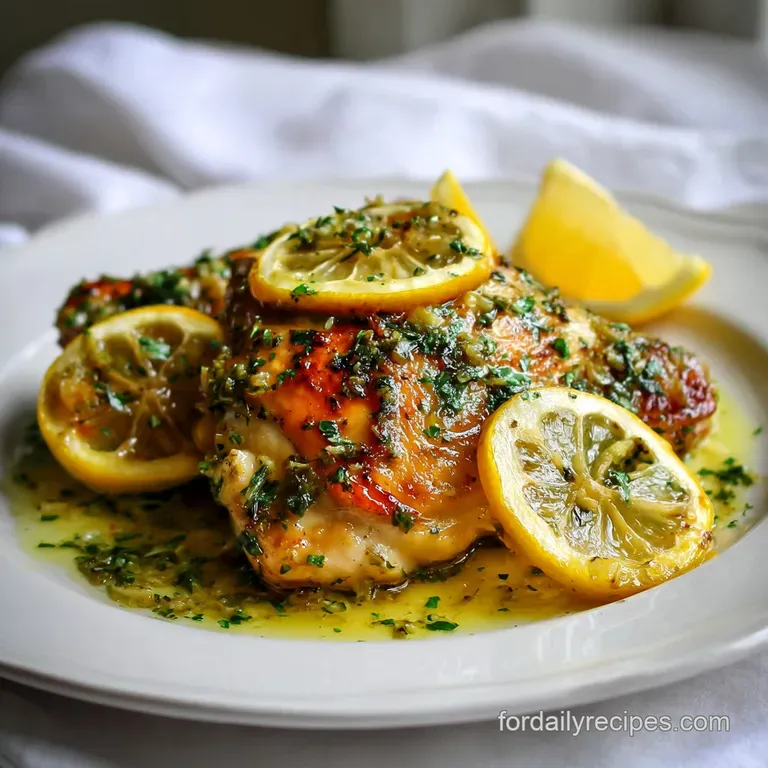
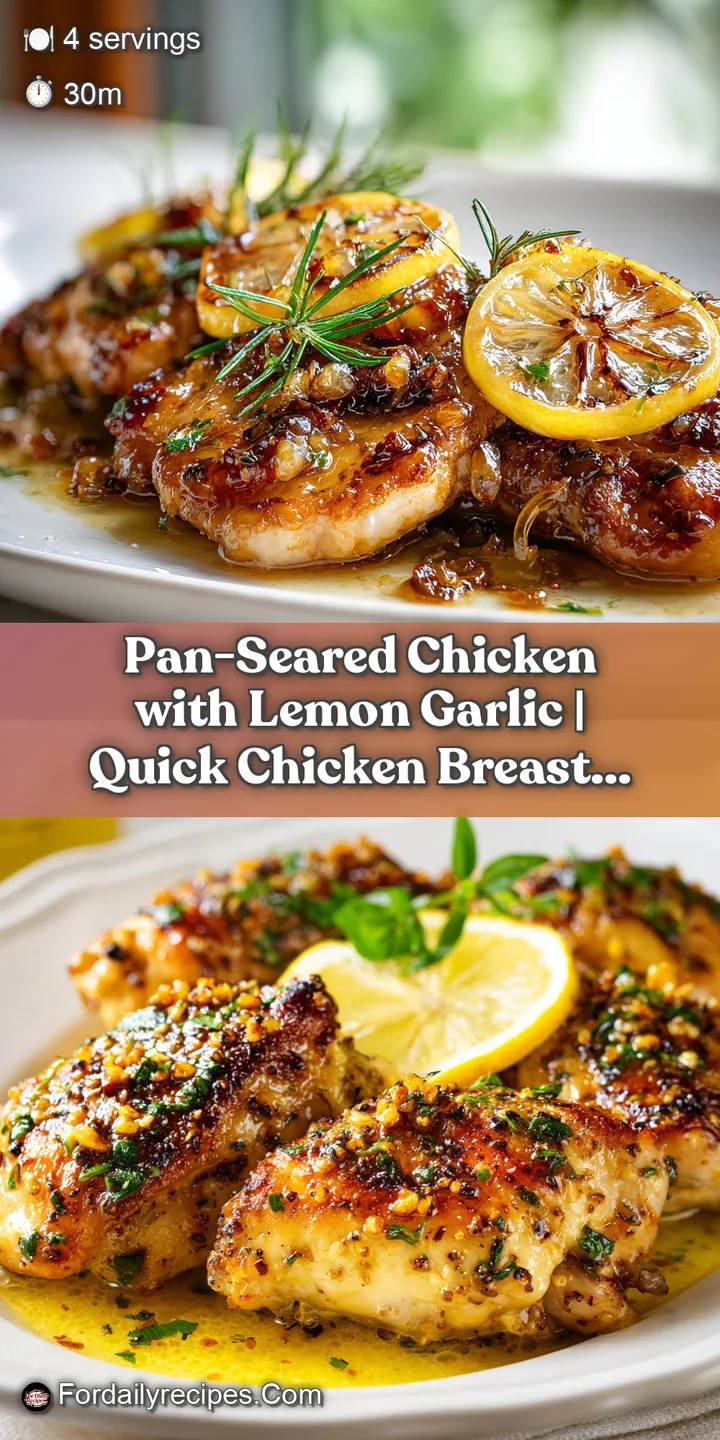
Pan-Seared Chicken with Lemon Garlic
- Time: Active 10 minutes, Passive 20 minutes, Total 30 minutes
- Flavor/Texture Hook: Zesty lemon garlic sauce with golden, pan seared chicken
- Perfect for: Nourishing weeknight dinners or healthy meal prep
- Mastering the Best Chicken Recipe Chicken Recipe
- Why This Heritage Dish Works
- Essential Components and Yield Specs
- Pantry Staples and Smart Swaps
- Tools for a Flawless Sear
- Steps to Golden Chicken Perfection
- Solving Common Kitchen Mishaps
- Flavor Variations and Adaptations
- Keeping Leftovers Fresh and Tasty
- Plating for a Visual Feast
- Recipe FAQs
- 📝 Recipe Card
Mastering the Best Chicken Recipe Chicken Recipe
The moment that 1.5 lb of chicken hits the hot oil, you should hear a sharp, aggressive sizzle that tells you the crust is forming. I remember the first time I tried this; I was so impatient that I crowded the pan and ended up with gray, rubbery meat instead of that beautiful bronze finish.
My kitchen smelled like scorched garlic for two days because I hadn't learned that heat management is everything. Now, every time I smell that bright hit of fresh lemon hitting the deglazed pan, it takes me back to those early trials.
This dish is a staple in my home because it balances heritage flavors with the need for a high protein chicken dinner. We're talking about a heritage style preparation where every ingredient has a purpose, from the smoked paprika that adds a hint of wood fired depth to the fresh Italian parsley that wakes up the whole plate.
It’s the kind of meal that makes you want to scrape the bottom of the pan with a piece of crusty bread.
You’re going to love how the whole wheat penne pasta catches the light, garlicky sauce in every ridge. It’s not just a meal; it’s a lesson in how simple techniques like resting your meat and using pasta water can change your cooking forever.
Let’s get into the details so you can nail this on your first try.
Why This Heritage Dish Works
Getting this right isn't just luck; it's about understanding how moisture and heat interact in your skillet. When we use this specific chicken recipe, we are looking for that contrast between the savory crust and the tender, juicy interior.
- The Maillard Reaction: High heat creates a complex chemical reaction between amino acids and reducing sugars, resulting in that shatter crisp brown crust.
- Emulsification: Combining the starchy pasta water with unsalted butter and lemon juice creates a silky, velvety sauce that clings to the penne.
- Carryover Cooking: Resting the chicken allows the internal juices to redistribute, ensuring every bite is moist rather than dry.
- Acid Balance: The large lemon juice acts as a bright counterpoint to the rich olive oil and butter, cutting through the fat.
| Thickness | Internal Temp | Rest Time | Visual Cue |
|---|---|---|---|
| 1/2 inch cutlet | 165°F (74°C) | 5 mins | Opaque center, golden exterior |
| 3/4 inch cutlet | 165°F (74°C) | 7 mins | Juices run clear when pierced |
| 1 inch breast | 165°F (74°C) | 10 mins | Firm to the touch with a bounce |
Choosing the right thickness for your cutlets is the first step toward success. If you're looking for a different spin on a classic, you might enjoy the flavor profile of this Chicken Recipe with roasted notes for a larger crowd. Smaller cutlets always cook more evenly and pick up more seasoning per bite.
The Science of the Emulsion
This isn't just "sauce"; it's a structural masterpiece of fat suspended in liquid. The starch from the whole wheat pasta acts as a stabilizer, preventing the lemon juice and butter from separating into a greasy mess.
Essential Components and Yield Specs
To get that time honored flavor, we need to look at our ingredients as building blocks. Each piece of this puzzle contributes to the final "shatter" of the crust or the "velvety" feel of the pasta.
| Ingredient | Science Role | Pro Secret |
|---|---|---|
| Extra Virgin Olive Oil | Heat Transfer | Use a high-quality oil for better smoke point stability. |
| Smoked Paprika | Flavor Depth | Toasting it in the oil for 10 seconds releases fat soluble aromatics. |
| Fresh Garlic | Aromatic Base | Mince it just before using to keep the allicin punch strong. |
| Whole Wheat Penne | Texture & Starch | The ridges are designed to "grab" the lemon butter emulsion. |
One mistake I once made was using pre minced garlic from a jar. Honestly, don't even bother with that stuff; it tastes like tin and lacks the spicy bite of fresh cloves. For a really deep, traditional flavor, I sometimes add a pinch of this Poultry Seasoning recipe to the dry rub before searing.
Pantry Staples and Smart Swaps
For this recipe chicken recipe, we are using 1.5 lb of chicken breasts, but the beauty of home cooking is the ability to adapt. If you have chicken thighs in the freezer, they work beautifully here too, though they might need an extra two minutes per side.
- 1.5 lb boneless, skinless chicken breasts (halved into cutlets)
- 2 tbsp extra virgin olive oil Why this? Provides over high heat stability and a rich, peppery flavor base.
- 1 tbsp unsalted butter
- 1 tsp smoked paprika
- 1 tsp onion powder
- 1 tsp sea salt
- 0.5 tsp cracked black pepper
- 8 oz whole wheat penne pasta
- 4 cloves fresh garlic (minced)
- 0.5 cup low sodium chicken bone broth
- 1 large lemon (juiced)
- 0.25 cup fresh Italian parsley (chopped)
| Original Ingredient | Substitute | Why It Works |
|---|---|---|
| Whole Wheat Penne | gluten-free Fusilli | Similar shape for sauce catching. Note: Cook 1 min less than package. |
| Chicken Bone Broth | Vegetable Stock | Provides the necessary liquid volume for deglazing. |
| Smoked Paprika | Chipotle Powder | Adds heat and smokiness. Note: Use half the amount. |
If you decide to swap the chicken for a different protein, just keep in mind that the cooking times will shift. Shrimp, for instance, would only need about two minutes total compared to the chicken's eight to ten minutes.
Tools for a Flawless Sear
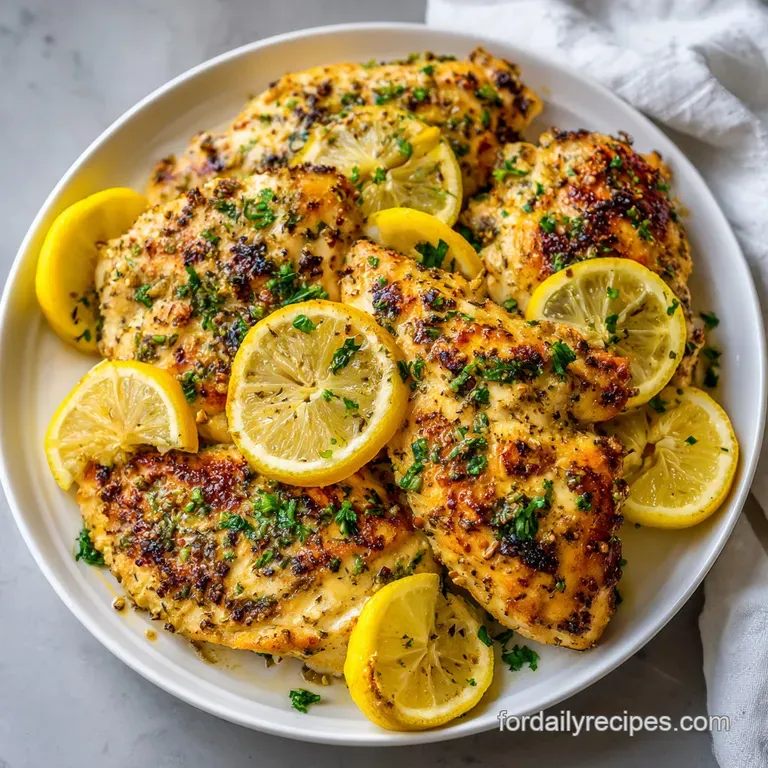
You don't need a professional kitchen, but a few specific tools will make this chicken recipe chicken easier. A heavy bottomed skillet, like a cast iron or high-quality stainless steel pan, is non negotiable for getting that golden crust we all crave.
I personally love using a 12 inch cast iron skillet because it holds heat so well. When you add the cold chicken, a thin pan will drop in temperature instantly, leading to steaming instead of searing.
You'll also want a sturdy set of tongs and a microplane if you want to add a little lemon zest at the end for an extra pop of brightness.
Right then, let's talk about the pasta pot. Make sure you use a large enough pot so the penne can swim freely. If the water is too crowded, the pasta releases too much starch at once and becomes gummy. We want that starch, but we want it controlled!
Steps to Golden Chicken Perfection
This is where the magic happens. We are going to move through four distinct phases to ensure the chicken is crispy and the pasta is perfectly coated.
- Prep the protein. Pat the 1.5 lb of chicken breasts completely dry with paper towels. Note: Surface moisture is the enemy of a good sear.
- Season thoroughly. Rub the salt, pepper, onion powder, and smoked paprika into both sides of the cutlets.
- Boil the pasta. Cook the 8 oz of whole wheat penne in salted water for 8-9 minutes until al dente with a slight bite. Reserve 1/2 cup of pasta water.
- Heat the pan. Add 2 tbsp of olive oil to the skillet over medium high heat until the oil shimmers and wisps of smoke appear.
- Sear the chicken. Place cutlets in the pan and cook for 4-5 minutes per side until deep golden brown and firm.
- Rest the meat. Remove chicken to a plate and tent with foil. Note: This prevents the juices from running out when you slice it.
- Sauté the aromatics. Lower heat to medium, add 1 tbsp butter and the 4 cloves of minced garlic. Cook for 1 minute until fragrant but not brown.
- Deglaze the skillet. Pour in 0.5 cup chicken bone broth and the lemon juice, scraping the brown bits (fond) from the bottom.
- Build the sauce. Add the cooked pasta and a splash of reserved pasta water. Toss for 2 minutes until the sauce looks glossy and thick.
- Combine and serve. Slice the chicken, lay it over the pasta, and garnish with the 0.25 cup of fresh parsley.
Stovetop vs. Oven Comparison
| Method | Time | Texture | Best For |
|---|---|---|---|
| Stovetop | 10 mins | Maximum crust, juicy center | Quick weeknight meals |
| Oven (Baked) | 20 mins | Even cooking, less mess | Large batch meal prep |
| Air Fryer | 12 mins | Ultra crispy edges | Small portions/individuals |
While the oven is great for hands off cooking, I truly believe the stovetop method is superior for this specific dish. The "sizzle" you get in the pan creates a flavor profile that the oven just can't replicate.
Solving Common Kitchen Mishaps
Even the best of us have bad days in the kitchen. If things aren't looking quite right, don't panic. Most chicken recipe mistakes are easily fixed with a little know how.
Why Your Chicken is Rubbery
This usually happens if the heat wasn't high enough or if the chicken was cooked straight from the fridge. Cold meat hits a hot pan and the fibers tighten up too quickly. Let your chicken sit on the counter for 10-15 minutes before you start.
| Problem | Cause | Fix |
|---|---|---|
| Sticking to pan | Pan not hot enough | Wait for the oil to shimmer before adding meat. |
| Bitter sauce | Burnt garlic | Wipe the pan and start the garlic over on lower heat. |
| Dry chicken | Overcooked | Use a meat thermometer to hit exactly 165°F (74°C). |
Why Your Garlic Turned Bitter
Garlic is delicate. If your pan is still screaming hot from the chicken, that minced garlic will turn black in seconds. Always lower your heat or even pull the pan off the burner for a moment before adding the garlic and butter.
- ✓ Pat chicken completely dry before searing (prevents steaming)
- ✓ Preheat pan for 3 full minutes before adding oil
- ✓ Don't overcrowd the pan - work in batches if needed
- ✓ Let meat rest 5 minutes before slicing to retain juices
- ✓ Save your pasta water - it is liquid gold for the sauce
Flavor Variations and Adaptations
If you want to change things up, this recipe chicken recipe is incredibly flexible. You can take it in a Mediterranean direction or make it dairy-free without losing that heart warming quality.
If you want a spicier kick, add 1/2 teaspoon of red pepper flakes when you sauté the garlic. If you want a creamier finish, stir in 2 tablespoons of heavy cream or greek yogurt at the very end of the sauce making process.
For those following a low carb lifestyle, swap the penne for zucchini noodles or spaghetti squash just remember that these don't need to be boiled; just toss them in the hot sauce for 60 seconds.
- Mediterranean Style: Add 1/4 cup of kalamata olives and some crumbled feta at the end.
- Veggie Boost: Toss in two cups of fresh baby spinach during the final two minutes of simmering the sauce.
- dairy-free: Use a high-quality vegan butter or just extra olive oil instead of the butter.
Keeping Leftovers Fresh and Tasty
Storage is key if you’re using this for meal prep. This dish stays fresh in the fridge for up to 4 days, but how you reheat it makes all the difference.
- Storage
- Keep the chicken and pasta in an airtight container. If possible, store the sliced chicken on top of the pasta so it doesn't get soggy.
- Freezing
- This recipe freezes reasonably well for up to 3 months. However, whole wheat pasta can get a bit soft after thawing. I recommend undercooking the pasta by 2 minutes if you know you’re going to freeze it.
- Zero Waste
- Don't throw away those lemon rinds! You can use them to clean your garbage disposal or zest them into a small jar of salt to make your own citrus finishing salt for future meals.
When reheating, add a teaspoon of water or a little extra broth before microwaving or heating on the stove. This brings the "velvety" texture of the sauce back to life and prevents the chicken from drying out.
Plating for a Visual Feast
We eat with our eyes first, especially with a dish that has so much heritage behind it. To make this look as good as it tastes, I like to use a wide, shallow bowl rather than a flat plate.
Twirl the penne into the center of the bowl, ensuring some of the garlic and parsley are visible. Fan the sliced chicken across the top in a single layer. This shows off that golden crust we worked so hard on. A final dusting of fresh parsley and maybe a crack of black pepper adds that "Instagram ready" touch.
For a side, a simple arugula salad with a light vinaigrette pairs perfectly. The peppery greens complement the lemon garlic sauce without competing for attention. It's a meal that feels complete, balanced, and deeply satisfying.
Trust me, once you master this technique, it will become the "recipe chicken" your friends always ask you to make.
Dispelling Common Kitchen Tales
One myth I hear a lot is that you should rinse your pasta after cooking to stop it from sticking. Please, don't do this! Rinsing washes away the starch that we need to make our sauce stick to the penne. Just toss it directly from the pot into the pan.
Another misconception is that you need to marinate chicken for hours to get flavor. While marinades are great, a well balanced dry rub and a proper deglazing technique provide just as much if not more impact in a fraction of the time.
The flavor is in the crust and the sauce, not just deep inside the meat.
| If you want... | Do this... |
|---|---|
| Extra Crispy Skin | Dust the chicken lightly in flour before searing. |
| More Tang | Add 1 tsp of capers to the garlic and butter. |
| Richer Sauce | Whisk in a cold cube of butter at the very end (monter au beurre). |
Recipe FAQs
Which chicken recipe is most tasty?
The one that balances high heat sear with a bright acidic sauce. True flavor comes from creating textural contrast between a crisp exterior and a juicy interior.
What is the secret ingredient to the most flavorful baked chicken ever?
It's not one ingredient; it's temperature management and resting. Baking needs high heat initially to set a crust, followed by a mandatory 10-minute rest so juices redistribute before slicing.
What to add to chicken to give it flavor?
Use a well balanced dry rub featuring smoked paprika and garlic powder. The sear on the pan creates a Maillard reaction crust that carries the seasoning deeper than simple marinating sometimes achieves.
What's the best way to cook chicken breasts so they don't dry out?
Cook them quickly in batches on the stovetop until they hit exactly 165°F (74°C) and then rest them. If you prefer oven cooking for consistency, check out the Chicken Breast Recipe which focuses on precise internal temperature control.
Is it true that patting chicken dry before searing is unnecessary?
No, this is a common misconception. Surface moisture steams the meat instead of searing it, preventing the Maillard reaction that creates that essential savory crust.
Can I make a flavorful chicken dish without marinating overnight?
Yes, a strong technique can often beat a long marinade. A fast sear followed by deglazing the pan with bone broth and lemon juice builds massive flavor quickly, similar to the technique used in the Chicken and Rice recipe recipe.
Should I sear chicken and then finish it in the oven for the juiciest result?
Yes, this hybrid approach works well for thicker cuts. Sear hard on the stovetop for crust, then transfer the pan to a moderate oven (375°F) to allow the center to come up to temperature evenly without burning the exterior.
Citrus Garlic Chicken Dinner
Ingredients:
Instructions:
Nutrition Facts:
| Calories | 504 kcal |
|---|---|
| Protein | 48.2 g |
| Fat | 14.1 g |
| Carbs | 42.3 g |
| Fiber | 4.8 g |
| Sugar | 1.8 g |
| Sodium | 615 mg |
