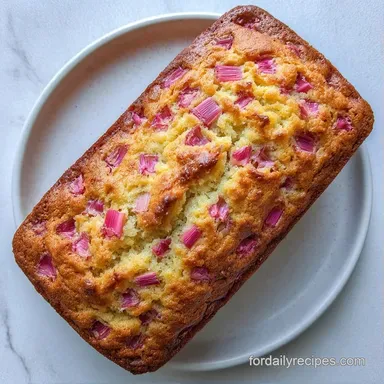
Moist Rhubarb Loaf Cake: Tart and Velvety
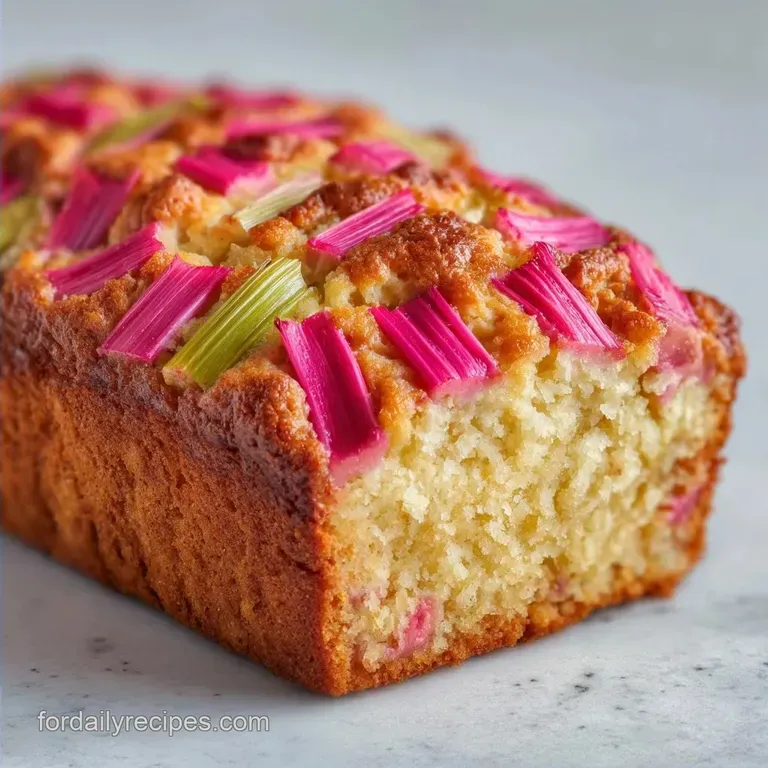
- Time: 20 min active + 60 min bake
- Flavor/Texture Hook: Tart, jammy rhubarb pockets in a velvety, buttery sponge
- Perfect for: Afternoon tea, spring brunch, or a cozy weekend treat
- Best Moist Rhubarb Loaf Cake
- The Secrets Behind the Texture
- Component Analysis
- Shopping List Breakdown
- Tools for the Job
- Step by Step Baking
- Solving Common Baking Issues
- Troubleshooting Common Issues
- Twists and Substitutions
- Baking Beliefs and Truths
- Saving and Warming Leftovers
- Serving and Pairing Ideas
- Recipe FAQs
- 📝 Recipe Card
The scent hits you first that sharp, tangy zing of rhubarb cutting through the warm, buttery cloud of vanilla. It's a smell that feels like a window opening on the first warm day of April. I remember the first time I tried to bake a rhubarb loaf without using a thickener.
The fruit just leaked everywhere, turning the center into a soggy, pink mess that looked more like a pudding than a cake.
I spent a few seasons tinkering with the moisture levels. I found that the trick isn't just about the fruit, but about the fat in the batter. Switching from milk to full fat sour cream changed everything. It gives the sponge a weight and a richness that balances the acidity of the stalks.
Now, this Moist Rhubarb Loaf Cake is a staple in my kitchen. It's a time honored kind of bake that feels like heritage, but the cornstarch trick keeps it from being a disaster. You'll get a slice that's sturdy enough to hold and soft enough to melt on your tongue.
Best Moist Rhubarb Loaf Cake
The beauty of this bake is how it handles the contrast. Rhubarb is aggressive. It's tart and watery, and if you don't treat it right, it'll fight the flour. By tossing the pieces in a bit of sugar and cornstarch, we create a barrier.
This keeps the fruit jammy and concentrated instead of letting it bleed into the batter.
When you pull this out of the oven, the top should be a deep golden brown with little ruby red jewels of fruit peeking through. The aroma is heavy on the vanilla and toasted butter. It's the kind of cake that makes the whole house feel welcoming.
If you're looking for something with a bit more crunch, you might enjoy my homemade walnut rhubarb bread, but for pure, velvety softness, this loaf is the winner. It doesn't try to be a bread; it's a proper, indulgent cake.
The Secrets Behind the Texture
Understanding why a cake stays moist isn't about magic, it's about how the ingredients interact. Most people think more butter equals more moisture, but that's not always true. Too much fat can actually make a cake feel greasy rather than moist.
Acidic Tenderizing: The lactic acid in sour cream breaks down long gluten strands in the flour. This creates a tighter, more velvety crumb that doesn't feel "bready."
Starch Gelatinization: Cornstarch absorbs the excess water that rhubarb releases as it heats up. This prevents the dreaded "soggy bottom" and keeps the fruit pieces intact.
Air Incorporation: Creaming butter and sugar creates tiny air pockets. These pockets expand in the oven, giving the loaf its lift without needing an excessive amount of baking powder.
Fat Stability: Using room temperature eggs prevents the emulsion from breaking. When cold eggs hit warm butter, the batter can curdle, leading to a dense, uneven bake.
| Method | Time | Texture | Best For |
|---|---|---|---|
| Fresh Rhubarb | 80 mins | Jammy & Bright | Maximum flavor and color |
| Frozen Rhubarb | 90 mins | Softer & Moister | Winter baking (needs longer) |
| Canned Rhubarb | 70 mins | Very Soft/Sweet | Quick prep, less tartness |
Component Analysis
The ingredients here aren't just for flavor. They are structural. If you change one, you change the whole feel of the loaf.
| Ingredient | Science Role | Pro Secret |
|---|---|---|
| Sour Cream | Fat & Acid | Use full fat; low-fat makes the cake dry |
| Cornstarch | Moisture Barrier | Tosses the fruit to stop bleeding |
| Baking Soda | pH Balancer | Reacts with sour cream for extra lift |
| All Purpose Flour | Structural Frame | Sift it to avoid heavy clumps |
Shopping List Breakdown
When picking your rhubarb, look for stalks that are firm and bright red. Avoid any that feel limp or have brown spots. For the butter, make sure it's truly softened you should be able to leave a fingerprint in it without it resisting.
- 2 cups (300g) fresh rhubarb, diced into ½-inch pieces Why this? Smaller pieces distribute better and don't sink
- 1 tbsp (8g) cornstarch Why this? Prevents the fruit from making the cake soggy
- 1 tbsp (12g) granulated sugar (for the rhubarb)
- 1 ½ cups (190g) all purpose flour Why this? Standard protein level for a balanced crumb
- 1 tsp (5g) baking powder
- ½ tsp (3g) baking soda Why this? Works with the sour cream to help it rise
- ¼ tsp (1.5g) salt
- ½ cup (113g) unsalted butter, softened Why this? Provides the classic buttery flavor and air
- ¾ cup (150g) granulated sugar
- 2 large eggs, room temperature Why this? Ensures the batter doesn't split
- ½ cup (120g) full fat sour cream Why this? The secret to the velvety, moist texture
- 1 tsp (5ml) vanilla extract
If you don't have sour cream, full fat Greek yogurt is a great substitute. It has a similar acidity and fat content, though it might make the cake slightly tangier. For the butter, you could use margarine, but you'll lose that rich, time honored taste.
Tools for the Job
You don't need a professional kitchen for this, but a few specific tools make the process smoother. A 9x5 inch loaf pan is standard here. If you use a larger pan, the cake will be thinner and bake faster, which might dry it out.
I highly recommend a silicone spatula for the final folding step. You want to be gentle. If you stir too hard, you'll pop all those precious air bubbles we created during the creaming process, and the cake will come out heavy.
A digital scale is also a plus. Measuring flour by the cup can be risky because you can easily pack too much in, leading to a dry loaf. 190g of flour is exactly what you need for this Moist Rhubarb Loaf Cake to stay tender.
Step by step Baking
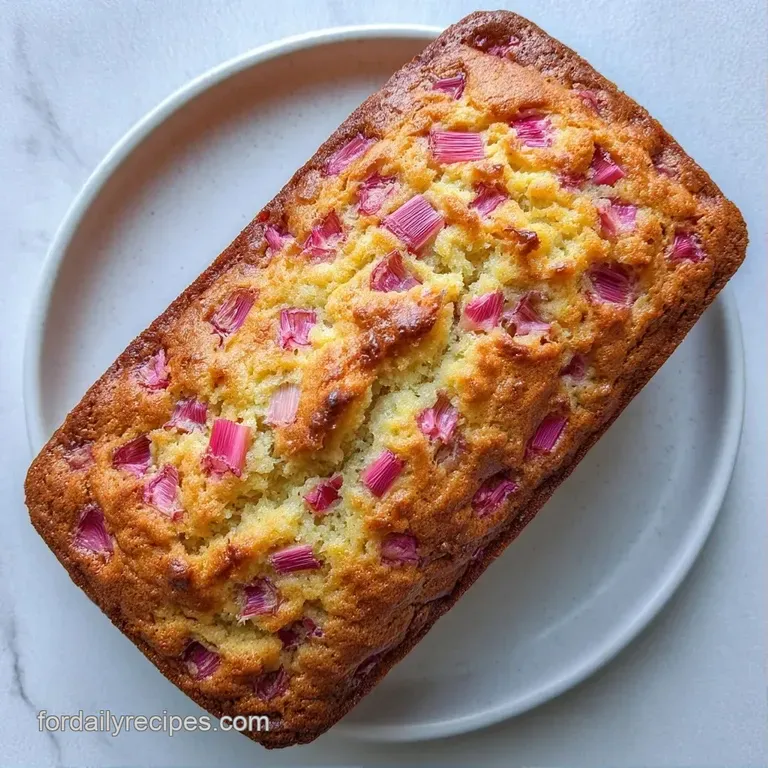
Right then, let's get into the actual process. Pay attention to the smells and textures as you go.
- Preheat the oven to 350°F (175°C) and grease a 9x5 inch loaf pan. Note: Use butter or parchment paper to prevent sticking.
- In a small bowl, toss the diced rhubarb with cornstarch and 1 tablespoon of granulated sugar. Set this aside. Note: This allows the cornstarch to hydrate and coat the fruit.
- Cream together the softened butter and 150g granulated sugar. Beat them until the mixture is pale and fluffy. You should smell the sweetness of the sugar mixing with the creaminess of the butter.
- Beat in the eggs one at a time, then stir in the vanilla extract. Note: Ensure each egg is fully incorporated before adding the next.
- In a separate bowl, whisk together the all purpose flour, baking powder, baking soda, and salt.
- Alternate adding the dry ingredients and the sour cream into the butter mixture. Stir until just combined. Don't overwork it, or the cake will be tough.
- Gently fold the coated rhubarb into the batter using a spatula. Be careful not to overmix; you just want the red pieces distributed.
- Pour the batter into the prepared loaf pan and bake for 55 to 60 minutes. Bake until a skewer inserted into the center comes out with a few moist crumbs.
Chef's Note: If you see the top browning too quickly around the 40 minute mark, loosely tent a piece of aluminum foil over the pan. This protects the top while the center finishes cooking.
Solving Common Baking Issues
Baking is a science, and sometimes things go sideways. Usually, it's a simple fix. If your cake feels too wet, it's often because the rhubarb was particularly juicy or the oven temperature was slightly off.
Troubleshooting Common Issues
| Issue | Solution |
|---|---|
| Why Your Cake Is Too Wet | This usually happens if the rhubarb wasn't coated enough in cornstarch or if the cake was pulled out too early. The center should feel springy, not like a sponge holding water. |
| Why the Top Cracked | A deep crack down the middle is actually quite common for loaf cakes. It usually means the edges set before the middle finished rising. It looks rustic and doesn't affect the taste. |
| Why the Fruit Sank | If your rhubarb pieces are at the bottom, your batter was likely too thin, or you stirred the fruit in too vigorously. Folding gently is key. |
Common Mistakes Checklist
- ✓ Did you use room temperature eggs to avoid curdling?
- ✓ Did you toss the rhubarb in cornstarch first?
- ✓ Did you stop mixing as soon as the flour disappeared?
- ✓ Did you check the center with a skewer for moist crumbs?
- ✓ Did you let the cake cool in the pan for 10 mins?
Twists and Substitutions
Depending on what you have in the pantry, you can tweak this recipe. If you want a more complex flavor, try adding a pinch of ground cinnamon or nutmeg to the flour mixture. It brings out the warmth of the vanilla.
For those who prefer a different kind of fruit forward bake, my classic rhubarb nut bread is a fantastic alternative. It uses a similar sour cream base but adds a crunch that complements the tartness of the stalks.
If you want to make this a bit "healthier," you can replace half of the granulated sugar with coconut sugar. It'll give the loaf a deeper, caramel like color and a slightly different flavor profile, though it may be a tiny bit denser.
Adjustment Guide
Scaling Down (½ Batch) Use a 4x8 inch loaf pan or 6-8 muffins tins. Reduce the bake time by about 20%. For the egg, beat one egg in a small bowl and use half of it (about 2 tablespoons).
Scaling Up (2x Batch) Do not bake this as one giant loaf. Divide the batter into two 9x5 inch pans. Lower the oven temperature to 325°F (160°C) and extend the bake time by 10-15 minutes to ensure the centers cook through without burning the outsides.
Decision Shortcut
- If you want more tang: Increase sour cream by 2 tbsp and add a pinch of lemon zest.
- If you want a sweeter cake: Add a simple glaze of powdered sugar and milk after cooling.
- If you want more texture: Fold in ½ cup of chopped pecans with the rhubarb.
Baking Beliefs and Truths
There are a few things people get wrong about rhubarb. For one, some believe you can just use frozen rhubarb without changing anything. While you can, frozen fruit releases more water. You should thaw and pat it dry first, or add an extra teaspoon of cornstarch.
Another myth is that you can reduce the sugar significantly without affecting the rise. Sugar isn't just for sweetness; it helps tenderize the crumb and keeps the cake moist. If you cut it by more than 25%, the cake will likely be dry and won't rise as well.
Finally, some people think you must peel the rhubarb. You don't. Unless the stalks are incredibly thick and woody, the skin is perfectly fine and holds the most color.
Saving and Warming Leftovers
This Moist Rhubarb Loaf Cake actually tastes better the second day. The moisture from the fruit settles into the crumb, making it even more velvety.
Fridge Storage Wrap the loaf tightly in plastic wrap or store it in an airtight container. It'll stay fresh for about 4-5 days. Always keep it sealed to prevent the fridge from drying out the sponge.
Freezer Guide This cake freezes beautifully. Slice the loaf first, then wrap each slice in parchment paper and place them in a freezer bag. They'll keep for up to 3 months. To eat, just pop a slice in the toaster or microwave for 20 seconds.
Zero Waste Tips Don't throw away the rhubarb ends! If you have leftover scraps, simmer them with a bit of sugar and water to make a quick rhubarb syrup. This syrup is amazing over pancakes or stirred into plain yogurt.
Also, remember that rhubarb leaves are toxic, so toss those in the compost immediately.
Serving and Pairing Ideas
Since this cake is quite tart and buttery, it pairs well with things that add a creamy or crisp element. A dollop of unsalted whipped cream or a smear of softened butter is the classic way to go.
If you're serving this for brunch, pair it with a strong cup of black coffee or a tart Earl Grey tea. The tannins in the tea cut through the richness of the butter and sour cream. For a more decadent treat, a drizzle of honey over a warm slice is a game winning move.
If you're in the mood for something different but still love that tart kick, you might try my chewy snickerdoodle cookies, which offer a cinnamon sugar contrast to the fruity nature of the loaf. Whether you serve it plain or dressed up, the star is always that bright, springy rhubarb.
Recipe FAQs
What are the common mistakes when making rhubarb cake?
Overmixing the batter or under coating the fruit. Overmixing develops too much gluten and makes the cake tough, while skipping cornstarch leads to a soggy, wet center.
Do I need to cook rhubarb before putting it in a cake?
No, use it fresh. Tossing raw diced rhubarb in cornstarch and sugar prevents the fruit from releasing too much moisture into the batter during baking.
How long to bake rhubarb loaf?
Bake for 55 to 60 minutes at 350°F (175°C). Ensure a skewer inserted into the center comes out with only a few moist crumbs before removing from the oven.
Does rhubarb cake need to be refrigerated overnight?
No, room temperature is fine. Store the loaf in an airtight container; refrigeration is only necessary in extremely humid environments to prevent spoilage.
What sweet flavours pair well with rhubarb?
Vanilla and granulated sugar are the best matches. If you love this sweet tart balance, you can apply the same flavor logic to our cinnamon sugar rhubarb bread.
What makes rhubarb taste sweet in this cake?
The combination of granulated sugar and vanilla extract. These ingredients counteract the natural acidity of the rhubarb to create a balanced flavor profile.
What can I make with rhubarb besides pie?
Try a moist loaf cake or a crumble. These options highlight the fruit's tartness without requiring the complex crust work of a traditional pie.
Moist Rhubarb Loaf Cake