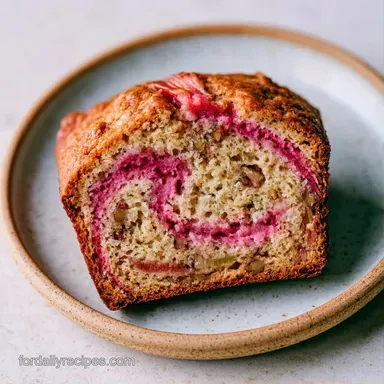
Classic Rhubarb Nut Bread: Velvety and Rich
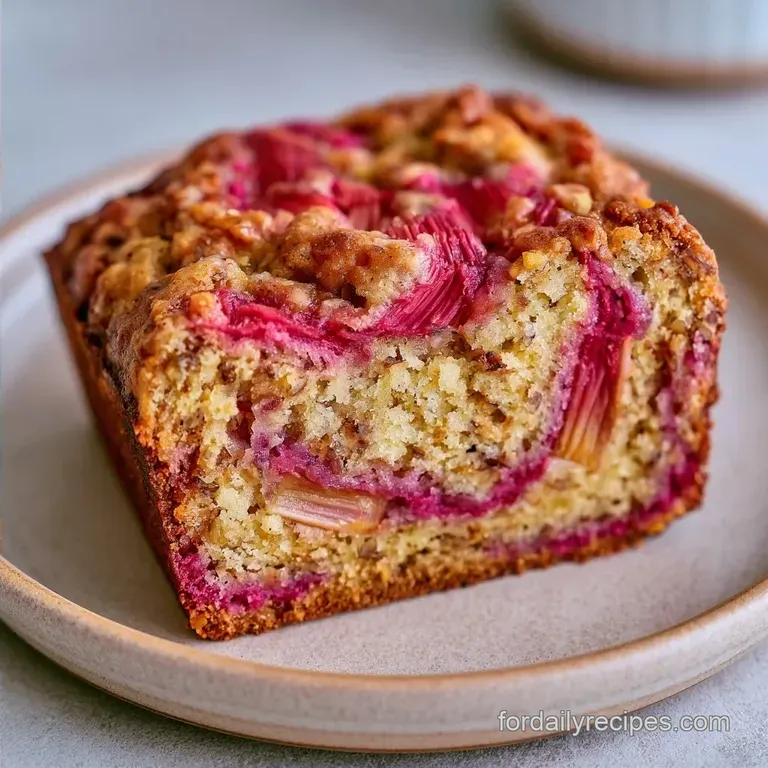
- Time:15 minutes active + 60 minutes baking = Total 75 minutes
- Flavor/Texture Hook: Velvety crumb with a shatter crisp cinnamon topping
- Perfect for: Heritage brunch spreads or a cozy weekend treat
The smell of cinnamon and toasted walnuts hitting the oven air is something you just can't beat. I remember the first time I tried a rhubarb bread, and it was a complete disaster. I had used too much fruit and not enough structure, so the middle just collapsed into a pink, soggy puddle.
It looked more like a fruit compote that had accidentally found its way into a loaf pan than actual bread. It was a frustrating mess, but it taught me exactly what this dish needs to actually work.
The secret is all in the moisture control and the fat content. You can't just toss in rhubarb and hope for the best because those stalks are basically water bombs. If you don't have a sturdy enough batter to hold them up, they'll sink to the bottom and leave you with a rubbery base.
This version fixes that by using a specific ratio of sour cream and flour that keeps the loaf airy but strong.
You're going to get a slice that feels velvety on the tongue but has these wonderful, tart pops of rhubarb throughout. The streusel on top provides that essential contrast, giving you a sugary crunch that breaks up the richness. It's the kind of bake that makes your whole house smell like a country cottage in May.
Trust me on this, once you get the texture right, you'll never go back to those bland, store-bought quick breads.
Classic Rhubarb Nut Bread
Right then, let's get into the nitty gritty of why this specific version of Classic Rhubarb Nut Bread stands above the rest. Most people make the mistake of overmixing their batter, which develops too much gluten and makes the bread tough. We're going for a tender, cake like consistency here.
By keeping the mixing process minimal, we ensure the crumb stays soft and light.
Another common pitfall is the rhubarb itself. If you cut the pieces too large, they create massive pockets of steam that can cause the bread to cave in. I've found that a half inch dice is the sweet spot. It's small enough to be distributed evenly but large enough to keep its identity.
When these little pieces hit the heat, they burst and release their juices into the surrounding batter, creating those beautiful pink swirls.
Then there's the nut element. Walnuts are the traditional choice, but the real trick is toasting them first. Raw walnuts can sometimes taste a bit "green" or bitter, but a quick toast in the oven brings out a deep, earthy richness.
This mirrors the heritage feel of the dish, reminding me of the bakes my grandmother used to make. It's all about building layers of flavor, from the sharp fruit to the toasted nuts and the spiced sugar on top.
Why This Works
I've always been curious about what actually happens inside the loaf, so I did some digging into the mechanics of the batter. It's not about complex science, just a few simple interactions that make a huge difference in the final slice.
- Acidic Lift: The sour cream reacts with the baking soda to create tiny carbon dioxide bubbles, which gives the bread its airy lift.
- Fat Barrier: The melted butter coats the flour proteins, which stops too much gluten from forming and keeps the texture velvety.
- Fruit Suspension: The thick consistency of the sour cream batter acts like a net, holding the heavy rhubarb pieces in place so they don't sink.
- Sugar Caramelization: The brown sugar in the streusel melts and binds with the butter, creating a crisp shell that protects the moist interior.
Before you start, it's helpful to understand how this approach differs from a "fast" version of the recipe. A quick mix usually skips the sour cream or the toasted nut step, which changes the whole experience.
| Feature | Fast Mix Method | Classic Build Method | Best For |
|---|---|---|---|
| Mix Time | 5 minutes | 15 minutes | Quality vs Speed |
| Texture | Denser, more cakey | Velvety, tender crumb | Texture preference |
| Topping | Simple sugar dust | Rubbed in butter streusel | Crunch factor |
| Fruit | Raw, large chunks | Diced, evenly folded | Even distribution |
The difference is really in the mouthfeel. The classic method takes a few extra minutes but results in a loaf that doesn't feel like a sponge. It feels like a proper heritage bake.
Your Ingredient List
When you're putting together your Classic Rhubarb Nut Bread, the quality of your ingredients really shows. I always suggest using full fat sour cream. low-fat versions have more water, which can throw off the hydration of your batter and lead to that dreaded sogginess.
For the Batter
- 2 cups (250g) all purpose flour Why this? Standard protein level for a balanced crumb
- 1 cup (200g) granulated sugar Why this? Provides sweetness and helps with browning
- 1 tsp (5g) baking soda Why this? Essential for the lift when paired with sour cream
- 1/2 tsp (3g) salt Why this? Balances the sweetness and enhances the nuttiness
- 1 cup (225g) sour cream Why this? Adds richness and the necessary acid for rise
- 2 large eggs Why this? Binds everything together and adds structure
- 1/2 cup (115g) unsalted butter, melted and cooled Why this? Creates a tender, melt in-your mouth texture
- 1 tsp (5ml) vanilla extract Why this? Adds a warm, aromatic base note
- 2 cups (300g) fresh rhubarb, diced into 1/2 inch pieces Why this? Provides the signature tartness and color
- 3/4 cup (100g) toasted walnuts, chopped Why this? Adds a crunchy, earthy contrast
For the Streusel Topping
- 1/2 cup (65g) all purpose flour Why this? Gives the topping body
- 1/2 cup (100g) brown sugar, packed Why this? Adds a deep, molasses like sweetness
- 1 tsp (2g) ground cinnamon Why this? Classic pairing for both rhubarb and walnuts
- 3 tbsp (42g) unsalted butter, chilled and cubed Why this? Creates the sandy, crumbly texture
If you're missing something, don't panic. Most of these can be swapped without ruining the batch.
| Original Ingredient | Substitute | Why It Works |
|---|---|---|
| Sour Cream (1 cup) | Greek Yogurt (full fat) | Similar tang and fat. Note: Slightly thinner crumb than sour cream |
| Walnuts (3/4 cup) | Pecans (3/4 cup) | Similar crunch and fat. Note: Sweeter, more buttery flavor profile |
| Rhubarb (2 cups) | Granny Smith Apples | Similar acidity. Note: Less moisture release; bread will be denser |
| All Purpose Flour | White Whole Wheat | Adds nuttiness. Note: Use 10% more liquid to avoid dryness |
It's always a good idea to have these swaps ready, but for the most authentic experience, stick to the original list.
Necessary Baking Tools
You don't need a professional kitchen to make this, but a few specific tools make the process much smoother. I personally use a standard stand mixer such as KitchenAid for the wet ingredients, but a whisk and a bowl work just as well.
First, you'll need two 8.5 x 4.5 inch loaf pans. Using two smaller pans instead of one large one ensures the heat penetrates the center of the bread more efficiently. If you use one giant pan, you often end up with burnt edges and a raw, gooey middle.
A silicone spatula is non negotiable here. When it comes time to fold in the rhubarb and walnuts, you want to be as gentle as possible. A whisk is too aggressive and will overwork the gluten, while a spoon might not get all the flour from the bottom of the bowl.
Finally, a wire cooling rack is essential. If you leave the bread in the pan for too long, the steam gets trapped at the bottom, and you'll lose that beautiful crust. Letting it breathe on a rack keeps the sides from getting mushy.
The Baking Process
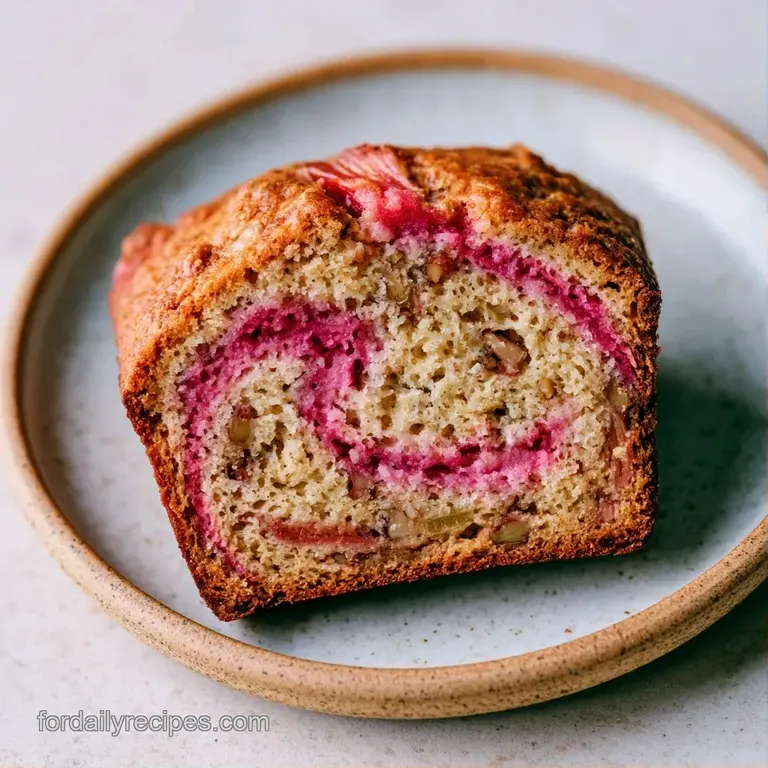
Let's crack on with the actual making of the Classic Rhubarb Nut Bread. I like to break this down into phases so you don't feel rushed. The key is to have all your ingredients at room temperature, except for the butter in the streusel.
Phase 1: Prep and Texture Setup
Preheat your oven to 350°F (175°C). This is the standard setting for quick breads, providing enough heat to set the structure without scorching the sugar. Grease and flour your two loaf pans thoroughly.
I usually use a bit of butter and a dusting of flour, tapping out the excess.
In a small bowl, combine the 65g all purpose flour, 100g brown sugar, and 2g cinnamon. Take your 42g of chilled, cubed butter and use your fingertips to rub it into the flour. Keep going until the mixture resembles coarse sand.
This is the "rubbing in" method, and it's what creates that shatter crisp topping rather than a flat glaze.
Phase 2: The One Bowl Blend
In a large mixing bowl, whisk together 250g all purpose flour, 200g granulated sugar, 5g baking soda, and 3g salt. Make sure there are no large clumps of soda, as these can leave bitter spots in your bread.
In a separate small bowl, whisk together 115g melted butter, 225g sour cream, 2 eggs, and 5ml vanilla extract. Whisk until the mixture is smooth and velvety. If you're used to making Homemade Pizza Dough, you'll notice the difference in technique here. We aren't kneading or developing structure; we're just emulsifying fats and liquids.
Phase 3: Folding and Baking
Gently fold the wet ingredients into the dry ingredients using your spatula. Stop the moment you don't see any more streaks of flour. Overmixing is the enemy of the tender crumb.
Now, fold in the 300g diced rhubarb and 100g chopped walnuts. Do this slowly so you don't crush the fruit pieces. Divide the batter evenly between your two pans. Sprinkle that cinnamon streusel generously across the top, pressing it down just a tiny bit so it sticks.
Bake for 55–65 minutes. You're looking for the top to be deep golden brown. Insert a toothpick into the center; it should come out clean or with a few moist crumbs, but no raw batter. Let the loaves cool in the pans for 10 minutes before transferring them to a wire rack.
Pro Tips and Pitfalls
Even with a solid recipe, things can go sideways. I've spent enough time in the kitchen to know that the smallest detail can change the outcome of your Classic Rhubarb Nut Bread.
One unconventional trick I've learned is to freeze the butter for the streusel for about 10 minutes before cubing it. When the butter is ice cold, it doesn't melt as quickly into the flour, which ensures you get those distinct, crunchy clumps of topping instead of a uniform paste.
Another tip: toast your walnuts in a dry pan over medium heat for about 3-5 minutes. Listen for the sizzle and smell for that nutty aroma. This step removes the raw taste and adds a layer of complexity that makes the bread taste like it came from a professional bakery.
Why Your Bread Sinks in the Middle
This is the most common complaint. Usually, it's because the batter was overmixed, causing the air bubbles to collapse, or the rhubarb was too wet. Make sure you dice the rhubarb and pat it dry with a paper towel before folding it in.
| Problem | Root Cause | Solution |
|---|---|---|
| Sinking Center | Overmixing batter | Fold by hand, stop when flour disappears |
| Gummy Bottom | Rhubarb too wet | Pat diced fruit dry with paper towels |
| Burnt Top | Oven temp too high | Tent with foil after 40 minutes |
Why Your Crust is Too Hard
If the crust feels more like a rock than a bread, you might have left it in the oven too long. Quick breads can go from "done" to "overbaked" in just five minutes. Use a timer and start checking at the 55 minute mark.
Common Mistakes Checklist
- ✓ Did you use full fat sour cream? (low fat = soggy bread)
- ✓ Did you fold gently? (Aggressive mixing = tough bread)
- ✓ Is the butter for the topping chilled? (Warm butter = no crunch)
- ✓ Did you preheat the oven fully? (Cold start = poor rise)
- ✓ Did you toast the walnuts? (Raw nuts = bland flavor)
Fun Flavor Twists
Once you've mastered the Classic Rhubarb Nut Bread, you can start playing with the flavor profile. This recipe is a great canvas for other seasonal ingredients.
If you want a "Zesty" version, add the zest of one medium lemon to the sugar mixture. The citrus brightness cuts through the richness of the sour cream and makes the rhubarb pop even more. It's a fantastic way to freshen up the bake for a spring brunch.
For those who love a deeper flavor, try substituting the walnuts with toasted pecans and adding a pinch of ground nutmeg to the batter. The pecans provide a sweeter, more buttery taste that pairs beautifully with the tartness of the rhubarb.
If you're looking for a different kind of accompaniment for your breakfast spread, these loaves pair brilliantly with some Texas Roadhouse Rolls and a big bowl of fresh berries. The contrast between the savory rolls and the sweet, tart bread creates a really satisfying variety on the table.
Storage and Leftovers
Quick breads actually tend to taste better the next day because the flavors have more time to meld and the moisture redistributes. For the best results with your Classic Rhubarb Nut Bread, store it properly.
Wrap the cooled loaves tightly in plastic wrap or store them in an airtight container. They'll stay fresh on the counter for about 2-3 days. If you live in a very humid area, I recommend putting them in the fridge after the first day to prevent the rhubarb from drawing too much moisture into the crumb.
For long term storage, this bread freezes beautifully. Slice the loaf first, then place parchment paper between each slice before freezing in a heavy duty freezer bag. This way, you can pull out a single slice whenever you have a craving without thawing the whole loaf. They'll stay great for up to 3 months.
To reheat, just pop a frozen slice in the toaster or a 300°F (150°C) oven for a few minutes. This brings back that shatter crisp topping and makes the butter in the crumb feel velvety again.
As for zero waste, if you have leftover rhubarb stalks that are too woody for the bread, don't toss them. Simmer them with a bit of sugar and water to make a quick rhubarb syrup for pancakes or yogurt. It's a great way to use every bit of the harvest.
Beautiful Plating Ideas
Since this is a heritage style dish, the presentation should feel cozy and inviting. I love serving Classic Rhubarb Nut Bread on a wooden board or a ceramic platter to lean into that rustic aesthetic.
Cut the slices thick about an inch. This allows the layers of the velvety crumb and the pink rhubarb pockets to be fully visible. If you want to be a bit fancy, lightly toast the slice and top it with a dollop of salted butter or a smear of cream cheese.
The saltiness of the butter creates a wonderful tension with the tart fruit.
For a real treat, serve a warm slice with a drizzle of honey or a side of fresh whipped cream. The cool cream against the warm, spiced bread is a sensation that never gets old.
If you're serving this at a brunch, place the loaf on a platter surrounded by fresh mint leaves and a few raw rhubarb stalks for a visual cue of the ingredients inside. It makes the dish look intentional and professional without requiring any actual "chef" skills.
It's all about the simple, honest beauty of the ingredients.
Recipe FAQs
What sweet flavors pair well with rhubarb?
Walnuts, cinnamon, and vanilla. These warm notes balance the tartness of the rhubarb, similar to how we balance flavors in our homemade granola bars.
Can I use low-fat sour cream in this recipe?
No, stick with full fat. low-fat versions contain more water, which leads to a soggy bread crumb.
How to prevent the streusel topping from melting into the bread?
Keep the butter for the topping chilled and cubed. Rubbing chilled butter into the flour and sugar ensures the topping stays crumbly and crunchy.
Why is my rhubarb nut bread coming out tough?
You likely overmixed the batter. Fold the wet and dry ingredients gently until just combined to keep the texture tender.
How to store this bread for maximum freshness?
Wrap cooled loaves tightly in plastic wrap. Store them in an airtight container on the counter for 2-3 days, or refrigerate in humid climates.
Can I use frozen rhubarb instead of fresh?
No, fresh is best here. Frozen rhubarb releases excess moisture during baking, which can make the loaf collapse or become too wet.
What can I do with leftover slices of this bread?
Turn them into a tart bread pudding. The dense crumb and nuttiness make this an excellent base for a baked custard dessert.
Classic Rhubarb Nut Bread