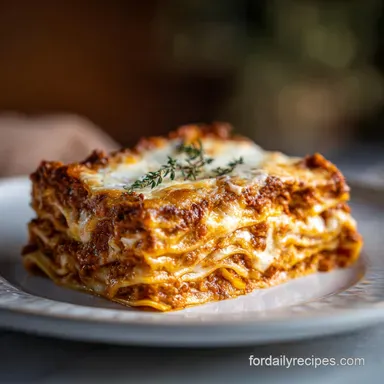
Crockpot Lasagna: Hearty and Gooey
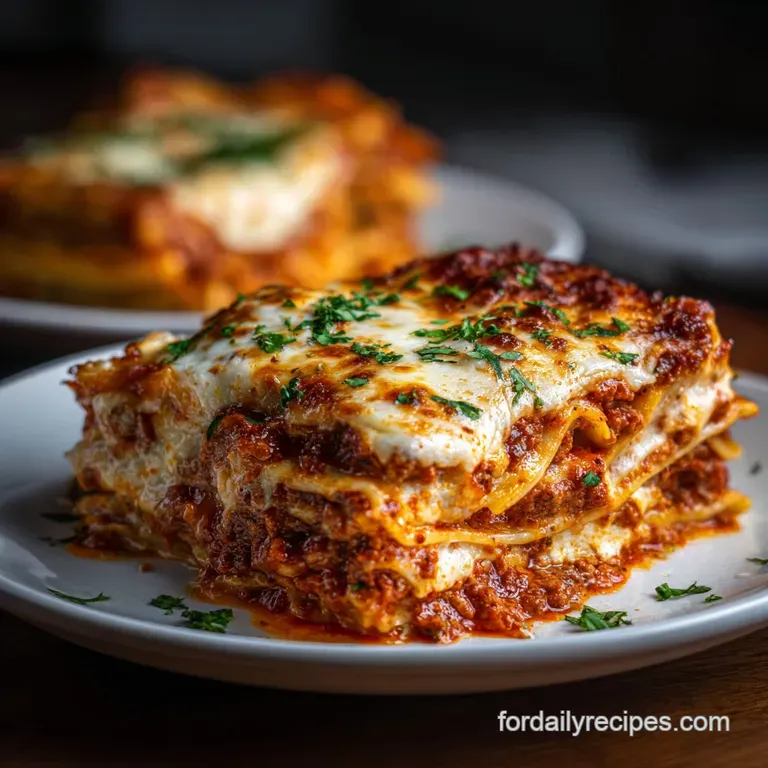
- Time:30 minutes active + 4 hours cooking = Total 5 hours
- Flavor/Texture Hook: Velvety ricotta layers with gooey, melted mozzarella
- Perfect for: Hectic weeknights or low stress Sunday meal prep
Easy Comfort With Crockpot Lasagna
The scent of garlic hitting hot oil is always the best part of my Sunday. I remember one Tuesday a few years back when I had three work deadlines and a kid with a soccer game, and the thought of boiling huge pots of water for lasagna noodles felt like a mountain I couldn't climb.
I decided to throw everything in the slow cooker, praying the noodles wouldn't turn into mush or stay hard as rocks.
When I lifted that lid four hours later, the aroma of oregano and melted cheese hit me like a warm hug. It wasn't just "done," it was a velvety, bubbling mass of comfort that actually tasted better than the versions I spent hours layering in the oven.
It's the ultimate "set it and forget it" win for anyone who loves pasta but hates the cleanup.
You can expect a dish that's rich and hearty, with layers that hold together surprisingly well. We've stripped away the tedious parts, focusing on a budget smart approach that doesn't sacrifice that classic Italian American vibe. Let's crack on and get this into your pot.
The Secret to Gooey Layers
I used to wonder how the noodles actually cook without a pot of boiling water. It's actually pretty simple once you see it in action.
Moisture Migration: The noodles absorb the water and liquid from the marinara sauce as they heat up. Since the pot is sealed, the steam stays trapped, softening the pasta evenly.
Fat Integration: Searing the beef first creates a base of flavor that carries through the whole dish. The fat from the beef blends with the ricotta, making the texture silky rather than grainy.
The Set Point: Letting the dish rest after cooking allows the proteins in the cheese and the starches in the pasta to firm up. This is what prevents your slice from sliding apart into a pile of sauce.
The Quick Rundown
Since this is a crowd pleaser, you'll often need to adjust based on who's coming over. Here is a quick way to eyeball your quantities.
| Servings | Meat & Sauce | Pasta Amount | Pan/Pot Size | Cook Time |
|---|---|---|---|---|
| 4 people | 0.5 lb beef / 12 oz sauce | 4-5 noodles | 3 quart pot | 3.5 hours |
| 8 people | 1 lb beef / 24 oz sauce | 8-10 noodles | 6 quart pot | 4 hours |
| 12 people | 1.5 lb beef / 36 oz sauce | 12-15 noodles | 7 quart pot | 4.5 hours |
Right then, that should cover the logistics. Now let's look at what's actually happening inside the pot with your ingredients.
The Pantry Checklist
I've found that using a few specific brands or types of ingredients makes a huge difference in the final texture. Trust me, don't go for the lowest fat cheese here, or you'll lose that signature stretch.
Component Analysis
| Ingredient | Science Role | Pro Secret |
|---|---|---|
| Ground Beef | Flavor Base | Use 80/20 blend for better moisture |
| Ricotta Cheese | Creamy Barrier | Stir in an egg to keep it from weeping |
| Lasagna Noodles | Structure | Use standard noodles, not "no boil" |
| Mozzarella | Binding Agent | Shred your own for a better melt |
The Full List
- 1 lb ground beef Why this? Provides the savory, rich backbone of the dish
- 1 medium yellow onion, diced Why this? Adds a subtle sweetness to balance the acid
- 3 cloves garlic, minced Why this? Essential aromatic punch
- 24 oz marinara sauce Why this? The primary hydrating agent for the noodles
- 1/2 cup water Why this? Extra moisture to ensure noodles cook fully
- 1 tsp dried oregano Why this? Classic earthy Italian profile
- 1/2 tsp salt Why this? Enhances all other flavors
- 1/4 tsp black pepper Why this? Subtle warmth
- 15 oz ricotta cheese Why this? Creates the velvety creamy layers
- 1 large egg, lightly beaten Why this? Acts as a binder for the ricotta
- 2 tbsp fresh parsley, chopped Why this? Adds a hit of freshness to the heavy cheese
- 1/2 cup grated Parmesan cheese Why this? Adds salty, umami depth
- 8 to 10 lasagna noodles Why this? Provides the necessary structure
- 3 cups shredded mozzarella cheese Why this? Gives you that iconic cheese pull
Smart Ingredient Swaps
If you're missing something or want to lean into a different flavor, these swaps work without ruining the dish.
| Original Ingredient | Substitute | Why It Works |
|---|---|---|
| Ground Beef (1 lb) | Italian Sausage (1 lb) | Higher fat and built in fennel flavor. Note: Reduce extra salt |
| Ricotta Cheese (15 oz) | Cottage Cheese (blended, 15 oz) | Similar tang and protein. Note: Blend first for a velvety texture |
| Marinara Sauce (24 oz) | Crushed Tomatoes + Basil (24 oz) | More control over sweetness. Note: Add 1 tbsp sugar to mimic marinara |
| Lasagna Noodles | Ravioli (frozen/fresh) | Faster "cook" time. Note: Skip the noodles and layer ravioli instead |
The Essential Gear
You don't need a professional kitchen for this, but a few specific tools make it a no fuss experience. I usually use a cast iron skillet (like Lodge) for the beef because it holds heat so well.
- 6 quart slow cooker (essential for the layering)
- Large skillet (for browning the beef)
- Medium mixing bowl (for the ricotta mixture)
- Spatula or wooden spoon
- Tongs (helpful for placing noodles)
Chef Note: If you have a slow cooker with a searing function, you can skip the skillet and brown the beef directly in the pot. It saves one dish, which is always a win.
Step by step Assembly
Let's get into the flow. The key here is not to overthink the layers. It doesn't have to be a work of art, but the order matters for the cook.
Phase 1: Searing the Base
- Brown the ground beef and diced onions in a skillet over medium heat until the meat is no longer pink and the onions are translucent.
- Stir in the minced garlic and cook for 30 seconds until it smells fragrant.
- Drain excess fat, then stir in the marinara sauce, water, oregano, salt, and pepper. Simmer for 5 minutes.
Phase 2: Creating the Creamy Core
- In a medium bowl, combine the ricotta cheese, beaten egg, chopped parsley, and 1/4 cup of the grated Parmesan cheese. Mix until smooth. Note: The egg prevents the ricotta from becoming watery during the 4 hours of cooking.
Phase 3: The Strategic Layering
- Spread 1 cup of the prepared meat sauce on the bottom of the 6 quart slow cooker. Note: This prevents the bottom noodles from sticking or scorching.
- Lay 3-4 lasagna noodles across the sauce, overlapping slightly if needed.
- Spread half of the ricotta mixture evenly over the noodles.
- Sprinkle 1 cup of shredded mozzarella cheese over the ricotta layer.
- Repeat the layers of meat sauce, noodles, ricotta, and mozzarella.
Phase 4: The Slow Simmer
- Finish with a final layer of meat sauce, noodles, the remaining mozzarella, and the remaining 1/4 cup of Parmesan cheese.
- Cover and cook in the slow cooker on low for 4 hours.
- Remove from the slow cooker and let the lasagna rest for 20-30 minutes until the layers feel set to the touch.
If you're craving something a bit more fluid but with the same flavors, you might like my lasagna soup recipe, which uses a similar base but in a cozy broth.
Fixing Common Glitches
Even with a slow cooker, things can go sideways. Usually, it comes down to moisture levels.
Why Your Lasagna Is Too Watery
This usually happens if the vegetables release too much liquid or if the ricotta wasn't bound with an egg. When the sauce is too thin, the layers slide.
| Problem | Root Cause | Solution |
|---|---|---|
| Soup like consistency | Too much water/thin sauce | Simmer meat sauce longer before layering |
| Weeping cheese | No binder in ricotta | Always mix in one beaten egg |
| Soggy edges | Lid lifted too often | Keep the lid closed to maintain steam |
Why The Noodles Stay Hard
If the center of your noodles is still firm, it's almost always a hydration issue. The noodles need enough sauce to "drink" from.
| Problem | Root Cause | Solution |
|---|---|---|
| Hard noodle centers | Not enough sauce/water | Add 1/4 cup extra water to the meat sauce |
| Dry top layer | Not enough sauce on top | Ensure the final layer of sauce completely covers noodles |
| Uneven cooking | Noodles overlapped too much | Space noodles slightly or overlap minimally |
Common Mistakes Checklist
- ✓ Brown the beef thoroughly (don't just gray it) to maximize flavor.
- ✓ Use a 6 quart pot; anything smaller leads to overflow and uneven heat.
- ✓ Don't skip the 20 minute rest period, or the lasagna will collapse.
- ✓ Use full fat mozzarella for the best melt and stretch.
- ✓ Ensure the sauce covers the noodles entirely to avoid dry spots.
Switching Up Flavors
Once you've nailed the basic version, you can start playing with the ingredients. This is where the budget smart angle really shines.
The Veggie Twist
For a vegetarian crockpot lasagna, swap the beef for a mix of sautéed spinach, mushrooms, and zucchini. I've found that adding a tablespoon of soy sauce to the veggie mix adds that missing umami hit you usually get from meat.
If you're on a health kick, you can use zucchini slices instead of noodles for a lower carb version.
The Spicy Kick
If you like things with a bit of heat, use spicy Italian sausage instead of ground beef. You can also stir a teaspoon of red pepper flakes into the ricotta mixture. For an extra punch, replace the marinara with a spicy arrabbiata sauce.
Protein Alternatives
Turkey or chicken ground meat works well here, but since they are leaner, you must add a tablespoon of olive oil to the meat sauce to prevent the dish from feeling dry. This mimics the fat content of the beef and keeps the texture velvety.
For another hearty meal that uses the slow cooker's ability to tenderize meat, my beef stew recipe is a great companion for cold weather.
Keeping It Fresh
Lasagna is one of those rare dishes that actually tastes better the next day. The flavors have more time to meld, and the structure becomes even more stable.
Fridge Storage: Store in an airtight container for up to 4 days. To keep it from drying out, press a piece of parchment paper directly onto the surface of the cheese before sealing the lid.
Freezing: You can freeze individual slices wrapped in foil and then placed in a freezer bag for up to 3 months. Thaw in the fridge overnight before reheating.
Reheating: For a single slice, 2-3 minutes in the microwave is fine, but for a larger portion, 15 minutes in a 350°F oven (180°C) covered in foil is the way to go. This keeps the cheese gooey without toughening the pasta.
Zero Waste Tips: Don't toss those onion peels and garlic ends! Put them in a freezer bag and use them to make a quick vegetable stock. If you have leftover ricotta, stir it into scrambled eggs or use it as a dollop on top of grilled fish.
Plating Your Feast
The difference between a messy heap and a professional looking slice is all in the execution of the cut.
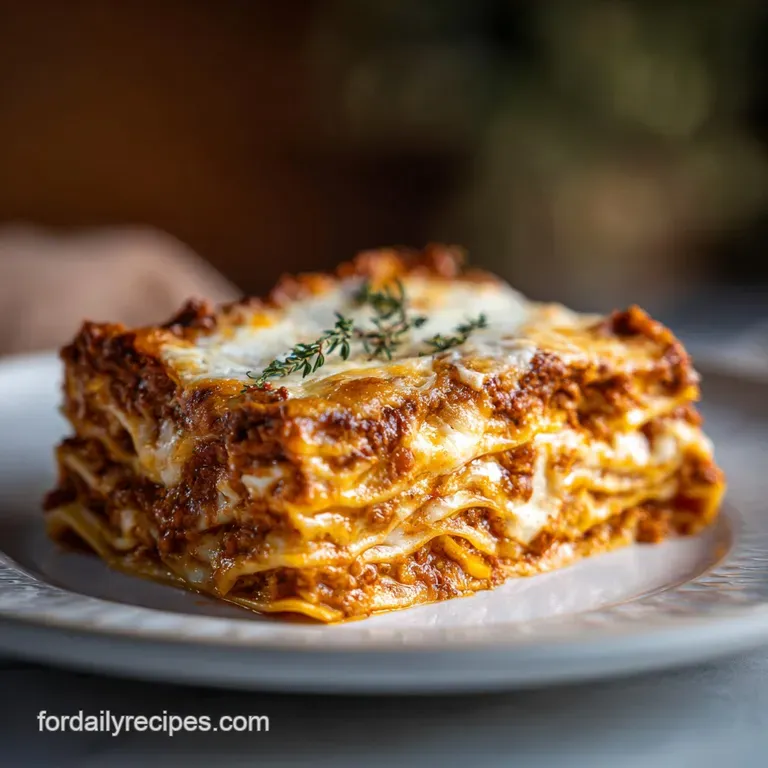
First, use a sharp serrated knife or a wide offset spatula. Instead of cutting straight down, use a gentle sawing motion. This prevents the weight of the knife from crushing the delicate ricotta layers.
For a bit of visual pop, garnish each slice with a pinch of fresh parsley or a drizzle of extra virgin olive oil. Serving it in a shallow bowl with a side of garlic bread helps soak up any extra sauce that escapes the layers.
If you're serving a crowd, I recommend lifting the entire lasagna out of the crockpot into a ceramic dish first. It looks more intentional and makes it easier to slice without the curved walls of the pot getting in the way.
Trust me, the presentation makes people think you spent all day in the kitchen, even though you were probably just scrolling through your phone while the slow cooker did the work.
Recipe FAQs
Is it true I can skip browning the beef to save time?
No, this is a common misconception. Browning the beef thoroughly maximizes flavor and prevents the meat from having a gray, boiled texture.
How to prevent the noodles from being dry or hard?
Ensure the sauce covers the noodles entirely. Any exposed noodle edges will not hydrate and will remain hard during the slow cooking process.
Why did my lasagna fall apart when slicing?
You likely skipped the resting period. Let the lasagna rest for 20 30 minutes after cooking to allow the cheese and sauce to set.
How to layer the lasagna in the crockpot?
Start with one cup of meat sauce on the bottom. Layer noodles, ricotta mixture, and mozzarella, then repeat the sequence until finished, ending with sauce and cheese.
Can I use a 4-quart slow cooker instead of a 6-quart?
No, stick with a 6-quart pot. Smaller pots often lead to overflow and uneven heat distribution for this volume of ingredients.
How to reheat leftover lasagna?
Microwave individual slices covered with a damp paper towel. This traps steam to keep the cheese moist and prevents the noodles from drying out.
Can I substitute the ground beef with a different meat?
Yes, you can use shredded beef or pork. If you enjoyed the tenderness of our pot roast, use that same slow cooked beef for a richer flavor.
Crockpot Lasagna Recipe