Chicken Parmesan Casserole: Family Comfort Bake
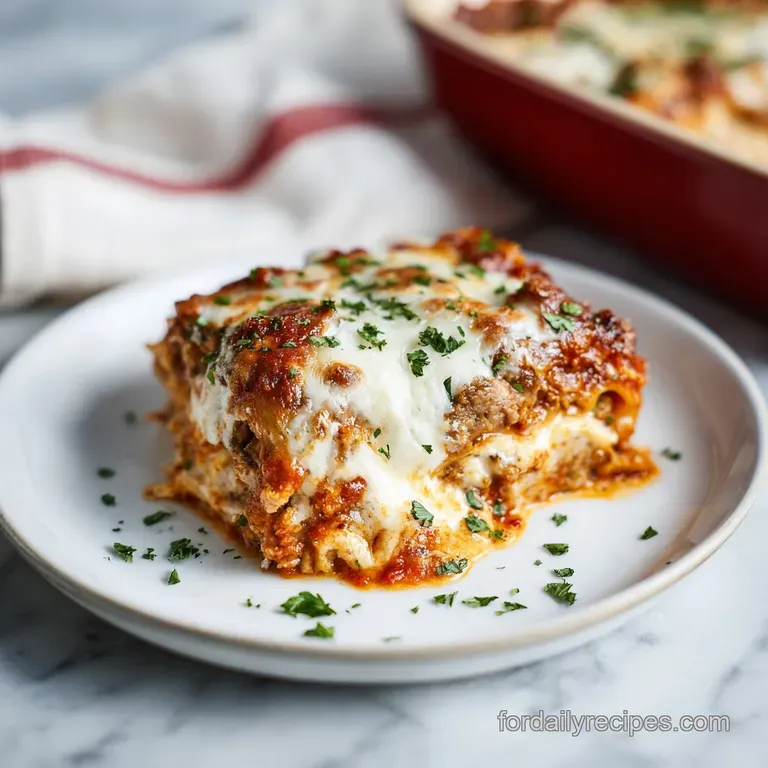
- Time: Active 15 mins, Passive 30 mins, Total 45 mins
- Flavor/Texture Hook: Shatter crisp topping meeting velvety cheese
- Perfect for: Sunday family gatherings or cozy heritage dinners
- The Ultimate Chicken Parmesan Casserole Recipe
- The Science of the Crunch
- Component Analysis Breakdown
- Ingredients and Smart Substitutes
- Creating the Layered Flavor
- Fixing Common Texture Issues
- Dietary and Flavor Tweaks
- Freezing and Reheating Guidelines
- Perfect Pairing Suggestions
- Debunking Kitchen Myths
- Recipe FAQs
- 📝 Recipe Card
The Ultimate Chicken Parmesan Casserole Recipe
The kitchen air fills with the aroma of toasted garlic and bubbling tomato sauce, a scent that always takes me back to my grandmother’s Sunday table. It is that specific sizzle of cheese hitting the edges of a hot ceramic dish that signals a truly comforting meal is almost ready.
I remember the first time I tried making a shortcut version of this; it was a soggy disaster because I rushed the layers, but those mistakes taught me exactly how to get that signature crunch.
We are talking about a dish that bridges the gap between a labor intensive Italian classic and the practical needs of a busy home. It is about honoring the flavors we grew up with while making the process work for our lives today.
You will find that by layering the components just right, we create a texture that rivals any restaurant dish without spending hours at the stove.
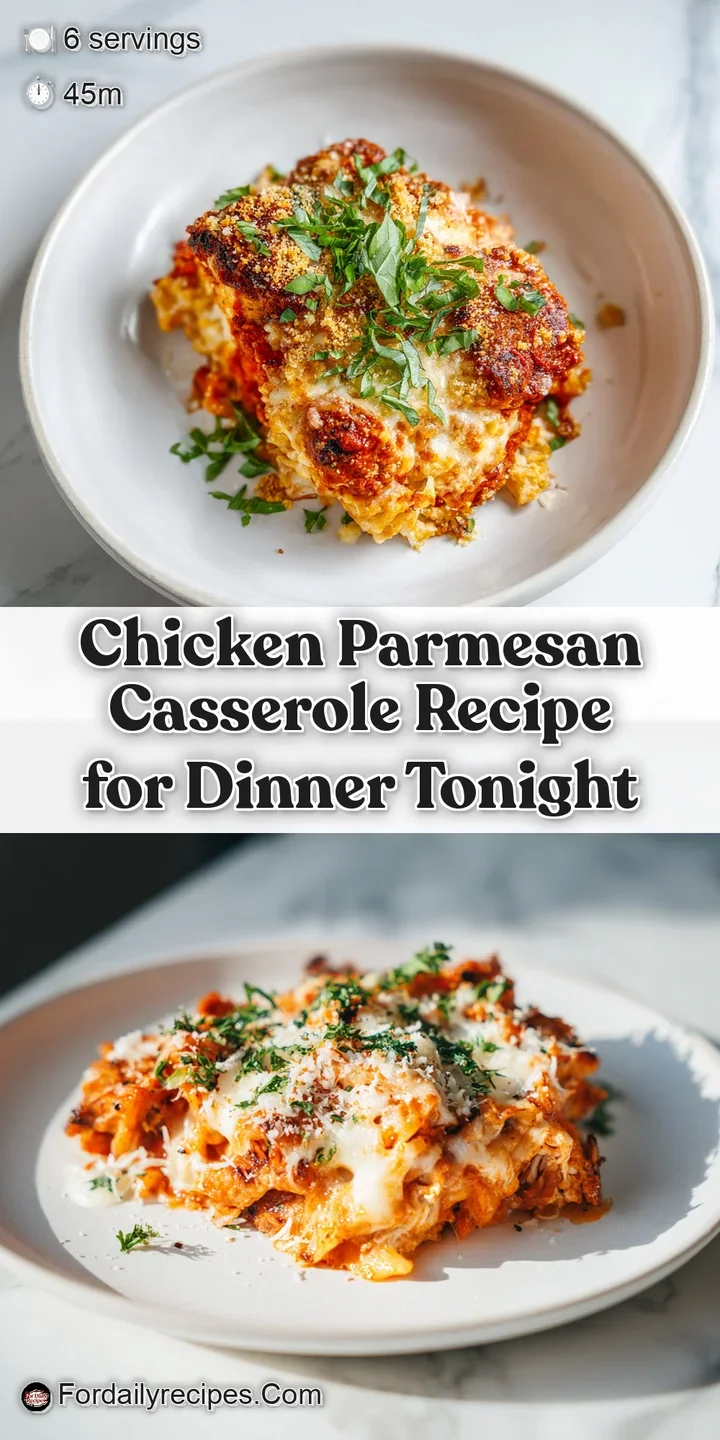
This recipe relies on the contrast between the silky pasta and the sharp, golden crust on top. When you pull this out of the oven, the sight of the melted mozzarella stretching between the penne is enough to make anyone forget their worries.
It is a heritage dish at heart, designed to be shared and passed around the table until every last bit of crispy topping is gone.
The Science of the Crunch
Understanding how these ingredients interact is the secret to a casserole that never goes soggy. We are building layers of flavor that rely on specific chemical reactions.
- Maillard Reaction: Browning the breadcrumbs with melted butter creates new flavor compounds that raw crumbs simply lack, providing that time honored nutty depth.
- Starch Retrogradation: Under boiling the pasta slightly allows it to finish cooking in the sauce, absorbing the tomato essence rather than becoming mushy from excess water.
- Protein Denaturation: Slicing the 680 grams of chicken into uniform 2.5 cm strips ensures even heat distribution so the meat stays succulent rather than chewy.
- Emulsification Stability: The fat in the cheeses binds with the moisture in the marinara, creating a velvety sauce that clings to the ridges of the pasta.
| Method | Prep Time | Flavor Depth | Texture Outcome |
|---|---|---|---|
| This Casserole | 15 mins | Rich and layered | Crisp and gooey |
| Classic Fried | 45 mins | Intense crust | Uniformly crunchy |
| Slow Cooker | 10 mins | Mellow and sweet | Very soft and tender |
Building a meal like this is similar to the technique used in our Chicken Broccoli Casserole recipe, where we focus on maintaining distinct textures even after the dish is baked together.
Component Analysis Breakdown
Every ingredient in this recipe serves a specific structural or flavor driven purpose. When we select these elements, we are looking for heritage quality that stands up to the heat of the oven.
| Ingredient | Science Role | Pro Secret |
|---|---|---|
| Marinara Sauce | Acidic balance | Use a brand with low sugar to let the tomatoes shine |
| Mozzarella Cheese | Structural binder | Grate your own for a silkier, better melt |
| Panko Breadcrumbs | Moisture barrier | These larger flakes provide a superior shatter |
Using fresh Parmesan rather than the canned variety is another way to ensure the flavor is sharp and the texture is exactly where it needs to be for a classic finish.
Ingredients and Smart Substitutes
Gathering these items is the first step in creating that perfect flavor profile. I always suggest using the best quality marinara you can find, as it forms the backbone of the entire dish.
- Chicken Breasts (680g): Sliced into 2.5 cm strips. Why this? Strips cook faster and more evenly than whole breasts in a bake.
- Substitute: Rotisserie chicken. Use 3 cups of shredded cooked chicken for a faster prep.
- Penne or Rotini (340g): The ridges are essential for holding the sauce. Why this? Sturdy shapes maintain their "al dente" bite under heavy cheese.
- Substitute: Whole wheat pasta. It adds a nuttier flavor but requires 2 minutes more boiling.
- Marinara Sauce (710ml): The heart of the moisture. Why this? Provides the necessary acidity to cut through the rich cheese.
- Substitute: Crushed tomatoes with a pinch of sugar and dried oregano.
- Shredded Mozzarella (225g): For that iconic cheese pull. Why this? High moisture content ensures a velvety melt.
- Substitute: Provolone. It offers a slightly sharper, smokier finish.
- Grated Parmesan (50g): For a salty, umami kick. Why this? Creates a hard, flavorful crust when combined with breadcrumbs.
- Substitute: Pecorino Romano for a saltier, more pungent bite.
- Panko Breadcrumbs (100g): The source of the crunch. Why this? Their airy structure stays crisp even when sitting on sauce.
- Substitute: Crushed buttery crackers like Ritz for a richer, softer topping.
- Unsalted Butter (30ml): Melted to bind the topping. Why this? Fat carries the flavor of the herbs to the breadcrumbs.
- Substitute: Olive oil for a lighter, Mediterranean flavor profile.
- Seasonings: 1 tsp kosher salt, 1 tsp black pepper, 1 tsp Italian seasoning, 1/2 tsp garlic powder.
If you enjoy the balance of cheese and poultry here, you might also love our Chicken Garlic Parmesan recipe, which uses a similar flavor palette in a stovetop format.
Creating the Layered Flavor
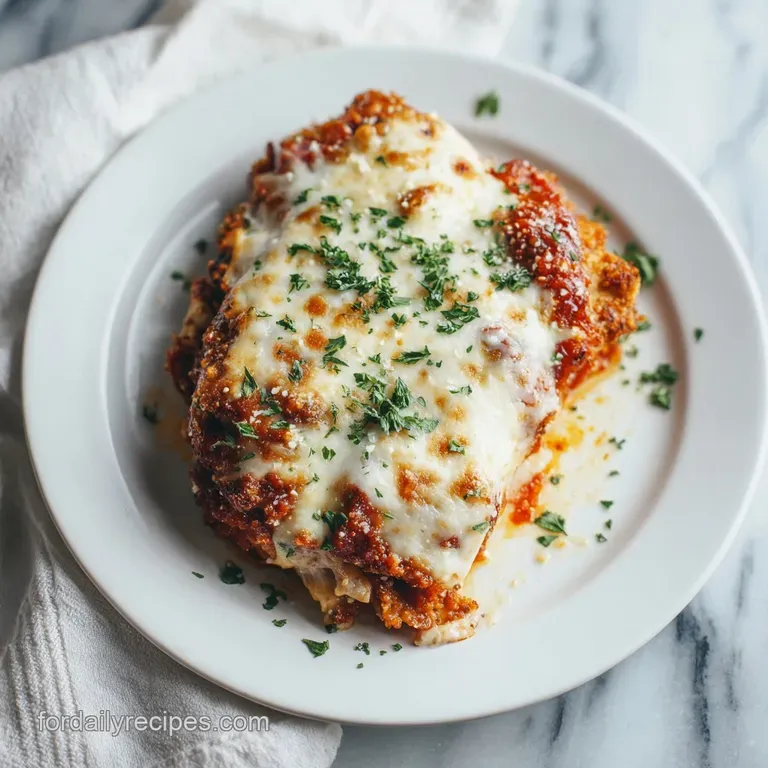
Follow these steps to ensure every bite has the perfect ratio of sauce, cheese, and crunch. This process is all about building the dish so it stays structural and delicious.
- Preheat the oven to 190°C. Grease a large 22x33 cm baking dish.
- Boil the pasta in salted water for 2 minutes less than the package instructions. Note: This ensures it doesn't get mushy while baking.
- Season the chicken with the kosher salt, black pepper, and garlic powder.
- Combine the layers by mixing the par cooked pasta, seasoned chicken strips, and marinara sauce in a large bowl.
- Transfer the mixture to the prepared baking dish, spreading it out into an even layer.
- Layer the cheese by sprinkling the shredded mozzarella evenly over the top of the pasta and chicken. Wait until the cheese covers every corner.
- Prepare the topping by mixing the Panko breadcrumbs, Parmesan cheese, melted butter, and Italian seasoning in a small bowl.
- Add the crunch by scattering the breadcrumb mixture over the cheese layer.
- Bake for 30 minutes until the sauce is bubbling and the topping is golden and crackling.
- Rest the dish for 5 minutes before serving. Note: This allows the sauce to thicken and the cheese to set.
Fixing Common Texture Issues
Even the most time honored recipes can run into trouble if the moisture levels aren't quite right. Most issues come down to either the pasta being too soft or the sauce being too thin.
To Avoid Excess Liquid
If your casserole looks more like soup than a bake, it is often because the chicken released too much moisture or the pasta wasn't drained well enough. I always pat my chicken strips dry with a paper towel before seasoning them to prevent this.
Also, using a thick, high-quality marinara makes a huge difference in the final consistency.
For a Shattering Crust
If the topping is soggy, the butter might not have been distributed evenly. You want every single breadcrumb to be lightly coated in that liquid gold before it goes onto the cheese.
If you find the top is still pale after 20 minutes, don't be afraid to move the rack up a notch or turn on the broiler for the final 60 seconds.
| Problem | Root Cause | Solution |
|---|---|---|
| Watery Sauce | Undrained pasta | Ensure pasta is bone dry before mixing |
| Tough Chicken | Overcooking strips | Pull from oven as soon as the center is opaque |
| Pale Topping | Cold butter | Ensure butter is fully melted and mixed well |
Common Mistakes Checklist ✓ Pat chicken completely dry before seasoning to prevent steaming. ✓ Boil pasta in highly salted water to flavor the grain from within. ✓ Use a ceramic or glass dish for even heat distribution.
✓ Grate your cheese fresh to avoid the anti clumping starches in bags. ✓ Let the dish rest for at least 5 minutes before diving in.
Dietary and Flavor Tweaks
This recipe is incredibly flexible, allowing you to adjust for your family's needs without losing that heritage feel. Whether you need to lose the grains or want to save time, there is a path forward.
For a Chicken Parmesan Casserole Without Pasta, replace the penne with 4 cups of roasted cauliflower florets or zucchini slices. This keeps the dish keto friendly while maintaining that savory, cheesy satisfaction.
If you go the zucchini route, salt the slices beforehand to draw out the water, or you will end up with a watery mess.
If you are looking for a Chicken Parmesan Casserole Slow Cooker version, you will want to skip the pasta initially. Cook the chicken and sauce on low for 4 hours, then stir in cooked pasta and the cheese topping for the final 20 minutes.
Note that the topping won't get as crispy in the crockpot, so you might want to toast the breadcrumbs in a pan first.
When scaling this recipe DOWN, use a smaller 20x20 cm dish and reduce the bake time by about 5 minutes. When scaling UP for a crowd, it is better to use two separate dishes rather than one giant deep one, as the middle of a very deep casserole often stays cold while the edges burn.
Freezing and Reheating Guidelines
This is a phenomenal Chicken Parmesan Casserole Freezer Meal. To freeze it, assemble everything up to the breadcrumb stage but do not bake it. Wrap the dish tightly in plastic wrap and then foil. It will stay fresh for up to 3 months.
When you are ready to eat, thaw it overnight in the fridge and bake as directed, adding about 10 minutes to the time.
For leftovers, the fridge is your friend for about 3 to 4 days. To reheat, I highly recommend using the oven or an air fryer. A microwave will make the breadcrumbs rubbery, which is a tragedy after all that work.
Put a slice in the oven at 175°C for 10 minutes to bring back that signature crunch.
Regarding zero waste, if you have leftover breadcrumbs, toss them with some olive oil and store them in a jar. They are incredible sprinkled over roasted broccoli or even a simple bowl of buttered noodles the next day.
Never throw away the Parmesan rind either; toss it into your next batch of soup for an incredible umami boost.
Perfect Pairing Suggestions
While this dish is a complete meal on its own, a few simple additions can make it feel like a true heritage feast. A crisp green salad with a sharp vinaigrette is the traditional choice to cut through the richness of the mozzarella and marinara.
If you want to go all out, serve this alongside some warm garlic bread. The bread is perfect for mopping up any extra sauce left on the plate. For a slightly lighter side, roasted green beans or a simple steamed broccoli head work wonders.
This meal also pairs beautifully with a Roasted Chicken Recipe if you have leftovers you want to incorporate into a larger family spread. The key is to keep the sides simple so the layered flavors of the casserole remain the star of the show.
Debunking Kitchen Myths
One of the biggest misconceptions is that you have to bread and fry each piece of chicken individually for it to taste like "real" Parmesan. In reality, layering the crumbs on top of the casserole provides that same textural contrast with significantly less oil and effort.
The steam from the sauce actually keeps the chicken more succulent than frying often does.
Another myth is that you can't use frozen chicken. You certainly can, provided you thaw it completely and pat it dry. If the chicken is even slightly icy, it will release water into your sauce, ruining that velvety emulsification we worked so hard to achieve.
Trust the process, keep your ingredients dry, and you will have a heritage meal that tastes like it took all day to prepare.
Recipe FAQs
What are some common mistakes to avoid when making chicken parmesan casserole?
Patting the chicken dry. The most common error is skipping drying the chicken strips, which releases excess water and leads to a soupy casserole rather than a bubbly bake.
What's the secret to juicy parmesan chicken in a casserole?
Under boiling the pasta by two minutes. This technique, often used in baked pasta dishes, allows the pasta to absorb sauce and finish cooking in the oven, preventing mushiness and locking in moisture around the chicken pieces. If you like mastering moisture control, see how the same principle applies to the sauce stability in our Mushroom Chicken recipe.
Why is it called Neiman Marcus chicken?
It is not technically Neiman Marcus chicken. That name is often mistakenly applied to versions of chicken cooked with creamy sauces or distinct coatings, but this casserole recipe is a variation on classic Italian American comfort food.
What is a good side with chicken parmesan?
A simple, crisp green salad with a vinaigrette. The acidity of the dressing cuts through the richness of the cheese and sauce perfectly, balancing the heavy main course.
How do I get the topping to stay crispy and not soggy?
Ensure the Panko breadcrumbs are fully coated in melted butter. The fat acts as a sealant and helps the crumbs toast rather than absorb moisture from the sauce below.
Can I use a stovetop method instead of baking for a crispier finish?
Yes, though it requires more individual work. For a stovetop alternative that focuses on crust development, try quickly pan-frying the breaded chicken before topping it with sauce and cheese in an oven safe skillet.
Is it true I must use mozzarella cheese for the best melt?
No, but mozzarella provides the classic stretch. For a sharper flavor that still melts well, you can substitute up to half the mozzarella with a quality, freshly grated Provolone cheese.
Chicken Parmesan Casserole
Ingredients:
Instructions:
Nutrition Facts:
| Calories | 663 kcal |
|---|---|
| Protein | 54.4 g |
| Fat | 18.3 g |
| Carbs | 58.6 g |
| Fiber | 3.8 g |
| Sugar | 7.2 g |
| Sodium | 785 mg |
