Chicken and Rice Soup: Time-Honored Comfort
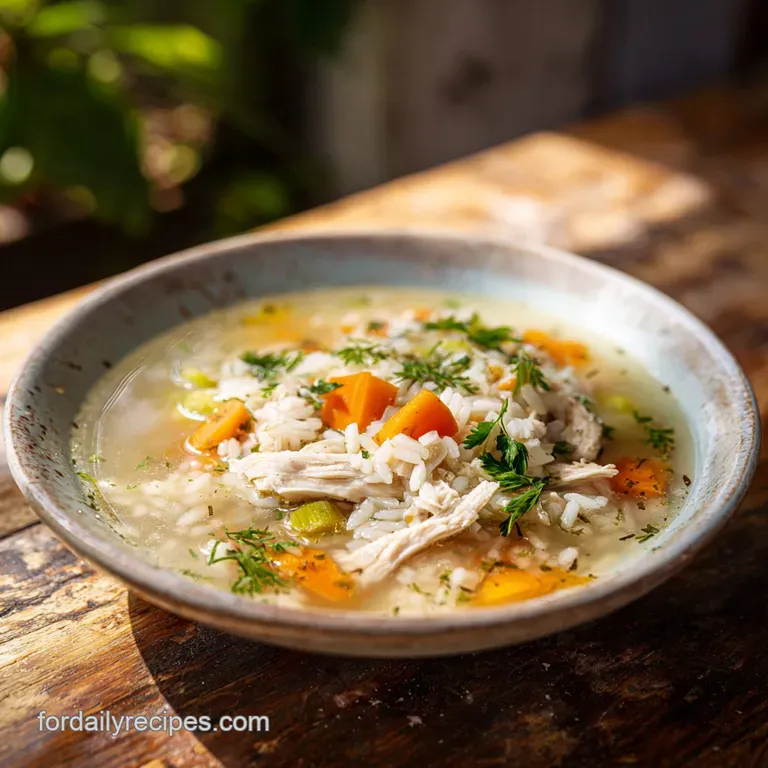
- Time: Active 15 minutes, Passive 30 minutes, Total 45 minutes
- Flavor/Texture Hook: Silky broth with tender grains and herbaceous notes
- Perfect for: Cold winter nights or soothing a tired spirit
- Finding Comfort in a Classic Chicken and Rice Soup
- The Culinary Logic of a Balanced Simmer
- Vital Stats for Your Kitchen Process
- Harvesting the Best Elements for the Pot
- Essential Tools for a Hearty Batch
- Crafting the Soup with Careful Attention
- Solving Common Hurdles for the Perfect Bowl
- Creative Twists for Your Signature Version
- Preserving the Magic for Tomorrow
- Garnishing with Love and Heritage
- High in Sodium
- Recipe FAQs
- 📝 Recipe Card
Finding Comfort in a Classic Chicken and Rice Soup
The moment that heavy lid lifts, a cloud of steam carries the scent of woody rosemary and sweet sautéed onions straight to your heart. It’s a fragrance that reminds me of my grandmother’s kitchen, where the stockpot seemed to live permanently on the back burner.
There’s something deeply grounding about the rhythm of chopping carrots and celery while the kitchen warms up, preparing a pot of Chicken and Rice Soup that’s meant to be shared.
I remember one particular Tuesday when everything felt a bit too much, and I nearly reached for a salty canned shortcut. Instead, I took the 15 minutes to soften fresh vegetables in olive oil until they were translucent and fragrant. That choice changed the whole evening.
The house filled with a heritage aroma that no store-bought version could ever replicate, turning a simple meal into a quiet celebration of home.
We’ve all had those soups that turn into a thick, gloopy porridge by the next morning because the rice absorbed every drop of liquid. This recipe is different. We’re focusing on the balance of starch and broth, ensuring the rice stays distinct and the chicken remains tender rather than rubbery.
Trust me, once you taste the brightness that a tiny splash of lemon adds at the very end, you’ll never go back to the old way of doing things.
The Culinary Logic of a Balanced Simmer
Starch Management: Rinsing the rice removes excess surface amylose, which prevents the liquid from becoming unpleasantly cloudy or thick. This ensures the broth remains a clear, velvety gold rather than a muddy stew.
Protein Precision: Poaching the chicken breast directly in the bone broth at a gentle simmer keeps the muscle fibers relaxed. This technique prevents the meat from toughening, resulting in pieces that practically melt in your mouth.
| Thickness of Chicken | Target Internal Temp | Rest Time | Visual Finished Cue |
|---|---|---|---|
| 1.5 cm (Thin) | 74°C (165°F) | 5 minutes | Opaque and juices run clear |
| 2.5 cm (Standard) | 74°C (165°F) | 5 minutes | Firm to touch, no pink |
| 4 cm (Thick) | 74°C (165°F) | 8 minutes | Shreds easily with a fork |
Choosing the right base for your soup makes a massive difference in the final depth of flavor. While a quick carton of stock works in a pinch, using a high-quality bone broth provides a richer mouthfeel and more heritage character. If you're in the mood for something with a bit more spice, my Arabian Chicken and recipe is another family favorite that uses similar aromatics in a different way.
Vital Stats for Your Kitchen Process
| Component | Role in the Pot | Pro Secret |
|---|---|---|
| Chicken Bone Broth | Provides the foundational body and minerals | Use a chilled broth that jiggles; it indicates high collagen content for a silkier texture. |
| Yellow Onion | Adds a base layer of sweetness and depth | Sauté until the edges are just starting to turn golden to unlock the natural sugars. |
| Fresh Lemon Juice | Acts as a bright acidity to cut through the fat | Always add this at the very end of cooking to keep the vitamin C and flavor profile sharp. |
| Long Grain Rice | Offers a satisfying, chewy texture | Toast the dry rice in the oil with the veggies for 60 seconds to develop a nutty backbone. |
The key to a successful Chicken and Rice Soup is respecting the ingredients. We often rush the sautéing phase, but letting those carrots and celery sweat slowly is where the magic happens. Sometimes I swap the rice for pasta when the mood strikes, like in this Chicken Orzo Soup recipe, which offers a slightly different, velvety texture.
Harvesting the Best Elements for the Pot
- 2 tbsp Extra Virgin Olive Oil: Use a high-quality oil for a clean, fruity start. (Substitute: Unsalted butter for a richer, more heritage flavor)
- 1 large Yellow Onion: Finely diced for even cooking. (Substitute: Leeks, white parts only, for a milder sweetness)
- 3 medium Carrots: Sliced into 1/4 inch rounds. Why this? They provide color and a necessary earthy sweetness. (Substitute: Parsnips)
- 2 stalks Celery: Sliced. (Substitute: Fennel bulb for a subtle anise note)
- 4 cloves Garlic: Minced. (Substitute: 1 tsp garlic powder, though fresh is far superior)
- 1 tsp Kosher Salt: Essential for layering flavor. (Substitute: Sea salt)
- 1/2 tsp Cracked Black Pepper: For a gentle warmth. (Substitute: White pepper for a cleaner look)
- 8 cups Chicken Bone Broth: The soul of the dish. Why this? Bone broth has more protein and depth than standard stock. (Substitute: Vegetable broth)
- 1 lb Chicken Breast: Boneless and skinless. (Substitute: Chicken thighs for more fat and moisture)
- 2 sprigs Fresh Thyme: (Substitute: 1/2 tsp dried thyme)
- 1 sprig Fresh Rosemary: (Substitute: 1/4 tsp dried rosemary)
- 1 Bay Leaf: Crucial for that "simmered all day" aroma. (Substitute: None, just omit if missing)
- 3/4 cup Long Grain White Rice: Why this? It holds its shape better than short grain varieties. (Substitute: Brown rice, but increase cook time by 20 minutes)
- 1 tbsp Fresh Lemon Juice: (Substitute: Apple cider vinegar)
- 1/4 cup Fresh Parsley: Chopped for a finishing touch. (Substitute: Fresh dill)
Essential Tools for a Hearty Batch
You don't need a kitchen full of gadgets, but a heavy bottomed pot, like a Dutch oven (such as a Le Creuset), is a game changer. The thick walls distribute heat evenly, so you don't end up with scorched onions at the bottom while the top is still cold. It holds the heat beautifully during the gentle simmer phase.
A sharp chef's knife is your best friend here. Since we're dicing onions and slicing carrots into uniform rounds, a dull blade will only make the job frustrating. Also, keep a reliable digital meat thermometer handy.
Pulling the chicken at exactly 74°C (165°F) ensures it stays juicy and tender rather than dry and stringy.
Crafting the Soup with Careful Attention
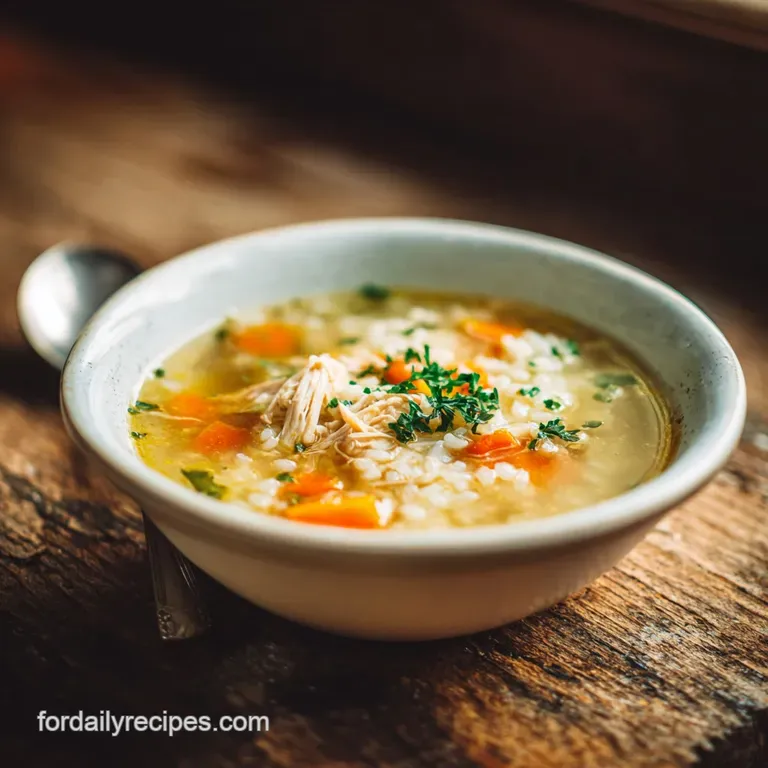
- Heat the olive oil in a large pot over medium heat until it shimmers and moves like water.
- Add the diced onion, carrots, and celery to the fat. Note: This is the "mirepoix" base that builds our flavor foundation.
- Sauté for about 6 to 8 minutes until the onions are translucent and the carrots are slightly softened.
- Stir in the minced garlic, kosher salt, and cracked black pepper. Cook for 1 minute until the garlic becomes intensely fragrant.
- Pour in the 8 cups of chicken bone broth and add the thyme sprigs, rosemary, and bay leaf.
- Place the whole chicken breasts into the liquid. Bring to a boil, then immediately reduce to a low simmer.
- Cook for 12 to 15 minutes until the chicken reaches an internal temperature of 74°C.
- Remove the chicken to a plate to rest. While it rests, add the 3/4 cup of long grain white rice to the pot.
- Simmer the rice for 15 minutes until the grains are tender but not mushy.
- Shred or dice the rested chicken and return it to the pot along with the lemon juice and fresh parsley.
Chef's Tip: To prevent the rice from drinking up all your broth, cook it separately in water and add a scoop to each individual bowl before pouring the hot soup over it. This is a lifesaver if you plan on having leftovers!
Solving Common Hurdles for the Perfect Bowl
The broth is too cloudy
This usually happens if the soup is boiled too vigorously or the rice wasn't rinsed. A hard boil emulsifies the fats and proteins into the liquid. To fix this, keep the heat at a "lazy bubble" rather than a rolling boil.
The chicken feels dry
Even in liquid, chicken can overcook. If you boil the breast for 30 minutes, the fibers will contract and squeeze out all their moisture. Always use a thermometer and remove the meat as soon as it hits the safe zone.
| Problem | Root Cause | Solution |
|---|---|---|
| Mushy Rice | Overcooking or sitting too long | Add rice 15 mins before serving; store leftovers separately. |
| Bland Flavor | Lack of acidity or salt | Add another squeeze of lemon or a pinch of salt at the end. |
| Thin Texture | Not enough starch or veggies | Sauté a tablespoon of flour with the veggies next time. |
Common Mistakes Checklist
- ✓ Never skip sautéing the vegetables; this is where the sweetness comes from.
- ✓ Don't add the lemon juice at the beginning; the heat will turn it bitter.
- ✓ Avoid using "instant" rice, as it will disintegrate into the broth.
- ✓ Remove the woody herb stems before serving to avoid a mouthful of sticks.
- ✓ Pat the chicken dry if you decide to sear it first for extra flavor.
Creative Twists for Your Signature Version
If you want a Creamy Chicken and Rice Soup, whisk 1/2 cup of heavy cream or full fat coconut milk into the pot right before serving. It adds a luxurious, velvety finish that pairs beautifully with the lemon.
For those who love a bit of texture, adding a handful of chopped kale or spinach in the last 2 minutes provides a fresh, earthy contrast.
For a budget friendly swap, you can use a leftover rotisserie chicken. Just skip the poaching step and add the shredded meat at the very end to warm through. It saves time and ensures no part of your grocery haul goes to waste. If you're a fan of deeper, more complex flavors, try my Flavorful Syrian Chicken recipe which uses a beautiful blend of warm spices.
| Prep Goal | Ingredient Adjustment | Time Impact | Outcome |
|---|---|---|---|
| Low Carb | Swap rice for cauliflower rice | Reduce cook time by 10 mins | Lighter, less starchy broth |
| Ultra Rich | Use chicken thighs + 1 tbsp butter | No change | Juicier meat, golden fat droplets |
| Extra Veggie | Add 1 cup chopped spinach | Add in final 2 mins | Vibrant color and more nutrients |
Preserving the Magic for Tomorrow
To store your Chicken and Rice Soup, let it cool completely before transferring it to airtight containers. It will stay fresh in the fridge for up to 4 days. If you've cooked the rice in the soup, expect it to thicken significantly overnight. To reheat, simply add a splash of extra broth or water to loosen it back up.
For freezing, I highly recommend freezing the broth, veggies, and chicken together, but leaving the rice out. Grains don't always hold up well in the freezer and can become grainy. When you're ready to eat, defrost the soup and add fresh rice while reheating. Don't toss those veggie scraps!
Save your onion skins and carrot ends in a bag in the freezer to make your next batch of homemade stock.
Garnishing with Love and Heritage
Presentation is the final touch that turns a meal into an experience. A heavy sprinkle of fresh, vibrant parsley is non negotiable for me it adds a "shatter" of freshness against the soft rice.
A few thin slices of lemon floating on top can also alert your guests to the bright flavor profile they're about to enjoy.
I love serving this with a side of warm, crusty bread or even some buttery heritage biscuits. The contrast between the soft, comforting soup and a crunchy crust is purely magical. If you're looking for another grain based comfort meal, you might enjoy this Adasi Recipe Persian, which offers a completely different but equally soul warming experience.
Why do we sauté first?
Sautéing the mirepoix (onions, carrots, celery) triggers the Maillard reaction and caramelizes the natural sugars. This creates a complex, savory base that raw vegetables simply cannot provide. It’s the difference between a "watery" soup and one with real heritage depth.
Choosing the right rice
Stick to long grain varieties like Basmati or Jasmine. These have a lower starch content compared to short grain rice used for risotto, meaning the grains will stay separate and fluffy in the broth rather than clumping together.

High in Sodium
940 mg mg of sodium per serving (41% % of daily value)
The American Heart Association recommends limiting sodium intake to no more than 2,300mg per day for most adults. For optimal heart health, even further reductions to 1,500mg per day may be beneficial.
Tips to Reduce Sodium in Chicken Soup
-
Low-Sodium Broth-30%
Replace regular chicken bone broth with a low-sodium or no-salt added version. This is the single most impactful change you can make.
-
Reduce Salt-25%
Halve the amount of kosher salt to 1/2 tsp or eliminate it completely. Taste and adjust seasoning after cooking.
-
Unseasoned Chicken-15%
Ensure the chicken breast isn't pre-seasoned with salt. Look for plain, raw chicken to avoid hidden sodium.
-
Enhance with Lemon-10%
Increase the fresh lemon juice to 1.5-2 tbsp to brighten the flavor profile and compensate for the reduced salt.
-
Fresh Herbs
Utilize fresh herbs like thyme, rosemary, and parsley generously. They add flavor without adding any sodium.
Recipe FAQs
What goes in chicken and rice soup?
Essential components are chicken, rice, bone broth, and aromatics. You need diced mirepoix (onion, carrot, celery), fresh herbs like thyme and rosemary, garlic, salt, pepper, and a bright finish of fresh lemon juice.
Do you cook rice before putting it in soup?
No, you typically cook the rice directly in the broth. Adding uncooked long grain rice allows it to absorb the flavorful stock as it softens, which integrates the starch into the soup slightly. However, for leftovers, cook the rice separately.
What are some common mistakes in chicken and rice?
The most common mistake is overcooking the chicken breast. Poaching poultry past 74°C (165°F) will result in dry, stringy meat; remove it immediately upon hitting that temperature.
Can you cook raw chicken and uncooked rice together?
Yes, but sequential timing is crucial for the best texture. Cook the chicken first until just done, remove it, then add the rice to the remaining broth to cook fully without drying out the poultry.
How do you stop chicken and rice soup from turning into mush?
Rinse the rice thoroughly before adding it to the pot. This washes away excess surface starch (amylose), which is the primary cause of thickening and cloudiness. If you are preparing this ahead, store the rice separately.
How do I get a rich, flavorful broth without a long simmer?
Start with high-quality bone broth and properly sauté your base vegetables. Slowly cooking the onions, carrots, and celery until translucent unlocks natural sweetness that elevates the flavor profile quickly; this technique is also key for our Turmeric Chicken Recipe.
What is the secret to balancing the heavy flavor of stock?
Finish the soup with fresh acidity, usually lemon juice. The bright tang cuts through the fat and richness of the broth, preventing the soup from tasting heavy or flat on the palate.
Chicken And Rice Soup
Ingredients:
Instructions:
Nutrition Facts:
| Calories | 308 calories |
|---|---|
| Protein | 27.8 g |
| Fat | 6.2 g |
| Carbs | 34.5 g |
| Fiber | 2.4 g |
| Sugar | 3.1 g |
| Sodium | 940 mg |
