Greek Roasted Lamb with Lemon-Garlic Pan Sauce

- Total8 Hrs 55 Mins
- Servings8
- Calories509 kcal
- Time: 25 min active + 4 hours 10 min cooking + 4 hours chilling + 20 min resting
- Flavor & Texture: Zesty, garlic heavy, and fall apart tender
- Perfect for: Sunday feasts or holiday gatherings
Greek Roasted Lamb
The scent of roasting garlic and dried oregano fills the house long before the meat hits the table. It's the kind of dish that turns a regular weekend into an event, bringing a taste of the Mediterranean to a cozy dining room.
This recipe centers on a slow braise that ensures the meat doesn't dry out, even with a large cut. You'll get a mahogany crust on the outside and meat that yields to the slightest pressure from a fork.
Because most of the work happens during the marinating phase and the long oven stay, it's a great choice for when you have guests. You can prep it early and let the oven do the heavy lifting.
Recipe Specs
The focus here is on patience and temperature. By keeping the heat low for the majority of the cook, the connective tissues melt away.
Three key checkpoints to watch:
- Searing Temp: The pot should sizzle steadily, not smoke heavily, when the fat hits the oil.
- Braising Temp: Keep it steady at 150°C (300°F).
- Internal Temp: Hit 63°C (145°F) for medium or 90°C to 96°C (195-205°F) for that shreddable texture.
Gathering Your Essentials
The combination of lemon and oregano is a staple in many Greek Recipes. The acid in the lemon juice helps tenderize the meat during the long chill.
For the Lamb Rub
- 1 bone-in leg of lamb (about 2.7 kg), excess hard fat trimmed
- 1/4 cup (60 ml) extra virgin olive oil
- 80 ml fresh lemon juice (about 2 lemons)
- 8 garlic cloves, minced
- 6 g dried oregano, preferably Greek
- 6 g finely grated lemon zest
- 1 tbsp (15 g) kosher salt
- 2 g freshly ground black pepper
For the Braising Base
- 2 large yellow onions, cut into thick wedges (about 450 g)
- 6 garlic cloves, smashed
- 1 lemon, thinly sliced
- 4 sprigs fresh rosemary
- 2 bay leaves
- 2½ cups (600 ml) low-sodium chicken broth Why this? Adds depth without overpowering the lamb.
For the Pan Sauce and Finish
- 30 ml fresh lemon juice (about 1 lemon)
- 1 tbsp (14 g) unsalted butter Why this? Gives the sauce a glossy finish.
- 8 g chopped fresh parsley
| Original Ingredient | Substitute | Why It Works |
|---|---|---|
| Bone-in Leg (2.7kg) | Lamb Shoulder | Higher fat content. Note: Needs a longer cook time to soften. |
| Chicken Broth | Beef Broth | Similar savory base. Note: Results in a darker, heavier sauce. |
| Dried Oregano | Dried Marjoram | Similar flavor profile. Note: Slightly sweeter and milder. |
Equipment Needed
A heavy bottomed pot is non-negotiable here. A 7 quart Dutch oven is the best tool because it distributes heat evenly and holds moisture during the braise. You'll also need a meat thermometer to ensure the lamb hits the safe USDA temperature of 63°C (145°F).
Bringing It Together
Step 1: Prep the Lamb
Pat the lamb leg dry. Score the fat in a diamond pattern about 6 mm deep. Be careful to cut through the fat but not into the meat. In a bowl, whisk together the olive oil, lemon juice, minced garlic, oregano, lemon zest, salt, and pepper. Rub this mixture over the lamb, pushing it into the scores.
Cover and refrigerate for at least 4 hours, or overnight.

Step 2: Preheat and Arrange
Remove the lamb from the fridge 45 minutes before you plan to sear it. This prevents the meat from seizing up in the pan. Heat the oven to 150°C (300°F) with a rack in the lower middle position.
Step 3: High heat Sear
Set the Dutch oven over medium-high heat. Lay the lamb fat-side down. Sear for 8 to 10 minutes until the fat is deep golden and the pot sizzles steadily. Turn and sear the other sides for 3 to 4 minutes. Transfer the lamb to a plate.

Step 4: Low and Slow Braise
Reduce the heat to medium. Add the onions to the pot and cook for 5 to 6 minutes until the edges turn golden. Add the smashed garlic, lemon slices, rosemary, and bay leaves. Pour in 240 ml of the chicken broth and scrape up the browned bits from the bottom. Let it bubble for 2 minutes.
Add the remaining 360 ml of chicken broth. Return the lamb to the pot, fat-side up, nestled into the onions. Cover with the lid and move it to the oven. Braise for about 3½ hours. Baste the meat once around the 90 minute mark. The liquid should pool at the base, not cover the meat.
Step 5: Final Browning
Remove the lid and increase the oven temperature to 220°C (425°F). Roast uncovered for 15 to 20 minutes until the fat looks crisp and mahogany colored and the meat pulls back from the bone.

Step 6: Check Doneness and Rest
Insert a thermometer into the thickest part of the meat. It must reach at least 63°C (145°F). For fall apart texture, aim for 90°C to 96°C (195-205°F). Transfer the lamb to a board, tent it loosely with foil, and rest for 20 minutes.
Step 7: Make the Pan Sauce
Spoon the fat off the surface of the pot liquids. Strain the liquid into a small saucepan, pressing the softened onions and garlic to get all the flavor out. Simmer for 5 to 8 minutes until it thickens slightly. Remove from heat and whisk in the lemon juice and butter. Season with salt and pepper.
Carve the lamb, spoon the sauce over the top, and finish with fresh parsley.

Why It Works
The secret to this Greek Roasted Lamb Recipe lies in its strategic temperature changes.
- Low-Temp Breakdown: A slow 3½ hour braise at 150°C (300°F) converts collagen into gelatin, ensuring the meat is succulent rather than tough.
- Double Browning: Searing the meat initially and finishing with high heat creates complex layers of flavor. That final burst of heat crisps the fat that rendered during the braise.
- Acidic Balance: The lemon juice in the rub and finishing sauce provides a bright contrast to the heavy, savory notes of the lamb.
| Component | Purpose | Substitute Notes |
|---|---|---|
| Lemon Juice | Tenderizes and brightens | Apple cider vinegar: Use less. More pungent. |
| Greek Oregano | Earthy, floral aroma | Italian seasoning: Less punchy, more herbal. |
| Bone-in Leg | Structure and flavor | Boneless leg: Cooks faster, less depth. |
Fixing Common Issues
If the meat feels tough, it's almost always a timing issue. Collagen doesn't care about the recipe, only about the heat and time it's exposed to. If you pull it too early, it will be rubbery.
Another common issue is a sauce that feels too greasy. This happens if the fat isn't skimmed off before the reduction process.
| Problem | Root Cause | Solution |
|---|---|---|
| Lamb Still Tough | If the meat resists a fork, put it back in the covered pot at 150°C (300°F). | Give it 30 minute increments until it yields. |
| Sauce Greasy | You likely didn't remove enough fat from the surface of the braising liquid. | Use a wide spoon or a fat separator before simmering the sauce. |
| The Meat Dry | This usually happens if the internal temperature exceeds 100°C (212°F) or if it wasn't rested. | Always let it rest for 20 minutes to redistribute the juices. |
Storage and Freshness
Place leftover lamb in a tightly closed container and refrigerate. It remains good for 3 days. Store the sauce in a separate jar so the meat doesn't get soggy.
To reheat, avoid the microwave to prevent the protein from toughening. Instead, put the slices in a baking dish with a bit of broth, cover with foil, and warm at 150°C (300°F) until the thickest part reaches 74°C (165°F).
When reheating cooked leftovers, check with a food thermometer that the centre reaches 165°F (74°C); the appliance temperature and time alone do not confirm this.
As a slow-roasted dish, this freezes reasonably well. Wrap the meat securely in foil and then plastic wrap for up to 2 months. Let it thaw in the fridge overnight before reheating it in the oven.
When reheating cooked leftovers, check with a food thermometer that the centre reaches 165°F (74°C); the appliance temperature and time alone do not confirm this.
Changing Up the Flavor
Feel free to adjust the aromatics to change the overall flavor profile of this Greek Style Roast Lamb and Potatoes.
- Feta and Olive Garnish: Garnish the sliced lamb with crumbled feta and Kalamata olives for a sharper, saltier taste.
- Orange and Cinnamon Variation: Replace the lemon zest with orange zest and stir a pinch of cinnamon into the rub to give the dish a fragrant, Middle Eastern influence.
- dairy-free Option: Skip the butter in the pan sauce and use an additional tablespoon of olive oil instead to maintain that glossy sheen.
If you prefer a thicker sauce, whisk a small amount of cornstarch into the broth before it simmers, although the natural reduction is typically sufficient. For more Dutch oven inspiration, this Brown Gravy Recipe employs a similar browning method to create an intense, rich flavor.
Best Side Pairings

This dish is heavy and rich, so you need sides that offer a crisp or acidic contrast.
- Lemon Potatoes: The classic pairing. Roast potato wedges in the same pan as the lamb, or in a separate tray with lemon, garlic, and olive oil.
- Horiatiki Salad: A traditional Greek salad with cucumbers, tomatoes, red onion, and a slab of feta. The cold, raw vegetables balance the warm, heavy meat.
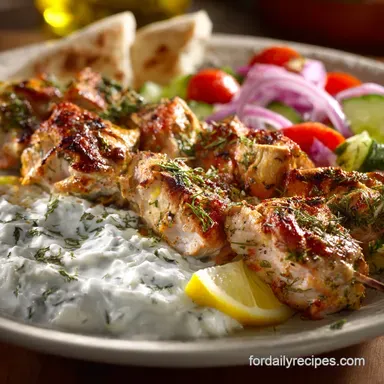
- Warm Pita and Tzatziki: Serve the lamb with toasted pita and a cool cucumber yogurt dip to add a creamy element to the plate.
If you want a lighter vegetable option, roasted carrots or sautéed spinach with a squeeze of lemon work well. For a completely different flavor profile using similar roasting techniques, try a Roasted Cherry Tomato Sauce as a base for some grilled fish on the side.
Recipe FAQs
Should you sear lamb before roasting?
Yes, it develops a deep golden crust. Searing the fat-side down for 8 to 10 minutes enhances the flavor profile before the meat begins braising.
What is a good Greek lamb marinade?
Combine olive oil, lemon juice, minced garlic, dried oregano, lemon zest, salt, and pepper. Rub this mixture into the scored fat and refrigerate for at least 4 hours for maximum penetration.
Can this be made with boneless lamb?
Yes, the process is nearly identical. Follow the same searing and braising steps, but monitor the internal temperature closely as boneless cuts may cook more quickly than bone-in legs.
How to achieve a fall-apart texture?
Roast until the meat reaches an internal temperature of 195°F to 205°F. This higher temperature range breaks down the connective tissues, allowing the meat to yield easily to a fork.
Greek Roasted Lamb for 8 Servings
Ingredients:
Instructions:
Keep Cooking

Roasted Cherry Tomato Sauce
Long simmering often kills tomato brightness. This Roasted Cherry Tomato Sauce uses high heat for…

Homemade Chicken Noodle Soup: Silky
Master homemade chicken noodle soup with this heritage recipe.

Mushroom Chicken: Velvety Sauce
Master this flavorful Mushroom Chicken with our step-by-step timing guide to achieve a velvety,…

Brown Gravy Recipe: Homemade
Master the classic brown gravy recipe using a toasted roux for deep flavor.

Greek Recipes: Authentic Chicken Souvlaki with Tzatziki
Discover authentic Greek recipes with this easy Chicken Souvlaki recipe.
