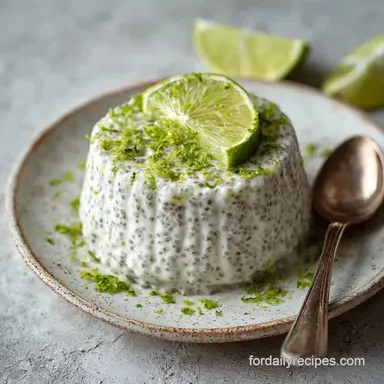
Tropical Chia Pudding Bowl: Silky and Fresh
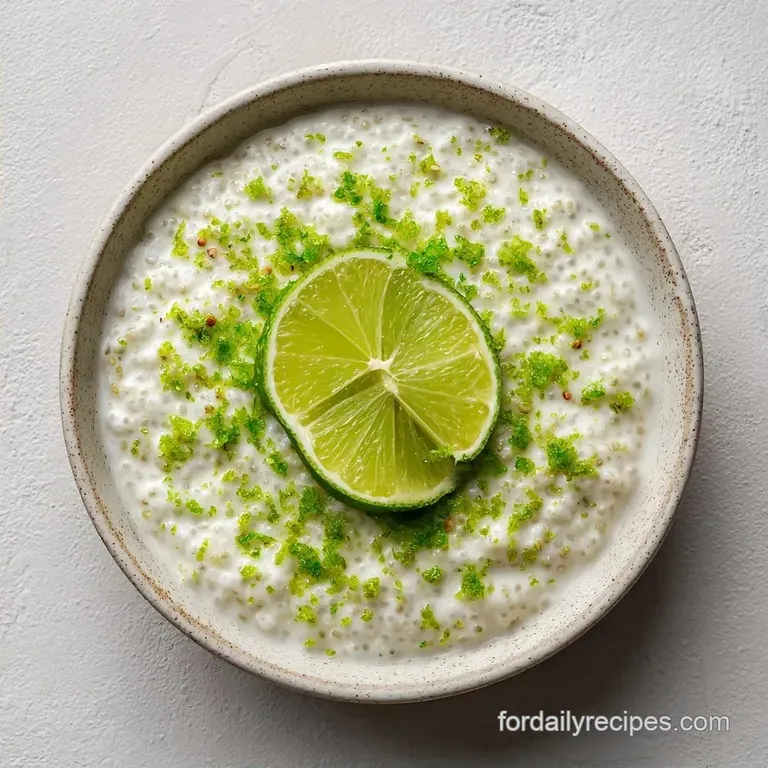
- Time:10 minutes active + 3 hours chilling
- Flavor/Texture Hook: Silky coconut base with tart, fresh fruit
- Perfect for: Busy weekday meal prep or a light summer brunch
- Tropical Chia Pudding: The Ultimate Prep Guide
- How the Gel Forms
- Ingredient Deep Dive
- Equipment Needed
- Bringing It Together
- Pro Tips & Pitfalls
- Dietary Adaptations
- Fixing Common Texture Issues
- Troubleshooting Common Issues
- Adjusting the Batch Size
- Truth About Chia Seeds
- Storage and Freshness
- Presentation Tips
- Recipe FAQs
- 📝 Recipe Card
It’s 7:00 AM on a humid Tuesday, and the thought of a heavy breakfast feels wrong. I remember one morning in July where the air was so thick you could almost chew it, and I just wanted something that felt cold, bright, and effortless.
I had a can of coconut milk and some overripe mangoes staring at me from the counter.
That’s how this Tropical Chia Pudding became my go to. I didn't want a complicated recipe, just something I could throw together in ten minutes and forget about until the morning. It's the kind of meal that makes a boring workday feel a bit more like a getaway, especially when that first spoonful of chilled coconut hits.
You can expect a texture that's silky and thick, almost like a panna cotta, but with the slight pop of the seeds. It's not overly sweet, as the lime zest cuts through the richness of the coconut milk. We're aiming for a balance of creamy and tart, finished with the crunch of toasted coconut.
Tropical Chia Pudding: The Ultimate Prep Guide
Getting the texture right is the only real hurdle here. If you just stir and go, you often end up with a layer of dry seeds at the bottom and a watery soup on top. I learned the hard way that the "double stir" is what separates a mediocre pudding from one that's truly velvety.
Right then, let's look at how this actually comes together. The goal is a consistent, homogenous mix where every seed is hydrated. By letting the mixture sit for ten minutes before the final whisk, you allow the seeds to start swelling, which prevents those annoying clumps from forming.
Trust me on this, the lime zest is not optional. Coconut milk is heavy, and without that hit of citrus, the dish can feel a bit one dimensional. The zest wakes everything up and ties the mango and pineapple together.
How the Gel Forms
- Liquid Absorption: Chia seeds act like tiny sponges, absorbing about 10-12 times their weight in liquid.
- Mucilage Creation: When the seeds hit the coconut milk, they develop a gel like outer layer that thickens the entire mixture.
- Fat Stability: The high fat content in full fat coconut milk creates a creamy structure that prevents the pudding from separating.
- Temperature Setting: Chilling the mixture slows down the hydration process, leading to a more stable and uniform set.
Fresh vs Shortcut
| Component | Fresh Option | Shortcut Option | Texture Impact | Flavor Impact |
|---|---|---|---|---|
| Mango | Fresh Dice | Frozen Chunks | Slightly softer | Less bright |
| Pineapple | Fresh Core | Canned Rings | Syrupy/Mushy | Very sweet |
| Coconut | Fresh Grated | Dried Flakes | Chewier | More toasted |
Ingredient Deep Dive
When picking your ingredients, the quality of the coconut milk is where the battle is won. I always suggest using full fat canned coconut milk rather than the carton version. The carton stuff is mostly water and won't give you that rich, velvety mouthfeel. According to USDA FoodData, the saturated fats in coconut milk provide the necessary structure for a thick, stable pudding.
Component Analysis
| Ingredient | Science Role | Pro Secret |
|---|---|---|
| Chia Seeds | Thickening agent | Shake the bag before measuring to avoid clumps |
| Coconut Milk | Fat base/Liquid | Use a brand with no guar gum for a cleaner taste |
| Maple Syrup | Natural sweetener | Warm it slightly if it's too thick to whisk |
| Lime Zest | Acid balancer | Zest the lime before juicing for maximum oil |
Equipment Needed
You don't need a fancy kitchen for this, but a few specific tools make it easier. A medium mixing bowl is essential for the initial whisking, as you need room to move without splashing coconut milk everywhere.
I prefer using a balloon whisk because it incorporates air and breaks up seed clusters more effectively than a fork.
For storage, four 16 ounce mason jars are the gold standard. They're airtight, which keeps the pudding from picking up "fridge smells," and they look great when you're layering the fruit on top.
If you don't have jars, any airtight glass container will work, but the narrow neck of a jar helps keep the toppings perched on top.
Bringing It Together
Let's crack on with the assembly. This recipe follows a simple flow: infuse the liquid, hydrate the seeds, set in the cold, and assemble the fresh toppings.
Phase 1: The Base Infusion
First, we build the flavor. In your mixing bowl, combine the 400ml of coconut milk, 30ml of maple syrup, 5ml of vanilla extract, 2g of lime zest, and 0.75g of sea salt. Whisk these together until the syrup is fully dissolved and the liquid looks uniform.
Phase 2: The Hydration Process
Slowly pour in the 40g of chia seeds while whisking constantly. Now, here is the trick: set the bowl aside for 10 minutes. This gives the seeds a head start on absorbing the liquid. After the wait, whisk vigorously one last time.
You're looking for a smooth consistency with no clumps of seeds clinging together.
Phase 3: The Cold Set
Pour the mixture evenly into four mason jars. Seal them tight and put them in the fridge for at least 3 hours. If you have the patience, overnight is even better because the seeds fully saturate, resulting in a more consistent texture.
Phase 4: The Tropical Assembly
Just before serving, prep your fruit. Dice 160g of fresh mango, slice 130g of fresh kiwi, and dice 80g of fresh pineapple. Toast 10g of shredded coconut in a dry pan over medium heat for about 2 minutes until it smells nutty and turns golden. Top each jar with the fruit and coconut.
Pro Tips & Pitfalls
If you're new to this, the biggest mistake is rushing the stir. If you don't do that second whisk, you'll find a "seed brick" at the bottom of your jar. Another common issue is using too much maple syrup; remember that the mango and pineapple are naturally sweet, so the base should be mildly sweet, not sugary.
Chef's Note: To get the coconut to "shatter" when you bite into it, toast it in a pan and then immediately spread it on a cold plate. This stops the cooking process and locks in the crispiness.
Decision Shortcut
- If you want a thicker pudding, add 1 extra tablespoon of chia seeds.
- If you prefer a smoother texture, blend the base in a high speed blender before chilling.
- If you want it more tart, add a teaspoon of fresh lime juice to the base.
Dietary Adaptations
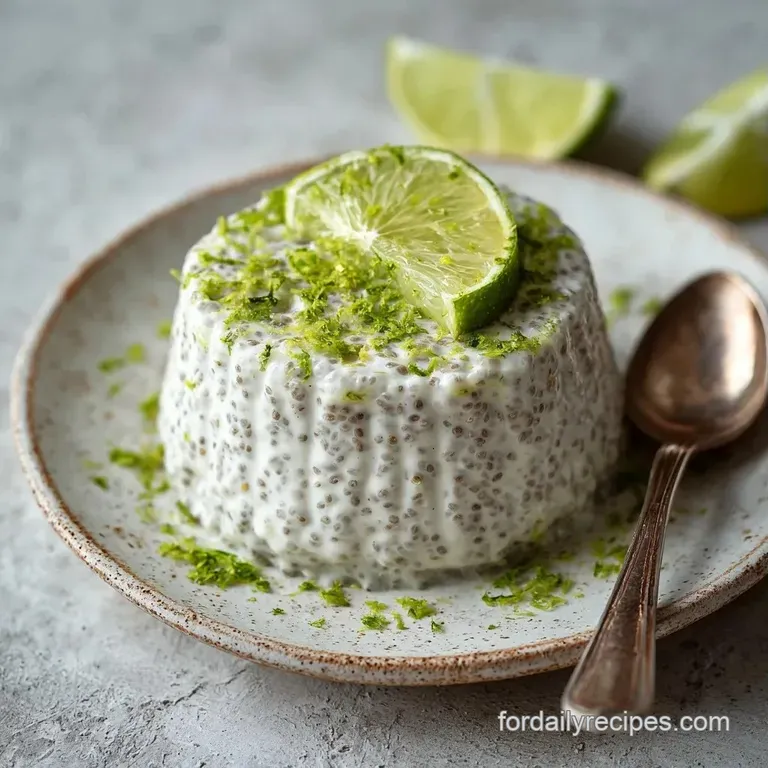
This Tropical Chia Pudding is naturally vegan and gluten-free, but you can tweak it further. For a high protein version, stir in a tablespoon of collagen peptides or a scoop of vanilla pea protein.
Just keep in mind that protein powders absorb liquid, so you might need to add a splash more coconut milk to keep it from becoming too thick.
For those following a keto or low carb lifestyle, swap the maple syrup for a liquid monk fruit sweetener or a few drops of stevia. Since you're cutting the sugar, I recommend adding a bit more lime zest to keep the flavor profile bright. If you find this too rich, you can try my Velvety Rolled Oats recipe for a different kind of wholesome breakfast.
If you love this coconut pineapple combo, you'll probably like my Pina Colada recipe for a weekend treat. Both rely on that same tropical synergy to create a refreshing taste.
Fixing Common Texture Issues
Most problems with chia pudding come down to the ratio of seeds to liquid or the timing of the stir. If your pudding is too runny, it's usually because the seeds didn't have enough time to set or the coconut milk was too thin.
Troubleshooting Common Issues
| Issue | Solution |
|---|---|
| Why Your Pudding Is Too Runny | This usually happens if you use "light" coconut milk or don't let it chill for the full 3 hours. The seeds need time and fat to create that structural gel. |
| Why You Have Chia Clumps | Clumps happen when seeds are dumped in all at once and not whisked. The outer layer of the seed clumps hydrates, creating a barrier that prevents the inside seeds from absorbing any liquid. |
| Why the Flavor Is Bland | If the pudding tastes flat, you likely skipped the salt or the lime zest. Salt doesn't make the pudding salty; it just makes the coconut and maple flavors pop. |
Common Mistakes Checklist
- ✓ Did you whisk twice? (Once at the start, once after 10 mins)
- ✓ Did you use full fat canned coconut milk?
- ✓ Did you add the sea salt?
- ✓ Did you chill for at least 3 hours?
Adjusting the Batch Size
When you're making this for a crowd, don't just multiply everything blindly. For a double batch (8 bowls), you can double the chia seeds and coconut milk, but only increase the salt and lime zest by 1.5x. Too much salt in a large batch can become overwhelming.
If you're making a single serving (1 bowl), use 1 tablespoon of chia seeds and about 100ml of coconut milk. Reduce the chilling time slightly, though 3 hours is still the magic number for the best set. If you use a smaller jar, the pudding may set faster because the surface area is smaller.
Truth About Chia Seeds
There's a common belief that you need to grind chia seeds to get the nutritional benefits. This is simply not true. The seeds are small enough that your body can process them whole, and the gelling process actually makes them easier to digest.
Some people also think you can't use frozen fruit for toppings. While fresh is better for that "shatter" and "snap" texture, frozen mango works perfectly if you thaw it slightly and drain the excess water first. Just avoid using frozen fruit inside the pudding base, as it will water down the coconut milk.
Storage and Freshness
Store your Tropical Chia Pudding in the fridge for up to 5 days. The base stays stable, but the fruit toppings will eventually start to release water and soften. For the best experience, store the pudding base in the jars and add the fresh fruit and toasted coconut only when you're ready to eat.
Do not freeze this pudding. The coconut milk can separate when thawed, leaving you with a grainy, watery mess. If you have leftovers of the fruit mix, you can blend them into a quick smoothie or freeze them to use in a future batch.
To avoid waste, use the leftover coconut milk from the can to make a quick coconut cream or add it to your morning coffee.
Presentation Tips
To make this look like it came from a fancy cafe, try layering. Instead of just putting fruit on top, put a thin layer of diced mango at the bottom of the jar, pour in the pudding, and then add the kiwi and pineapple on top. This creates a beautiful color contrast through the glass.
Another trick is to use a mint leaf for a pop of green. Place one small sprig right in the center of the coconut flakes. If you're serving this for a brunch, use wide mouthed jars and sprinkle the toasted coconut in a ring around the edge, leaving the center for a pile of brightly colored fruit.
The contrast of the white pudding and the vibrant mango makes the Tropical Chia Pudding look as fresh as it tastes.
Recipe FAQs
How to make a tropical chia pudding bowl?
Whisk coconut milk, maple syrup, vanilla, lime zest, and salt, then stir in chia seeds. Let the mixture rest for 10 minutes, whisk again to remove clumps, and refrigerate for 3 hours. Top with mango, kiwi, pineapple, and toasted coconut.
How to use chia seeds in a daily breakfast?
Prepare a batch of pudding overnight to create a nutrient dense meal you can grab quickly. For another refreshing, no-bake treat to rotate into your menu, try a strawberry fluff.
What can I eat chia seeds with?
Pair them with fresh tropical fruits like mango, kiwi, and pineapple. Adding toasted shredded coconut provides a contrasting crunch to the creamy pudding base.
How to incorporate chia seeds into daily snacks?
Blend chia seeds into puddings or smoothies for an easy, portable snack. This tropical pudding base stays stable in the fridge for up to 5 days.
Why is my chia pudding too runny?
Ensure you used full fat coconut milk and chilled the mixture for at least 3 hours. Light coconut milk lacks the necessary fat to create the required structural gel.
How to prevent chia seed clumps?
Pour seeds in slowly while whisking constantly. Perform a second vigorous whisk after the seeds have rested for 10 minutes to break up any remaining clusters.
Is it true that light coconut milk works for this recipe?
No, this is a common misconception. Light coconut milk will not thicken properly, resulting in a runny consistency rather than a creamy pudding.
Tropical Chia Pudding Bowl