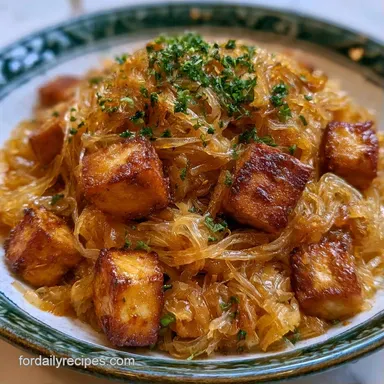
Authentic Tofu Pad Thai with Crispy Tofu
- Time: 20 min prep + 15 min cook
- Flavor/Texture Hook: Tangy, glossy sauce with mahogany crusted tofu
- Perfect for: A fast weeknight dinner that feels extraordinary
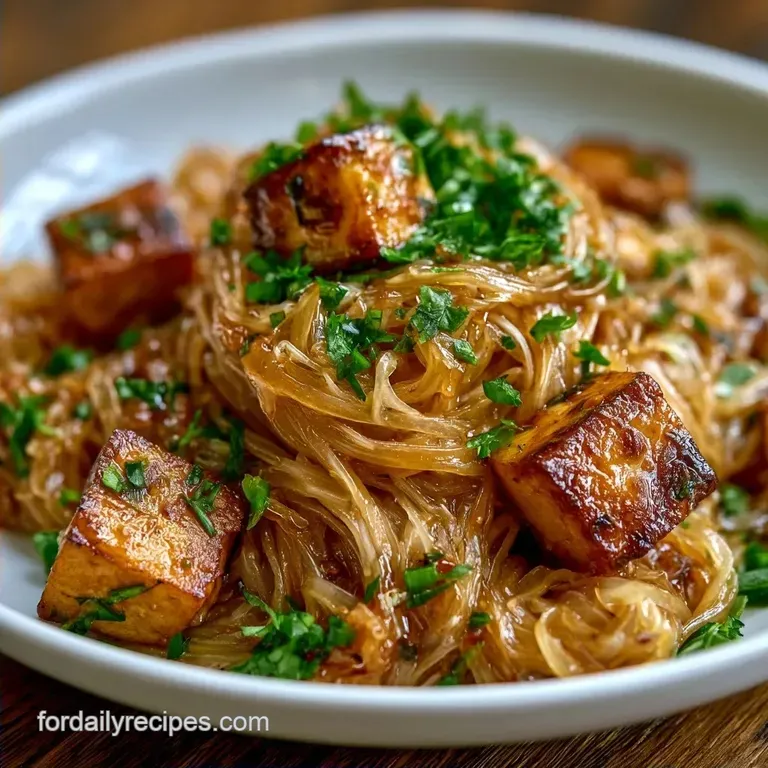
Tofu Pad Thai
That first hiss when the tofu hits the hot oil is the sound of a dinner win. I remember the first time I tried making this at home, I just boiled the noodles and threw everything in a pan. It turned into a soggy, beige mess that tasted like nothing.
I realized later that the magic happens when you treat the tofu like a steak and the noodles like a sponge.
This Tofu Pad Thai hits that sweet and sour spot that makes you crave it every single week. It's not about spending hours in the kitchen, but about doing a few specific things right. You get the contrast of a crisp tofu exterior and a tender, chewable noodle.
Trust me, once you get the sear on the tofu and the sauce clings to the noodles, you'll never go back to takeout. It's a dish that brings those global flavors right into your kitchen without needing a professional setup.
Why This Dish Actually Works
The key is the balance of acid and sugar. When the tamarind and palm sugar hit the heat, they create a glossy glaze that coats everything without making it watery.
The Sear: Searing the tofu without moving it for 3 minutes creates a crust that holds onto the sauce. The Soak: Using warm water instead of boiling water for the noodles keeps them from overcooking in the wok.
| Style | Time | Texture | Flavor Profile |
|---|---|---|---|
| Fast Home Method | 35 mins | Chewy & Crisp | Balanced & Bright |
| Traditional Street | 2+ hours | Soft & Integrated | Deep & Funkier |
What Each Ingredient Does
The sauce is where the personality lives. If one part is missing, the whole thing feels flat.
| Ingredient | What It Does | Best Swap |
|---|---|---|
| Tamarind | Provides a sharp, fruity tang | Lime juice and brown sugar (less depth) |
| Palm Sugar | Adds a mellow, caramel sweetness | Brown sugar |
| Preserved Radish | Gives a salty, fermented crunch | Finely diced salted carrots |
| Extra Firm Tofu | Provides the protein and texture | Tempeh |
The Building Blocks
Right then, let's get the gear and ingredients ready. I prefer using extra firm tofu because it doesn't fall apart when you toss the pan.
- 400g extra firm tofu, pressed and cubed Why this? Holds its shape and browns better
- 225g medium width flat rice noodles Why this? The right surface area for the sauce
- 120ml tamarind concentrate Why this? The essential sour base
- 65g palm sugar, finely chopped Why this? Deep caramel notes
- 45ml soy sauce Why this? Adds salt and umami
- 15ml sriracha Why this? A hint of background heat
- 42g neutral oil Why this? High smoke point for searing
- 9g garlic, minced
- 40g shallot, finely diced
- 60g fresh bean sprouts
- 30g garlic chives, cut into 2 inch pieces
- 15g preserved radish, finely chopped
- 35g roasted peanuts, crushed
- 50g lime, cut into wedges
- 2g red chili flakes
- fresh cilantro for garnish
Equipment Needed
You don't need a professional kitchen, but a few things help. A carbon steel wok is the gold standard because it handles high heat and allows you to toss the ingredients easily. If you don't have one, a large stainless steel skillet works too, just make sure it's preheated well.
I also suggest using a sturdy spatula or a pair of long cooking chopsticks. This helps you move the noodles without breaking them. A fine mesh strainer is a must for draining the noodles quickly so they don't keep cooking in the hot water.
Bringing It Together
Let's crack on. The process is fast once the heat is on, so have everything measured out.
Phase 1: The Flavor Base & Noodle Prep
Place your rice noodles in a large bowl and cover them with very warm water. Let them soak for 20-30 minutes. You want them flexible but still firm to the touch. If they're too soft now, they'll turn to mush in the pan.
While the noodles soak, whisk together the tamarind concentrate, chopped palm sugar, soy sauce, and sriracha. Stir until the sugar is fully dissolved and the sauce is smooth and glossy.
Phase 2: Achieving the Golden Sear
Heat 2 tbsp of oil in your wok over medium high heat. Once it shimmers, add the tofu cubes in a single layer. Leave them alone for 3 minutes until a mahogany crust forms. Flip them and sear the other sides. Remove the tofu and set it aside on a plate.
Add the remaining 1 tbsp of oil to the pan. Sauté the diced shallots, minced garlic, and preserved radish for about 60 seconds. You'll know it's ready when the garlic smells fragrant but hasn't turned brown.
Phase 3: The over High heat Assembly
Drain the noodles and toss them into the wok. Stir fry for 1-2 minutes until the noodles just begin to soften. Pour your tamarind sauce over the noodles. Toss everything vigorously over high heat for 2-3 minutes.
The noodles should absorb the sauce and turn a deep orange.
Return the crisped tofu to the pan. Stir in the bean sprouts and garlic chives. Toss for another 60 seconds just to wilt the greens. Remove from heat immediately.
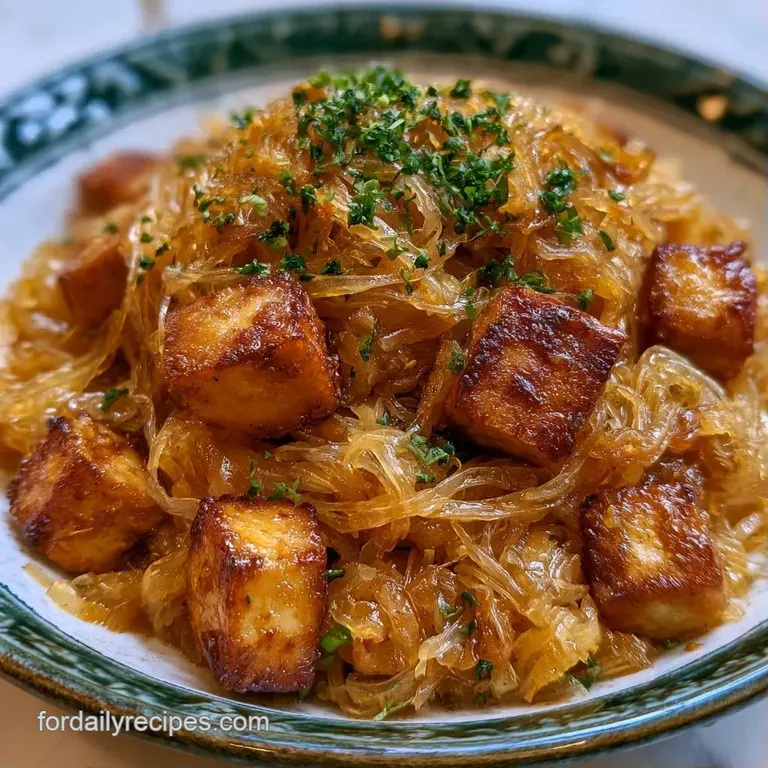
Serve the Tofu Pad Thai garnished with crushed peanuts, red chili flakes, cilantro, and lime wedges.
What Can Go Wrong
Even experienced cooks hit a snag with this dish. Usually, it comes down to the noodles or the heat.
Why Your Noodles Become Mushy
This usually happens if the soak was too long or the heat was too low during the stir fry. If the noodles sit in the sauce without enough heat, they absorb too much liquid and lose their structure.
For Tofu That Sticks to the Pan
If your tofu clings to the metal, the pan wasn't hot enough when the oil went in. You need that initial sizzle to create a non stick barrier of browned protein.
For a Sauce That's Too Tart
Tamarind brands vary in acidity. If the Tofu Pad Thai tastes too sharp, a tiny pinch of extra palm sugar or a drizzle of honey can balance the citrus notes.
| Problem | Root Cause | Solution |
|---|---|---|
| Clumped Noodles | Over soaked or crowded pan | Soak in warm (not boiling) water; cook in batches |
| Tofu is Soft | Not seared long enough | Do not move tofu for 3 minutes per side |
| Bland Taste | Not enough tamarind/salt | Add an extra squeeze of lime and a dash of soy sauce |
Flavor Variations to Try
Once you've nailed the base Tofu Pad Thai, you can start playing with the ingredients. If you're craving meat, my Chicken Pad Thai has a similar vibe but a different protein profile.
For a "veggie loaded" version, add shredded carrots or sliced bell peppers during the shallot sauté. If you want more heat, stir in a tablespoon of Nam Prik Pao (Thai chili jam) into the sauce.
If you're cooking for a crowd, I recommend working in batches. Overcrowding the pan drops the temperature, and you'll end up steaming the noodles instead of frying them. For a larger party, you can try this Vegetarian Pad Thai version for more inspiration.
Decision Shortcut:
- Want more crunch? Double the roasted peanuts.
- Want it spicier? Add fresh Thai bird's eye chilies with the garlic.
- Want it heartier? Add a fried egg on top.
Stir Fry Myths
There's a lot of noise about how to make Tofu Pad Thai, but some of it is just fluff.
Searing tofu does not "seal in" the juices. Tofu doesn't have juices like a steak does. The sear is entirely about adding flavor and creating a structural crust that doesn't collapse.
You don't need to boil your rice noodles. In fact, boiling them often leads to the dreaded mushy texture. A warm soak is all you need to get them al dente.
Make-ahead and Leftover Tips
Tofu Pad Thai is best eaten immediately, but we've all had leftovers. Store them in an airtight container in the fridge for up to 3 days.
When reheating, avoid the microwave if you can. The microwave makes the noodles rubbery. Instead, toss them back into a hot pan with a splash of water or a teaspoon of oil. Stir fry for 2-3 minutes until the noodles loosen up.
To keep things zero waste, save your garlic chive ends and shallot peels. I throw mine into a freezer bag and use them to make a quick vegetable stock. If you have leftover lime wedges, zest them into your morning yogurt or a salad dressing.
Perfect Complements
This dish is a powerhouse on its own, but a few sides make it a full meal. A crisp cucumber salad with rice vinegar and sesame seeds cuts through the richness of the peanuts.
If you want something heartier, serve it alongside some steamed bok choy or a light coconut soup. The bright, acidic profile of the Tofu Pad Thai pairs well with anything fresh and green.
I've found that a cold Thai iced tea is the best way to wash it down. The creamy sweetness of the tea balances the heat from the sriracha and chili flakes.
Right then, you've got everything you need. Just remember to keep that pan hot and don't over soak those noodles. Your Tofu Pad Thai will be a hit.
Critical Sodium Level
1180 mg 1,180 mg of sodium per serving (51% 51% of daily value)
The American Heart Association recommends a daily sodium limit of no more than 2,300 mg, and an ideal limit of no more than 1,500 mg for most adults.
Tips to Reduce Sodium in Your Pad Thai
-
Swap Soy Sauce-30%
Replace regular soy sauce with low-sodium soy sauce or coconut aminos to significantly reduce the salt content.
-
Rinse Preserved Radish-25%
Rinse the preserved radish thoroughly under cold water or soak it for 15 minutes before chopping to leach out excess salt.
-
Modify Sriracha-15%
Replace sriracha with freshly minced bird's eye chilies to get the heat without the added sodium from processed sauces.
-
Boost Acid and Aromatics
Increase the amount of fresh lime juice, minced garlic, and cilantro to enhance the flavor profile without adding salt.
Recipe FAQs
What kind of tofu is best for Pad Thai?
Extra firm tofu. It holds its shape during searing and develops the necessary mahogany crust.
What is the secret to the authentic flavor of Pad Thai?
The balance of tamarind concentrate and palm sugar. This specific combination creates the signature tangy and sweet glaze that defines the dish.
How to prepare rice noodle disks without them becoming mushy?
Soak in very warm, not boiling, water for 20 30 minutes. This ensures they remain flexible but firm before they are added to the wok.
How to make Tofu Pad Thai in under 40 minutes?
Prepare the tamarind sauce and soak noodles simultaneously. Once the tofu is seared and aromatics are fragrant, the final stir fry process only takes a few minutes.
Is it true that tofu Pad Thai is unhealthy because of the oil?
No, this is a common misconception. Using a moderate amount of neutral oil to sear extra firm tofu provides essential protein and texture without making the meal unhealthy.
How to get a professional sear on the tofu?
Heat oil over medium high heat and sear cubes in a single layer for 3 minutes without moving them. If you enjoyed mastering this protein sear, see how the same principle works in our coconut shrimp stew.
What makes tofu Pad Thai unique compared to other stir fries?
The contrast between the crisp tofu exterior and chewy rice noodles. The addition of preserved radish adds a salty, fermented depth not found in standard stir fries.
Tofu Pad Thai Recipe