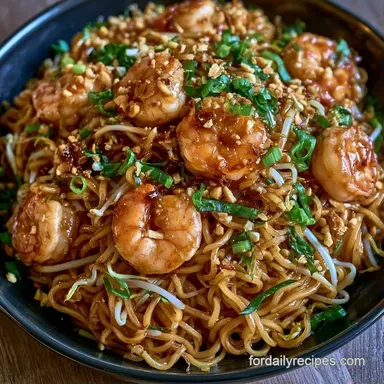
Authentic Tamarind Shrimp Pad Thai
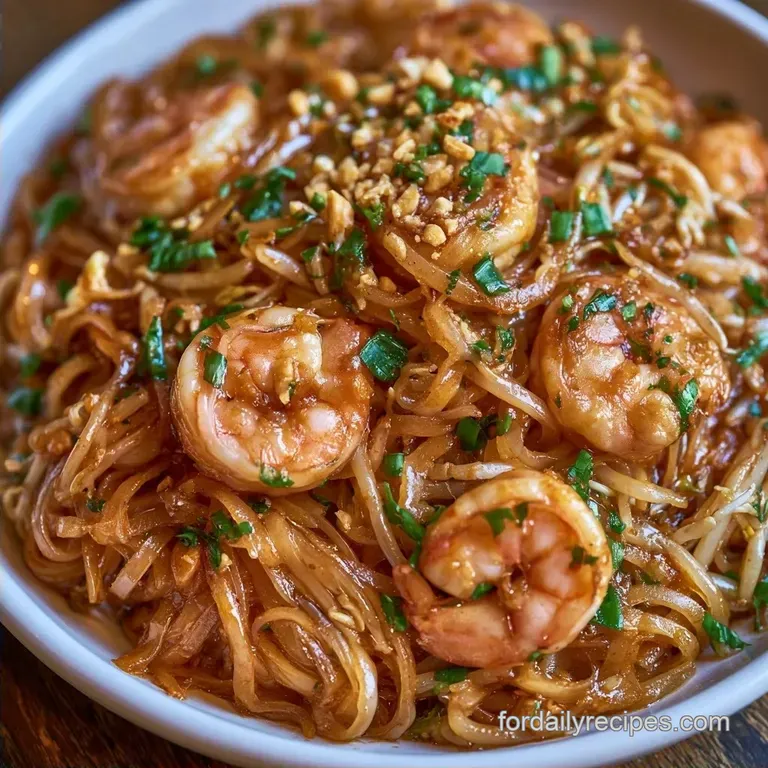
- Time: 15 min active + 25 min soaking (55 min total)
- Flavor/Texture Hook: Tangy and glossy sauce with a crunch from roasted peanuts
- Perfect for: An adventurous weeknight dinner that feels extraordinary
That smell of toasted peanuts and tangy tamarind hitting a hot pan is honestly the best part of the whole process. But let's be real, most people struggle with the noodles. I've had plenty of nights where I ended up with a giant, gummy clump of rice noodles that tasted more like paste than dinner.
It happens when you over boil them or don't time the sauce right.
This is the ultimate recipe for 30 Minute Pad Thai with Shrimp. We're fixing that mushy texture by skipping the boil entirely. Instead, we use a warm soak that keeps the noodles flexible but gives them a bite, ensuring they absorb the sauce without falling apart.
You can expect a dish that contrasts bright lime acidity with the rich, deep sweetness of palm sugar. It's a global flavor that transcends borders, and once you get the heat management down, it feels like something you'd order at a high end spot.
Making Pad Thai with Shrimp
The Warm Soak: Using very warm water instead of boiling the noodles prevents them from releasing too much starch. This keeps them separate and prevents that dreaded gummy texture.
Over High heat Searing: Cooking the shrimp quickly and removing them from the pan stops them from overcooking while you handle the noodles and eggs.
| Method | Time | Texture | Best For |
|---|---|---|---|
| Wok (Stovetop) | 15 mins | Charred and springy | Authentic street food style |
| Sheet Pan (Oven) | 25 mins | Softer and steamed | Hands off cooking for crowds |
What Each Ingredient Does
| Ingredient | What It Does | Best Swap |
|---|---|---|
| Tamarind Paste | Provides the signature sour tang | Lime juice + brown sugar (less depth) |
| Palm Sugar | Adds a caramel like sweetness | Brown sugar or coconut sugar |
| Fish Sauce | Delivers the salty, umami punch | Soy sauce or vegan fish sauce |
| Rice Noodles | The chewy, absorbent base | Flat linguine (will change texture) |
The Shopping List
For the sauce, you'll need these specific items to get the flavor profile right: - 1/2 cup (120ml) Tamarind concentrate Why this? Essential for that authentic sour base - 1/2 cup (100g) Palm sugar, finely chopped Why this? Melts into a rich, buttery
Sweetness - 3 tbsp (45ml) Fish sauce Why this? Adds the necessary salt and depth - 1 tbsp (15ml) Sriracha Why this? Gives a subtle, background heat - 1 tsp (5ml) Lime juice Why this? Brightens the heavier flavors
For the stir fry: - 1 lb (450g) Large shrimp, peeled and deveined Why this? Fast cooking and sweet flavor - 7 oz (200g) Dried flat rice noodles Why this? Holds the sauce without breaking - 2 tbsp (30ml) Neutral oil (like canola or vegetable) - 2 cloves
(6g) Garlic, minced - 1 small (50g) Shallot, finely diced - 2 large (60g) Eggs, lightly beaten - 1 cup (30g) Fresh bean sprouts Why this? Adds a fresh, watery crunch - 1/4 cup (15g) Garlic chives, cut into 1 inch pieces Why this? More pungent than green
Onions
For the garnish: - 1/4 cup (35g) Roasted peanuts, crushed - 1 Lime, cut into wedges - Fresh cilantro sprigs
Step by step Cooking
1. The Prep
Place dried rice noodles in a large bowl and cover with very warm water. Let them sit for 20-30 minutes. You want them flexible but firm to the touch, not soft. While they soak, whisk together the tamarind paste, palm sugar, fish sauce, Sriracha, and lime juice in a small bowl until the sugar dissolves.
Mince your garlic and shallots now, because once the pan is hot, you won't have time to chop.
2. The Shrimp Sear
Heat 1 tbsp of oil in a wok or large skillet over medium high heat. Add the shrimp and sear for 1-2 minutes per side until they turn pink and opaque. Remove them immediately and set them on a plate. If you leave them in, they'll turn into rubber bands.
3. The Aromatics
Add the remaining 1 tbsp of oil to the same wok. Toss in the shallots and garlic. Sauté for about 30 seconds until you smell them fragrantly but before they turn brown.
4. Noodle Integration
Drain your noodles well and add them to the wok. Immediately pour the tamarind sauce over the top. Toss everything for 2-3 minutes until the noodles absorb the sauce and look glossy.
5. The Egg Scramble
Push the noodles to the edges of the pan to create a hole in the center. Pour in the beaten eggs. Let them sit for a few seconds, then scramble them until they are just set. Toss the noodles back over the eggs to combine.
6. The Final Toss
Fold in the seared shrimp, bean sprouts, and garlic chives. Toss everything for 1 minute until the sprouts just start to wilt. Don't overcook this part or you lose the crunch.
7. Plating
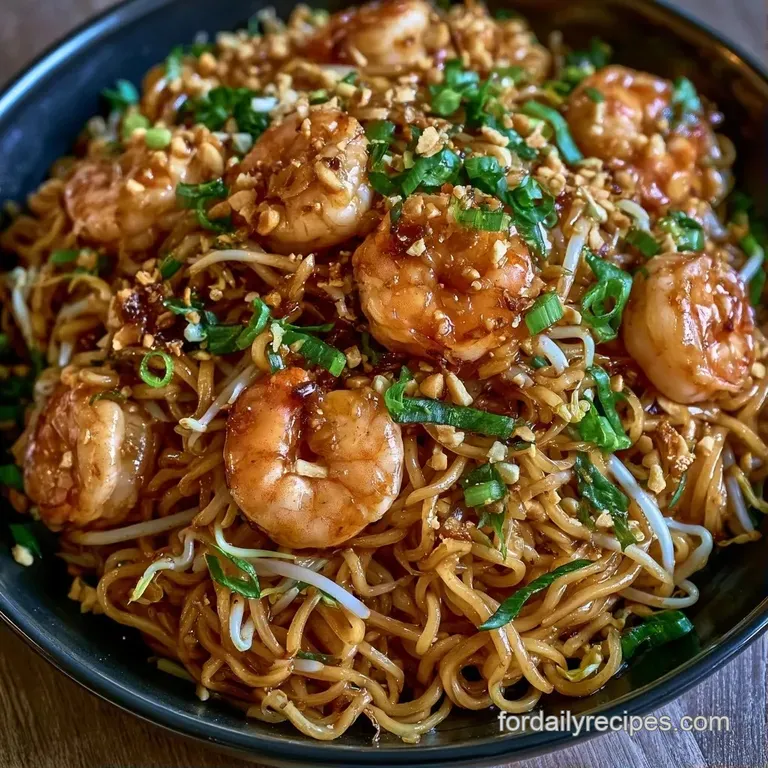
Plate the noodles and top with crushed roasted peanuts and cilantro. Serve with lime wedges on the side so everyone can add their own hit of acidity.
Solving Common Problems
Troubleshooting Common Issues
| Issue | Solution |
|---|---|
| Why Your Noodles Are Mushy | This usually happens if the noodles were soaked in boiling water or left too long. They should have a slight "al dente" feel before they hit the pan. |
| Why Your Sauce Is Too Sweet | Palm sugar varies in intensity. If the dish tastes more like dessert than dinner, add an extra squeeze of lime or a splash more fish sauce to balance the sugar. |
| Why Your Shrimp Are Rubbery | Overcrowding the pan causes the shrimp to steam instead of sear. Cook them in two batches if your pan is small to ensure they get that quick, over high heat finish. |
Adjusting the Portion
If you're cooking for just two people, cut the ingredients in half. Use a smaller skillet so the sauce doesn't evaporate too quickly on the large surface area. I recommend beating one egg and using half of it to keep the ratio right.
When scaling up for a party, don't just quadruple the recipe in one pan. You'll crowd the wok, the temperature will drop, and you'll end up steaming the noodles instead of frying them. Work in batches of two servings each. Also, increase the salt and spices to only 1.5x the original amount first, then taste and adjust. If you want a different protein, this Chicken Pad Thai recipe uses a similar base but handles the meat slightly differently.
| Original | For 2 Servings | For 8 Servings |
|---|---|---|
| Noodles | 3.5 oz | 14 oz (cook in batches) |
| Shrimp | 1/2 lb | 2 lb (sear in batches) |
| Sauce | 1/2 batch | 1.75x - 2x batch |
Busting Noodle Myths
Some people think you need to boil rice noodles in a pot of water. This is a mistake. Boiling them makes them slippery and prone to breaking, which leads to that mushy mass. A warm soak is all you need for this Minute Pad Thai with Shrimp.
Another common belief is that searing the shrimp "seals in the juices." In reality, the sear is just for flavor and color. The real way to keep shrimp juicy is to pull them off the heat the second they turn opaque.
Storage and Waste Tips
This dish is best eaten immediately, but you can store leftovers in an airtight container in the fridge for up to 3 days. When reheating, add a tablespoon of water or a squeeze of lime to the pan to loosen the noodles, as they tend to soak up all the moisture in the fridge.
I don't recommend freezing this because the bean sprouts and noodles lose their texture and become grainy.
To avoid waste, save your shrimp shells and heads in a freezer bag. You can simmer them with some onion and garlic to make a rich seafood stock for another meal. If you have leftover lime wedges, zest them into your morning yogurt or use the juice in a vinaigrette. For those avoiding seafood, my Vegetarian Pad Thai version is a great way to use up leftover garden veggies.
Best Side Pairings
Since this Thai with Shrimp is quite rich and tangy, you want sides that offer a cooling contrast. A simple cucumber salad with rice vinegar and a pinch of sugar works wonders.
If you want something heartier, a side of steamed bok choy with garlic and soy sauce complements the flavors without overpowering them. For a drink, something bright and citrusy works best.
While we're keeping it traditional here, a light sparkling water with a slice of cucumber or a chilled Thai iced tea is the way to go. This Minute Pad Thai with Shrimp is filling enough on its own, but these additions turn it into a full blown feast.
CRITICAL: Very High in Sodium
1350 mg 1,350 mg of sodium per serving (59% 59% of daily value)
The American Heart Association recommends a daily sodium limit of no more than 2,300 mg, and ideally less than 1,500 mg for most adults to reduce cardiovascular risk.
Tips to Reduce Sodium in Your Pad Thai
-
Swap Fish Sauce-30%
Replace standard fish sauce with low-sodium fish sauce or a combination of coconut aminos and extra lime juice to maintain the umami flavor.
-
Adjust Sriracha-10%
Use fresh red chilies or a low-sodium sriracha alternative to reduce the processed salt content in the sauce.
-
Check Tamarind Paste-10%
Ensure you are using unsalted tamarind concentrate; some commercial brands add salt as a preservative.
-
Choose Fresh Shrimp-5%
Use fresh, unbrined shrimp instead of frozen varieties, which often contain sodium tripolyphosphate to retain moisture.
-
Boost Aromatics
Increase the amount of fresh cilantro, minced garlic, and lime wedges to enhance the dish's flavor profile without adding any salt.
Recipe FAQs
How to cook a pad thai noodle disk at home?
Cover dried rice noodles with very warm water in a large bowl. Let them sit for 20-30 minutes until they are flexible but remain firm to the touch.
How to make an authentic Pad Thai in 30 minutes of active time?
Prep your sauce and mince aromatics while the noodles soak. Once the noodles are ready, sear the shrimp and stir fry the remaining ingredients over medium high heat for a fast finish.
What ingredients are needed for authentic Pad Thai?
Whisk together tamarind concentrate, palm sugar, fish sauce, Sriracha, and lime juice. You will also need shrimp, dried flat rice noodles, eggs, bean sprouts, garlic chives, roasted peanuts, and cilantro.
How to make a really good pad thai?
Sear the shrimp separately to ensure they stay opaque and pink rather than steaming. Toss the noodles and sauce quickly in a hot wok so the liquid is absorbed without overcooking the pasta.
Are Pad Thai and Pad Cha the same dish?
No, this is a common misconception. Pad Thai is defined by its sweet and tart tamarind base, while Pad Cha is a spicy, pungent stir fry with a completely different flavor profile.
Why are my Pad Thai noodles mushy?
Stop soaking the noodles if they feel too soft. Avoid using boiling water, as noodles must have an al dente texture before hitting the pan to survive the final cooking process.
What are some of the favorite Thai dishes for non-Thai people?
Pad Thai is the most popular choice due to its crowd pleasing balance of flavors. If you enjoyed the tangy balance in this recipe, see how we use a similar profile in our silky and tangy sauce.
Pad Thai With Shrimp