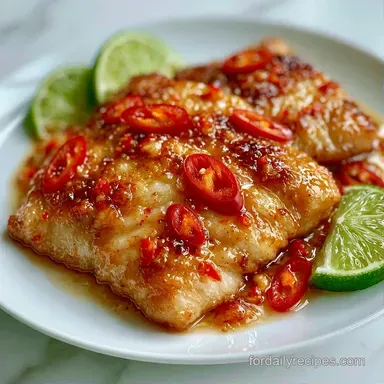
Authentic Thai Chilli Lime Fish
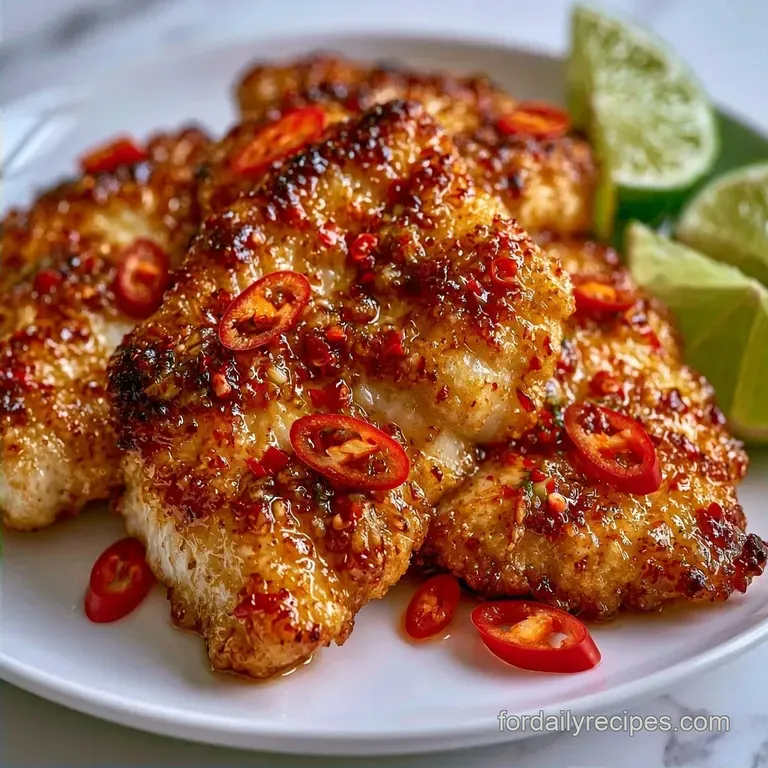
- Time: 10 min active + 10 min cook
- Flavor/Texture Hook: Zesty, spicy, and flaky
- Perfect for: A fast weeknight dinner that feels fancy
- Thai Chilli Lime Fish: The Real Deal
- The Reason This Works
- The Essential Ingredient List
- Timing and Yield Details
- Kitchen Tools for Steaming
- Putting the Flavors Together
- Troubleshooting Your Thai Fish
- Scaling the Recipe
- The Common Fish Myths
- Storage and Scraps
- Best Sides for This Dish
- Flavor Twists and Swaps
- Recipe FAQs
- 📝 Recipe Card
The smell of steaming ginger and lime hits you the second you open the pot. It's that sharp, bright aroma that makes your mouth water before the plate even hits the table. I used to overthink fish, worrying about it falling apart or tasting "fishy," but this approach takes all that stress away.
You get a dish that's light but packs a serious punch. The balance of salty fish sauce and sweet coconut sugar creates a layer of flavor that doesn't drown out the fresh white fish.
This Thai Chilli Lime Fish is all about the contrast. You have the hot, tender fish meeting a cold, zesty dressing. It's a quick win for anyone who wants global flavors without spending three hours in the kitchen.
Thai Chilli Lime Fish: The Real Deal
The biggest issue I see with most fish recipes is the "mush factor." People either undercook it and leave it translucent or overcook it until it's like rubber. When you steam fish, you have a much smaller window of error, but you have to be precise.
Another common slip is adding the lime juice too early. If you cook the fish in the acid, the proteins break down too quickly and you lose that flaky texture. The trick is to steam the fish plain and hit it with the sauce the moment it leaves the heat.
Right then, let's get into what actually makes this work.
The Reason This Works
Acid Balance: The lime juice breaks through the fat of the fish, making the whole dish feel light.
Umami Base: Fish sauce provides a deep, salty backbone that makes the heat of the bird's eye chillies pop.
| Aspect | Fast Method | Classic Method |
|---|---|---|
| Total Time | 20 minutes | 45+ minutes |
| Texture | Tender, flaky | Soft, poached |
| Flavor Profile | Zesty and bright | Mellow and deep |
The Essential Ingredient List
The choice of fish matters here. You want something that holds its shape but flakes easily. I usually go for Cod or Halibut, but Tilapia works if you're on a budget. Trust me on this, don't use a super oily fish like salmon here, as it clashes with the sharp lime.
For the Fish
- 1 lb white fish fillets (Cod, Halibut, or Tilapia) Why this? Mild flavor lets the sauce shine
- 1/2 tsp sea salt
- 1 tbsp neutral oil Why this? Prevents sticking and adds a hint of richness
For the Chilli Lime Sauce
- 3 tbsp fresh lime juice Why this? Fresh is non negotiable for the zing
- 3 tbsp fish sauce Why this? Essential for that authentic salty funk
- 1 tbsp coconut sugar Why this? Mellows the acid better than white sugar
- 4 cloves garlic, finely minced
- 5 bird's eye chillies, finely chopped Why this? Intense heat that cuts through the fish
- 2 tbsp fresh coriander, chopped
- 1 tsp lime zest
| Ingredient | What It Does | Best Swap |
|---|---|---|
| Fish Sauce | Adds salt and depth | Soy sauce (slightly less funk) |
| Coconut Sugar | Balances the acid | Brown sugar (richer taste) |
| Lime Juice | Provides brightness | Lemon juice (more subtle) |
Timing and Yield Details
This recipe is designed for two people. It's a lean meal, so you'll likely want a side of jasmine rice to soak up the extra sauce.
- Prep time:10 minutes
- Cook time:10 minutes
- Total time:20 minutes
- Yield: 2 servings
Kitchen Tools for Steaming
You don't need a fancy bamboo steamer for this, though they're great if you have one. A metal steamer basket that fits inside a pot works perfectly. If you're totally out of gear, you can use a heat proof plate propped up on a few slices of ginger inside a large skillet with a tight lid.
The most important tool is a meat thermometer. For this Thai Chilli Lime Fish, you're looking for an internal temperature of 145°F (63°C). If you don't have one, just look for that pearlescent white color.
Putting the Flavors Together
Before you start, make sure your fish is at room temperature for about 10 minutes. This ensures it cooks evenly. I've found that cold fish often overcooks on the outside before the center is done.
- Whisk together the lime juice, fish sauce, and coconut sugar in a small bowl until the sugar crystals disappear.
- Stir in the minced garlic, chopped bird's eye chillies, and lime zest. Set this aside.
- Pat the fish fillets dry with a paper towel. Note: Dry fish steams better and doesn't get soggy.
- Season the fillets with salt and rub the neutral oil over the surface.
- Bring water to a boil in your pot.
- Place the fish in the steamer basket over the boiling water.
- Cover tightly and steam for 7-9 minutes until the flesh transforms from translucent to an opaque, pearlescent white.
- Transfer the fillets to a plate immediately.
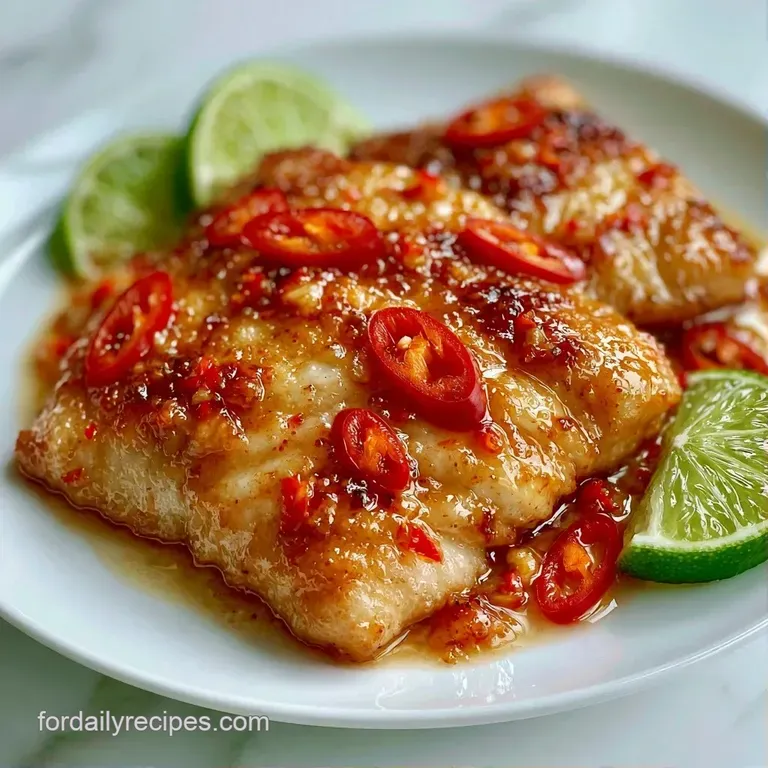
- Pour the reserved chilli lime sauce over the hot fish.
- Garnish with fresh coriander.
For those worried about the fish sticking, following the steaming techniques on Serious Eats can help you manage the heat and moisture levels.
Troubleshooting Your Thai Fish
The most common issue is texture. If your Thai Chilli Lime Fish feels rubbery, you've likely pushed it a minute or two too far. Fish continues to cook for a couple of minutes after you take it off the heat, so pull it out just before it looks "done."
Rubbery Fish
This happens when the protein fibers tighten up from too much heat. The fish loses its flakes and becomes chewy.
Too Salty Sauce
If the fish sauce is overpowering, it's usually because the coconut sugar didn't balance it out. You can fix this by adding an extra squeeze of lime or a pinch more sugar.
Bland Flavor
This usually means the fish wasn't salted enough before steaming. The sauce sits on top, but the salt needs to be inside the flesh.
| Problem | Root Cause | Solution |
|---|---|---|
| Rubberiness | Overcooked by 2-3 mins | Pull fish at 140°F; let carryover finish it |
| Too Salty | High fish sauce ratio | Add 1 tsp honey or more lime juice |
| Sogginess | Fish not patted dry | Use paper towels to remove surface moisture |
Scaling the Recipe
When making this for a crowd, don't just multiply everything by four and throw it in one pot. You'll crowd the steamer, the steam won't circulate, and the fish will boil instead of steam.
Scaling Down (1 person): Use a smaller pan and reduce the steam time by about 20%. For the sauce, just halve everything, but keep a close eye on the salt levels.
Scaling Up (4+ people): Work in batches. It's better to steam two loads of fish for 8 minutes than one giant load for 15 minutes. When doubling the sauce, only increase the salt and chillies to 1.5x first, then taste it.
You can always add more, but you can't take it out.
The Common Fish Myths
You might hear that you should "sear the fish first to lock in the juices." Honestly, that's not how it works. Searing adds flavor and a crust, but it doesn't create a seal. For this recipe, we want the clean, light texture that only steaming provides.
Another myth is that frozen fish is always lower quality. In many cases, flash frozen fillets are actually fresher than "fresh" fish that's been sitting in a display case for three days. Just make sure to thaw them slowly in the fridge.
Storage and Scraps
This Thai Chilli Lime Fish is best eaten immediately. Once the fish sits in the lime sauce for too long, the acid starts "cooking" it (like ceviche), which changes the texture.
Storage: If you have leftovers, keep them in an airtight container in the fridge for up to 2 days. Reheat gently in a pan over low heat to avoid toughening the fish.
Zero Waste: Don't toss the lime rinds. You can freeze them to use in future zests or put them in a jar of white vinegar for a few weeks to make a great citrus cleaner. If you used ginger slices to prop up your fish, throw those into a tea pot with some honey for a soothing brew.
Best Sides for This Dish
Because the sauce is so punchy, you need sides that provide a neutral base. Steamed jasmine rice is the gold standard here. If you want something a bit more interesting, try a chilled cucumber salad with rice vinegar and sesame seeds.
I usually serve this with a side of Thai Crispy Fried Egg to add some crunch and richness to the plate. The crispy edges of the egg contrast beautifully with the tender fish.
Flavor Twists and Swaps
If you want to change the vibe, try adding a teaspoon of grated ginger to the sauce. It adds a warm, peppery note that pairs well with the lime. For a creamier version, stir in a tablespoon of coconut cream right at the end of the sauce prep.
If you're into these bold notes, my Universal Thai Stir Fry Sauce uses a similar base and works great if you want to whip up some quick veggies to go with your fish.
For a low sodium version, swap half of the fish sauce for coconut aminos. You'll lose a bit of that deep funk, but it keeps the brightness intact. If you're making this for someone who can't handle the heat, swap the bird's eye chillies for red bell pepper and a pinch of paprika.
Recipe FAQs
Is Thai Chilli Lime Fish spicy?
Yes, it has a significant kick. The recipe uses five bird's eye chillies, which are highly potent and provide a sharp, lingering heat.
Which fish are best for this recipe?
Use white fish fillets like Cod, Halibut, or Tilapia. These varieties maintain their structure during the steaming process and absorb the citrus sauce well.
How to make the Thai chilli lime sauce?
Whisk lime juice, fish sauce, and coconut sugar in a small bowl until the sugar dissolves. Stir in the minced garlic, chopped bird's eye chillies, and lime zest.
Is it true that Thai cuisine is overly dependent on fish sauce?
No, this is a common misconception. Fish sauce provides a foundation of umami, but it is always balanced with contrasting acidity from lime and sweetness from coconut sugar.
What can I use as a substitute for fish sauce?
Soy sauce or a mix of salt and seaweed can mimic the savory profile. If you enjoyed balancing the salt and acid here, see how we use a similar flavor balance in our Tzatziki sauce.
Why did my steamed fish turn out rubbery?
You likely overcooked it. Steam for exactly 7 9 minutes and remove the fish just before it looks fully done, as it continues to cook after removal from the heat.
Can I store leftovers in the fridge?
Yes, for up to 2 days in an airtight container. Reheat gently over low heat, but note that the acid in the lime sauce will gradually change the fish's texture over time.
Thai Chilli Lime Fish