Crispy Khai Jiao Thai Omelet
- Time: 5 min active + 3 min cook
- Flavor/Texture Hook: Shattering crisp edges with a salty, umami center
- Perfect for: Weeknight dinners or a fast, savory breakfast
- Why You'll Love This Thai Omelet
- What Makes These Eggs Crisp
- Your Shopping List Guide
- Simple Tools You'll Need
- Step-by-Step Frying Guide
- Fixing Common Cooking Issues
- Troubleshooting Common Issues
- Adjusting the Serving Size
- Quick Egg Myths
- Storage and Zero Waste
- Serving Your Hot Omelet
- Ways to Customize Flavor
- Recipe FAQs
- 📝 Recipe Card
The first thing you notice is the sound. It's a loud, aggressive sizzle the second the eggs hit the oil, filling the kitchen with a salty, savory aroma. I remember the first time I had a Khai Jiao Thai Omelet at a street stall in Bangkok, and I was stunned that something so simple could have so much texture.
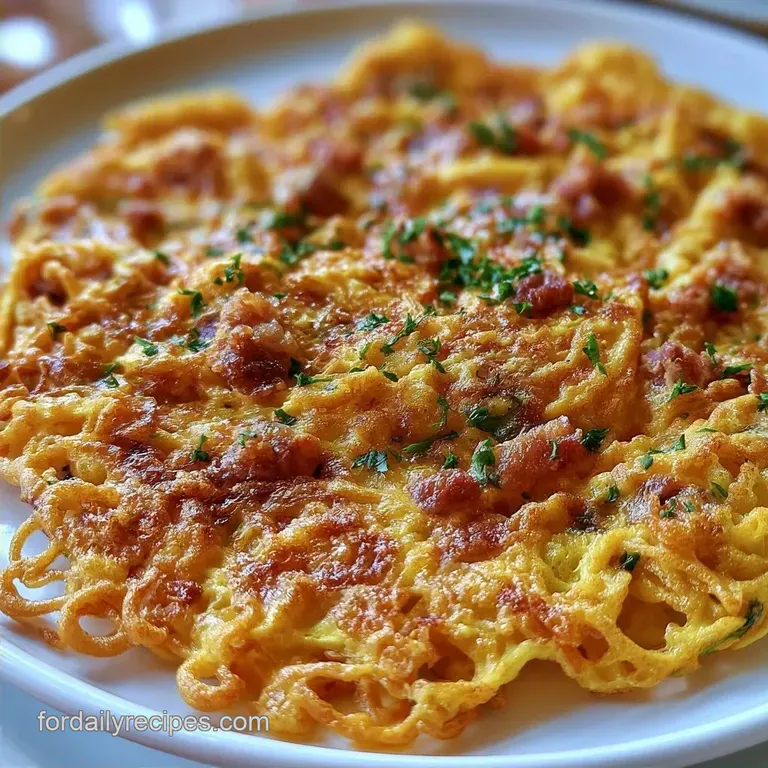
You can make a Thai Omelet in under ten minutes, but the result is far from simple. It’s about the clash of textures, where the oil essentially fries the egg into a golden lace. This isn't your typical folded French omelet.
We're aiming for something that feels extraordinary. By using a few specific tricks with the whisk and the pan, you can bring those global flavors home. This dish transcends borders because everyone loves a crispy egg.
Why You'll Love This Thai Omelet
Most people are used to eggs that are soft or steamed. A Thai Omelet changes that by treating the egg more like a fritter. You get these jagged, brown edges that crunch when you bite into them, but the inside stays just tender enough to hold the pork and shrimp.
It is a brilliant way to use up a few eggs and some leftover protein. Since it cooks so fast, you don't have to spend an hour prepping. You just whisk, pour, and flip.
The saltiness from the fish sauce and the tiny hit of lime juice create a balance that keeps it from feeling too heavy. It's a bright, punchy meal that satisfies a craving for something salty and rich.
What Makes These Eggs Crisp
Air Pockets: Whisking the eggs until they are frothy creates tiny bubbles that expand rapidly in hot oil. The High Pour: Dropping the mixture from a height forces the eggs to spread and ripple, which creates more surface area for browning.
If you're interested in other ways to get that edge, you might like my Thai crispy fried egg guide. Both rely on heat, but the omelet has more structure.
| Method | Time | Texture | Best For |
|---|---|---|---|
| Stovetop (Wok) | 3 mins | Shattering & Laced | Authentic street style |
| Oven Baked | 12 mins | Soft & Uniform | Large crowds/Meal prep |
Your Shopping List Guide
Getting the right ingredients for a Thai Omelet ensures you get that specific umami punch. Don't skip the cornstarch, as it helps the eggs hold together despite all the air we're whisking in.
For the Egg Base
- 3 large eggs (150g)
- 1 tbsp fish sauce (15ml) Why this? Provides the essential salty, fermented depth
- 1/2 tsp lime juice (2.5ml) Why this? Cuts through the oil with acidity
- 1/4 tsp white pepper (1.5g) Why this? Adds a subtle, earthy heat
- 1/8 tsp cornstarch (0.75g) Why this? Stabilizes the bubbles for better lift
For the Protein Add ins
- 1/4 cup minced pork (60g) Why this? Adds richness and chew
- 1/4 cup peeled shrimp (60g) Why this? Adds a sweet, oceanic snap
- 2 tbsp scallions (30g) Why this? Adds a fresh, oniony bite
For Frying
- 1/2 cup neutral oil (120ml) Why this? High smoke point prevents burning
| Ingredient | What It Does | Best Swap |
|---|---|---|
| Fish Sauce | Salty umami base | Soy sauce (saltier, less funky) |
| Minced Pork | Hearty texture | Ground chicken (leaner, milder) |
| Cornstarch | Structural support | Rice flour (slightly crispier) |
Simple Tools You'll Need
You don't need a professional kitchen for a Thai Omelet, but the pan matters. A carbon steel wok is the traditional choice because it distributes heat quickly. If you don't have one, a deep non stick skillet works just fine.
Use a whisk or a fork to get those eggs really frothy. A wide spatula is also a must for the flip, as you'll want to move the whole thing at once.
Step-by-step Frying Guide
Follow these steps to ensure your Thai Omelet doesn't just turn into scrambled eggs. Precision with the oil temperature is where most people go wrong.
- Crack eggs into a bowl and add fish sauce, lime juice, white pepper, and cornstarch. Whisk vigorously for 1-2 minutes until the mixture is pale and frothy bubbles form on top. Note: These bubbles are what create the lift.
- Gently fold in the minced pork, peeled shrimp, and finely diced scallions.
- Heat neutral oil in a wok or deep non stick pan over medium high heat. Test the oil by dropping a small amount of egg mixture; it should sizzle and puff immediately.
- Lift the bowl 6-10 inches above the pan and pour the egg mixture in a steady stream into the center of the hot oil.
- Cook for 45-60 seconds until the bottom is deep golden brown.
- Flip the omelet in one quick motion and cook the other side for 30-45 seconds.
- Remove from pan and drain excess oil on paper towels before serving.
This method ensures the Jiao Thai Omelet stays light. If you pour the eggs in slowly or close to the pan, you lose that ripple effect.
Fixing Common Cooking Issues
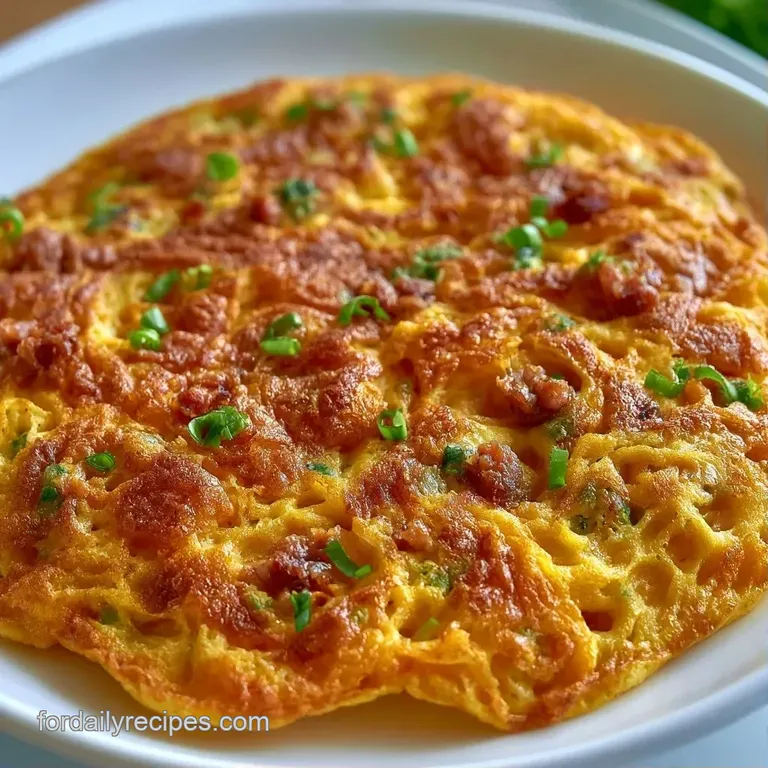
Even a seasoned cook can have a bad egg day. Most Thai Omelet issues come down to heat management or the pour.
Troubleshooting Common Issues
| Issue | Solution |
|---|---|
| Why Your Eggs Stay Flat | If your eggs didn't puff up, you probably didn't whisk them enough or the oil wasn't hot enough. You need those bubbles to expand the moment they hit the grease. |
| Why the Center is Rubbery | Overcooking is the culprit here. Because the oil is so hot, the window between "done" and "rubbery" is only about 15 seconds. |
| Why It Feels Greasy | This happens if the oil temperature drops too low, causing the egg to soak up the fat instead of searing. Always test a drop of egg first. |
Adjusting the Serving Size
Scaling a Thai Omelet is a bit different than scaling a cake. You can't just multiply everything and pour it into one pan, or the middle will never cook through.
If you're cooking for one, beat one egg and then use half of the mixture. Use a smaller pan to keep the oil deep enough. Reduce the cook time by about 20% since the omelet will be thinner.
For a larger crowd, work in batches. If you double the recipe, only increase the salt and pepper to 1.5x. Liquids like fish sauce can become overwhelming if doubled exactly.
Chef's Tip: If you're making multiple batches, let the oil cool for a minute between omelets. If it's smoking, you'll burn the eggs before the pork inside is cooked.
Quick Egg Myths
Some people believe that searing eggs seals in the moisture. That isn't true. Moisture loss happens regardless of the heat, but the sear adds a deep, nutty flavor.
Another myth is that you need a wok to get the crunch. While a wok is great, any pan that can hold a decent layer of oil will work for this Jiao Thai Omelet.
Storage and Zero Waste
A Thai Omelet is best eaten immediately, but you can store leftovers in an airtight container in the fridge for 3 days. To reheat, use a toaster oven or a dry pan. Avoid the microwave, as it makes the crispy edges soggy.
For zero waste, don't throw away your eggshells. Crush them up and add them to your garden soil for a calcium boost. If you have leftover scallion greens, freeze them in a small bag to toss into future stir fries.
Serving Your Hot Omelet
The most traditional way to enjoy this is over a bed of jasmine rice. The rice soaks up any extra oil and balances the salt. I highly recommend pairing it with some Thai sticky rice for a heartier meal.
Squeeze a bit of extra lime over the top just before eating. The acidity wakes up the rich fats of the pork and shrimp. A side of Sriracha or a spicy chili sauce is also a great addition.
You can also serve it as a side dish for a larger meal. It works well alongside a spicy soup or a tangy salad to provide a rich, savory contrast.
Ways to Customize Flavor
Once you've nailed the basic Thai Omelet, you can start playing with the fillings. For a more luxurious version, swap the pork for lump crab meat. Just fold the crab in at the very end so it doesn't break.
If you want a veggie version, use diced carrots, mushrooms, and baby corn. The cornstarch is even more important here to keep the vegetables from weighing down the egg.
For a different heat profile, add a pinch of cayenne or a dash of hot sauce directly into the egg mixture. This distributes the spice evenly throughout the dish.
For More Hearty Protein
Try adding minced chicken or diced tofu. Tofu works surprisingly well if you press it first to remove excess water.
For Different Dietary Needs
If you're avoiding fish sauce, use a mix of soy sauce and a tiny bit of salt. You'll lose some of the funk, but the savory profile remains.
Whether you're making this as a quick lunch or a weekend treat, the Thai Omelet is a great example of how a few simple ingredients can create something extraordinary. It's all about that contrast of a crispy shell and a tender heart. Trust the sizzle, pour from high, and enjoy the crunch.
Recipe FAQs
What is Kai Jiao?
A deep fried Thai omelet. This popular street food is prized for its golden brown, crispy edges and light, airy interior.
What ingredients are in a Thai omelet?
Eggs, fish sauce, lime juice, white pepper, and cornstarch. These are combined with minced pork, peeled shrimp, and scallions before frying in neutral oil.
Is a Thai omelet essentially the same as a regular American omelet?
No, this is a common misconception. American omelets are gently folded and soft, whereas Kai Jiao is deep fried in hot oil to create a puffed, crunchy texture.
How do you make a Thai omelet crispy?
Whisk eggs vigorously for 1-2 minutes until frothy bubbles form. Pour the mixture from 6-10 inches above the pan into medium high heat oil to maximize the puff and crunch.
Can you make a Thai omelet without fish sauce?
Yes, but you will lose the signature savory depth. If you prefer different salt profiles, you can explore the seasoning balance used in our vegetable Pad Pak.
How do you make a Thai omelet with pork?
Fold 1/4 cup of minced pork into the whisked egg mixture. Gently stir the pork and shrimp into the frothy eggs before pouring them into the hot oil.
What do you eat with Kai Jiao?
Steamed jasmine rice. The neutral flavor and fluffy texture of the rice balance the rich, salty, and oily nature of the fried omelet.
Crispy Thai Omelet