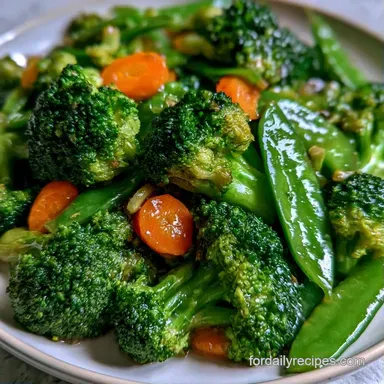
Mixed Vegetable Pad Pak in 25 Minutes
- Time: 15 min prep + 10 min cook
- Flavor/Texture Hook: Glossy, salty sweet glaze with a loud, fresh crunch
- Perfect for: Weeknight dinner or a vibrant side for rice
The sound of a hot wok is something else. It's that aggressive hiss when the garlic hits the oil, followed by the sudden silence as the vegetables soak up the heat. I remember the first time I tried making Mixed Vegetable Pad Pak at home. I threw everything in the pan at once, and instead of a crisp stir fry, I ended up with a soggy, grey vegetable soup. It was a mess, but it taught me the most important lesson in Thai cooking: order matters.
This Mixed Vegetable Pad Pak recipe isn't about following a rigid set of rules. It's about understanding how different vegetables react to heat. Some need a few minutes to soften, while others wilt if you look at them wrong.
By grouping your ingredients, you get a dish where the carrots are tender but the snap peas still have that satisfying pop.
You can expect a bold, umami heavy flavor that transcends borders. It's a global approach to a classic Thai stir fry, bringing those over high heat street food flavors into a home kitchen. Trust me on this, once you get the timing right, you'll never go back to steaming your greens.
Everything About Mixed Vegetable Pad Pak
Right then, let's talk about why this works. The trick is all in the "density sorting." You can't treat a baby corn the same way you treat a red pepper. If you do, one will be raw while the other is mush.
Staggered Entry: Adding hard vegetables first allows them to soften without overcooking the delicate ones. Sauce Timing: Adding the glaze at the very end prevents the sugar from burning and keeps the vegetables from stewing in liquid.
| Method | Time | Texture | Best For |
|---|---|---|---|
| Stovetop Wok | 10 mins | Snappy & Glossy | High heat, fast meals |
| Oven Roast | 25 mins | Soft & Caramelized | Large batches, hands off |
Ingredient Deep Dive
The sauce for Mixed Vegetable Pad Pak needs to be balanced. You have the salt from the soy and oyster sauce, the sweetness of coconut sugar, and the aromatic punch of white pepper. According to Serious Eats, using high heat in a wok allows for rapid evaporation of moisture, which means the sauce reduces into a glaze rather than a puddle.
| Ingredient | What It Does | Best Swap |
|---|---|---|
| Oyster Sauce | Adds deep umami | Vegetarian Mushroom Sauce |
| Coconut Sugar | Mellow sweetness | Brown Sugar (less floral) |
| Shiitake | Earthy, meaty texture | Button Mushrooms (milder) |
| White Pepper | Sharp, floral heat | Black Pepper (more pungent) |
Essential Cooking Gear
You don't need a professional kitchen, but a few things make this a lot easier. A carbon steel wok is the gold standard because it handles heat changes instantly. If you don't have one, a large cast iron skillet works just as well.
I suggest using a wide spatula or a wok spatula. You'll be tossing the vegetables constantly, and you need something that can get under the broccoli florets without breaking them. Also, have your bowls of pre chopped veg ready to go. In stir frying, 30 seconds is the difference between a sear and a steam.
Step by step Guide
Let's crack on with the actual cooking. Remember to keep your heat high. If the pan stops sizzling, you've lost your sear.
- Organize chopped vegetables by density. Place carrots, broccoli, and baby corn in one bowl (hard vegetables) and peppers and snap peas in another (soft vegetables).
- Whisk the oyster sauce, soy sauce, coconut sugar, sesame oil, white pepper, and water in a small bowl until the sugar is dissolved.
- Heat 2 tbsp neutral oil in a wok or large cast iron skillet over medium high heat until shimmering.
- Add 4 cloves sliced garlic and 1 tbsp minced ginger. Stir fry for 30-60 seconds until the garlic is pale gold.
- Increase heat to high. Add the hard vegetables (carrots, broccoli, baby corn) and stir fry for 2-3 minutes.
- Add 8 oz sliced shiitake mushrooms and 1 sliced red bell pepper, tossing constantly.
- Add 1 cup trimmed snap peas and cook until they are tender crisp.
- Pour the prepared sauce over the vegetables.
- Toss rapidly for 1-2 minutes until the sauce bubbles and becomes a silky glaze.
- Remove from heat immediately to prevent overcooking.
Chef's Note: To get the vegetables even brighter, soak your broccoli and carrots in ice water for 10 minutes before drying them and stir frying. It keeps the cell walls tight.
Tips and Pitfalls
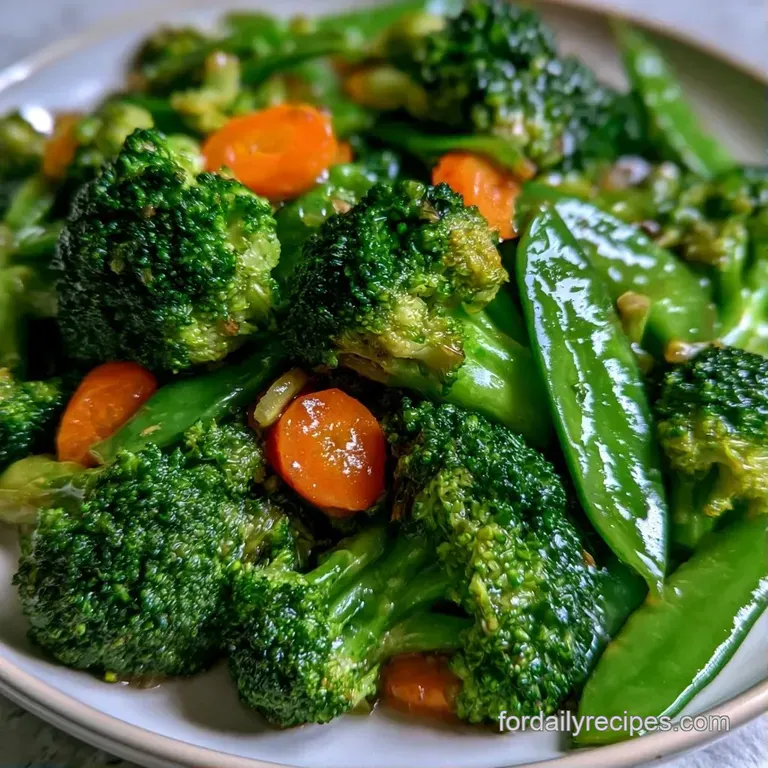
One mistake I once made was using too much water in the sauce. It turned the Mixed Vegetable Pad Pak into a stew. Keep the water to exactly 1 tbsp. The moisture from the mushrooms and peppers is usually enough to create a sauce.
Another thing to watch is the garlic. If it turns dark brown, it gets bitter. Keep it pale gold. If you're using a very hot wok, you might need to add the garlic a few seconds later than you think.
Why Your Veggies Are Mushy
If your vegetables lose their snap, you're likely overcrowding the pan. When too many cold veggies hit the pan, the temperature drops, and they start releasing water. This leads to steaming instead of frying.
| Problem | Root Cause | Solution |
|---|---|---|
| Watery Sauce | Too many veg / Low heat | Cook in smaller batches |
| Burnt Garlic | Pan too hot at start | Add oil or lower heat for 30s |
| Raw Carrots | Added too late | Add carrots first |
Customizing Your Plate
This recipe is a great base, but you can definitely move things around. If you want a protein punch, add thinly sliced chicken or tofu. Just sear the protein first, remove it from the pan, and toss it back in at the very end with the sauce.
For a fully vegan version, swap the oyster sauce for a mushroom based vegetarian stir fry sauce. It has the same salty, savory depth without the seafood. If you're craving something sweet after this savory stir fry, my Sugar Cookies are a great contrast.
If you want X, do Y: If you want more heat, add two sliced Thai bird's eye chilies with the ginger. If you want more crunch, add sliced water chestnuts or bamboo shoots. If you want a nuttier finish, toss in a handful of roasted cashews at the end.
Storage and Reheating
Mixed Vegetable Pad Pak stays good in the fridge for about 3 days. Store it in an airtight glass container. The sauce will thicken as it cools, which is normal.
When reheating, avoid the microwave if you can. The microwave will turn those snappy vegetables into mush. Instead, toss them back into a hot pan for 2 minutes with a teaspoon of water. This brings back the glossy texture and wakes up the aromatics.
Regarding zero waste, don't throw away those mushroom stems. They're too flavorful. Keep them in a bag in the freezer to use for a homemade vegetable stock later. Even the broccoli stalks are great if you peel the tough outer skin and slice the inside into thin matchsticks.
Plating and Presentation
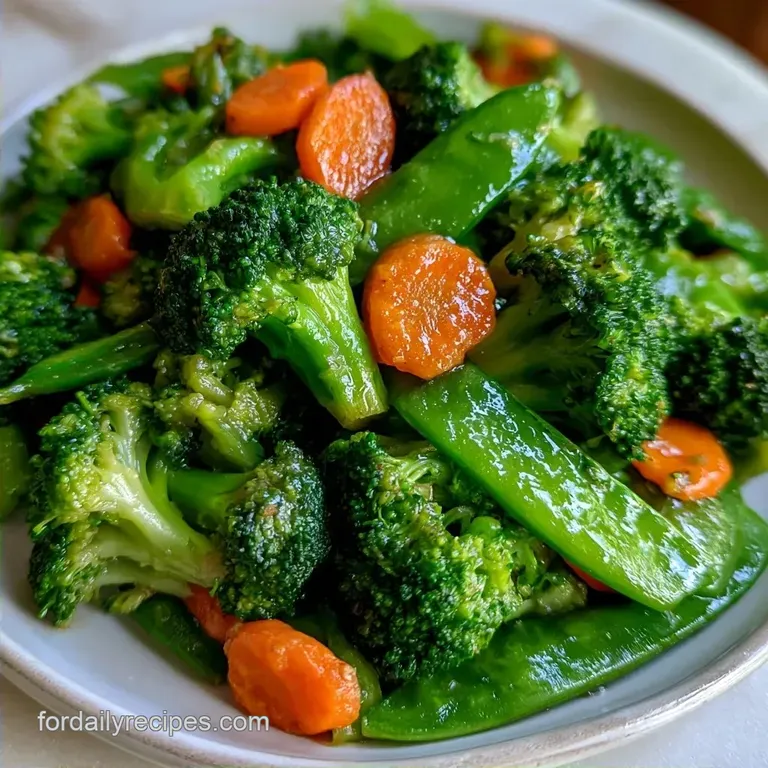
Serving Mixed Vegetable Pad Pak is all about color. You have the deep green of the broccoli, the bright orange of the carrots, and the red of the peppers. Pile the vegetables high in the center of a shallow bowl.
Drizzle any remaining sauce from the pan over the top. A sprinkle of toasted sesame seeds or a few fresh cilantro leaves adds a professional look without any real effort. If you're serving this as a main, a side of steamed jasmine rice is the classic choice.
| Serving Style | Vessel | Garnish | Best For |
|---|---|---|---|
| Family Style | Large Platter | Sliced Scallions | Group dinners |
| Individual | Deep Bowl | Toasted Sesame | Weeknight meals |
| Bento Box | Divided Tray | Lime Wedge | Meal prep |
Common Recipe Failures
Many Mixed Vegetable Pad Pak recipes tell you to cook the vegetables until they are "soft." This is where they go wrong. In Thai stir frying, you want "tender crisp." The vegetable should have a slight resistance when you bite into it.
Another issue is the sauce. Some recipes suggest adding the sauce at the beginning. This is a disaster. The sugars in the oyster sauce and coconut sugar will burn and stick to the pan long before the carrots are cooked. By adding it at the end, you create a glaze that coats the vegetables without scorching.
Finally, don't be afraid of the heat. If your stove doesn't get very hot, you can preheat your oil until it's almost smoking. This mimics the over high heat environment of a commercial wok. It's the only way to get that specific stir fry taste that transcends borders and tastes like it came from a street stall.
Now go make some Mixed Vegetable Pad Pak and enjoy that crunch. Trust me, your taste buds will thank you for not steaming the broccoli this time.
High in Sodium
1045 mg 1,045 mg of sodium per serving (45% 45% of daily value)
The American Heart Association recommends a daily limit of 2,300mg of sodium for most adults to reduce the risk of hypertension and heart disease.
Tips to Reduce Sodium
-
Swap Soy Sauce-20%
Replace standard soy sauce with low-sodium soy sauce or coconut aminos, which can significantly reduce the salt content.
-
Modify Oyster Sauce-20%
Use a low-sodium oyster sauce or replace half of the amount with a mixture of mushroom powder and water to maintain the savory depth.
-
Enhance Umami-10%
Increase the amount of shiitake mushrooms or add a small amount of nutritional yeast to provide a naturally salty flavor without adding sodium.
-
Use Fresh Citrus
Squeeze fresh lime or lemon juice over the dish before serving; the acidity enhances other flavors, making the dish taste seasoned with less salt.
Recipe FAQs
How to make a pad pak?
Sauté aromatics, stir fry vegetables by density, and glaze with sauce. Heat neutral oil, fry garlic and ginger, then add hard vegetables before finishing with softer ones and the sauce mixture.
What can I do with a bag of mixed vegetables?
Sauté them into a quick stir fry like this Pad Pak. Simply group them by density before cooking to ensure every piece reaches the perfect tender crisp texture.
Is pad pak healthy?
Yes, it is highly nutrient dense. It relies on a variety of fresh vegetables like broccoli, carrots, and snap peas. For other healthy meal prep staples, see our high fiber oatmeal.
Can I use frozen vegetables for this recipe?
No, stick with fresh. Frozen vegetables release excess moisture that will dilute the sauce and prevent a glossy glaze from forming.
How to keep vegetables from getting mushy?
Cook on high heat and add ingredients in stages. Start with carrots and baby corn, then add the softer peppers and snap peas last to maintain a tender crisp bite.
How to reheat pad pak without losing the crunch?
Toss them back into a hot pan for 2 minutes with a teaspoon of water. Avoid the microwave, as it breaks down the cell walls of the vegetables and turns them into mush.
Is it true that you must use a wok to make pad pak?
No, this is a common misconception. A large cast iron skillet is an excellent alternative for maintaining the high heat required for a proper sear.
Mixed Vegetable Pad Pak