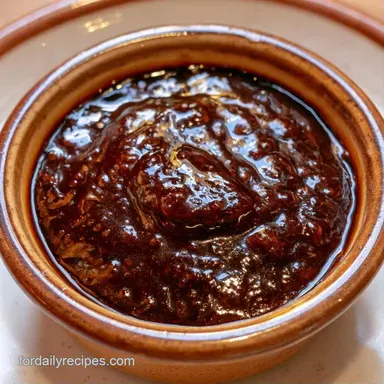
Universal Thai Stir Fry Sauce in 7 Minutes
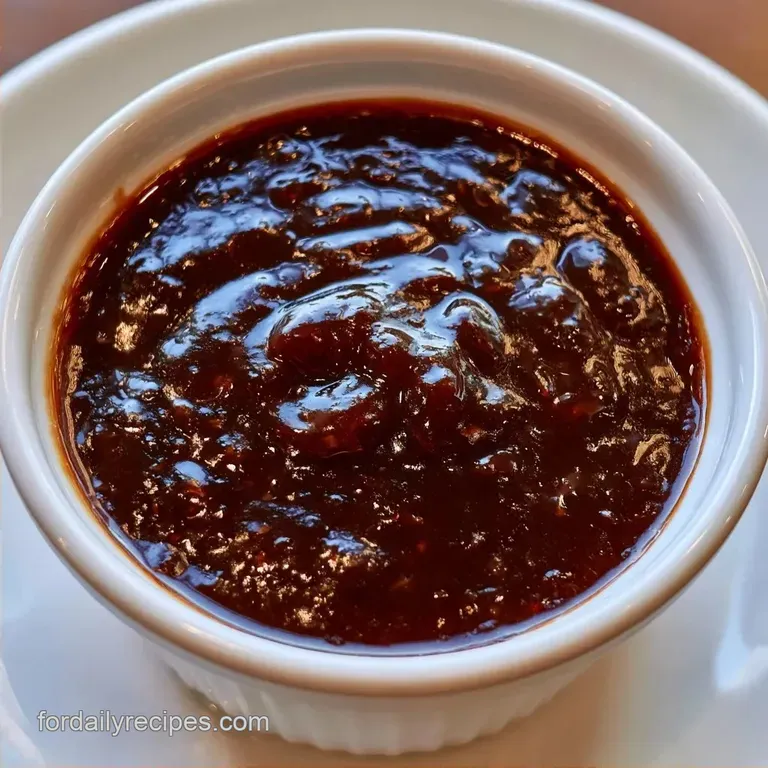
- Time: 5 min active + 2 min cook
- Flavor/Texture Hook: Savory, glossy, and pungent
- Perfect for: Weeknight dinner, meal prep, beginner friendly
- Universal Thai Stir Fry Sauce
- The Logic Behind the Flavor
- What Each Ingredient Brings
- Your Pantry Checklist
- Bringing the Sauce Together
- Fixing Common Sauce Issues
- Adapting the Flavor Profile
- Adjusting Your Batch Size
- Thai Sauce Truths
- Storage and Waste Tips
- Best Side Dish Pairs
- Recipe FAQs
- 📝 Recipe Card
Universal Thai Stir Fry Sauce
The sound of a hot wok hitting the flame and the immediate, sharp scent of fish sauce hitting the oil is a specific kind of magic. I remember the first time I tried to make a stir fry at home, only to end up with a watery mess that tasted like salt and nothing else.
I was just throwing things in a pan, hoping for the best, but the sauce didn't cling, and the flavors didn't meld.
That changed when I started treating the sauce as its own entity, mixed cold before it ever touches the heat. Once you have a reliable base, the stress of the stir fry disappears. You stop worrying about the timing of the vegetables and start focusing on the sear.
This particular blend is designed to be versatile. It provides a rich, mahogany glaze that works just as well with snap peas and tofu as it does with flank steak. It's the kind of thing you keep in a jar in the fridge for those nights when you have twenty minutes to get dinner on the table and zero patience for measuring spoons.
The Logic Behind the Flavor
- Layered Umami: By mixing oyster sauce and fish sauce, you get two different types of depth. One is earthy and thick, while the other is sharp and salty.
- Sugar Caramelization: The brown sugar doesn't just add sweetness. It helps the sauce thicken and bubble into a glossy coating when it hits the hot pan.
- Viscosity Balance: Adding a small amount of water prevents the sugars and salts from burning too quickly, allowing the sauce to coat the food before it reduces.
| Choice | Preparation | Result | Best For |
|---|---|---|---|
| Fresh Batch | Whisked by hand | Bright, balanced flavors | Fresh dinners |
| Bottled/Store | Pre mixed | Often too sugary or thick | Emergency backups |
| Shortcut Mix | Soy + Sugar only | One dimensional saltiness | Simple noodles |
What Each Ingredient Brings
| Ingredient | What It Does | Best Swap |
|---|---|---|
| Oyster Sauce | Adds thickness and earthy savoriness | Hoisin sauce (sweeter) |
| Fish Sauce | Provides the pungent, salty "funk" | Light soy sauce + pinch of salt |
| Dark Soy | Gives the sauce a deep brown color | Extra light soy + 1 tsp molasses |
| Brown Sugar | Balances salt and creates a glaze | Honey or maple syrup |
Your Pantry Checklist
- 1/3 cup oyster sauce Why this? Provides the base body and umami.
- 3 tbsp light soy sauce Why this? Adds the primary salty punch.
- 1 tbsp fish sauce (Nam Pla) Why this? Essential for that authentic Thai aroma.
- 1 tsp dark soy sauce Why this? Mostly for that rich, dark color.
- 2 tbsp brown sugar Why this? Cuts the salt and helps it thicken.
- 1/4 cup water Why this? Thins the sauce to prevent burning.
- 1/2 tsp white pepper Why this? Adds a subtle, floral heat.
Bringing the Sauce Together
- Get a medium mixing bowl and a whisk ready.
- Pour in the oyster sauce.
- Stir in the light soy sauce.
- Whisk in the fish sauce.
- Add the dark soy sauce.
- Whisk the mixture vigorously until it looks homogenous. Note: This ensures no salt pockets remain.
- Add the brown sugar and white pepper to the bowl.
- Stir consistently for 60 seconds until the sugar grains start to break down.
- Slowly pour in the water.
- Whisk until the sugar has completely dissolved and the sauce looks glossy and smooth. Note: Taste it now. If it's too pungent, add one more teaspoon of sugar.
Chef's Tip: For a deeper flavor, try adding a tiny pinch of ground cinnamon or a drop of toasted sesame oil to the cold mix. It doesn't change the profile but adds a layer of complexity that makes people ask why it tastes "different" than takeout.
Fixing Common Sauce Issues
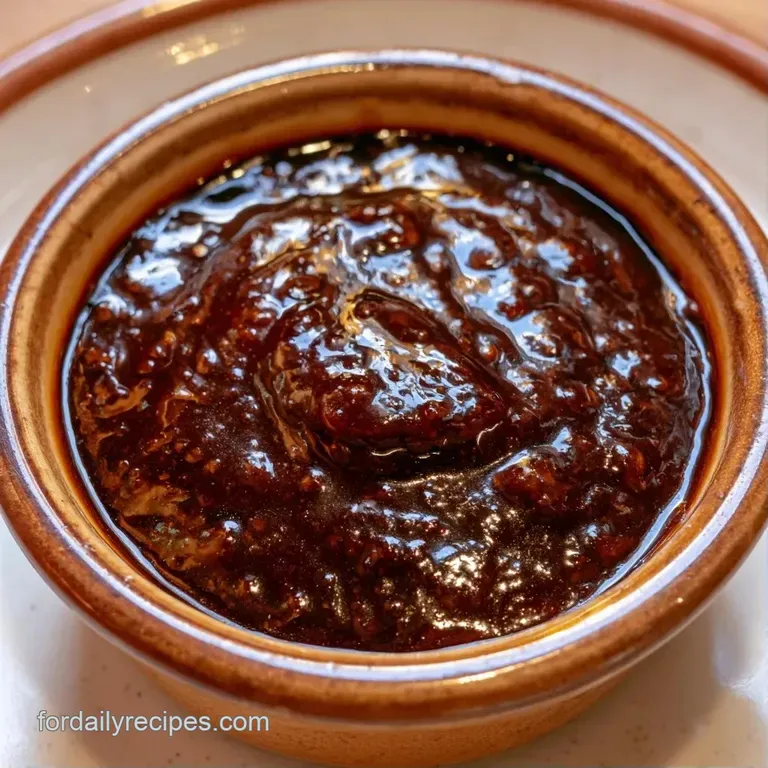
Sometimes the sauce doesn't behave, especially depending on the brand of fish sauce you use. Some are much saltier than others. If you find the flavor is off, it's usually a balance issue between the salt and the sugar.
The Sauce is Too Salty
If the salt is overpowering, don't add water. Water thins the sauce but doesn't neutralize the salt. Instead, add a small amount of brown sugar or a squeeze of lime juice. The acidity of the lime cuts through the sodium.
The Sauce is Too Thin
If the sauce doesn't cling to your vegetables and pools at the bottom of the pan, it likely didn't reduce enough. Let it bubble for another 60 seconds on high heat. If you're in a rush, a tiny slurry of cornstarch and water (1 tsp each) will fix it instantly.
The Color is Too Pale
If your stir fry looks grey instead of a rich mahogany, you're likely missing the dark soy sauce. Dark soy is thicker and less salty than light soy, but it provides the visual appeal. Add another half teaspoon to the mix.
| Problem | Root Cause | Solution |
|---|---|---|
| Watery Sauce | Not reduced enough | Simmer 1-2 mins longer |
| Burnt Taste | Heat too high/no water | Add 1 tbsp water next time |
| Too Pungent | Fish sauce brand | Add 1 tsp brown sugar |
Adapting the Flavor Profile
One of the best things about a Homemade Thai Stir Fry Sauce is how easily you can pivot. Depending on what's in your fridge, you can shift this from a savory base to something with a bit more kick.
If you want a Spicy Thai Stir Fry Sauce Recipe, simply whisk in 1 tablespoon of Sriracha or 2 teaspoons of crushed red pepper flakes. The heat plays well with the brown sugar, creating a sweet and spicy vibe. For those who prefer a creamier finish, you can try a Thai Stir Fry Sauce with Coconut Milk.
Stir 1/4 cup of full fat coconut milk into the mixture before adding it to the pan. This creates a rich, silky texture that's great for shrimp or tofu.
If you're making something like my Mushroom Chicken, this sauce provides a great earthy contrast to the fungi. For a plant based swap, replace the fish sauce with a vegan "no fish" sauce or a mix of soy sauce and a pinch of dulse flakes to keep that sea salt aroma.
Adjusting Your Batch Size
Scaling this recipe is straightforward, but you can't always just multiply everything by four and expect the same result. Salt and sugar behave differently in larger volumes.
Scaling Down (Half Batch) Use a smaller bowl to prevent the ingredients from sticking to the sides. You'll need about 1.5 tablespoons of oyster sauce and 1.5 tablespoons of light soy. Reduce the simmering time in the pan by about 20%, as a smaller amount of liquid evaporates much faster.
Scaling Up (Double or Triple Batch) When doubling, I recommend only increasing the salt (soy and fish sauce) to 1.5x first. Taste it, then add more if needed. Liquids can be doubled exactly, but the pungent notes of the fish sauce can become overwhelming if scaled linearly.
Work in batches when cooking the stir fry so you don't crowd the pan and steam your vegetables.
Thai Sauce Truths
There's a lot of noise about how to make "authentic" sauces. Let's clear up a few things I've learned from trial and error.
First, you don't actually need a carbon steel wok to make this work. While a wok is great for heat distribution, a wide stainless steel or cast iron skillet works just as well. The key is the temperature of the pan, not the shape of it.
Second, some people think dark soy sauce is just "salty soy." It's not. According to guides on soy sauce varieties, dark soy is fermented longer and often contains molasses. Using it solely for salt will make your dish too heavy, but using it for color is exactly what it's for.
Storage and Waste Tips
This sauce keeps remarkably well in the fridge. Pour it into a glass jar with a tight lid and it will stay fresh for about 2 weeks. If you notice a layer of sugar settling at the bottom, just give it a quick shake before using.
For freezing, you can pour the sauce into ice cube trays. Once frozen, pop the cubes into a freezer bag. Each cube is roughly a serving for one person. This is a great way to ensure you always have a Quick Thai Stir Fry Sauce on hand for a 10 minute meal.
To avoid waste, use the leftover bits of ginger or garlic from your stir fry. Finely mince them and stir them directly into your stored sauce. This infuses the liquid with more flavor over time. If you have an empty oyster sauce bottle, don't toss it immediately.
Put a bit of warm water and soy sauce inside, shake it, and use the remnants to deglaze your pan.
Best Side Dish Pairs
The saltiness of this sauce needs a neutral partner to balance the plate. I always recommend a bowl of steamed jasmine rice or brown rice to soak up the extra glaze.
If you're feeling adventurous and want a fusion style dinner, this sauce actually pairs surprisingly well with a Broccoli Pasta as a side. The creaminess of the pasta balances the sharp, pungent notes of the fish sauce. For something lighter, a crisp cucumber salad with rice vinegar and sesame seeds provides a refreshing contrast to the rich, savory stir fry.
Recipe FAQs
What is in all purpose stir fry sauce?
It is a blend of oyster sauce, light and dark soy sauces, and fish sauce. Brown sugar, white pepper, and water are added to create a glossy texture and balance the saltiness.
What makes this an essential sauce for a Thai kitchen?
Its versatile balance of salty, sweet, and pungent flavors. This combination allows it to work across a wide variety of proteins and vegetables without needing further seasoning.
Will leaving the fish sauce out ruin the recipe?
No, but it will significantly change the depth of flavor. Fish sauce provides a unique fermented saltiness that soy sauce cannot fully replicate, though the dish will still be savory.
What is a substitute for fish or oyster sauce in Thai food?
Soy sauce with a pinch of salt is a basic alternative. If you enjoyed mastering flavor balancing here, see how the same principle works in our chicken noodle soup.
How to store the sauce for maximum freshness?
Pour it into a glass jar with a tight lid and refrigerate. It will stay fresh for about two weeks, or you can freeze it in ice cube trays for single serving portions.
How to prevent the sugar from settling at the bottom of the jar?
Give the jar a quick shake before using. This redistributes the brown sugar and ensures every spoonful has a consistent sweet-to-salty ratio.
How to balance the sauce if it tastes too pungent?
Stir in one additional teaspoon of brown sugar. This neutralizes the intensity of the fish sauce and smooths out the overall salinity.
Universal Thai Stir Fry Sauce