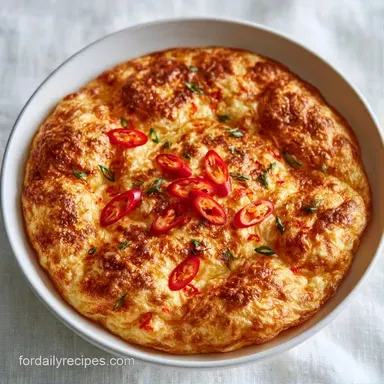
Authentic Spicy Thai Egg Recipe
- Time: 5 min active + 5 min cook
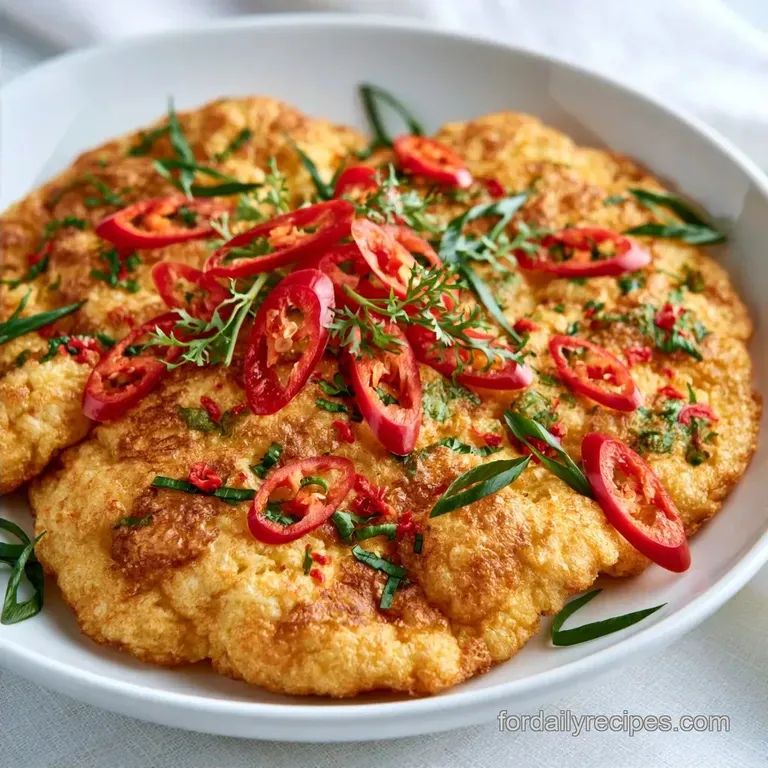
- Flavor/Texture Hook: Lacy, mahogany brown edges with a silky yolk
- Perfect for: Late night cravings or a fast, high protein breakfast
The scent of fish sauce and hot oil hitting a wok is something that just stops you in your tracks. It's that sharp, salty punch followed by the zing of lime that makes you know you're about to eat something extraordinary.
I remember the first time I had this in Bangkok during a sudden monsoon rain, huddled under a plastic tarp at a street cart.
The vendor didn't use a timer or a thermometer. He just watched the oil shimmer and flicked the eggs in with a confidence that only comes from years of repetition. It was the most satisfying meal of the trip, not because it was fancy, but because it was bold and unapologetic.
This Spicy Thai Egg Recipe brings that same street food energy to your kitchen. It's all about the contrast between those crispy, browned edges and a runny yolk, all tied together with a dressing that hits every taste bud at once.
Spicy Thai Egg Recipe
Right then, let's talk about why this works. Most people are terrified of using a half cup of oil for two eggs, but that's exactly where the magic happens. We aren't just frying an egg, we're essentially deep frying the edges to get that specific Thai street style crunch.
Hot Oil: High heat causes the water in the egg whites to evaporate instantly, creating those lacy bubbles. Acid Balance: The lime juice breaks down the heaviness of the oil, making the dish feel light.
If you're looking to expand your repertoire of Asian flavors, you might also like this universal Thai sauce which works for almost any protein.
| Style | Heat Level | Edge Texture | Best For |
|---|---|---|---|
| Fast (Thai) | Very High | Lacy & Crispy | Bold Brunch |
| Classic (French) | Low/Medium | Smooth & Soft | Elegant Breakfast |
The difference here is all about the thermodynamics of the pan. A French omelette avoids browning, whereas this version thrives on it.
What Each Ingredient Does
| Ingredient | What It Does | Best Swap |
|---|---|---|
| Fish Sauce | Adds salty umami depth | Soy sauce (less funky) |
| Palm Sugar | Mellows the heat with caramel notes | Brown sugar |
| Bird's Eye Chili | Provides sharp, immediate heat | Serrano pepper |
Making the Texture Work
The real trick here is the "basting" technique. You don't just crack the egg and leave it. You use a spoon to push the hot oil over the whites. This ensures the edges cook fast and get that mahogany color without overcooking the yolk.
But what about the flavor? Thai cooking is a balancing act. You have the salt from the fish sauce, the sour from the lime, the sweet from the palm sugar, and the heat from the chilies. If one is missing, the whole thing tastes flat. Trust me on this, don't skip the sugar, even if you aren't a fan of sweet breakfasts.
Quick Recipe Specs
This is as fast as it gets. Since the prep is basically just chopping a few aromatics and whisking a sauce, you can have this on the table in ten minutes.
- Prep time:5 minutes
- Cook time:5 minutes
- Total time:10 minutes
- Yield: 2 servings
Necessary Kitchen Tools
You don't need a professional kitchen, but a few specific tools make it way easier. A wok is the traditional choice because the sloped sides help you pool the oil in the center. If you don't have one, a small stainless steel skillet works just fine.
Use a slotted spoon or a fish spatula. You need something that can lift the egg cleanly without dragging a pool of oil along with it. Also, grab a small bowl for the dressing so you aren't scrambling to mix it while the oil is screaming hot.
Step by step Method
Let's crack on. Make sure your oil is neutral, like canola or vegetable, as olive oil will smoke too early at these temperatures.
- Whisk together the fish sauce, lime juice, sugar, and minced chilies in a small bowl. Stir until the sugar granules completely dissolve.
- Stir in the sliced shallots and set aside to let the flavors infuse while you fry.
- Heat the oil in your wok over medium high heat until it shimmers and a drop of egg sizzles immediately.
- Carefully slide one egg into the oil. Use a spoon to splash hot oil over the whites (avoiding the yolk) until the edges turn mahogany brown and lacy.
- Remove the egg with a slotted spoon, allowing excess oil to drip off.
- Place the egg on a plate and immediately spoon the spicy dressing over the top.
- Garnish with chopped cilantro and spring onions.
Chef Note: For the best results, use eggs straight from the fridge. The cold yolk stays intact longer while the whites sear in the hot oil.
Fixing Common Issues
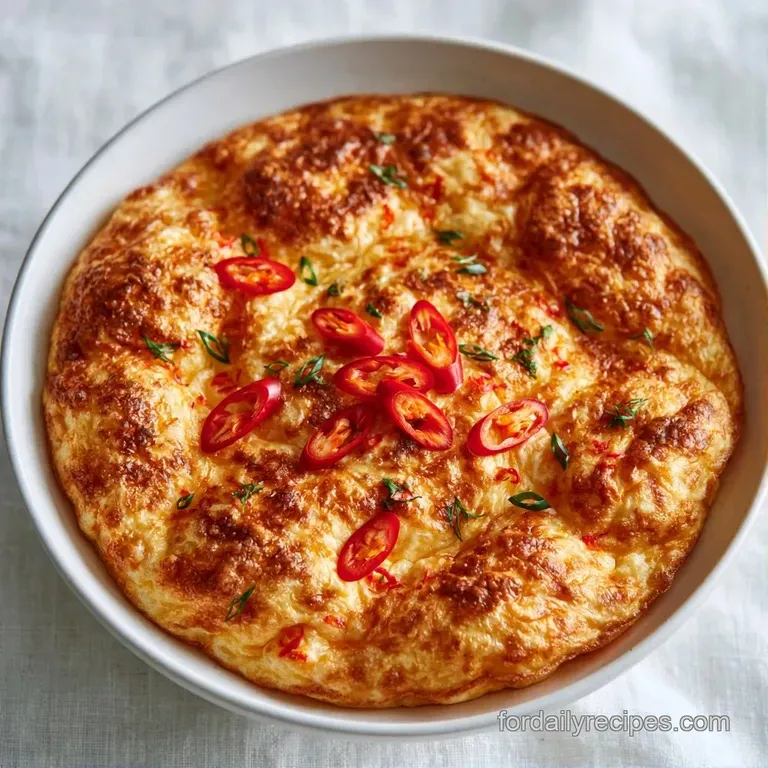
The most common problem is the egg sticking or the edges burning before the whites are set. This usually happens because the pan wasn't hot enough when the egg hit the oil, or it was too hot and the oil started to smoke.
Why Your Eggs Burn
If the edges turn black instead of brown, your oil is too hot. Dial the heat back slightly and let the oil cool for 30 seconds before adding the next egg.
Why Your Yolks Break
This usually happens if you drop the egg from too high. Keep the egg close to the oil surface when sliding it in.
| Problem | Root Cause | Solution |
|---|---|---|
| Rubberies Whites | Cooked too long | Remove as soon as edges crisp |
| Greasy Finish | Not drained enough | Use a slotted spoon and paper towel |
| Bland Sauce | Sugar didn't dissolve | Stir the dressing for an extra 30 seconds |
Adjusting the Portion
If you're cooking for a crowd, don't try to crowd the pan. If you put four eggs in at once, the oil temperature will drop, and you'll end up with soggy, pale eggs instead of that crispy texture we want for this Spicy Thai Egg Recipe.
Work in batches of two. For the dressing, you can double the ingredients, but only increase the chilies to 1.5x. Heat builds up differently in larger volumes of sauce, and you don't want to blow your guests' taste buds out.
Egg Cooking Myths
Some people think that using a lot of oil is unhealthy or unnecessary. In this specific Thai style, the oil is the cooking medium that creates the texture. It's not soaking into the egg as much as it's searing the outside.
Another myth is that you need to "seal" the egg. There's no such thing as sealing an egg. You're simply using high heat to create a crisp crust while keeping the center liquid.
Storage and Waste
Honestly, this Spicy Thai Egg Recipe is best eaten the second it hits the plate. Once the crispy edges hit the dressing, they start to soften. If you must store them, keep the eggs and the dressing separate.
Store the dressing in a glass jar in the fridge for up to 3 days. The fried eggs can be kept for 2 days, but they lose their crunch. To reheat, use an air fryer at 350°F for 2 minutes to bring back some of that crispness.
For zero waste, don't toss your cilantro stems. Finely chop them and mix them into the dressing. They have more flavor than the leaves and add a nice crunch.
Best Side Pairings
This dish is heavy on salt and spice, so you need something neutral to balance it. Steamed jasmine rice is the gold standard here. The rice absorbs the extra dressing and cleanses the palate between bites.
If you want something to cool down the heat, a cold beverage is a must. I usually pair this with a Shirley Temple drink for a sweet, bubbly contrast that cuts right through the fish sauce funk.
Flavor Tweaks and Swaps
If you want to turn this into a more substantial meal, try making a Spicy Thai Egg Recipe with chicken. Simply stir fry some minced chicken with garlic before adding the eggs to the pan. It adds a great savory depth.
For those who prefer a different egg texture, you can adapt this into a Thai Omelette Recipe. Instead of frying them whole, whisk the eggs first and pour them into the hot oil, flipping once to get that deep golden brown color.
| Original Ingredient | Substitute | Why It Works |
|---|---|---|
| Palm Sugar (1 tbsp) | Brown Sugar (1 tbsp) | Similar molasses flavor. Note: Slightly less earthy |
| Fish Sauce (2 tbsp) | Soy Sauce (2 tbsp) | Same salt profile. Note: Lacks the fermented depth |
| Neutral Oil (1/2 cup) | Grapeseed Oil (1/2 cup) | Very high smoke point. Note: Completely tasteless |
Whether you're using this as a quick breakfast or a late night snack, the beauty of this recipe is in its simplicity. It's just a few humble ingredients and some very hot oil, but the result is a global flavor experience that feels like a trip to Bangkok. Right then, get your wok hot and give it a go.
High in Sodium
920 mg 920 mg of sodium per serving (40% 40% of daily value)
The American Heart Association recommends a daily sodium limit of no more than 2,300 mg to reduce the risk of cardiovascular disease.
Tips to Reduce Sodium
-
Swap for Coconut Aminos-25%
Replace the fish sauce with coconut aminos, which provides a similar savory depth with significantly less sodium.
-
Use Low-Sodium Fish Sauce-20%
Switch to a low-sodium fish sauce variety to maintain the traditional flavor while cutting down the salt content.
-
Increase Acidity-15%
Add an extra squeeze of fresh lime juice to brighten the flavors, allowing you to reduce the amount of fish sauce used.
-
Boost Fresh Aromatics
Increase the amount of fresh cilantro and spring onions to add complexity and freshness without adding any sodium.
Recipe FAQs
What are the best Thai recipes that use eggs?
Spicy fried eggs with lime and fish sauce are a top recommendation. They combine a lacy, mahogany brown texture with a sharp, savory dressing for a high impact meal.
What meat goes well with these spicy Thai eggs?
None are required for this specific recipe. The bold flavors of fish sauce and lime make the eggs a satisfying standalone protein.
What is the easiest and quickest Thai food recipe?
This spicy Thai egg recipe is one of the fastest. It requires only 5 minutes of prep and 5 minutes of cooking for a total time of 10 minutes.
What oil should be used for a Thai style fried egg?
Use a neutral oil like canola or vegetable. Olive oil will smoke too early at the medium high temperatures needed to achieve crispy edges.
What's the best way to make Thai scrambled eggs?
Fry the eggs in shimmering neutral oil over medium high heat. Gently stir them in the wok to create soft curds while maintaining the high heat sear.
How to get the perfect mahogany brown crispy edges?
Splash hot oil over the egg whites using a spoon. Avoid the yolk to ensure the edges become lacy and crisp while the center remains runny. If you enjoyed mastering these doneness cues, apply the same precision to our creamy chicken spaghetti.
How could you cook a fried egg in an alternative way?
Air fry the eggs at 350°F for 2 minutes. This is the best alternative method to reheat them and restore the crunch if they were stored in the fridge.
Spicy Thai Egg Recipe