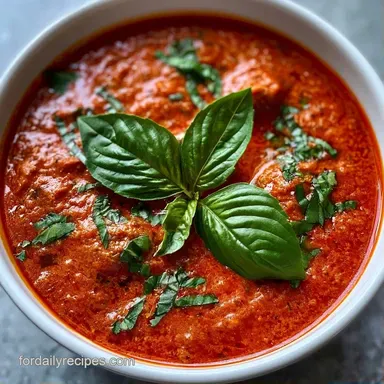
Spicy Thai Red Curry with Coconut Cream
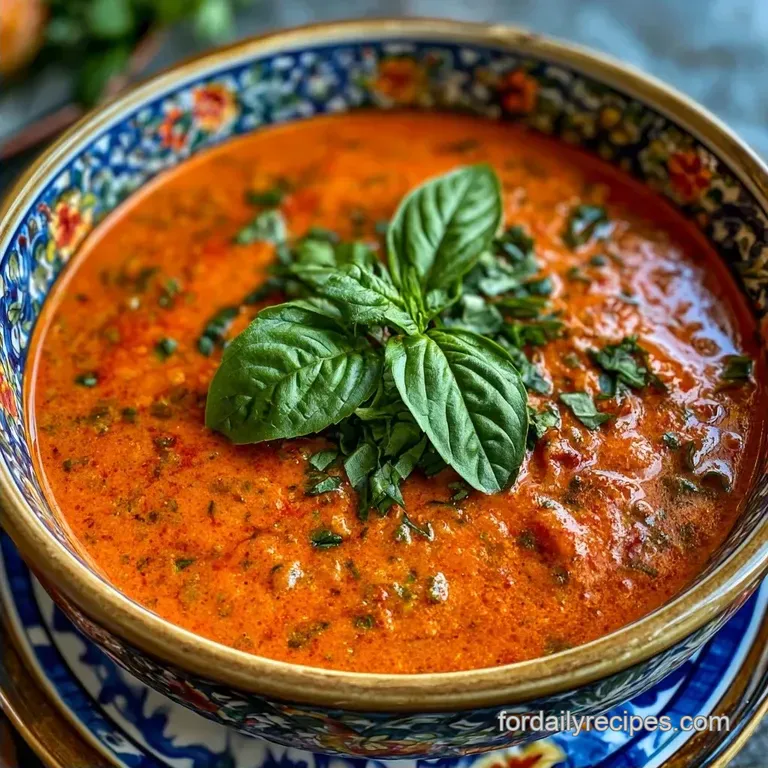
- Time: 10 min active + 30 min cooking
- Flavor/Texture Hook: Creamy, aromatic, and punchy heat
- Perfect for: A weeknight dinner that feels fancy
I remember the first time I tried making this at home. I just dumped everything into a pot and simmered it, thinking more time meant more flavor. It tasted flat. It was just a spicy coconut soup, not that intense, concentrated sauce you get in Bangkok. I realized I was skipping the most important part: the fry.
Once I started frying the paste in the coconut fat, everything changed. The aroma shifts from raw garlic and ginger to something toasted and complex that fills the whole house. That's the moment you know it's going to work.
This Spicy Thai Red Curry is all about the balance between salt, sweetness, and heat. We're using a few traditional techniques to make sure the flavors don't just sit on top of the ingredients, but actually soak into the chicken. It's a bold dish, but it's manageable once you see how the sauce evolves in the pan.
Making the Best Spicy Thai Red Curry
Getting the base right is where most people trip up. If you use a store-bought paste, it's fine, but making your own gives you control over the heat. When you smell the lemongrass and galangal hitting the hot oil, it's a total shift in the kitchen's energy. It smells bright, citrusy, and slightly pungent.
The real trick is the "cracking" of the coconut milk. You don't just pour it in. You take the thick cream from the top of the can and fry it until it separates into oil and solids. This is a classic technique mentioned by experts at Serious Eats that allows the curry paste to fry in its own fat, which unlocks a much deeper flavor profile.
For this Spicy Thai Red Curry, we're focusing on a punchy heat that doesn't overwhelm the coconut. The addition of bamboo shoots adds a necessary crunch, and the Thai basil at the end gives it that signature anise like finish.
It's a dish that feels extraordinary but only takes 40 minutes from start to finish.
Getting the Texture Right
To make this work, you have to understand how the fats and aromatics interact. It's not about boiling; it's about frying and then simmering.
The Fat Bloom: Frying the paste in coconut oil removes the raw edge of the garlic and shallots. This turns the paste from a pungent mash into a fragrant base.
Protein Searing: Searing the chicken on high heat before adding the liquid keeps it from getting rubbery. It creates a slight crust that holds onto the sauce better.
The Final Emulsion: Stirring in the lime juice at the very end prevents the coconut milk from curdling. The acidity cuts through the fat, brightening the whole bowl.
| Method | Time | Texture | Best For |
|---|---|---|---|
| Stovetop | 40 mins | Vibrant & Fresh | Fast weeknight meals |
| Slow Cooker | 4-6 hours | Soft & Integrated | Meal prep for the week |
| Oven Braise | 1.5 hours | Rich & Concentrated | Large dinner parties |
The Building Blocks
Every ingredient here has a job. If you take one out, the balance shifts. For example, the shrimp paste is tiny in quantity, but without it, the curry lacks that deep, savory backbone.
| Ingredient | What It Does | Best Swap |
|---|---|---|
| Galangal | Earthy, piney heat | Ginger (more peppery, less piney) |
| Palm Sugar | Mellow, caramel sweetness | Brown sugar (stronger molasses hit) |
| Shrimp Paste | Deep savory "umami" | White miso paste (less fishy, still salty) |
| Fish Sauce | Salt and fermented depth | Soy sauce + pinch of salt (lacks the funk) |
Essential Kitchen Tools
You can get away with a food processor, but a mortar and pestle is a different world. Bruising the fibers of the lemongrass and galangal releases oils that blending just doesn't do.
I usually use a heavy bottomed wok or a deep stainless steel skillet. You need something that can handle medium high heat without warping. If you have a cast iron pan, that works too, though it holds heat longer, so watch your paste carefully so it doesn't burn.
Chef's Note: If you're using a food processor, pulse the ingredients in batches. If you over process, the paste can become too smooth and lose some of the textural oils that help it fry.
The Cooking Process
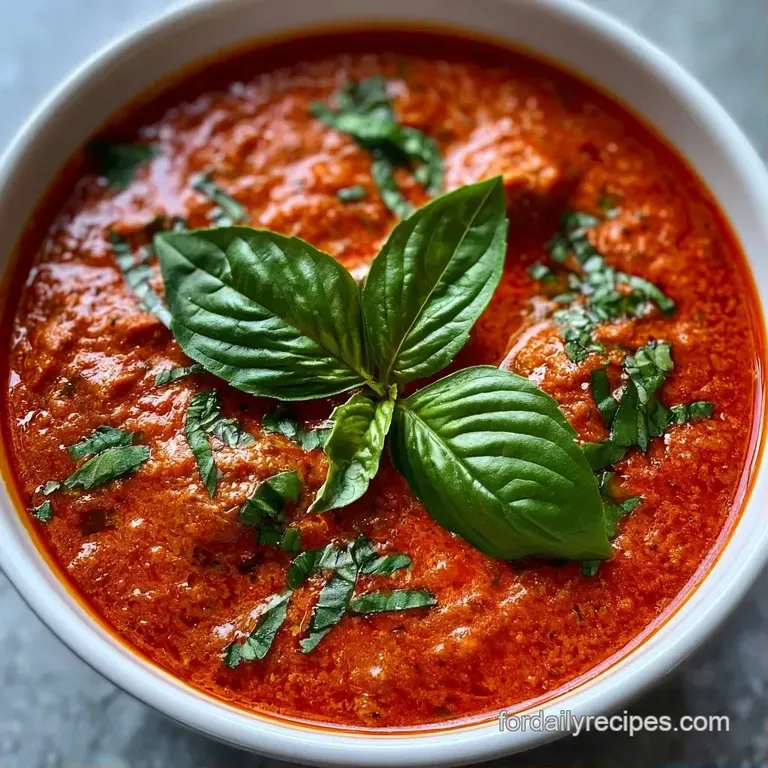
Right then, let's get into it. Make sure your coconut milk is full fat; the low-fat stuff won't "crack" and you'll lose that rich mouthfeel.
Phase 1: Building the Aromatics
- Combine dried red chilies, lemongrass, galangal, garlic, shallot, ground coriander, shrimp paste, and salt in a mortar and pestle. Blend until a smooth, thick, mahogany colored paste forms. Note: This is the heart of your Spicy Thai Red Curry.
- Slice the chicken breast into thin, bite sized strips. Note: Cutting across the grain prevents the meat from getting chewy.
Phase 2: The Sizzle & Bloom
- Scoop the thick coconut cream from the top of the can into a wok over medium high heat. Stir constantly for 3-5 minutes until the oil begins to separate from the solids.
- Stir the homemade red curry paste into the cracked cream. Fry for several minutes until the paste is fragrant and the oil is vivid red. You'll see the oil pooling around the edges.
- Add the sliced chicken breast to the wok. Sear quickly on high heat until the exterior is white and opaque.
Phase 3: Simmering to Perfection
- Pour in the remaining coconut milk. Stir in the fish sauce and palm sugar. Simmer gently for about 10 minutes until the sauce thickens and bubbles slowly.
- Fold in the red bell pepper and bamboo shoots. Cook for 2-3 minutes until the vegetables are tender crisp.
- Remove from heat. Stir in the fresh lime juice and Thai basil leaves. Serve immediately.
Fixing Common Curry Issues
Sometimes things go sideways. Usually, it's a balance issue. If the Spicy Thai Red Curry tastes "off," it's almost always because one of the three pillars salt, sweet, or sour is missing.
Troubleshooting Common Issues
| Issue | Solution |
|---|---|
| Why Your Sauce is Too Thin | If your curry looks more like a soup than a sauce, you likely didn't fry the paste long enough or the heat was too low during the simmer. |
| Why the Heat is Overwhelming | Red chilies vary wildly in potency. If you've made a mistake and it's too spicy to eat, don't just add water. |
| Why the Paste Tastes Raw | If you smell raw garlic or onion in the final dish, the paste didn't "bloom" in the oil. This happens if you add the coconut milk too early. The paste needs to sizzle in the fat first. |
Personalize Your Curry
This recipe is a great baseline, but you can move it in different directions. If you want a Vegan Thai Red Curry, swap the chicken for extra firm tofu and the fish sauce/shrimp paste for soy sauce and a bit of miso. It still hits those savory notes.
For those who prefer seafood, Thai Red Curry Shrimp is a brilliant alternative. Just be careful: shrimp cook in about 3 minutes. Add them at the very end with the bell peppers, or they'll turn into rubber bands.
If you're not in the mood for something this aromatic and want a different kind of comfort, you might like this Chili Mac recipe. It's a totally different vibe, but just as satisfying for a cozy night in.
- If you want more crunch
- Double the bamboo shoots and add snap peas.
- If you want it creamier
- Add an extra 100ml of coconut milk at the simmer stage.
- If you want more zing
- Add a teaspoon of freshly grated ginger with the paste.
Storage and Reheating
Since this Spicy Thai Red Curry uses coconut milk, it stores quite well in the fridge. Place it in an airtight container and it'll stay fresh for about 3 to 4 days. In fact, the flavors often meld and improve by the second day.
For freezing, I'd suggest freezing the curry without the fresh basil and lime juice. Freeze it in portions for up to 3 months. When you're ready to eat, thaw it in the fridge overnight.
To reheat, use a saucepan over medium heat. Add a splash of water or coconut milk to loosen the sauce, as it will thicken in the fridge. Once it's bubbling, stir in fresh lime juice and new basil leaves to bring back that bright, fresh aroma.
Zero Waste Tip: Don't toss the leftover coconut milk from the can. Freeze it in ice cube trays and pop them into your morning smoothie or a vegan pancake batter.
The Best Side Pairings
The gold standard here is jasmine rice. The floral scent of the rice complements the lemongrass perfectly. If you want something a bit more interesting, try brown rice or even quinoa for a nuttier flavor.
Another great option is steamed bok choy or sautéed spinach. The bitterness of the greens cuts through the richness of the coconut milk. I also love serving this with a side of sliced cucumbers and a squeeze of lime to cleanse the palate between bites.
Avoid serving this with other heavy, creamy dishes. You want sides that provide a contrast in texture something crisp, fresh, or neutral so the Spicy Thai Red Curry remains the star of the show.
Recipe FAQs
Is Thai red curry supposed to be spicy?
Yes, it is traditionally bold. The heat comes primarily from the dried red chilies in the homemade paste, though the coconut milk helps mellow the spice.
How to make a mild version of this red curry?
Reduce the quantity of dried red chilies used in the paste. You can also increase the coconut milk slightly to further dilute the heat.
Which is better, Thai red curry or green?
It depends on your flavor preference. Red curry offers a bolder, saltier profile, whereas green curry is typically sweeter and more aromatic.
Why does my curry sauce taste like raw garlic?
The paste didn't "bloom" in the oil. This happens if you add the remaining coconut milk too early; you must fry the paste in the cracked coconut cream until fragrant.
Why is my curry sauce too thin?
You likely didn't fry the paste long enough. Ensure the paste sizzles in the oil and then simmer the final sauce gently to achieve the correct thickness. If you enjoyed controlling sauce thickness here, see how the same principle works in our velvety tomato finish.
Can I freeze this red curry for later?
Yes, for up to 3 months. Omit the fresh basil leaves and lime juice before freezing to maintain the best flavor and freshness.
Is it true that you must use store-bought paste for this to be authentic?
No, this is a common misconception. Authentic flavor actually comes from pounding fresh lemongrass, galangal, and chilies in a mortar and pestle.
Spicy Thai Red Curry