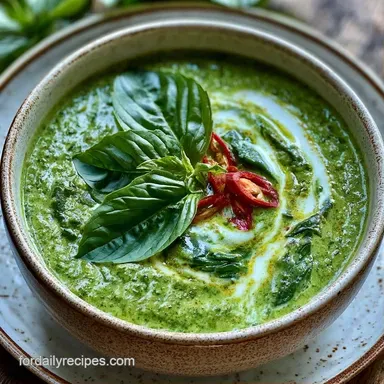
Authentic Thai Green Curry with Homemade Paste
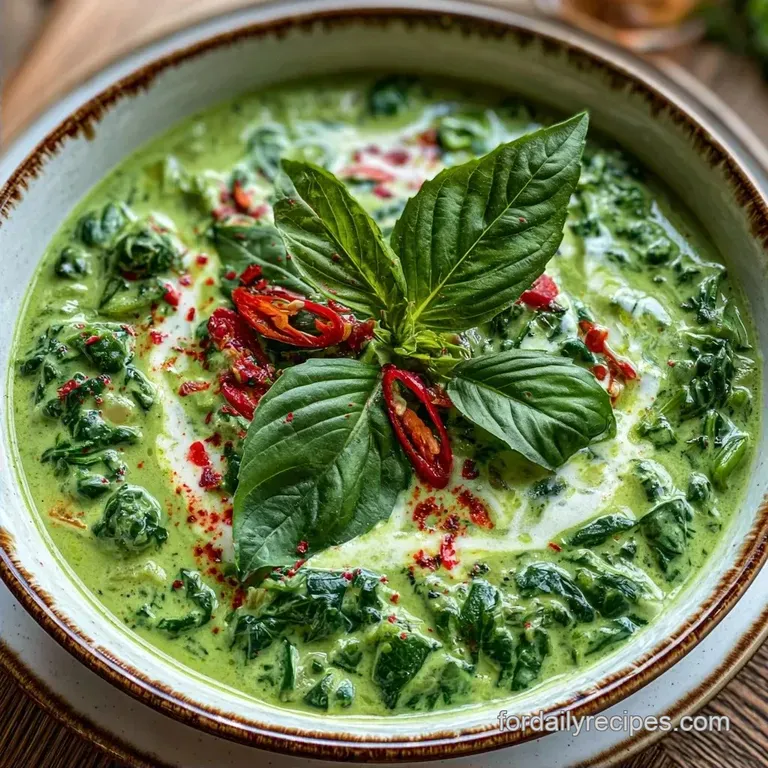
- Time: 15 min active + 20 min cook
- Flavor/Texture Hook: Bright, herbal heat with a silky coconut finish
- Perfect for: A bold weeknight dinner or impressing guests with global flavors
- Authentic Thai Green Curry and the Paste Trick
- How to Get the Balance Right
- What Each Ingredient Does
- The Right Tools for the Job
- Putting Your Curry Together
- Fixing Your Curry Issues
- Troubleshooting Common Issues
- Swaps and Different Proteins
- Storage and Zero Waste Tips
- Best Sides for This Dish
- Common Beliefs About Curry
- Adjusting the Portion Size
- Recipe FAQs
- 📝 Recipe Card
That loud, aggressive hiss of coconut cream hitting a hot wok is the sound of things going right. I remember the first time I tried making this at home using a jar of store-bought paste. It tasted fine, but it was flat.
It lacked that vibrant, electric punch you get in Thailand, and the oil just sat on top of the sauce like a mistake.
The problem is usually the paste and the process. Most people just simmer everything together, but that leaves the aromatics raw and the flavors muted. To get a real Authentic Thai Green Curry, you have to treat the coconut milk and the paste like separate components that need to be fused together through heat.
Once you start pounding your own ingredients in a mortar, the smell changes everything. You get these bright, citrusy notes from the lemongrass and galangal that a food processor just can't replicate. This recipe is about those contrasts: the sharp heat of the chilies against the rich cream of the coconut.
Authentic Thai Green Curry and the Paste Trick
The heart of this dish is the paste. When you make an Authentic Thai Green Curry, you aren't just making a sauce, you're building a flavor base. Most home cooks skip the mortar and pestle, but that's where the magic happens.
Pounding the fibers of the lemongrass and galangal releases essential oils that blending simply doesn't do.
When you use a blender, you're cutting the ingredients. When you pound them, you're crushing the cells. This creates a more integrated flavor that blends into the sauce rather than tasting like floating bits of herbs.
It's a bit more work, but the result is a curry that actually tastes like it belongs in a Bangkok kitchen.
But the real trick is "cracking" the coconut cream. You take the thick part from the top of the can and fry it until the water evaporates and the oil separates. This oil then fries the curry paste, intensifying the flavors before you add the rest of the liquid.
This step prevents the curry from tasting like a coconut soup and gives it a deep, savory soul.
How to Get the Balance Right
The balance of flavors in an Authentic Thai Green Curry is a tightrope walk between salty, sweet, and spicy. If one side tips too far, the whole thing feels off.
- The Cream Crack
- Frying the paste in coconut oil removes the raw edge of the garlic and shallots, creating a concentrated flavor base.
- Sugar and Salt
- Palm sugar doesn't just add sweetness, it adds a caramel like depth that rounds out the saltiness of the fish sauce.
- The Basil Finish
- Adding Thai basil at the very end keeps the herb from turning brown and preserves its anise like aroma.
Right then, let's look at how the fresh approach differs from the shortcut method most people use.
| Feature | Fresh Paste Method | store-bought Paste | Impact |
|---|---|---|---|
| Aroma | Bright, citrusy, intense | Muted, salty, generic | Fresh is much more fragrant |
| Control | You adjust the heat/salt | Fixed ratio | Fresh allows for custom spice |
| Texture | Gritty, authentic feel | Perfectly smooth | Fresh feels more rustic/homemade |
What Each Ingredient Does
Every part of this Authentic Thai Green Curry has a specific job. If you pull one out, you change the entire profile.
| Ingredient | What It Does | Best Swap |
|---|---|---|
| Galangal | Adds sharp, piney citrus | Ginger (but it's more peppery) |
| Shrimp Paste | Provides deep, funky umami | Miso paste (for a milder taste) |
| Palm Sugar | Earthy sweetness | Brown sugar (less complex) |
| Fish Sauce | Salt and fermented depth | Soy sauce or salt (lacks funk) |
For those who love exploring bold, global flavors, this rich profile is similar in intensity to a Louisiana Crawfish Etouffee, though the flavor map is entirely different.
The Right Tools for the Job
You don't need a professional kitchen, but a few specific tools make this much easier. A heavy bottomed wok is the best choice because it distributes heat quickly and allows you to stir fry the paste effectively. If you don't have one, a deep stainless steel skillet works just fine.
The most important tool is the mortar and pestle. A granite one is ideal because the weight does the work for you. If you absolutely must use a food processor, pulse the ingredients in small batches and then stir in the shrimp paste by hand.
Finally, use a sharp knife for the chicken and vegetables. You want the chicken sliced thinly so it sears in seconds. If the pieces are too thick, they'll boil in the coconut milk rather than searing, and you'll miss out on that slight caramelized edge.
Putting Your Curry Together
Let's crack on with the actual cooking. Make sure your coconut milk is unshelled and full fat for the best results.
- Pound the green chilies, lemongrass, galangal, coriander root, garlic, shallot, shrimp paste, cumin, coriander seeds, white pepper, and salt in a mortar and pestle until a smooth paste forms.
- Scoop the thick cream from the top of the coconut milk can into a wok over medium high heat. Stir until the oil separates from the solids (this is the "cracking" phase).
- Add the curry paste to the cracked cream and sauté for 2-3 minutes until it smells fragrant and the oil turns green.
- Add the sliced chicken breast and sear quickly until the outside is no longer raw. Note: Don't overcook the chicken here, as it will simmer further later.
- Pour in the remaining coconut milk and add the torn kaffir lime leaves. Bring the mixture to a gentle simmer.
- Add the Thai eggplant and bamboo shoots. Simmer until the vegetables begin to soften but still hold their shape.
- Stir in the palm sugar and fish sauce. Taste it, then adjust the balance of salty and sweet to your liking.
- Fold in the red bell pepper, lime juice, and fresh Thai basil leaves. Remove from heat immediately so the basil stays vibrant green.
Fixing Your Curry Issues
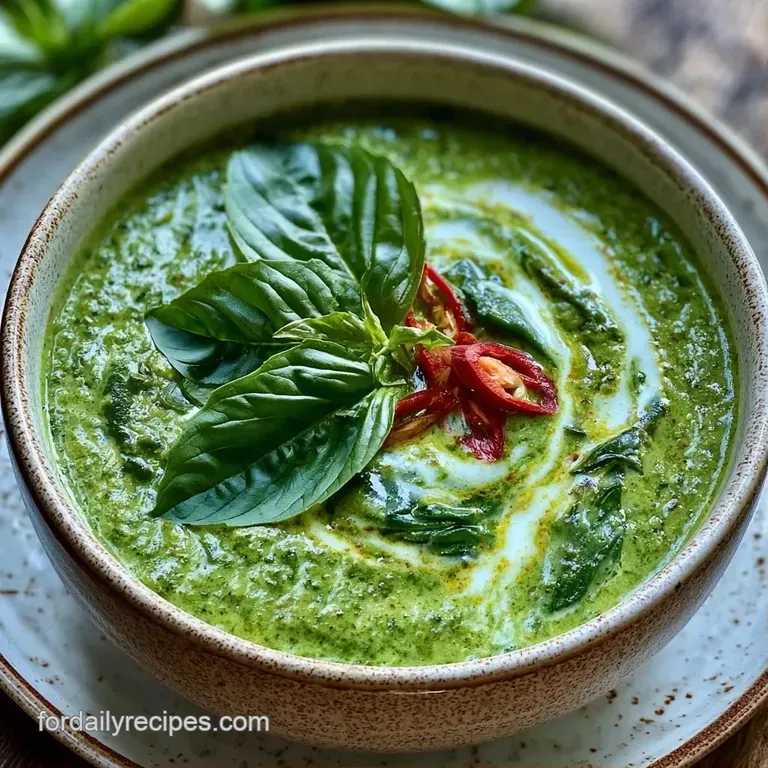
Even with a good plan, things can go sideways. Most issues with an Authentic Thai Green Curry come down to temperature or timing.
Troubleshooting Common Issues
| Issue | Solution |
|---|---|
| Why Your Curry Is Pale | If your curry looks more like a coconut soup than a green curry, you likely didn't use enough green chilies or you overcooked the basil. The color should come from the paste and the fresh finish. |
| Why Your Sauce Separated | If the sauce looks curdled, the heat was likely too high when you added the remaining coconut milk. While some oil separation is normal and desired, a grainy texture means the emulsion broke. |
| Why Your Curry Is Too Salty | Fish sauce and shrimp paste both carry a lot of salt. If it's too salty, don't add water, as that dilutes the flavor. Instead, add a bit more palm sugar or a squeeze of lime juice. |
Swaps and Different Proteins
This recipe is flexible. While chicken is the classic choice for Authentic Thai Green Curry, you can easily swap it out. Shrimp works beautifully, but add it at the very end so it doesn't turn rubbery. Tofu is another great option, especially if you fry the cubes separately first to give them some structure.
If you want a Vegan Thai Green Curry, swap the shrimp paste for a bit of fermented soybean paste and use soy sauce or a vegan fish sauce alternative instead of the traditional version. Use extra firm tofu or chickpeas for the protein.
For the vegetables, if you can't find Thai eggplant, use Japanese eggplant or even zucchini. Just be careful with the timing. Zucchini cooks faster than Thai eggplant, so add it a few minutes later to avoid it turning into mush.
| Original Ingredient | Substitute | Why It Works |
|---|---|---|
| Chicken Breast | Extra Firm Tofu | Absorbs flavors well. Note: Fry first for better texture |
| Thai Eggplant | Zucchini | Similar texture. Note: Add 3 mins later than eggplant |
| Palm Sugar | Brown Sugar | Similar molasses notes. Note: Slightly less earthy |
Storage and Zero Waste Tips
An Authentic Thai Green Curry actually tastes better the next day. The flavors have more time to meld, and the heat of the chilies settles into the coconut cream. Store it in an airtight container in the fridge for up to 3 days.
When reheating, do it gently on the stovetop over medium low heat. If you microwave it on high, the coconut milk might separate. Add a tiny splash of water or coconut milk to loosen the sauce back up.
You can freeze this curry for up to a month, but the vegetables (especially the eggplant) will lose their structure and become softer.
To avoid waste, don't toss your lemongrass ends. You can steep them in hot water with a slice of ginger for a refreshing tea. Also, any leftover coconut milk can be frozen in ice cube trays and popped into smoothies or other curries later.
Since this dish is quite rich and spicy, I often serve it with something cooling on the side. A fresh Tzatziki sauce might seem like an odd pairing, but the cucumber and yogurt are a great palate cleanser between spicy bites.
Best Sides for This Dish
The traditional choice is Jasmine rice. Its floral aroma and slight stickiness are designed to soak up the sauce of an Authentic Thai Green Curry. For a more authentic twist, try Kanom Jeen, which are thin, fermented rice noodles that provide a slightly tangy contrast to the richness of the coconut.
If you want something lighter, steamed bok choy or a simple cucumber salad with rice vinegar and sesame seeds works well. The acidity of a cucumber salad cuts through the fat of the coconut milk and refreshes your taste buds.
Avoid serving this with other heavy, creamy dishes. The curry is the star of the show, so keep the sides simple and fresh. A few slices of raw cabbage or a side of pickled carrots can add a crunch that complements the tender chicken and soft eggplant.
Common Beliefs About Curry
You might hear that you need to simmer a curry for hours to get it "deep." That's not true for Thai curries. Long simmering times actually destroy the bright, fresh notes of the lemongrass and basil. The depth comes from the frying of the paste, not the length of the simmer.
Another myth is that adding cornstarch makes the sauce better. Real Authentic Thai Green Curry gets its thickness from the reduction of the coconut cream and the solids in the pounded paste. Adding a thickener just masks the natural flavors and gives it a processed feel.
Finally, some think you have to remove all the seeds from the chilies to make it edible. While deseeded chilies are safer for beginners, the seeds carry a different kind of heat that adds complexity. Try keeping a few in for a more authentic, stinging spice.
Adjusting the Portion Size
Scaling an Authentic Thai Green Curry is pretty straightforward, but don't just double everything blindly.
If you're cutting the recipe in half, use a smaller pan to ensure the coconut cream has enough surface area to crack properly. If the liquid is too shallow, it will evaporate too quickly and burn the paste.
When doubling or tripling the recipe, be careful with the salt and spices. Start with 1.5x the fish sauce and shrimp paste, then taste and add more if needed. Liquids generally reduce slightly less in larger batches, so you might need to simmer the sauce a few minutes longer to reach your desired consistency.
If you're baking anything alongside it, remember to lower your oven temp by 25°F for larger batches to ensure even cooking.
Recipe FAQs
What is in an authentic Thai green curry?
A blend of fresh green chilies, lemongrass, galangal, coriander root, and shrimp paste. This complex base relies on the same balance of pungent and savory elements found in our hearty chili mac.
How to make an authentic Thai green curry?
Pound your aromatics into a smooth paste using a mortar and pestle. Sauté this paste in cracked coconut cream, sear the chicken, simmer with coconut milk and vegetables, and finish with lime juice and fresh basil.
Is it true that you can just mix the coconut milk and paste without "cracking" the cream?
No, this is a common misconception. Skipping the cracking process prevents the curry paste from frying, resulting in a flat flavor and a thinner, less authentic texture.
Why does my green curry look pale instead of vibrant green?
You likely didn't use enough green chilies or overcooked the basil. To preserve the color, fold in the Thai basil at the very end and remove the pan from the heat immediately.
Why did my curry sauce separate or look curdled?
The heat was likely too high when you added the remaining coconut milk. While initial oil separation is desired, a grainy texture indicates the emulsion broke due to excessive temperature.
How to store and reheat leftover curry?
Store in an airtight container in the fridge for up to 3 days. Reheat gently on the stovetop over medium low heat with a splash of coconut milk to loosen the sauce.
What is the secret to a rich, professional grade green curry?
Properly frying the paste in coconut oil. Sautéing the paste in the oil separated from the coconut cream unlocks aromatic compounds that cannot be achieved through simmering alone.
Authentic Thai Green Curry