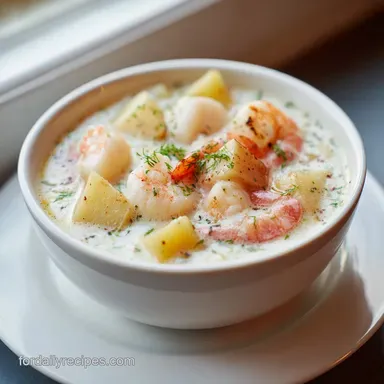
Seafood Chowder: Silky and Tender
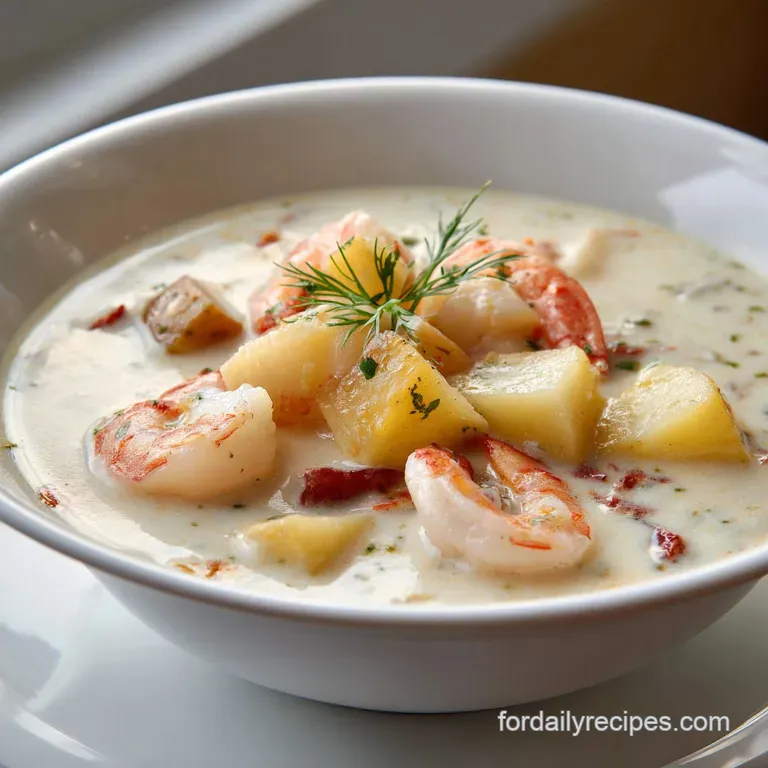
- Time:15 minutes active + 25 minutes cooking = Total 40 minutes
- Flavor/Texture Hook: Velvety broth with buttery, tender chunks of fish
- Perfect for: A cozy weekend dinner or a heritage style family gathering
- The Best Seafood Chowder Recipe
- Why This Method Actually Works
- Ingredient Deep Dive
- Essential Ingredients and Substitutes
- Required Kitchen Tools
- Cooking Steps for Tender Seafood
- Fixing Common Chowder Mistakes
- Troubleshooting Common Issues
- Taste Variations to Try
- Freshness and Storage Tips
- Ideal Side Dish Pairings
- Common Kitchen Myths
- High in Sodium
- Recipe FAQs
- 📝 Recipe Card
The Best Seafood Chowder Recipe
That first sizzle of butter and onion in a heavy pot always takes me back to my grandmother's kitchen. But let's be honest, my first few attempts at this dish were a disaster. I used to throw everything in the pot at once, thinking "it's a stew, it all just boils," and I ended up with shrimp that felt like pencil erasers and fish that disintegrated into a grainy mush.
It was heartbreaking to see those expensive scallops turn into rubbery little pebbles.
The secret I learned is all about timing and temperature. You can't treat scallops and cod like you treat a beef roast. The proteins in seafood are delicate, and if they hit a rolling boil for too long, they tighten up and push out all their moisture.
My goal was to create a base that had all the rich, time honored depth of a coastal classic but with seafood that actually melted in your mouth.
This seafood chowder recipe is the result of those lessons. We build the flavor in layers, starting with the aromatics, moving to the starchy body of the potatoes, and finishing with a gentle poach.
It's a velvety, comforting bowl that feels like a warm embrace, focusing on the natural sweetness of the sea without masking it in too much flour or heavy thickeners.
Why This Method Actually Works
Starch Release: Yukon Gold potatoes break down just enough to thicken the broth naturally, reducing the need for a heavy flour roux.
Low Temp Poaching: Adding seafood after the broth has stopped boiling prevents the proteins from seizing, keeping the fish flaky and the shrimp tender.
Acidic Balance: A splash of lemon juice at the very end cuts through the richness of the cream, brightening the entire bowl.
Aromatic Base: Sautéing the celery and onion slowly creates a savory foundation that supports the delicate seafood flavors.
| Method | Prep Time | Texture | Best For |
|---|---|---|---|
| Stovetop | 15 minutes | Velvety & Consistent | Weeknight meals |
| Oven Bake | 30 minutes | Thicker & Concentrated | Large party batches |
I've found that the stovetop is really the only way to go if you want that specific, silky consistency. The oven can be great for casseroles, but for a seafood chowder recipe, you need the control of a burner to ensure the seafood doesn't overcook.
Ingredient Deep Dive
| Ingredient | Science Role | Pro Secret |
|---|---|---|
| Yukon Gold Potatoes | Natural Thickener | Cut them into small, uniform cubes for even cooking |
| Seafood Stock | Flavor Base | Use a homemade fish stock for more depth |
| Heavy Cream | Mouthfeel | Stir in at the end to prevent curdling |
| Lemon Juice | Brightener | Always add after removing from heat to keep the flavor fresh |
When you're picking out your fish, don't feel like you have to stick to just one type. According to the experts at EPICURIOUS, you can use a variety of firm white fish to get different textures. I personally love the contrast between a flaky cod and a slightly firmer halibut.
Essential Ingredients and Substitutes
For this seafood chowder recipe, I suggest using high-quality, fresh seafood. If you're using frozen, make sure it's completely thawed and patted dry before it hits the pot.
- 1 lb firm white fish (Cod or Halibut), cut into 1 inch chunks Why this? Holds shape during poaching
- 1/2 lb raw shrimp, peeled and deveined Why this? Adds a snap to the texture
- 1/2 lb scallops or chopped clams Why this? Sweet, briny depth
- 1 tbsp olive oil Why this? High smoke point for sautéing
- 2 medium (300g) Yukon Gold potatoes, peeled and cubed small Why this? Naturally creamy texture
- 1 medium (110g) yellow onion, finely diced Why this? Sweet, aromatic base
- 2 stalks (60g) celery, diced Why this? Classic mirepoix flavor
- 2 cloves (6g) garlic, minced Why this? Pungent, savory kick
- 3 cups seafood stock or clam juice Why this? Concentrated sea flavor
- 1 cup low-fat milk Why this? Adds body without being too heavy
- 1/4 cup heavy cream Why this? Creates the velvety finish
- 1 bay leaf Why this? Adds a subtle herbal note
- 1 tbsp fresh lemon juice Why this? Cuts through the fat
- 2 tbsp fresh parsley, chopped Why this? Fresh, grassy finish
- 1/2 tsp dried thyme Why this? Earthy, time honored aroma
- salt to taste
- black pepper to taste
| Original Ingredient | Substitute | Why It Works |
|---|---|---|
| Heavy Cream (1/4 cup) | Coconut Milk (full fat) | Similar fat content. Note: Adds a nutty, tropical hint |
| Cod or Halibut | Salmon | Richer flavor. Note: Higher fat content makes it heartier |
| Seafood Stock | Vegetable Stock | Mild base. Note: Lacks the briny depth of the ocean |
| Yukon Gold Potatoes | Russet Potatoes | Starchier. Note: Can make the soup grainier if overcooked |
Honestly, don't even bother with low-fat cream substitutes if you want that classic coastal feel. The small amount of heavy cream is what gives this seafood chowder recipe its characteristic luxury.
Required Kitchen Tools
You don't need a professional kitchen for this, but a few pieces of gear make it easier. I always use a large Dutch oven because the heavy bottom distributes heat evenly, which is critical when you're simmering potatoes.
A sharp chef's knife is a must for getting those potato cubes uniform, otherwise, some will be mush and others will be raw.
I also recommend a silicone spatula. Since we're folding in delicate pieces of fish and scallops at the end, you don't want to be aggressive with a metal spoon. You want to gently move the seafood through the broth without breaking the fish chunks.
Cooking Steps for Tender Seafood
Let's crack on. Remember, the key to this seafood chowder recipe is the order of operations. We build the flavor base first, then the texture, and finally the proteins.
Phase 1: Sautéing the Aromatics
- Heat the olive oil in a Dutch oven over medium heat. Add the onion and celery, stirring frequently until the onions are translucent and the celery is softened. Note: Don't brown them; we want a sweet base, not a charred one.
- Stir in the minced garlic and dried thyme, cooking for 60 seconds until you smell that fragrant, earthy aroma.
Phase 2: Simmering the Base
- Add the cubed potatoes and the bay leaf to the pot. Pour in the seafood stock, ensuring the potatoes are fully submerged.
- Bring the liquid to a gentle boil, then reduce heat to low. Simmer for 10–12 minutes until the potatoes are fork tender but not falling apart. Note: This is your first precision checkpoint; check the potatoes at exactly 10 minutes.
- Stir in the milk and cream, bringing the soup back to a very low simmer. Wait until the liquid is just barely shimmering before moving to the next step.
Phase 3: The Seafood Finish
- Gently fold in the fish, shrimp, and scallops. Poach the seafood for 3–5 minutes until the fish is opaque and the shrimp have turned a bright, matte pink. Note: This is the most critical window. 5 minutes is usually the limit!
- Remove from heat immediately, stir in the lemon juice and fresh parsley, and season with salt and pepper.
Chef's Note: If you're using frozen shrimp, pat them bone dry with a paper towel before adding them. Excess water can dilute the broth and lower the poaching temperature, which messes with the timing.
Fixing Common Chowder Mistakes
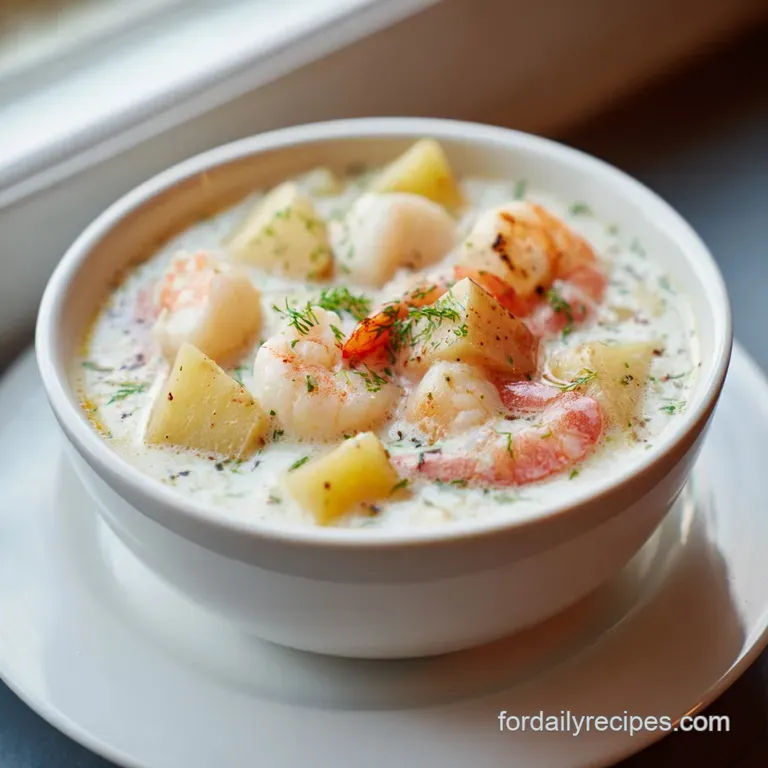
The most common issue people have with this seafood chowder recipe is texture. Whether it's the broth being too thin or the seafood being too tough, most of it comes down to heat management.
Troubleshooting Common Issues
| Issue | Solution | |||
|---|---|---|---|---|
| Why Your Seafood Is Rubbery | This usually happens because the broth was boiling too hard when the seafood was added. High heat causes the muscle fibers in shrimp and scallops to contract violently, squeezing out the juices. | |||
| Why Your Base Is Thin | If your broth isn't velvety, your potatoes might be too large or you didn't simmer them long enough. The starch needs to be released into the liquid to create that body. | |||
| Why the Cream Split | If you boil the soup aggressively after adding the milk and cream, the fat can separate from the solids. Always keep the heat on a very low simmer once the dairy is in. | Problem | Root Cause | S |
Taste Variations to Try
Depending on where you're from, your version of a seafood chowder recipe might look different. I love experimenting with regional twists to change the mood of the dish.
For a New England Twist: Add a handful of diced salt pork or chopped bacon at the very beginning. Sauté the bacon first, then use the rendered fat instead of olive oil for the onions. This adds a smoky, salty depth that is quintessential to the Northeast.
For a dairy-free Seafood Chowder Recipe: Swap the milk and cream for full fat coconut milk or a cashew based cream. To keep the richness, add a teaspoon of nutritional yeast to the aromatic base. It gives a savory, "cheesy" undertone that mimics the dairy.
For a Seafood Chowder Recipe Slow Cooker Version: Sauté the aromatics on the stove first, then add everything except the dairy and seafood to the slow cooker. Cook on low for 6 hours. Stir in the cream and poach the seafood in the pot during the last 15 minutes of cooking. If you like other rich, coastal dishes, you might also enjoy my Crawfish Etouffee recipe for a different take on seafood.
For an Irish Style: Use a bit more potato and add a pinch of nutmeg. Irish chowders tend to be slightly thicker and more potato forward than the American versions.
Freshness and Storage Tips
Because of the dairy and the delicate seafood, this seafood chowder recipe doesn't keep forever, but you can definitely save some for tomorrow.
Storage Guidelines Store leftovers in an airtight container in the fridge for up to 3 days. I recommend storing the broth and potatoes together, but if you have a lot of leftover seafood, consider storing it in a separate container to prevent it from overcooking during the reheat.
Reheating the Right Way Never microwave this soup on high. The high heat will turn your fish into rubber. Instead, gently warm it in a saucepan over low heat. If the soup has thickened too much in the fridge (which happens because of the potato starch), stir in a tablespoon of water or seafood stock to loosen it up.
Zero Waste Tips Don't throw away the shrimp shells or the fish scraps! Toss them into a freezer bag. Once you have a good amount, simmer them with an onion, a carrot, and a bay leaf for two hours to create your own concentrated seafood stock for the next time you make this seafood chowder recipe.
Ideal Side Dish Pairings
A bowl of chowder is hearty, but it needs a bit of contrast to really sing. I usually go for something that can soak up the broth or something with a sharp, acidic bite.
The Bread Factor A crusty sourdough loaf or a warm piece of corn bread is a non negotiable. If you want something more heritage style, try homemade buttered biscuits. The richness of the biscuit complements the velvety nature of the soup.
Adding a Zesty Contrast To balance the creaminess, I love serving this with a side of crisp greens or a sharp condiment. A dollop of Rémoulade sauce on a piece of toasted baguette on the side adds a tangy, French inspired contrast that wakes up the palate.
The Beverage Match A crisp, cold Sauvignon Blanc or a light pilsner works best here. You want something with high acidity to cut through the cream and highlight the sweetness of the scallops.
Common Kitchen Myths
There are a few things people tell you about chowder that just aren't true. Let's clear those up.
The "Seal the Juice" Myth Some people think you should sear the fish before adding it to the soup to "seal in the juices." This is a myth. Searing doesn't seal anything; it just adds a crust. In a seafood chowder recipe, searing the fish often overcooks the center before the fish even hits the broth.
Poaching is the way to go for that melt in-your mouth texture.
The "Flour is Mandatory" Myth Many recipes insist on a flour roux to thicken the soup. While it works, it can mask the delicate flavor of the seafood. Using Yukon Gold potatoes provides a more natural, cleaner thickness that lets the fish and shrimp shine.
The "Expensive Fish" Myth You don't need lobster or king crab to make this impressive. A simple, firm white fish like cod is often better because it doesn't overpower the other ingredients. The magic is in the technique, not the price tag of the fish.
High in Sodium
1100 mg 1,100 mg of sodium per serving (48% 48% of daily value)
The American Heart Association recommends a daily limit of 2,300 mg of sodium for most adults, with an ideal limit of 1,500 mg for those with hypertension.
Tips to Reduce Sodium
-
Swap the Stock-30%
Replace standard seafood stock or clam juice with low-sodium or no-salt-added versions to significantly cut the base sodium level.
-
Skip Added Salt-25%
Completely omit the 'salt to taste'; the seafood and stock already provide enough natural sodium to flavor the dish.
-
Amplify Acidity-15%
Increase the fresh lemon juice to brighten the flavors, which tricks the palate into needing less salt for satisfaction.
-
Brown the Aromatics-10%
Sauté the onion, celery, and garlic longer until caramelized to build deeper, natural savory notes (umami) without adding salt.
-
Boost Fresh Herbs
Add extra fresh parsley, thyme, and black pepper to enhance the aromatic profile and complexity of the chowder.
Recipe FAQs
What three ingredients must a chowder have to be considered a chowder?
Potatoes, a creamy base, and a primary protein. These three components create the characteristic thick, hearty texture associated with traditional chowders.
What are the ingredients for seafood chowder?
Firm white fish, shrimp, scallops or clams, and a base of potatoes, onion, celery, and garlic. The liquid consists of seafood stock, milk, and heavy cream, seasoned with thyme, bay leaf, lemon juice, and parsley.
What are common mistakes when making chowder?
Overcooking the seafood or boiling the cream. High heat makes shrimp and scallops rubbery, while aggressive boiling after adding dairy can cause the soup to split.
What makes chowder taste better?
Adding a touch of acidity at the end. Stirring in fresh lemon juice after removing the pot from the heat brightens the heavy cream and seafood flavors.
How to prevent the seafood from becoming rubbery?
Poach the seafood for only 3–5 minutes on very low heat. Ensure the broth is not boiling aggressively when you fold in the fish, shrimp, and scallops to keep them tender.
Why is my chowder base too thin?
The potatoes may be cut too large or weren't simmered long enough. The starch from the Yukon Gold potatoes must release into the liquid to create body; if you enjoyed mastering starch-based thickening here, see how the same principle works in our mac and cheese.
Is it true that I should boil the soup after adding the cream for a thicker texture?
No, this is a common misconception. Boiling the soup aggressively after adding milk and cream can cause the dairy to split; instead, maintain a very low simmer.
Seafood Chowder Recipe in 40 Minutes