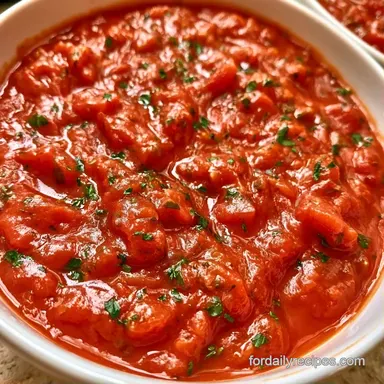
Pizza Recipe Tomato Sauce with San Marzano Tomatoes
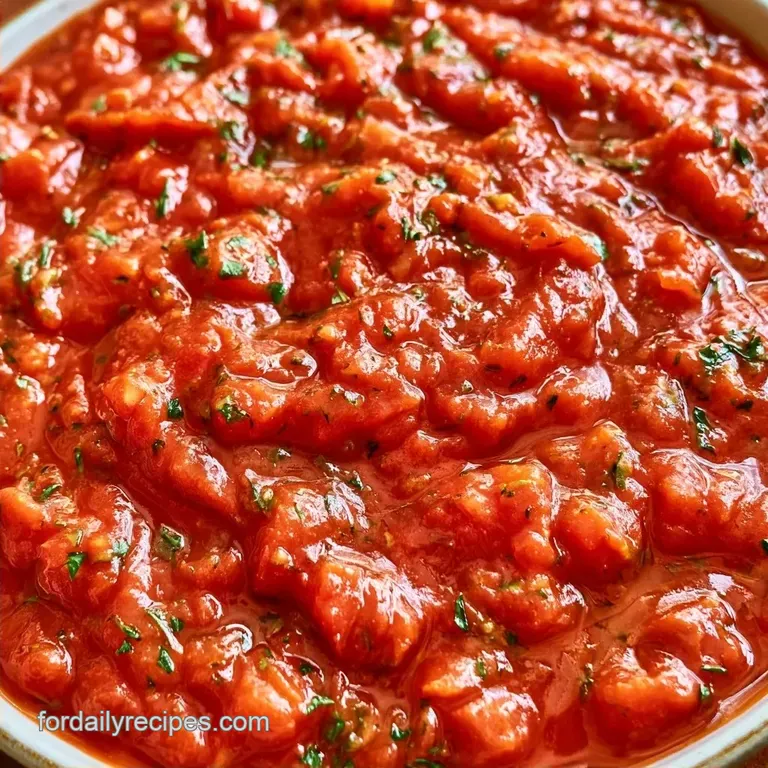
- Time: 10 min active + 90 min simmering
- Flavor/Texture Hook: Concentrated, savory, and smooth
- Perfect for: Weekend pizza nights or meal prep
The smell of garlic hitting shimmering olive oil is the only way to start a kitchen session. It’s a scent that immediately makes the house feel like a proper Italian bistro. I’ve spent a lot of time trying to figure out why some home sauces taste like canned soup while others feel like they belong in Naples.
The problem is usually water. I once made a sauce that looked great in the pot but turned my crust into a soggy, collapsed mess the second it hit the oven. It was a total disaster. You can't just blend tomatoes and call it a day, you have to cook the water out of them.
This Pizza Recipe Tomato Sauce focuses on reduction. By letting it simmer for a while, the flavors tighten up and the texture becomes a rich paste that clings to the dough. It's a bit more effort than a raw sauce, but the result is something that actually transcends the usual home cook standards.
Why This Pizza Recipe Tomato Sauce Works
Slow Reduction: Simmering for 90 minutes evaporates the thin water, leaving a concentrated paste that won't soak into your crust.
Balanced Acidity: A small amount of sugar cuts through the sharp tomato acid without making the sauce taste like dessert.
Aromatic Base: Sautéing the garlic first infuses the oil, ensuring the savory notes are spread evenly through every spoonful.
Essential Kitchen Tools
Professional gear isn't required, though a couple of tools can make things easier. A saucepan with a heavy base is critical for even heat distribution, preventing the bottom from scorching over the long simmer.
An immersion blender is my top recommendation, as it creates a smooth texture without the risk of a blender lid popping off when handling hot liquids. If you're aiming for an entirely seamless consistency, a fine mesh strainer is also a great addition.
Ingredient Deep Dive
The quality of the tomato defines the whole dish. San Marzanos are the gold standard because they have fewer seeds and a natural sweetness, but Roma tomatoes work great since they have lower water content.
| Ingredient | What It Does | Best Swap |
|---|---|---|
| Roma Tomatoes | Provides the body and acidity | San Marzano (canned) |
| Extra Virgin Olive Oil | Carries flavor and prevents sticking | Avocado oil |
| Fresh Garlic | Adds a sharp, savory punch | Garlic powder (1/4 tsp) |
| Dried Oregano | Brings a classic earthy aroma | Dried Marjoram |
Recipe Technical Specs
This recipe yields about 8 servings, which is plenty for several large pizzas. I've found that the 90 minute cook time is where the magic happens, as the sauce shifts from a bright red to a deeper, brick red hue.
For the best results, keep the heat on a low, lazy bubble. If the sauce splatters too much, your heat is too high and you risk burning the sugars in the tomato.
How to Make It
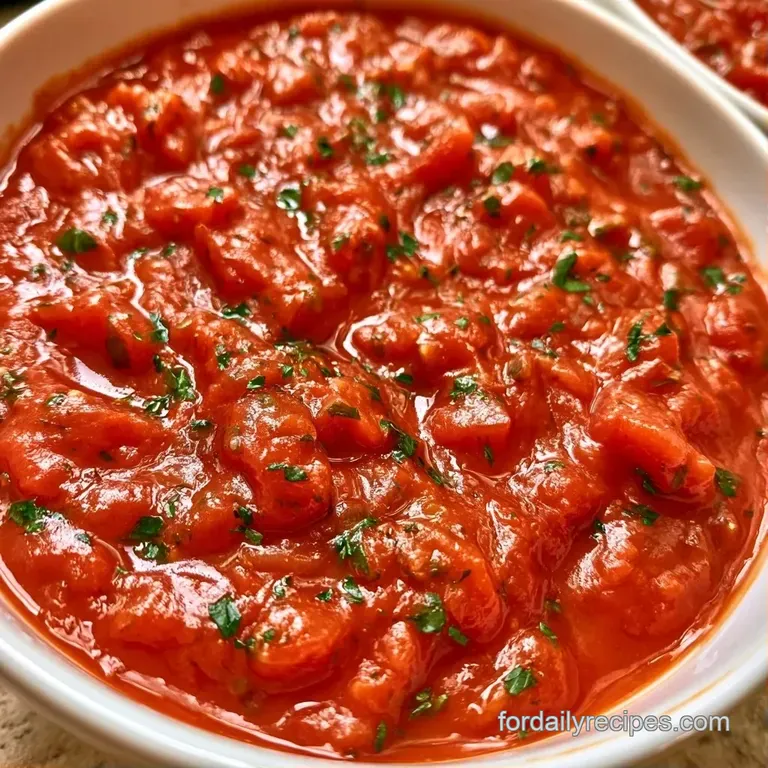
- Cut a small 'X' into the base of each tomato. Boil them for 60 seconds, then immediately transfer them to ice water. Note: This makes peeling the skins much easier.
- Remove the skins and roughly chop the tomatoes. Puree them using a food processor or hand blender until they are completely liquefied.
- Heat olive oil in a saucepan over medium heat.
- Sauté the minced garlic for 1 minute until it is translucent and fragrant. Note: Avoid browning the garlic, as it can become bitter.
- Stir in the tomato puree.
- Mix in the dried basil, dried oregano, sea salt, black pepper, and granulated sugar.
- Turn the heat down to a gentle simmer.
- Cook for 60–90 minutes until the sauce thickens and reduces by one third.
- Remove from the heat. For a smooth consistency, use an immersion blender or pass the sauce through a fine mesh strainer.
Fixing Common Sauce Issues
The most frequent issue is moisture. If the sauce looks like soup after 90 minutes, it just needs more time. Don't be tempted to add flour or cornstarch to thicken it, as that changes the flavor profile and makes the sauce taste "pasty."
Another common slip up is the garlic. If you sauté it for too long, the whole Pizza Recipe Tomato Sauce will have a burnt undertone that you can't get rid of. Always keep the garlic moving in the pan.
Fixing a Watery Consistency
If the sauce is too thin, simmer it uncovered for another 15 minutes. This allows the remaining steam to escape faster.
Balancing an Overly Acidic Taste
If the tomatoes were very tart, add another pinch of sugar. Do it in small increments and taste after each addition.
Handling Burnt Garlic
If the garlic browned too quickly, it's best to start the oil and garlic step over. Burnt garlic ruins the delicate balance of the herbs.
| Problem | Fix |
|---|---|
| Sauce is too thin | Simmer uncovered for 15 more mins |
| Too much acidity | Add a pinch of granulated sugar |
| Bitter flavor | Start the garlic sauté over |
Adjusting the Batch Size
If you are only preparing this for two people, you can simply halve the recipe. Opt for a smaller saucepan to avoid the sauce drying out and burning. Reduce the simmering time by roughly 20%, but prioritize the visual cue of the sauce reducing by one third.
For larger gatherings, doubling or tripling the quantities is perfectly fine. However, do not scale the salt and spices linearly. Begin with 1.5x the seasonings and adjust at the end.
Since evaporation varies in larger pots, you may need an additional 20 minutes of simmering to reach the same thickness.
Storage and Zero Waste
Keep the completed sauce in glass containers in the refrigerator for a maximum of 5 days. The flavors often deepen by the following day, allowing the basil and oregano to fully integrate with the tomatoes.
For longer preservation, this sauce stays perfect in the freezer for 3 months. I prefer using silicone muffin tins to create frozen portions, which I then transfer to a freezer bag. This makes it easy to remove a single disc for each pizza.
Reduce waste by saving the tomato skins; simply dry them in a low-temperature oven and pulverize them into a powder for an intense tomato boost in other recipes. Or, use any remaining sauce as a convenient foundation for a fast shakshuka the following morning.
Variations and Substitutions
For a different profile, try swapping dried herbs for fresh ones. Stir in fresh basil at the very end of cooking to keep the color vivid and the flavor bold. If you prefer a spicy kick, adding red pepper flakes with the garlic works perfectly.
If you're looking for an alternative, this Pomodoro Sauce Recipe is a wonderful option for pasta, but the thickness of this reduction is exactly what you need for pizza.
| Original Ingredient | Substitute | Why It Works |
|---|---|---|
| Roma Tomatoes | Canned Crushed Tomatoes | Comparable consistency. Note: May require less simmering time |
| Dried Oregano | Fresh Oregano | More intense flavor. Note: Use 3x the amount of fresh |
| Granulated Sugar | Honey or Maple Syrup | Natural sweetness. Note: Adds a slight floral note |
Perfect Complements
Every great sauce starts with a quality foundation. I suggest pairing this with my Homemade Pizza Dough Recipe, as a slow risen crust is sturdy enough to support the depth of a reduced sauce.
Keep your toppings minimal to let the tomatoes stand out. Fresh mozzarella and basil leaves provide a classic, fresh contrast. For a more savory twist, toss on some sliced kalamata olives and finish with a honey drizzle after baking.
This results in a Pizza Recipe Tomato Sauce that truly delivers. The key is patience during the simmering process. Once the sauce evolves from a watery puree into a thick, savory jam, you'll see that homemade is far superior to any jar. That extra hour of cooking is where the deep flavor develops.
Recipe FAQs
How to make proper tomato sauce for pizza?
Blanch and peel Roma or San Marzano tomatoes before blending them into a puree. Sauté minced garlic in olive oil, stir in the puree with herbs and sugar, and simmer for 60 90 minutes.
What is the secret to a good pizza sauce?
Reducing the sauce by one third through a slow simmer is the real secret. This concentrates the tomato flavor and ensures the sauce is thick enough to support heavy toppings.
Which tomatoes are best for homemade pizza sauce?
Roma or San Marzano tomatoes are the ideal choice because they have lower water content. If you enjoyed balancing the acidity here, see how we apply a similar logic in our Thai stir fry sauce.
Is it true that professional pizza sauce requires fresh basil?
That's a myth. Dried basil and oregano provide a deep, concentrated flavor that stands up better to high oven temperatures.
Pizza Recipe Tomato Sauce