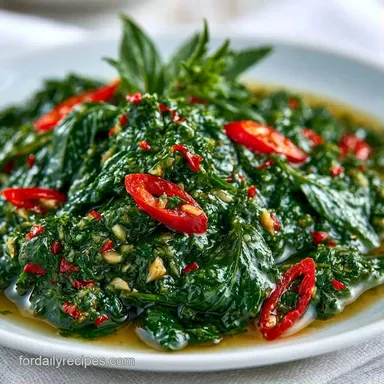
Thai Seafood Sauce in 10 Minutes
- Time:10 minutes active
- Flavor/Texture Hook: Tangy, spicy, and coarse
- Perfect for: Grilled shrimp, steamed fish, or a bold dipping sauce for spring rolls
That first hit of fresh lime and raw garlic always takes me back to a small plastic table in Bangkok. I remember watching a vendor smash chilies in a heavy stone mortar, the scent filling the humid air with something sharp and electric.
It wasn't just about the heat, it was that specific, zingy contrast that makes your mouth water before the food even hits your tongue.
I used to try making this in a blender because it's faster, but the result was always off. It felt like a smoothie rather than a sauce. Once I went back to the mortar and pestle, everything changed. You get these tiny bursts of flavor and a texture that actually clings to the food.
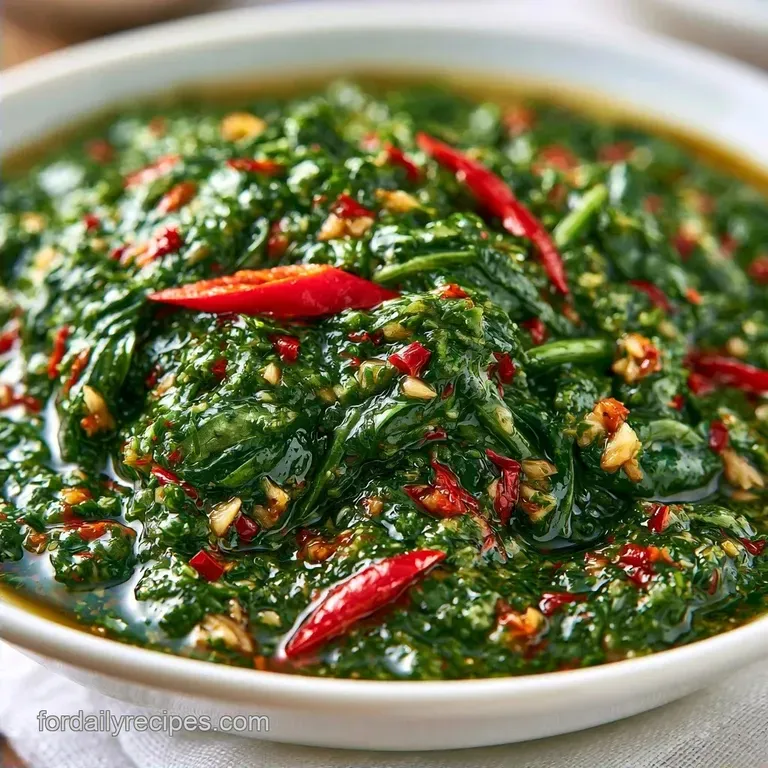
This Thai Seafood Sauce is all about those layers. We start with the pungent bite of garlic and chilies, move into the earthy notes of coriander root, and finish with a bright, salty sweet wash. It's a straightforward process that takes about 10 minutes, and the result is a vibrant green gold sauce that tastes like a trip to Thailand.
Making Real Thai Seafood Sauce
The real trick to this recipe is how you treat the aromatics. Most people just chop things up, but pounding them bruises the cells of the garlic and chilies. This releases essential oils that you simply can't get with a knife. It creates a base that is fragrant and deep, rather than just "spicy."
When you mix in the lime juice and palm sugar, they act as the bridge. The acidity of the lime wakes up the garlic, while the palm sugar rounds off the sharp edges of the fish sauce. It creates a balance where no single ingredient screams louder than the others.
If you're looking for other bold condiments, you might like my Bbq Sauce recipe, which uses a different kind of sweetness but shares that same goal of balancing salt and acid. For this specific Thai Seafood Sauce, though, the goal is a clean, high voltage finish.
The Magic of the Mortar
- Bruised Aromatics: Pounding breaks the fibers, releasing volatile oils that make the sauce pungent and fragrant.
- Texture Control: A mortar allows you to keep a coarse grind, which prevents the sauce from becoming a thin, homogenous liquid.
- Fresh Emulsion: Stirring by hand ensures the palm sugar dissolves without incorporating too much air, keeping the sauce glossy.
| Method | Time | Texture | Best For |
|---|---|---|---|
| Mortar & Pestle | 10 minutes | Coarse & textured | Traditional flavor, dipping |
| Blender/Processor | 3 minutes | Smooth & thin | Large batches, marinades |
| Hand Chopped | 15 minutes | Chunky | Rustic salads, salsas |
The Flavor Components
Understanding what each part does helps you tweak the sauce to your own taste. According to USDA FoodData, fish sauce is a concentrated source of sodium and umami, which provides the "backbone" of the flavor.
| Ingredient | What It Does | Best Swap |
|---|---|---|
| Thai Bird's Eye Chilies | Direct, sharp heat | Habanero (use less) |
| Palm Sugar | Mellow, caramel sweetness | Brown sugar |
| Fish Sauce | Salty, fermented depth | Soy sauce + pinch of salt |
| Coriander Roots | Earthy, herbal base | Cilantro stems |
The Ingredient List
Gather everything before you start pounding. It's much easier to balance the flavors when you aren't hunting for a lime mid process.
- 4 cloves (12g) garlic, peeled Why this? Provides the essential pungent bite.
- 10g Thai Bird's Eye chilies, stems removed Why this? High heat with a clean finish.
- 2 tbsp (6g) fresh coriander roots, finely chopped Why this? Adds a deep, woody herb flavor.
- 3 tbsp (45ml) fresh lime juice, strained Why this? Essential acidity to cut the salt.
- 2 tbsp (30ml) fish sauce Why this? Pure umami and saltiness.
- 1 tbsp (12g) palm sugar, finely shaved Why this? Complex sweetness that balances heat.
- 1 tsp (5ml) water Why this? Adjusts the final consistency.
Essential Kitchen Tools
You don't need a professional kitchen, but a few specific items make a difference. A granite mortar and pestle is the gold standard here. As noted by Serious Eats, the friction of stone on stone is what truly extracts the flavors from the aromatics.
If you don't have a mortar, a heavy bowl and the back of a large spoon can work in a pinch, though it takes more elbow grease. A small whisk or a fork is also handy for dissolving the sugar. Finally, a fine mesh strainer for the lime juice is a must, as nothing ruins a smooth dip like a stray seed.
The Step Process
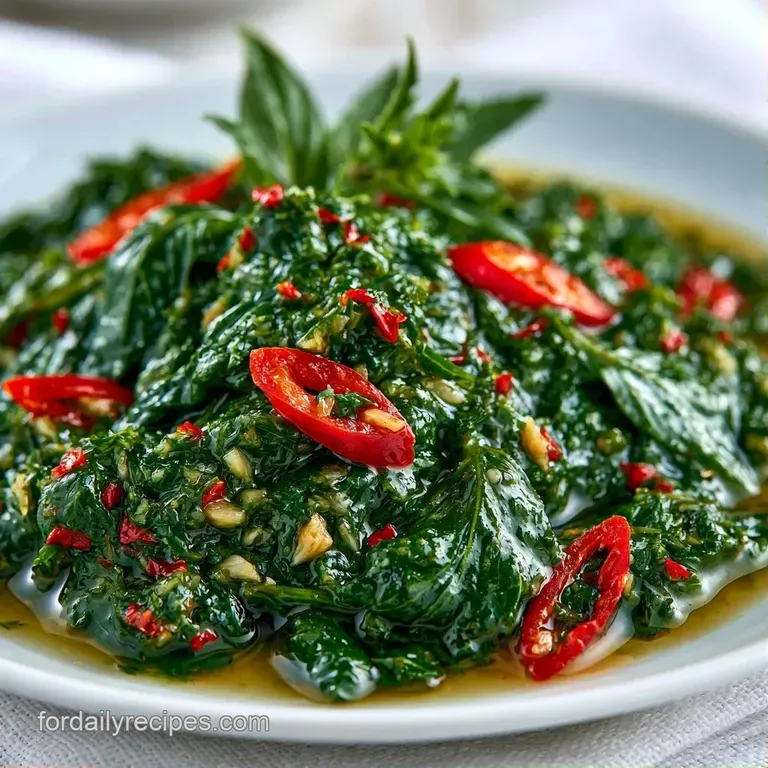
Right then, let's crack on with the assembly. Remember to keep the pounding firm but controlled.
- Place the garlic and Thai chilies into the mortar. Pound firmly until they form a coarse, fragrant paste.
- Add the chopped coriander roots to the mortar. Continue pounding until the mixture is well combined but retains a slight texture.
- Transfer the aromatic paste to a mixing bowl.
- Add the shaved palm sugar and lime juice. Stir vigorously until the sugar is completely dissolved.
- Pour in the fish sauce. Whisk until the sauce blends into a uniform color.
- Add the optional water. Stir until the sauce reaches a vibrant green gold hue.
- Taste the sauce. If it's too sharp, add a pinch more sugar.
- Stir one last time. Your Thai Seafood Sauce is now ready to serve.
Fixing Sauce Problems
Even with a simple recipe, things can go sideways. Usually, it comes down to the balance of the "four pillars": salty, sweet, sour, and spicy.
Excessive Spicy Heat
If you accidentally used too many chilies, don't panic. You can't remove the heat, but you can mask it by increasing the sweetness and acidity. Adding an extra teaspoon of palm sugar and a squeeze of lime will distract the palate from the burn. If it's still too hot, you can double the batch using only the non spicy ingredients. This is similar to how I handle a Buffalo Sauce recipe when the vinegar gets too aggressive.
Overly Salty Finish
Too much fish sauce can make the dip taste like seawater. The quickest fix is more lime juice. The acid cuts through the salt. If it's still too salty, a tiny bit of water or a touch more sugar can help bridge the gap.
Grainy Texture
This happens when palm sugar isn't shaved finely enough or wasn't stirred long enough. If you see granules, just keep stirring or use a small whisk. The acidity in the lime juice helps break down the sugar crystals, but it needs time and motion.
| Problem | Root Cause | Solution |
|---|---|---|
| Too spicy | Too many chilies | Increase lime and sugar |
| Too salty | Excess fish sauce | Add more lime juice |
| Grainy | Sugar not dissolved | Stir longer or shave sugar finer |
Flavor Variations
This recipe is a great baseline, but you can definitely move it in different directions. If you want a version that's a bit more "modern," try replacing the coriander root with finely minced lemongrass. It gives the sauce a citrusy, floral lift that's extraordinary with scallops.
For those who want something slightly creamier, you can whisk in a teaspoon of honey. It doesn't change the flavor profile much, but it gives the sauce a more luxurious cling to the seafood. If you're craving something different entirely, perhaps a smokier vibe, you can look into a Bbq Sauce recipe for your next grilled platter.
If you want a vegan version, swap the fish sauce for a mix of light soy sauce and a pinch of sea salt. You'll lose some of that fermented depth, but the lime and garlic still do the heavy lifting.
Keeping it Fresh
Since this Thai Seafood Sauce uses fresh lime juice, it doesn't last forever. The bright, citrusy notes start to fade after a few days.
Store the sauce in a glass jar with a tight lid in the fridge for up to 7 days. Before using it again, give it a good shake or stir, as the aromatics tend to settle at the bottom. I wouldn't recommend freezing this sauce. The lime juice loses its punch and the texture of the pounded garlic can become unappealing.
To avoid waste, don't throw away your coriander stems. They have almost as much flavor as the roots. Chop them finely and toss them into a stir fry or a soup. If you have leftover lime halves, squeeze them into your water or use them to brighten up a basic vinaigrette.
Plating Your Sauce
Presentation is everything when you're serving something this vibrant. I prefer using a small, shallow ceramic bowl. The contrast of the green gold sauce against a white or dark blue bowl makes the colors pop.
Garnish the top with a few whole Thai chilies and a sprig of fresh cilantro. This tells your guests exactly what's inside. If you're serving it with prawns, place the sauce in the center of a platter and arrange the seafood around it.
A final tip for the table: serve the sauce chilled. The cold temperature makes the heat of the chilies feel a bit more controlled and emphasizes the refreshing nature of the lime. It transforms a simple dip into a thoughtful part of the meal.
Recipe FAQs
What is Nam Jim Seafood sauce?
A bright, spicy Thai dipping sauce. It is designed to cut through the richness of grilled or steamed seafood with a punchy blend of lime, garlic, and chilies.
What does Nam Jim sauce taste like?
Tangy, spicy, and salty. It balances the sharp acidity of fresh lime juice with the pungent depth of fish sauce and a hint of sweetness from palm sugar.
What is this Nam Jim sauce made of?
A blend of fresh aromatics and savory liquids. It uses pounded garlic, Thai Bird's Eye chilies, and coriander roots, mixed with lime juice, fish sauce, palm sugar, and a touch of water.
How to achieve the authentic coarse texture?
Pound the garlic and chilies in a mortar. This bruises the ingredients to release essential oils without over processing them into a smooth paste.
Is it true that using a blender is the best way to make this?
No, this is a common misconception. A blender creates a smoothie like consistency, whereas a mortar and pestle provides the coarse texture that clings better to seafood.
What can I use as a substitute for fish sauce?
Soy sauce is the most reliable alternative. If you enjoyed balancing the salty sweet profile here, see how the same flavor balancing technique works in our teriyaki sauce recipe.
Where can I buy Nam Jim sauce?
Asian grocery stores or specialty markets. Look for bottles labeled "Thai Seafood Sauce," though making it fresh at home provides a far superior flavor.
Thai Seafood Sauce