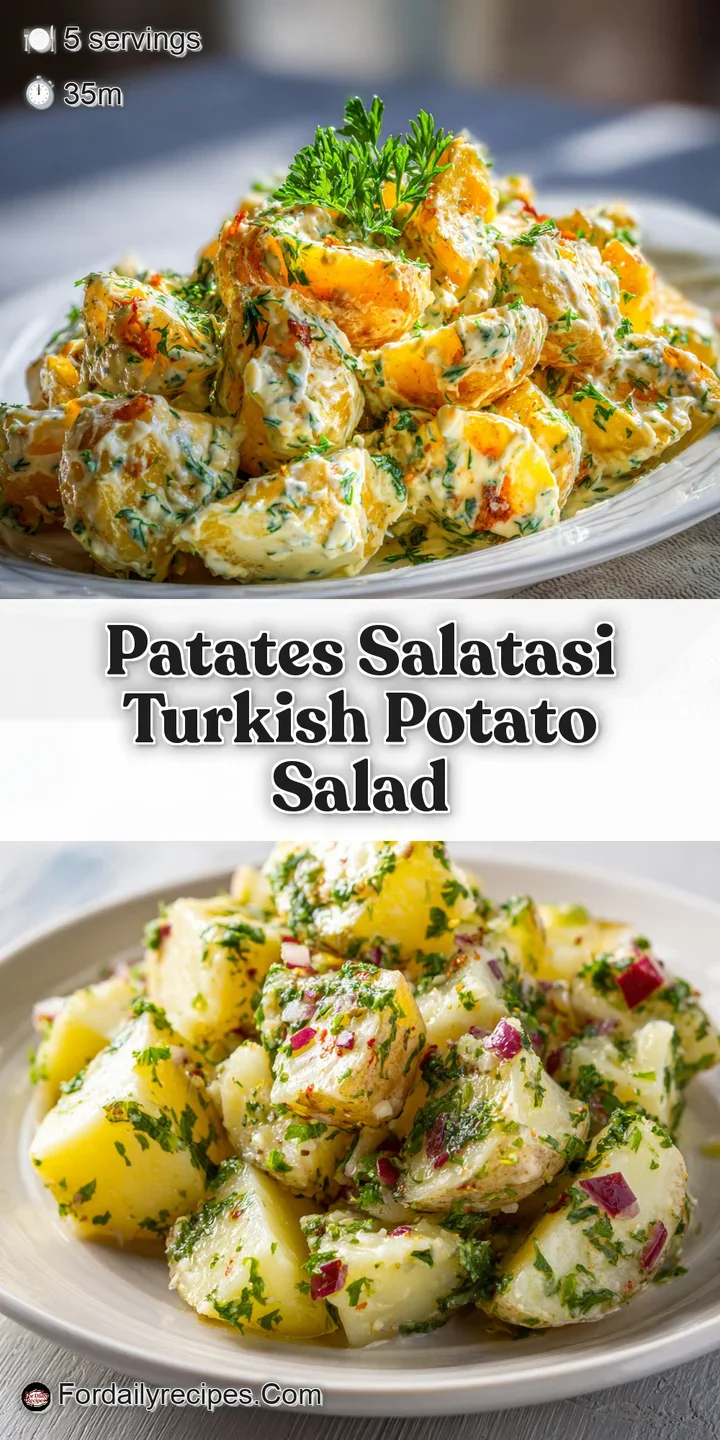
Patates Salatasi Turkish Potato Salad Recipe
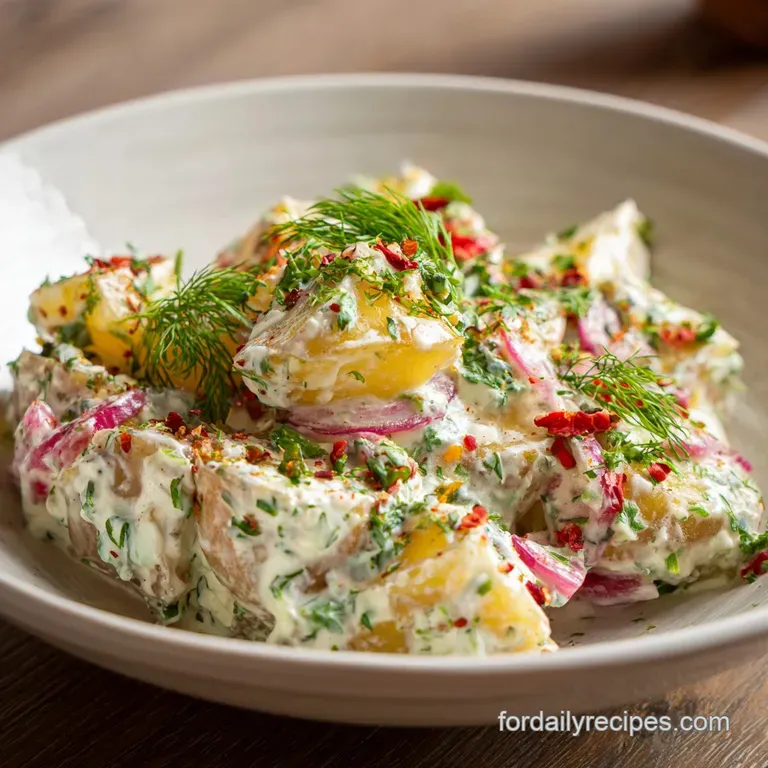
- Time: Active 15 minutes, Passive 20 minutes, Total 35 minutes
- Flavor/Texture Hook: Tangy, citrusy, and silky smooth
- Perfect for: Outdoor picnics, meze platters, or meal prep
- Vital Stats and Effort Metrics
- Component Analysis for Peak Texture
- The Alchemy of Bright Aromatics
- Essential Tools for the Kitchen
- Mastering the Stages of Construction
- Resolving Texture and Flavor Gaps
- Regional Variations and Flavor Shifts
- Preservation and Zero Waste Strategies
- Mediterranean Garnish and Serving Styles
- Patates Salatasi Turkish Potato Salad FAQs
- 📝 Recipe Card
Vital Stats and Effort Metrics
The beauty of a Patates Salatasi Turkish Potato Salad lies in its structural integrity. Unlike a French potato salad that leans on vinegar or a German one that loves bacon fat, this version is all about the "The Sumac Maceration Magic."
- Acid Induced Softening: The malic acid in sumac breaks down the onion’s harsh cell walls, turning them from biting to sweet and tender.
- Starch Gelatinization: Cooking the potatoes just until the starch granules swell ensures a creamy interior that doesn't collapse.
- Thermal Infusion: Adding the lemon and oil while the potatoes are steaming allows the liquid to be pulled into the center of the starch molecules.
The Sumac Maceration Magic
The sumac's malic acid breaks down onion cell walls, drawing out harsh sulfur while replacing it with citrusy depth. This creates a tender, vibrant garnish that doesn't overwhelm the potato.
| Method | Time | Texture | Best For |
|---|---|---|---|
| Boiling | 20 minutes | Creamy & Uniform | Traditional texture |
| Steaming | 22 minutes | Firm & Clean | Maximum nutrient retention |
| Pressure Cook | 8 minutes | Very Soft | Quick weeknight prep |
Using the boiling method is the gold standard here because the salted water seasons the potato from the inside out. If you choose to steam them, you'll need to double the salt in the dressing to compensate for the lack of internal seasoning.
Component Analysis for Peak Texture
Choosing the right potato is the difference between a salad and a bowl of mashed potatoes. We want Yukon Golds because they sit right in the middle of the starch spectrum waxy enough to hold their shape, but starchy enough to feel velvety.
| Ingredient | Science Role | Pro Secret |
|---|---|---|
| Yukon Golds | Medium Starch | Peel after boiling for more flavor. |
| Sumac | Acidic Catalyst | Rub into onions with salt to "cook" them. |
| Olive Oil | Emollient | Use unfiltered oil for a peppery finish. |
| Pul Biber | Heat Source | Bloom it in the oil for 1 min for more depth. |
Chef Tip: Freeze your bunch of parsley and dill for 5 minutes before chopping. It firms up the leaves and prevents them from bruising under the knife, keeping your greens vibrant rather than "muddy" in the salad.
The Alchemy of Bright Aromatics
This list is lean, so quality is everything. Don't even think about using that bottled lemon juice it has a metallic aftertaste that will kill the vibrancy of the sumac.
- 1 kg Yukon Gold potatoes: Peeled and cut into 1 inch cubes. Why this? They provide a buttery texture that absorbs dressing without disintegrating.
- Substitute: Red Bliss potatoes (less creamy but hold shape well).
- 1 large Red onion: Thinly sliced into half moons. Why this? Provides a sharp crunch and beautiful color contrast.
- Substitute: 4 large shallots for a milder, sweeter vibe.
- 4 Scallions: Finely sliced. Why this? Adds a fresh, peppery bite that balances the cooked potatoes.
- Substitute: Chives for a more delicate onion flavor.
- 1 cup Fresh flat leaf parsley: Roughly chopped.
- Substitute: Cilantro (not traditional, but works for a fusion twist).
- 0.5 cup Fresh dill: Finely chopped. Why this? Essential for that specific Eastern Mediterranean herbaceousness.
- Substitute: Fresh mint for an extra cooling effect.
- 60 ml Extra virgin olive oil: Use the good stuff here.
- Substitute: Avocado oil (neutral but lacks the peppery bite).
- 1.5 Lemons, juiced: About 3-4 tbsp.
- Substitute: 2 tbsp White wine vinegar (sharper, less floral).
- 1 tbsp Sumac: The star of the show.
- Substitute: Extra lemon zest mixed with a pinch of paprika.
- 1 tsp Pul Biber (Aleppo pepper flakes): For mild heat.
- Substitute: Red pepper flakes (use half, as they are hotter).
- 1 tsp Sea salt: For the water.
- 0.25 tsp Black pepper: Freshly cracked.
If you find yourself craving even more onion depth, this salad pairs beautifully with a side of Sumac Onion Salad Recipe, which uses a similar maceration technique to create an explosive flavor profile.
Essential Tools for the Kitchen
- Large Stockpot: For boiling the potatoes.
- Stainless Steel Mixing Bowl: Metal conducts heat better, helping the warm potatoes "take" the dressing.
- Mandoline Slicer: Optional, but it makes the red onions perfectly translucent.
- Sharp Chef's Knife: Essential for clean cuts on the herbs to avoid bruising.
Mastering the Stages of Construction
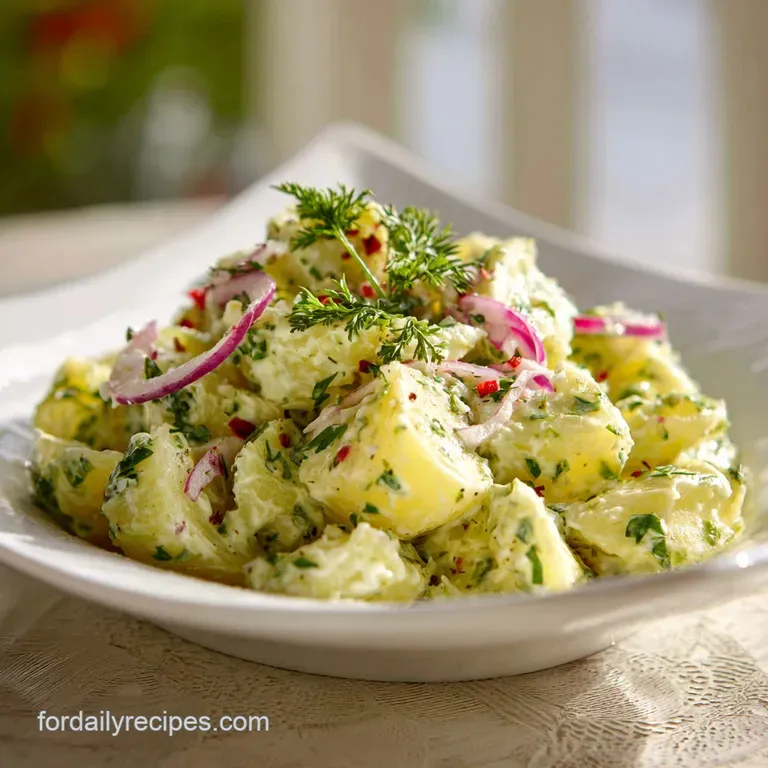
- Prep the base. Place 1 kg Yukon Gold potato cubes in a large pot and cover with cold water. Add 1 tsp sea salt. Note: Starting with cold water ensures the potatoes cook evenly from edge to center.
- Simmer until tender. Bring to a boil, then reduce to a simmer for about 20 minutes until a fork slides in with zero resistance.
- Macerate the onions. While the potatoes cook, toss the sliced red onion with 1 tbsp sumac and a pinch of salt in your large mixing bowl.
- Massage the flavor. Use your hands to rub the sumac into the onions for 1 minute until they turn bright pink and soften.
- Whisk the dressing. In a small jar, combine 60 ml olive oil, 1.5 lemons' worth of juice, and 1 tsp Pul Biber.
- Drain the potatoes. Once cooked, drain the potatoes well and let them steam dry in the colander for exactly 2 minutes.
- The warm marriage. Add the warm potatoes to the bowl with the onions. Pour the dressing over them immediately.
- Toss gently. Use a silicone spatula to fold the potatoes until they are glossy and the starch begins to emulsify with the oil.
- Add the greens. Fold in the parsley, dill, scallions, and black pepper. Note: Adding herbs last prevents them from wilting too much from the potato's heat.
- Final rest. Let the salad sit for 10 minutes at room temperature until the flavors have fully melded.
If you're building out a full Mediterranean spread, this potato salad is the natural partner for a classic Greek Salad Recipe. The creamy texture of the potatoes provides a gorgeous contrast to the crisp cucumbers and salty feta of the Greek version.
Resolving Texture and Flavor Gaps
The biggest pitfall in any Patates Salatasi Turkish Potato Salad is the "mush factor." If your potatoes are falling apart, you've likely over agitated them while they were too hot. Let's look at how to save a batch that isn't quite hitting the mark.
Why Your Potatoes Are Mushy
This usually happens when you use starchy Russet potatoes instead of waxy/medium varieties. Over boiling is the second culprit. If they are already mushy, don't keep tossing them. Instead, spread them out on a baking sheet to cool rapidly and "set" the starch.
Under Seasoned Interior
If the salad tastes "flat" despite the dressing, you likely missed the salting window. Potatoes are like sponges; they only absorb salt effectively while they are boiling or while they are still steaming hot. If it's too late, add a tiny splash of sea salt dissolved in a teaspoon of warm water to help it penetrate.
| Problem | Root Cause | Solution |
|---|---|---|
| Greasy Mouthfeel | Dressing added to cold potatoes | Re warm slightly in microwave to help oil absorb |
| Harsh Onion Bite | Skipped the sumac rub | Add a teaspoon of sugar to neutralize the sulfur |
| Dull Herbs | Added to boiling potatoes | Fold in a fresh handful of parsley right before serving |
Common Mistakes Checklist
- ✓ Never start potatoes in boiling water; always start with cold water for even cooking.
- ✓ Don't skip the "steam dry" step; excess water on the surface prevents the dressing from sticking.
- ✓ Avoid using a wooden spoon to toss; a flexible spatula keeps the cubes intact.
- ✓ Use only flat leaf parsley; curly parsley has a grassy, "hay like" texture that ruins the silkiness.
Regional Variations and Flavor Shifts
While the lemon sumac base is classic, Turkey is a vast culinary landscape. Depending on where you go, you'll find different takes on this staple.
The Ottolenghi Turkish Potato Salad Twist
Inspired by the legendary Yotam Ottolenghi, this version often includes toasted pine nuts for crunch and a drizzle of pomegranate molasses. The molasses adds a deep, fermented sweetness that plays off the sumac’s brightness perfectly.
Turkish Potato Salad with Mayonnaise
Often called "American Salad" in Turkey, this is a remnant of mid century global influence. It usually includes peas and carrots. Honestly, don't even bother with low-fat mayo here; the full fat version provides the necessary lipids to carry the herb flavors.
- If you want more crunch, add diced pickles or capers.
- If you want it spicier, increase the Pul Biber to 1 tablespoon or add a finely minced charred serrano.
- If you want a main meal, toss in a tin of high-quality chickpeas or white beans.
For a truly extraordinary table, I love serving this alongside a Beetroot Salad Dip recipe. The earthy sweetness of the beets and the creamy yogurt base provide a stunning visual and flavor counterpoint to the zesty potatoes.
Preservation and Zero Waste Strategies
Storage: This salad is one of the few that actually tastes better the next day. Store it in an airtight glass container in the fridge for up to 4 days. The potatoes will firm up slightly as they chill, changing the texture from "velvety" to "snappy."
Freezing: Do not freeze this. Potatoes undergo a cellular breakdown when frozen and thawed, turning grainy and watery.
Reheating: It is best served at room temperature. If you're eating leftovers from the fridge, let it sit on the counter for 30 minutes. The olive oil solidifies when cold, so it needs time to liquefy and coat the potatoes again.
Zero Waste: Don't throw away those potato peels! Toss them with olive oil and salt, then air fry them at 400°F for 8 minutes. They make an incredible crispy garnish for the top of the salad.
Also, the stems of the parsley and dill are packed with flavor finely mince them and add them to the boiling water with the potatoes to infuse the starch with herbal notes.
Mediterranean Garnish and Serving Styles
To make this dish look like it came out of a professional kitchen, think about contrast. Use a shallow, wide bowl rather than a deep one so the ingredients don't get crushed under their own weight.
Top the salad with a final sprinkle of sumac right before it hits the table that vibrant red against the green herbs is iconic. If you’re hosting a dinner party, serve it "Meze Style" by spreading a thick layer of labneh or Greek yogurt on the plate first, then piling the potato salad on top.
The Myth of Peeling
Many people believe you must peel potatoes before boiling to save time. In reality, boiling them with the skins on (if you're using whole small potatoes) protects the starch and prevents the potato from becoming waterlogged.
For this specific cubed recipe, peeling first is standard, but the "cold start" water rule is the real secret to success.
The "Acid Damage" Myth
There is a common kitchen myth that adding lemon juice to warm potatoes makes them turn grey. This only happens if you use reactive aluminum cookware. Use stainless steel or glass, and the acid will actually help preserve the vibrant colors of the herbs and onions.
This Patates Salatasi Turkish Potato Salad is a testament to the fact that you don't need expensive ingredients to create something extraordinary. It’s about the ritual the massaging of the onions, the timing of the dressing, and the abundance of fresh herbs.
It's a dish that invites you to slow down and savor the layers. Enjoy it on a sunny afternoon with a glass of cold tea, and you’ll see exactly why it transcends borders.
Patates Salatasi Turkish Potato Salad FAQs
What is the essential flavor difference between Patates Salatasi and standard American potato salad?
It relies on citrus and herbs instead of mayonnaise. This Turkish version is defined by a bright, zesty dressing using copious fresh parsley, dill, and lemon juice, contrasting sharply with the creamy, heavy nature of mayo based salads.
How can I ensure the red onions are tender and not overly harsh in the finished salad?
Rub the sliced onions vigorously with the sumac and salt. The malic acid in the sumac acts as a mild tenderizer, chemically breaking down the harsh cell walls of the onion as it sits.
Is it true that you must use Yukon Gold potatoes for the correct texture?
Yes, Yukon Golds are highly recommended. They offer a perfect medium starch content, providing a velvety interior that absorbs dressing without disintegrating, unlike high starch Russets which become mushy.
How do I prevent the salad from tasting greasy when I mix the dressing with the warm potatoes?
Ensure the potatoes are warm, not scalding hot, before dressing. The residual heat allows the starch to gelatinize and emulsify with the olive oil, pulling the dressing into the potato rather than just coating the surface.
How long can Patates Salatasi be safely stored in the refrigerator?
Up to four days, and the flavor improves. Like many marinated salads, the ingredients continue to meld overnight, resulting in a deeper, more integrated taste the following day.
Should I bloom the Pul Biber (Aleppo pepper) before adding it to the dressing?
No, do not bloom it in oil for this specific recipe. This salad prioritizes fresh, clean herbal brightness; blooming the pepper creates a deeper, earthier heat that clashes slightly with the required tanginess.
How can I incorporate more crunch into this recipe without adding nuts?
Add finely diced celery or use thicker cut scallions. If you are looking for a different textural experience in salads overall, mastering the technique of coating and frying small items is key, similar to the crunch achieved in a Ramen Noodle Salad recipe.
Patates Salatasi Turkish Potato Salad
Ingredients:
Instructions:
Nutrition Facts:
| Calories | 300 kcal |
|---|---|
| Protein | 5.1 g |
| Fat | 11.4 g |
| Carbs | 46.2 g |
| Fiber | 4.9 g |
| Sugar | 3.2 g |
| Sodium | 122 mg |
