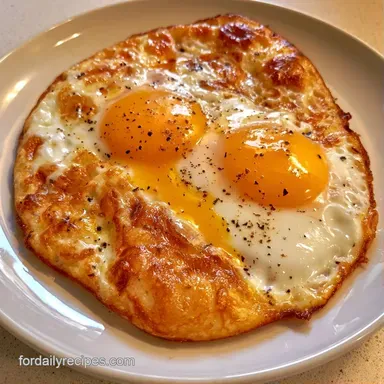
Crispy Olive Oil Fried Eggs
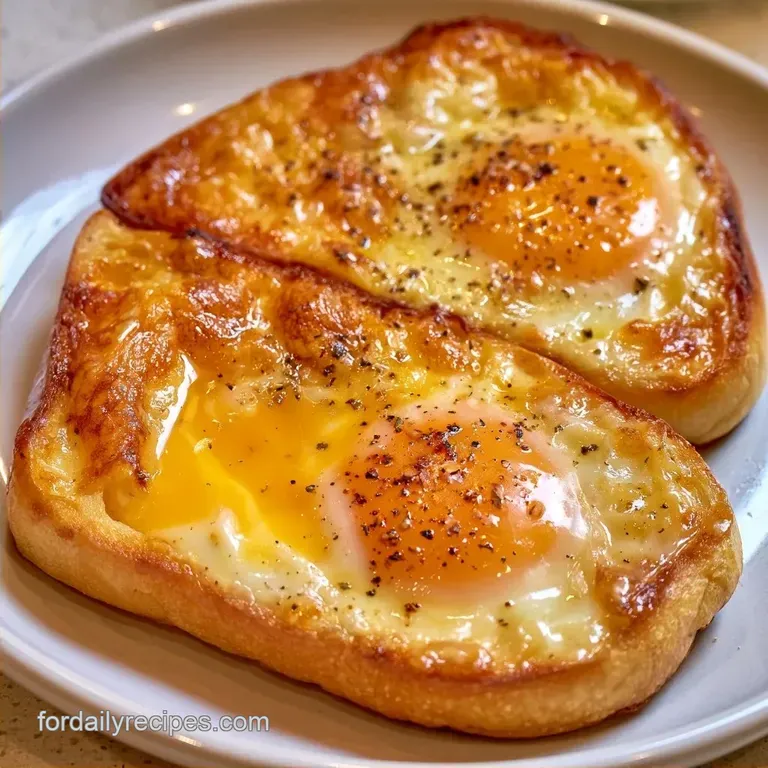
- Time: 2 min prep + 5 min heat
- Key Appeal: Shattering crispy edges paired with a rich, runny center
- Perfect for: A fast, high-protein weekday breakfast
Sizzle. That’s the sound of a breakfast done right. I once thought a big slab of butter was the only way to get a rich result, but that wasn’t the case. For a long time, my eggs were either bland and rubbery or burnt to a crisp because the butter solids scorched before the whites were even set.
Then I discovered olive oil. It handles high heat far better, allowing the egg to actually fry rather than just steam. This creates a completely different result edges that almost crackle under the weight of a fork.
These Olive Oil Fried Eggs focus on contrast. You get a dark, mahogany rim and a yolk that remains perfectly liquid. It is a simple way to upgrade a basic morning meal into something you'd expect to pay twelve dollars for at a bistro.
Crispy Olive Oil Fried Eggs
Here is why this approach is so effective. Many cooks simply drop an egg in the skillet and cross their fingers. However, achieving that specific consistency requires precise control over the heat and the fat.
The One Thing That Changes Everything
Heat Threshold: Olive oil can get hotter than butter without burning, which lets the edges brown quickly.
The Basting Method: Spooning hot oil over the whites cooks them from the top down, so the yolk stays raw while the whites set fast.
If you're into other fast, over high heat techniques, you might like how my French Fried Onions get that same shatteringly crisp finish.
What You'll Need
Extra virgin olive oil is my top choice for its peppery finish, which balances out the creaminess of the yolk. If you don't have any, avocado oil or light olive oil are suitable alternatives, though you'll miss that specific character.
Adding smoked paprika provides a subtle, wood fired depth to the eggs. I typically stir it in at the very end to ensure it doesn't burn in the hot oil.
- 2 large eggs (120g) Why this? Room temperature eggs prevent the oil from cooling too fast
- 3 tbsp extra virgin olive oil (45ml) Why this? High smoke point and rich flavor
- 1/4 tsp sea salt (1.5g)
- 1/8 tsp black pepper (0.5g)
- 1 pinch smoked paprika (0.2g)
- 1 tsp fresh parsley, chopped (5ml)
While you can use kosher salt as a replacement, the coarse crystals of sea salt offer a more pronounced burst of flavor.
Equipment Needed
Simple tools will do. A heavy bottomed skillet is the ideal choice. Cast iron is excellent for its steady heat retention, though stainless steel is also a great option. Avoid using non-stick pans if you want the crispiest possible edges, since they often stop the egg from browning and "seizing."
I prefer a large metal spoon for basting. It should be rigid enough to scoop up plenty of oil without bending.
The Cooking Process
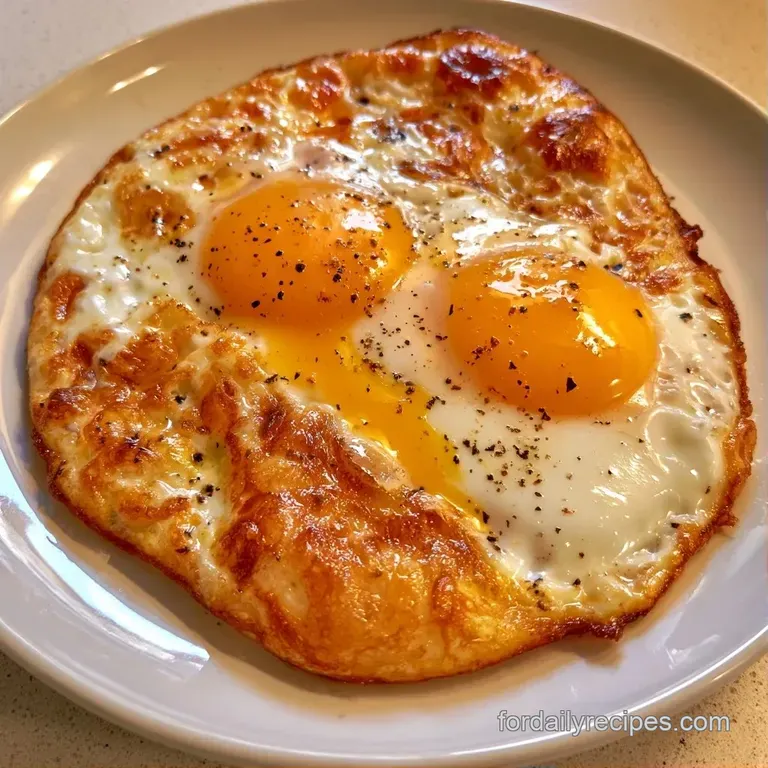
The process is straightforward: heat, sizzle, and baste. Be patient with the oil; if it isn't shimmering, you'll end up poaching the eggs rather than frying them.
Phase 1: Preparing the Heat
Set your skillet to medium heat. Pour in the olive oil and wait for it to shimmer until it flows smoothly and releases faint wisps of heat. This typically takes about 2 minutes.
Phase 2: The Sizzle
Gently crack the eggs into the hot oil, which should produce an immediate, loud sizzle. Let them cook without moving them for 2 minutes until the edges start bubbling and become a deep golden brown.
Phase 3: Basting
Slightly tilt your pan so the oil gathers at the lower edge. Using a spoon, scoop the oil and drizzle it over the translucent whites, making sure to avoid the yolks. Continue this for 1 minute until the whites are opaque and firm.
Finish with salt, pepper, and smoked paprika. Garnish with fresh chopped parsley and slide the eggs onto a plate.
Common Mistakes & Troubleshooting
One thing I messed up early on was overheating the oil. If the oil starts to smoke heavily before the eggs even hit the pan, it'll taste bitter. If that happens, just pull the pan off the heat for 30 seconds.
Another common issue is the yolk breaking. This usually happens if you're too aggressive with the spoon during the basting phase. Keep the oil flow steady and away from the center of the egg.
If you've ever had eggs that are burnt on the bottom but raw on top, it's because you skipped the basting step. That oil pour is what actually finishes the whites.
| Problem | Fix |
|---|---|
| Oil smoking too early | Lift pan off heat for 30 seconds |
| Rubbery whites | Reduce heat to medium and baste faster |
| Broken yolks | Pour oil gently around the edges only |
Make It Your Own
To transform this into Olive Oil Fried Eggs and potatoes, simply sauté diced Yukon Gold potatoes in the oil first. Sizzle them for about 8 minutes until golden brown, then move them to the edge of the skillet.
For a bit of heat, stir some red pepper flakes into the oil before cracking your eggs. If you're looking for something more savory, top the finished eggs with freshly grated parmesan immediately after removing them from the heat.
To make the meal even more indulgent, pair these with toasted sourdough and a dollop of my homemade mayo recipe.
| Goal | What to change |
|---|---|
| Extra Crunch | Use 4 tbsp oil instead of 3 |
| Lower Fat | Use 1 tbsp oil and a splash of water |
| Heartier Meal | Add sautéed spinach or mushrooms |
Adjusting the Batch Size
Avoid overcrowding the pan when preparing Olive Oil Fried Eggs for a group. Putting six eggs into a small skillet will cause the oil temperature to drop too sharply, leaving you with steamed eggs rather than crispy ones.
Instead, work in batches of two or three. If you are doubling the recipe, you don't have to double the oil exactly, as long as there is still a pool deep enough to baste.
For a single egg, use 2 tbsp of oil. The oil will heat up more rapidly with a smaller quantity, so watch it closely to ensure it doesn't start smoking.
How to Store and Keep Fresh
Honestly, fried eggs are meant to be eaten immediately. Once they cool, the crispy edges lose their snap and the yolk thickens. If you must store them, put them in a container for up to 24 hours in the fridge.
To reheat, avoid the microwave, which makes them rubbery. Put them back in a pan with a tiny bit of oil over medium heat for 1 minute.
As for zero waste, don't toss your eggshells. Crush them up and mix them into your garden soil or indoor plant pots. They're packed with calcium and act as a slow release fertilizer.
Perfect Complements
Because these eggs are savory and rich, they benefit from a fresh or acidic pairing to balance the flavors. A simple arugula salad with lemon vinaigrette works beautifully.
If you want something more indulgent, try them atop a thick piece of toasted rye bread topped with smashed avocado. The avocado's creaminess complements the velvety runny yolk.
For a complete brunch spread, serve these alongside sautéed mushrooms or grilled tomatoes. The acidity of the tomatoes cuts through the rich olive oil perfectly.
Comparison: Fresh vs. Shortcut Eggs
| Feature | Fresh Shell Eggs | Liquid Carton Eggs |
|---|---|---|
| Edge Crispness | High - holds shape well | Low - tends to spread/run |
| Yolk Control | Full control over doneness | No yolk/white separation |
| Texture | Firm whites, rich yolk | Uniform, softer consistency |
Trading butter for olive oil makes these Olive Oil Fried Eggs a quick, reliable victory for your morning routine. Don't skip the basting; it's the key to upgrading a basic egg into a restaurant style meal.
Recipe FAQs
How to make olive oil fried eggs?
Heat olive oil over medium until it shimmers. Crack eggs into the pan, cook undisturbed for 2 minutes, then spoon hot oil over the translucent whites for 1 minute until set.
Is olive oil a good choice for frying eggs?
Yes, it adds a rich, fruity flavor. It handles medium heat well and creates those coveted crispy, golden brown edges.
Is it true that frying in olive oil is unhealthy?
Not true. Extra virgin olive oil is packed with heart healthy monounsaturated fats, making it a nutritious option for frying.
What should I do if the oil smokes?
Remove the pan from the heat for 30 seconds. This lowers the temperature to prevent the oil from tasting bitter.
Why are my egg whites raw on top?
You likely skipped the basting step. Use a spoon to pour hot oil over the translucent whites until they are completely opaque.
What side dishes pair well with this?
Warm, buttery bread is the best accompaniment. These eggs pair perfectly with toasted Texas Roadhouse Rolls to soak up the remaining oil and yolk.
Olive Oil Fried Eggs