Middle Eastern Halva Dessert Recipe
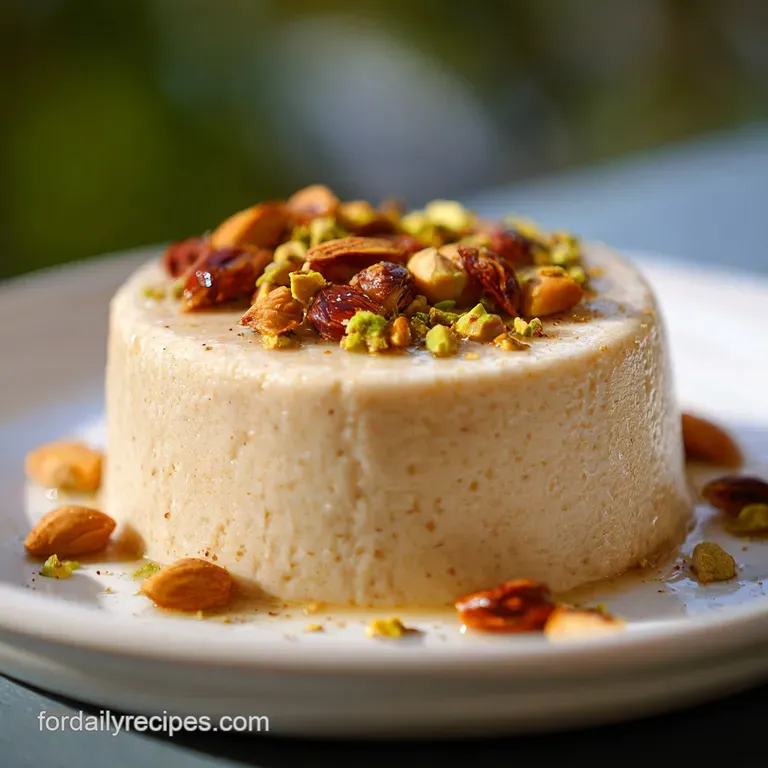
- Time: Active 10 minutes, Passive 15 minutes, Total 25 minutes
- Flavor/Texture Hook: Shatteringly crumbly with a velvety finish
- Perfect for: Afternoon coffee, edible gifting, or a traditional dessert spread
- Master the Traditional Middle Eastern Halva Dessert
- Essential Specifications for Consistent Results
- The Chemistry of Sesame Components
- Crucial Equipment for Sugar Work
- Executing the Perfect Folding Technique
- Troubleshooting Texture and Oil Separation
- Creative Adaptations for Diverse Palates
- Maximizing Longevity and Minimizing Waste
- Ideal Pairings for Rich Desserts
- Recipe FAQs
- 📝 Recipe Card
Master the Traditional Middle Eastern Halva Dessert
The first time I stood in a tiny shop in the heart of a bustling market, the air was heavy with the scent of toasted sesame and boiling honey. I watched an old man fold a shimmering sugar syrup into a massive vat of tahini with nothing but a wooden paddle and pure muscle memory.
The result was a block of Middle Eastern Halva Dessert that didn't just break; it shattered into delicate, sandy flakes before melting into a nutty, buttery silk in my mouth. It was a texture I spent years trying to replicate in my own kitchen, failing more times than I care to admit until I understood the delicate dance of temperature.
We have all bought those plastic tubs of supermarket halva that feel like dry, compressed sawdust. That is not what we are making today. This is the real deal a version that transcends borders and brings that extraordinary market experience right to your countertop.
It is a dish that feels like a magic trick because you are essentially emulsifying fat and sugar into a solid state. When you get that first successful "shatter" of the knife through the block, you will realize exactly why this sweet has been a staple for centuries.
We are going to focus on the interplay between the bitter depth of the tahini and the floral notes of rose water. It is a bold, adventurous flavor profile that doesn't shy away from being intense.
Don't worry about the complexity; once you understand the "why" behind the sugar stage, the rest is just gentle folding and a bit of patience while it cures in the fridge.
Essential Specifications for Consistent Results
Sugar Crystallization: The lemon juice prevents the sucrose from forming large crystals, ensuring a smooth rather than gritty mouthfeel.
Thermal Emulsification: Combining hot syrup with room temperature tahini creates a specific fat in-sugar suspension that hardens as it cools.
Structural Maturation: The resting period allows the sugar strands to settle and the tahini oils to stabilize, preventing the block from weeping oil.
Protein Networking: The proteins in the sesame paste provide the scaffolding that holds the sugar structure together without it turning into hard candy.
| Method | Total Time | Final Texture | Best For |
|---|---|---|---|
| Traditional Syrup | 25 minutes | Crumbly and flaky | Authentic experience |
| Powdered Sugar Shortcut | 10 minutes | Dense and fudgy | Beginners or quick cravings |
| Honey Based | 30 minutes | Sticky and soft | Health conscious palates |
The traditional syrup method we are using today is far superior for achieving that signature flake that "shatters" when sliced. While the shortcut versions are fine for a quick snack, they often lack the sophisticated crystalline structure that makes this dessert truly world class.
The Chemistry of Sesame Components
| Ingredient | Science Role | Pro Secret |
|---|---|---|
| Tahini | Primary fat and protein base | Stir the jar thoroughly to incorporate all settled solids before measuring. |
| Granulated Sugar | Structural backbone | Use a clean pot to prevent premature crystallization during the boil. |
| Rose Water | Volatile aromatic | Add this at the very end to prevent the heat from destroying the delicate scent. |
| Sea Salt | Flavor enhancer | A tiny pinch cuts through the fat and heightens the sesame’s natural nuttiness. |
Selecting the right tahini is the most important decision you will make. You want a "premium" variety that is silky and pourable, not the thick, bitter paste found at the bottom of a neglected jar. If your tahini is too thick, your halva will turn out dry and tough rather than melt in-the mouth.
Crucial Equipment for Sugar Work
You absolutely need a candy thermometer for this. Attempting to judge the "soft ball stage" by eye is a recipe for heartbreak, especially if you want that specific crumbly texture.
A heavy bottomed saucepan is also non negotiable; it distributes heat evenly, preventing the sugar from scorching at the edges while the center remains too cool.
For the mixing phase, a sturdy heat proof spatula or a wooden spoon is best. You will be folding a thick, resisting mass, so anything flimsy will likely snap. Finally,, line a small loaf pan or a square glass container with parchment paper.
This makes extraction a breeze and ensures your corners stay sharp and professional looking.
Executing the Perfect Folding Technique
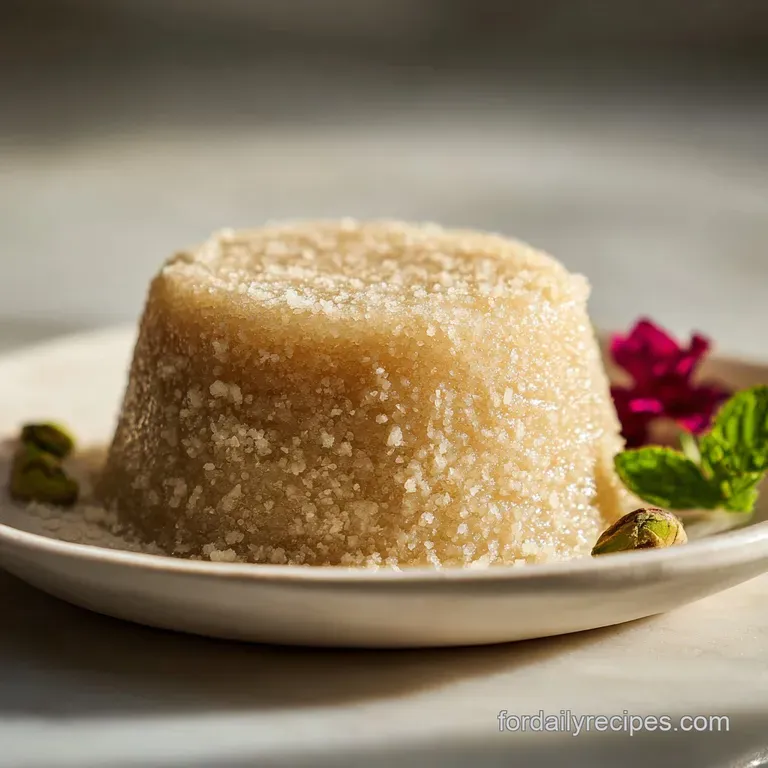
- Prepare the base. Stir 450g premium tahini in a large bowl until completely smooth, then whisk in 1 tsp vanilla extract, 0.5 tsp sea salt, and 1 tbsp rose water. Note: Room temperature tahini prevents the sugar syrup from seizing too quickly.
- Combine sugar and water. In a heavy saucepan, stir 400g granulated sugar with 180ml water and 0.5 tsp lemon juice.
- Boil the syrup. Heat the mixture over medium high until it reaches exactly 118°C (245°F) on a candy thermometer.
- Monitor the bubbles. Watch for the syrup to transition from clear to a thick, slow popping consistency. Note: This is the "firm ball" stage that creates the crystalline structure.
- Begin the pour. Remove the syrup from heat and slowly stream it into the tahini bowl while stirring constantly.
- Fold the mixture. Use a spatula to fold the tahini into the syrup until the mixture begins to thicken and look matte.
- Add the textures. Gently fold in 100g roasted pistachios and 1 tbsp dried edible rose petals.
- Transfer to mold. Pour the warm mixture into your lined pan, smoothing the top with the back of a spoon.
- Cool and set. Let the halva sit at room temperature for 1 hour until the pan feels cool to the touch.
- Cure in fridge. Wrap the container tightly and refrigerate for 24 hours until the texture is firm and sliceable.
Troubleshooting Texture and Oil Separation
Why Your Halva Is Oily
If you see a pool of oil on top of your set halva, it usually means the mixture was over worked. When you stir the syrup and tahini together too aggressively, you break the emulsion, forcing the sesame oil out of the protein structure. It’s similar to how over mixing a Ceci Beans recipe sauce can sometimes lead to fat separation.
Resolving Gritty Sugar Problems
Grittiness happens when the sugar isn't fully dissolved or if it crystallizes in the pot before hitting the tahini. This often occurs if sugar crystals are clinging to the sides of the saucepan. You can prevent this by using a wet pastry brush to wash down the sides of the pot as the syrup comes to a boil.
| Problem | Root Cause | Solution |
|---|---|---|
| Soft/Sticky | Syrup didn't reach 118°C | Re melt gently or use as a spread for toast. |
| Dry/Crumbly | Too much folding/stirring | Shorten the mixing time next time; fold just until matte. |
| Too Bitter | Low quality or burnt tahini | Balance with extra honey or a drizzle of melted chocolate. |
Common Mistakes Checklist
- ✓ Never stir the sugar syrup once it starts boiling (prevents crystallization).
- ✓ Ensure the tahini is at least room temperature (stops the syrup from clumping).
- ✓ Stop folding the second the mixture loses its glossy sheen.
- ✓ Use a digital thermometer for the most accurate 118°C reading.
- ✓ Press the pistachios into the top for a better visual "shatter" when cut.
Creative Adaptations for Diverse Palates
If you are feeling adventurous, you can swap the pistachios for toasted walnuts or even chunks of dark chocolate. Just like when I'm tweaking an Authentic Maamoul Cookies recipe, the key is to keep the ratios the same even if the flavors change.
For a "Marbled Effect", divide the tahini mixture in half and add 2 tablespoons of sifted cocoa powder to one portion. When you pour the syrup, do it into two separate bowls, then swirl the two mixtures together in the pan. It looks incredibly professional and adds a bitter chocolate counterpoint to the sweet sesame.
| Ingredient | Substitute | Why It Works |
|---|---|---|
| Granulated Sugar | Honey (same weight) | Adds floral notes but results in a much softer, stickier halva. |
| Pistachios | Toasted Almonds | Provides a similar crunch with a more neutral, buttery flavor profile. |
| Rose Water | Orange Blossom Water | Maintains the floral essence but adds a citrusy, bright top note. |
Maximizing Longevity and Minimizing Waste
Middle Eastern Halva Dessert is incredibly shelf stable due to its high sugar and fat content. You can keep it in an airtight container at room temperature for up to 2 weeks, or in the refrigerator for up to 3 months. If you store it in the fridge, the texture becomes slightly denser, which some people actually prefer.
Don't throw away the "halva dust" those little crumbs that fall off when you slice the block. These are gold! I save them in a jar and sprinkle them over vanilla bean ice cream or stir them into my morning oatmeal.
You can even blend the crumbs into a milkshake for a toasted sesame flavor that is absolutely out of this world. If you find your halva has become too hard over time, just grate it over a warm fruit tart or a bowl of Greek yogurt.
Ideal Pairings for Rich Desserts
The intense sweetness and fat of this dish cry out for a bitter or acidic partner. A dark, unsweetened Turkish coffee or a strong black tea with mint is the traditional choice. The tannins in the tea help "wash" the palate, making every bite of the halva feel fresh.
If you want to serve this as part of a larger dessert platter, pair it with sharp, acidic fruits like pomegranate arils, fresh figs, or sliced green apples. The tartness of the fruit cuts through the richness of the tahini perfectly.
For a more indulgent spread, a small wedge of sharp feta cheese provides a savory contrast that really highlights the floral rose water in the recipe. It is a bold move, but the salty sweet combination is something that transcends borders and usually becomes the talk of the dinner party.
1. The Bitter Contrast
Serve with a double shot of espresso. The roasted notes of the coffee beans mirror the toasted sesame, while the bitterness balances the 400g of sugar.
2. The Fruit Pairing
Thinly sliced pears poached in a little lemon and star anise. The soft texture of the fruit provides a beautiful contrast to the crumbly "shatter" of the halva.
3. The Mediterranean Spread
Place the halva on a board with some Authentic Maamoul Cookies recipe and a handful of dried apricots. This creates a variety of textures from the shortbread like cookie to the chewy fruit and the melting halva. It’s the ultimate weekend treat for sharing with friends.
Recipe FAQs
What is Middle Eastern halva made of?
Primarily sesame paste (tahini) and sugar. Traditional versions rely on high-quality tahini, granulated sugar cooked to a specific temperature, water, and flavorings like rose water or vanilla.
What is a halva dessert?
Halva is a dense, sweet confection known for its crumbly or fudgy texture. Depending on the region, it can be made from tahini (Middle Eastern/Balkan style) or semolina flour (Indian/Mediterranean style), which drastically changes the final outcome.
What is a famous Middle Eastern dessert?
Middle Eastern halva is among the most famous and ancient desserts. It's appreciated across many cultures, though variations exist, much like how the skill of controlling sugar temperature is key to both halva and achieving the perfect structure in our Authentic Persian Koobideh recipe.
What is the Turkish dessert with sesame seeds?
That is most likely Tahini Halva (Susam Helvası). Turkish halva uses the sesame seed paste base combined with hot sugar syrup, resulting in the signature texture that is often served alongside strong coffee.
Is it true that you must use a candy thermometer to make crumbly halva?
No, this is a common misconception, but highly recommended for consistency. While an expert can judge the soft ball stage by feel, using a thermometer guarantees the sugar hits 118°C, which is crucial for achieving that delicate, shattering crystalline structure rather than a dense fudge.
How do I prevent my halva from becoming gritty?
Ensure the sugar syrup boils smoothly without stirring once boiling starts. Any stray sugar crystals adhering to the saucepan sides can fall back into the syrup and seed unwanted crystallization, leading to a gritty mouthfeel later on.
Can I make this dessert ahead of time?
Yes, it actually improves with resting time. Allow the halva to set completely at room temperature for several hours before chilling it in the refrigerator for at least 12 hours for optimal flavor fusion and structural stability.
Middle Eastern Halva Dessert
Ingredients:
Instructions:
Nutrition Facts:
| Calories | 299 kcal |
|---|---|
| Protein | 6.3 g |
| Fat | 17.7 g |
| Carbs | 32.6 g |
| Fiber | 3.4 g |
| Sugar | 25.2 g |
| Sodium | 106 mg |
