Ground Beef Dinner Idea with Garlic and Herbs
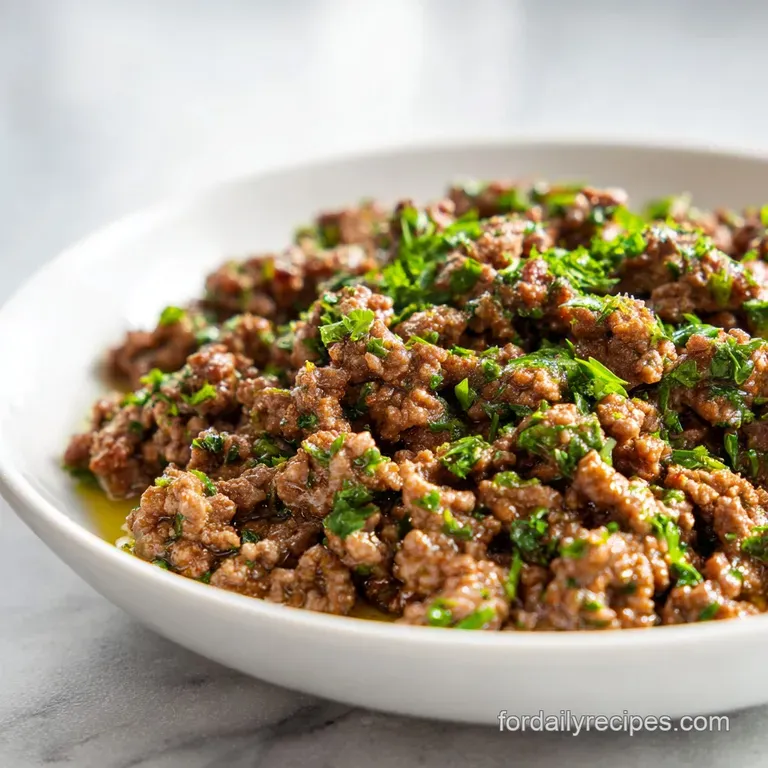
- Time: Active 15 minutes, Passive 5 minutes, Total 20 minutes
- Flavor/Texture Hook: Savory browned crust with zesty herb finish
- Perfect for: Busy weeknights, budget-friendly gourmet, or beginner meal prep
- Ground Beef Dinner Idea with Garlic and Herbs
- Why This Heritage Dish Works
- Analyzing Your Primary Aromatic Components
- Selecting Quality Pantry Staple Ingredients
- Essential Tools for Home Cooking
- Step-by-Step Culinary Preparation Guide
- Solving Frequent Searing Texture Issues
- Adapting Flavors to Your Preference
- Proper Storage and Reheating Methods
- Creative Serving and Pairing Suggestions
- Recipe FAQs
- 📝 Recipe Card
Ground Beef Dinner Idea with Garlic and Herbs
You know that specific sound? That sharp, aggressive sizzle when cold meat finally meets a screaming hot cast iron surface? It is the sound of a good night starting in my kitchen. I remember my grandmother used to say you could judge a cook by the way they handled a simple pound of beef.
She didn't believe in masking the flavor with heavy sauces; she believed in the heritage of good salt, fresh garden herbs, and the patience to let the meat brown properly.
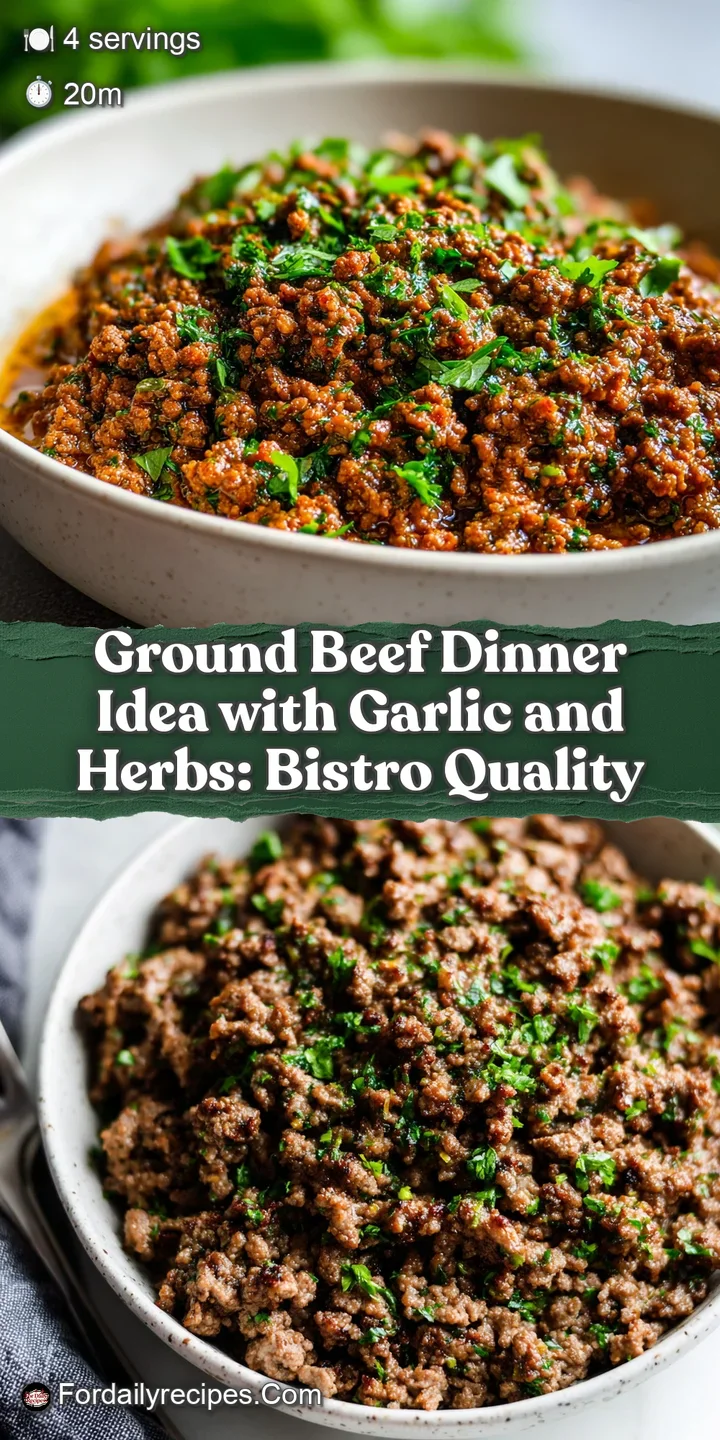
This ground beef dinner idea with garlic and herbs will become your new weeknight favorite. It is the dish I turn to when the day has been long and the pantry looks thin. We have all stood there, staring at a package of beef, wondering how to make it feel special without a two hour simmer.
This method relies on the physics of heat and the timing of aromatics to bring out a depth you usually only find in slow cooked stews.
We are going to skip the soggy, grey meat often found in rushed skillet meals. Instead, we will focus on building a crust that provides a satisfying bite against the velvety finish of a cold butter emulsion. It is simple, honest cooking that respects the ingredients.
Let's get the pan hot and walk through how to make this work every single time.
Why This Heritage Dish Works
Cooking ground beef seems basic, but doing it right involves a few key scientific principles that change the texture from "taco filler" to "main event." When we use a high lean to fat ratio like 85/15, we ensure there is enough rendered fat to fry the herbs without the dish becoming a puddle of grease.
The Physics of the Maillard Crust
Mechanism: over High heat contact triggers the Maillard reaction, rearranging amino acids and sugars into a savory, brown crust. This creates hundreds of new flavor compounds that raw or steamed meat simply cannot offer.
- Aromatic Infusion: Garlic and rosemary contain fat soluble compounds that release their scent more intensely when bloomed in the hot beef drippings.
- Acidic Balance: The fresh lemon juice acts as a surfactant, breaking through the heavy coating of fat on your palate and brightening the earthy herbs.
- Thermal Momentum: Using a heavy skillet maintains a consistent temperature even when the cold meat is added, preventing the temperature drop that leads to steaming.
- Emulsified Finish: Swirling in cold butter at the end creates a silky sauce that clings to the meat rather than separating.
| Method | Time | Texture | Best For |
|---|---|---|---|
| Stovetop Skillet | 15 minutes | Crispy, deeply browned | Maximum flavor and speed |
| Oven Roasting | 25 minutes | Evenly cooked, softer | Large batches for meal prep |
| Air Fryer | 12 minutes | Very crunchy edges | Small portions or "meat crumbles" |
When choosing your path, remember that the stovetop provides the most control over the "bloom" of the garlic. Similar to the technique used in our Ground Beef with recipe, the direct contact with the pan is what creates that signature sear we are chasing today.
Analyzing Your Primary Aromatic Components
Every ingredient in this recipe serves a structural purpose. We aren't just adding "herbs"; we are adding volatile oils that react differently to heat. Understanding these roles helps you adjust the dish based on what you have in your herb garden or crisper drawer.
| Ingredient | Science Role | Pro Secret |
|---|---|---|
| 85/15 Ground Beef | Structural fat source | Pat it dry with paper towels to ensure an instant sear rather than a slow steam. |
| Fresh Rosemary | Piney aromatic base | Chop it extremely fine; the needles are tough and need maximum surface area to release oils. |
| Fresh Garlic | Pungent flavor anchor | Add this ONLY in the last 2 minutes to prevent the sulfur compounds from turning bitter. |
| Unsalted Butter | Finishing emulsifier | Use it straight from the fridge; the cold temp helps it emulsify into a sauce rather than melting into oil. |
Freshness is your best friend here. While dried herbs have their place in long simmered sauces, this quick skillet meal relies on the "green" notes of fresh parsley and rosemary to provide a vibrant contrast to the heavy protein.
Selecting Quality Pantry Staple Ingredients
To get the best results, you need to be picky about your staples. I have made the mistake of using pre minced garlic from a jar don't do it. The flavor is metallic and lacks the "punch" that fresh cloves provide when they hit the hot fat.
- 1 lb ground beef (85/15 ratio): Why this? The 15% fat provides the necessary lubrication for searing without needing extra oil. (Substitute: Ground turkey with 1 tbsp olive oil added).
- 1/2 yellow onion, finely diced: Why this? Onions provide a natural sweetness as they caramelize against the beef. (Substitute: Shallots for a more delicate, garlicky sweetness).
- 4 cloves fresh garlic, minced: Why this? Fresh garlic provides a sharp, spicy bite that mellows as it briefly toasts. (Substitute: 1 tsp garlic powder, but add it with the salt).
- 1 tbsp fresh rosemary, finely chopped: Why this? Rosemary is a hardy herb that stands up to over high heat searing. (Substitute: Fresh thyme or sage).
- 1 tsp dried oregano: Why this? Oregano adds a floral, earthy depth that bridges the meat and the garlic. (Substitute: Dried marjoram).
- 1/2 tsp crushed red pepper flakes: Why this? Provides a back of-the throat warmth without overpowering the herbs. (Substitute: A pinch of cayenne pepper).
- 1/2 cup fresh Italian parsley, chopped: Why this? Parsley adds a "clean" finish and visual brightness. (Substitute: Fresh cilantro for a more citrusy, herbaceous profile).
- 1 tbsp fresh lemon juice: Why this? The acidity cuts through the fat and wakes up the dried spices. (Substitute: Red wine vinegar).
- 2 tbsp unsalted butter: Why this? Adds a velvety mouthfeel and helps the spices stick to the meat. (Substitute: Ghee or high-quality olive oil).
I always keep a lemon on hand for these types of quick meals. If you find the dish tastes "flat" even after salting, it is usually a lack of acid, not a lack of salt. A quick squeeze of lemon juice is often the magic trick that brings the whole skillet to life.
Essential Tools for Home Cooking
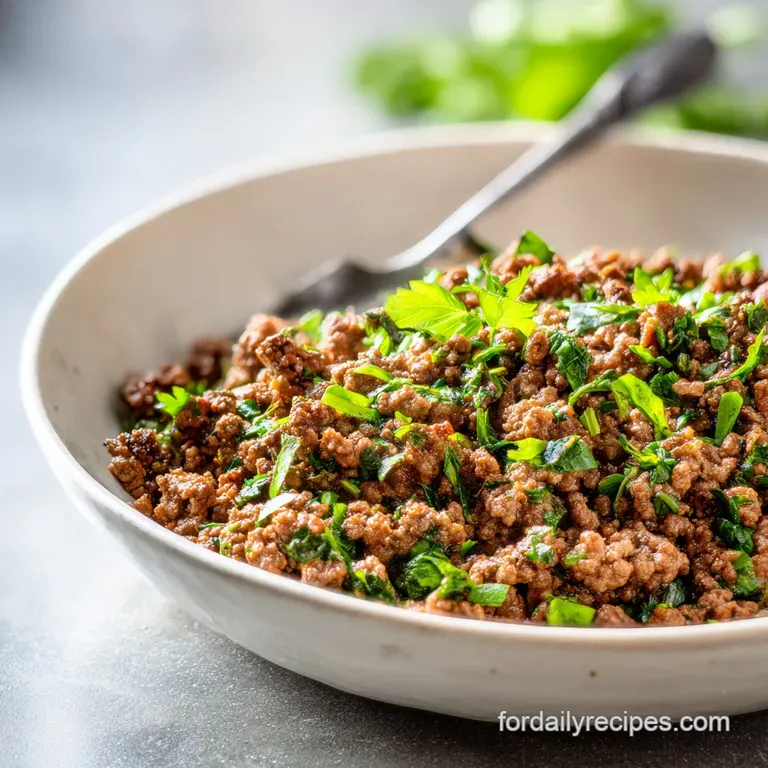
You do not need a professional kitchen, but you do need gear that can handle heat. If you use a thin, non stick pan, you might find the beef boils in its own juices rather than browning.
- Heavy Skillet: A 12 inch cast iron or stainless steel pan is ideal. These materials hold heat better, which is crucial for that "shatter crisp" edge on the beef.
- Wooden Spoon or Stiff Spatula: You need something sturdy to scrape the "fond" (the brown bits) off the bottom of the pan.
- Chef's Knife: A sharp blade ensures your rosemary and parsley are cut cleanly, not bruised and blackened.
If you are cooking for a crowd and need to double this, don't try to cram 2 lbs of beef into one skillet. You will end up with a grey mess. It is better to work in batches or use two separate pans to maintain that over high heat environment.
step-by-step Culinary Preparation Guide
The secret here is the order of operations. We are going to build layers of flavor, starting with the foundation of the meat and finishing with the delicate fresh herbs.
- Prep the meat. Remove the 1 lb ground beef from the fridge 10 minutes before cooking. Note: Room temp meat sears faster than ice cold meat.
- Heat the pan. Place your skillet over medium high heat for 3 full minutes. Wait until you see a faint wisp of smoke.
- Sear the beef. Add the beef to the dry pan. Spread it into one large "patty." Cook for 4 minutes without moving it until a dark brown crust forms.
- Break and brown. Flip the meat in large chunks and add the diced 1/2 yellow onion. Sauté for 5 minutes until onions are translucent.
- Season the base. Stir in the 1 tsp kosher salt, 1/2 tsp pepper, 1 tsp dried oregano, and 1/2 tsp red pepper flakes.
- Add the hard herbs. Toss in the 1 tbsp chopped fresh rosemary. Stir for 1 minute until the kitchen smells like a pine forest.
- Toast the garlic. Push the meat to the edges and add the 4 cloves minced garlic to the center. Cook for 45 seconds until pale golden and fragrant.
- The butter finish. Turn off the heat. Add the 2 tbsp cold unsalted butter and 1 tbsp lemon juice. Stir constantly until the butter is a velvety glaze.
- The green layer. Fold in the 1/2 cup fresh Italian parsley.
- Final rest. Let the meat sit in the pan for 2 minutes before serving. Wait until the juices settle into the meat.
There is a moment right around step 6 where the aroma changes. The raw scent of the beef disappears and is replaced by the toasted, savory smell of the rosemary and browning onions. That is your cue that you are on the right track. Trust your nose more than your timer!
Solving Frequent Searing Texture Issues
The most common frustration with ground beef is ending up with a "wet" texture rather than a "crispy" one. This usually happens because of moisture trapped in the pan.
Why Your Beef Is Grey and Steaming
If your meat looks dull and grey, the pan wasn't hot enough or you overcrowded it. When you put too much meat in at once, the temperature drops and the water inside the beef turns to steam. This "boils" the meat from the inside out.
To fix this, always pat your beef dry and make sure the pan is shimmering hot before the meat touches it.
Why Your Garlic Tastes Bitter
Garlic has a very low burn point because of its natural sugars. If you add it at the same time as the beef, it will burn into tiny black, bitter acrid bits long before the meat is done. Always add it at the very end when the pan is slightly cooling down.
| Problem | Root Cause | Solution |
|---|---|---|
| Bland Flavor | Lack of salt or acid | Increase salt by 1/4 tsp and add an extra splash of lemon juice. |
| Tough, Rubbery Meat | Overworking the beef | Don't stir the meat constantly; let it sit and form a crust. |
| Excessive Oil | Using high fat beef | Drain the fat after step 4, leaving only 1 tbsp in the pan. |
Common Mistakes Checklist
- ✓ Never use a lid; lids trap steam and destroy the crispy texture you worked for.
- ✓ Don't use "Extra Lean" (95/5) beef; it lacks the fat needed to bloom the rosemary.
- ✓ Avoid pre minced garlic; the citric acid in the jar prevents it from browning correctly.
- ✓ Wait for the "sizzle" test if a small piece of meat doesn't hiss loudly, the pan is too cold.
- ✓ Use kosher salt rather than table salt for a more controlled, "flaky" seasoning experience.
Adapting Flavors to Your Preference
This recipe is a canvas. While the garlic and rosemary version is a time honored classic in my house, you can easily shift the profile based on what is in your pantry. If you are looking for a different shape but similar flavors, try the Meatballs Cooked in recipe for an oven baked twist.
| Original Ingredient | Substitute | Why It Works |
|---|---|---|
| Rosemary | Fresh Thyme | Same earthy profile but slightly more floral and subtle. |
| Yellow Onion | Leeks | Adds a buttery, mild onion flavor that feels very "French bistro." |
| Lemon Juice | Balsamic Vinegar | Adds sweetness and a dark, syrupy finish. Note: Will darken the meat significantly. |
3 Global Flavor Twists
- Mediterranean: Swap rosemary for dried mint and add 1/4 cup of crumbled feta at the very end.
- French Bistro: Use shallots instead of onions and add a teaspoon of Dijon mustard to the butter finish.
- Italian Garden: Use fresh basil instead of parsley and toss in a handful of halved cherry tomatoes during step 4.
Proper Storage and Reheating Methods
This dish is a meal prepper's dream because the herbs actually penetrate the meat more deeply as it sits. However, you have to be careful not to dry it out when you warm it back up the next day.
- Fridge
- Store in an airtight container for up to 4 days.
- Freezer
- This freezes beautifully for up to 3 months. Let it cool completely before bagging it to prevent ice crystals.
- Zero Waste Tip
- Don't throw away those parsley stems! Finely mince them and add them in with the onions at the beginning. They have a more intense flavor than the leaves and provide a nice crunch. Also, if you have leftover beef, it makes an incredible "dirty rice" base or a topping for a quick baked potato.
Reheating: Avoid the microwave if possible; it makes the beef rubbery. Instead, toss the meat back into a skillet with a tablespoon of water or beef broth. Cover it for 2 minutes over medium heat to create a little steam, then remove the lid and let the edges crisp back up for 1 minute.
Creative Serving and Pairing Suggestions
This isn't just a pile of meat it is the star of a meal. Because it is so savory, it needs a "soft" partner to soak up that garlic butter glaze we created at the end.
- The Classic Way: Serve over a bed of buttery mashed potatoes or creamy polenta. The velvety texture of the potatoes contrasts beautifully with the crispy beef.
- The Low Carb Way: Spoon the beef into large Romaine lettuce leaves or serve over roasted cauliflower. The lemon juice keeps it feeling light.
- The Quick Way: Toss with al dente pasta (like pappardelle) and an extra splash of olive oil.
If you are looking for a more formal presentation, this pairs wonderfully with a simple arugula salad dressed in you guessed it more lemon and olive oil. The peppery greens highlight the rosemary without competing for attention.
It is a time honored combination that feels like a heritage meal passed down through generations. Enjoy the sizzle!
Recipe FAQs
Is garlic and herb seasoning good for ground beef?
Yes, when used judiciously. Fresh herbs and garlic provide a better depth of flavor for quick skillet meals than pre-mixed dried seasonings. We layer fresh aromatics at specific times to avoid burning the garlic.
What herbs go well with ground beef?
Rosemary, oregano, and parsley are excellent core herbs. Rosemary provides a piney base that stands up to searing, while parsley adds fresh brightness at the finish. You can also try thyme or marjoram for a similar profile.
Does garlic go well with ground beef?
Yes, garlic is foundational to rich beef flavor. However, it must be added late in the cooking process, typically in the last minute, to prevent its natural sugars from scorching and turning bitter.
What is a cowboy dinner?
A cowboy dinner is generally a simple, hearty meal cooked quickly over high heat or a campfire. This recipe fits the spirit, using minimal ingredients to create maximum flavor quickly, much like the savory base in our Crock Pot Recipe but finished faster on the stovetop.
How do I prevent my ground beef from steaming instead of searing?
Heat the skillet until it is shimmering hot before adding the meat. Overcrowding the pan is the second major cause; work in smaller batches if necessary to maintain high surface temperature.
Should I use dried oregano or fresh oregano in this quick skillet meal?
Use dried oregano for this specific recipe. Dried herbs like oregano and crushed red pepper need heat exposure to release their oils, making them perfect for adding just before the garlic. If you enjoyed controlling the seasoning timing here, you'll appreciate the heat management required for a smooth Garlic Parmesan Sauce recipe.
Why does my dish taste flat even after adding salt?
You are likely missing an acid component to balance the richness. Always finish quick, savory dishes with a squeeze of fresh lemon juice or a splash of vinegar right before serving to brighten the overall profile.
Ground Beef Garlic Herb Skillet
Ingredients:
Instructions:
Nutrition Facts:
| Calories | 268 kcal |
|---|---|
| Protein | 21 g |
| Fat | 19 g |
| Carbs | 3 g |
| Fiber | 1 g |
| Sugar | 1 g |
| Sodium | 545 mg |
