Yum Yum Sauce Recipe: Authentic Hibachi
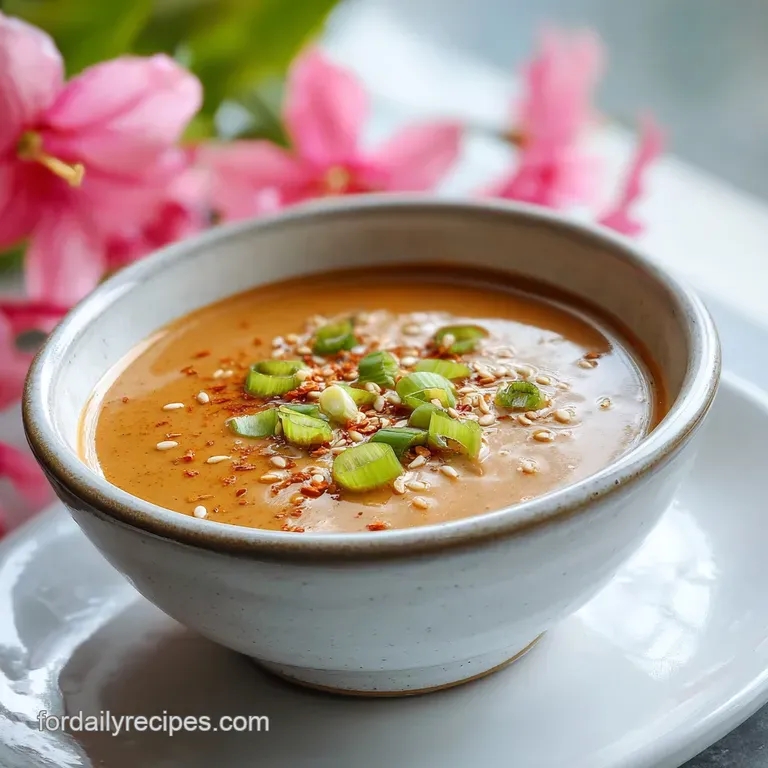
- Time: Active 5 minutes, Passive 24 hours, Total 24 hours 5 minutes
- Flavor/Texture Hook: Silky, savory, and bright
- Perfect for: Hibachi night, meal prep, or leveling up grilled seafood
- Mastering My Authentic Hibachi Yum Yum Sauce Recipe
- The Science of Flavor Balance
- Comparing Preparation and Storage Methods
- The Chemistry of Creamy Emulsions
- Sourcing High Quality Pantry Staples
- Essential Kitchen Tools for Success
- The Sensory Guide to Mixing
- Solving Common Texture Issues
- Adjusting Yields for Big Crowds
- Debunking Classic Condiment Misconceptions
- Maximizing Freshness and Longevity
- Adapting for Every Special Diet
- Global Pairings for Every Plate
- Recipe FAQs
- 📝 Recipe Card
Mastering My Authentic Hibachi Yum Yum Sauce Recipe
I still remember the first time I sat at a communal hibachi table, mesmerized by the chef’s rhythmic clanging of spatulas and the sudden, spectacular towers of onion rings. But while the fire and the flair were captivating, my focus was entirely on that small plastic cup of pale pink liquid gold.
It was creamy, slightly sweet, and had a tang that seemed to cut through the rich, buttery fried rice like a laser. I went home that night obsessed with recreating it, but my first three attempts were, frankly, dismal. I tried using ketchup (too sweet), lemon juice (too sharp), and even heavy cream (way too thin).
The breakthrough happened when I realized that this yum yum sauce recipe isn't just about mixing things together; it’s about the science of the "mellowing" phase. I once made a batch and served it immediately, only to find the garlic powder tasted harsh and grainy.
I almost threw it out, but I left it in the fridge overnight. The next morning, the sharp edges had vanished, replaced by a complex, unified flavor profile that actually rivaled the restaurant version. That was the moment I learned that patience is as much an ingredient as the mayonnaise itself.
We’ve all had those store-bought bottles that taste like chemicals and corn syrup. This recipe is the antidote to that. We are going to use real, unsalted butter for a mouthfeel that coats the palate and a precise balance of rice vinegar for that essential Japanese inspired acidity.
This isn't just a condiment; it’s a global flavor bridge that turns a simple Tuesday night chicken breast into something extraordinary. Let’s get to work on what I consider the most versatile sauce in your culinary repertoire.
The Science of Flavor Balance
Understanding the "how" behind this sauce makes you a better cook overall, not just a recipe follower. This mixture relies on three pillars: fat based emulsification, sugar acid titration, and the hydration of dried spices.
- Emulsification Stability: The mayonnaise acts as a pre built emulsion that we expand by adding melted butter and water, creating a velvety texture that doesn't separate.
- Aromatic Hydration: Dried garlic and paprika need time to absorb moisture from the vinegar and water to release their essential oils without being gritty.
- Acid Brightening: Rice vinegar provides a soft acidity that cuts through the 14.9g of fat per serving, ensuring the sauce feels light rather than heavy.
- Umami Anchoring: Tomato paste provides a concentrated source of glutamates, giving the sauce a savory "bass note" that lingers after the sweetness fades.
Comparing Preparation and Storage Methods
While most people think of this as a simple whisk and go recipe, the method you choose can alter the final intensity. Some prefer a quick cold mix, while others swear by a slight warm infusion to wake up the spices.
| Method | Preparation | Texture Outcome | Best Usage |
|---|---|---|---|
| Whisk & Chill | 5 minutes prep | Creamy & balanced | Classic Hibachi dipping |
| Warm Infusion | 10 minutes stovetop | Bold spice profile | Drizzling over warm bowls |
| Blender Whip | 2 minutes prep | Airy & light | Dipping fries or crispy shrimp |
This sauce is fundamentally a cold condiment, but understanding how heat interacts with the ingredients helps when you're in a rush. If you're looking for another pantry staple win, the technique of balancing sugar and salt here is very similar to my Teriyaki Sauce Recipe, which also benefits from a bit of stovetop love to thicken the sugars.
The Chemistry of Creamy Emulsions
The secret to a sauce that doesn't break lies in the order of operations and the quality of the primary fats. Here is how the key components interact to create that signature mouthfeel.
| Ingredient | Science Role | Pro Secret |
|---|---|---|
| Mayonnaise (225g) | Primary Emulsifier | Use a high egg yolk brand for better stability |
| Unsalted Butter (14g) | Flavor Carrier | Melt it until just liquid, not bubbling hot |
| Tomato Paste (16g) | Color & Umami | Sift the paste into the vinegar first to avoid lumps |
| Rice Vinegar (5ml) | pH Balancer | Stick to unseasoned vinegar for total control |
Every gram matters here. For instance, using exactly 16g of tomato paste provides that perfect salmon hue without making the sauce taste like a pasta topping. The 12g of granulated sugar isn't just for sweetness; it actually helps stabilize the emulsion by increasing the viscosity of the liquid phase.
Sourcing high-quality Pantry Staples
For this yum yum sauce recipe, the ingredients are simple, but their quality dictates the final outcome. Don't reach for the low-fat options here; we need the fat to carry the spices.
- 1 cup (225g) high-quality Mayonnaise: This is the backbone. I recommend a brand like Hellmann’s or Duke’s.
- 1 tbsp (14g) Unsalted Butter, melted: Use real butter, not margarine. Why this? Butter adds a richness that oil based mayo lacks.
- 1 tsp (5ml) Rice Vinegar: Provides a clean, crisp tang. Why this? It's less harsh than white vinegar or cider vinegar.
- 1 tbsp (16g) Tomato Paste: For color and body.
- 1 tbsp (12g) Granulated Sugar: To balance the acidity.
- 1 tsp (3g) Garlic Powder: Essential for that "steakhouse" aroma.
- 1 tsp (2g) Paprika: Provides the signature color and a mild earthiness.
- 0.5 tsp (1g) Cayenne Pepper: Just enough to provide a back of-the throat warmth.
- 2 tbsp (30ml) Water: To achieve the perfect drizzling consistency.
- 0.25 tsp (1.5g) Fine Sea Salt: To make all the other flavors pop.
If you find yourself out of rice vinegar, you can use apple cider vinegar as a substitute. It works because the acidity levels are similar, though it will add a slightly fruitier note to the finish.
For the tomato paste, if you want more heat, a splash of Sriracha can work, but it will change the traditional flavor profile slightly.
Essential Kitchen Tools for Success
You don't need a high end lab to make this, but a few specific tools will ensure your yum yum sauce recipe comes out silky every time.
- Stainless Steel Whisk: A balloon whisk is better than a fork for incorporating the tomato paste into the mayo without leaving streaks.
- Glass Mixing Bowl: Glass is non reactive, which is important when dealing with the vinegar in the sauce.
- Digital Kitchen Scale: Precision is everything. Measuring 225g of mayo is much more accurate than eyeball ing a "cup."
- Fine Mesh Sieve (Optional): If your garlic powder or paprika has clumped up in the pantry, sifting them into the bowl prevents "spice bombs."
Chef's Tip: Freeze your butter for 10 minutes before melting it. This might sound counterintuitive, but it allows you to melt it more slowly over low heat, preventing the milk solids from browning, which would ruin the pale color of the sauce.
The Sensory Guide to Mixing
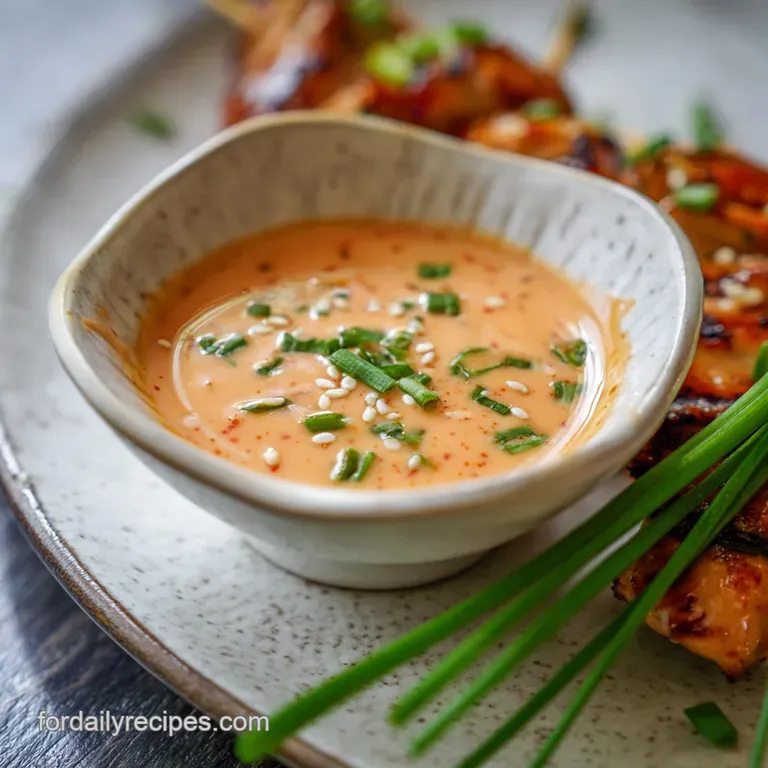
Follow these steps closely, paying attention to the aromas and textures as they change. This is where the magic happens.
- Prep the base. Place the 225g of mayonnaise into your glass bowl. Note: Use room temperature mayo to prevent the melted butter from seizing.
- Melt the butter. Heat the 14g of unsalted butter until just liquid. Watch for the sizzle to stop - that means the water has evaporated and it's ready.
- Incorporate the fat. Whisk the melted butter into the mayonnaise slowly. Wait until the mixture looks glossy and uniform.
- Bloom the aromatics. Add the 3g garlic powder, 2g paprika, and 1g cayenne pepper. The aroma should be sharp and spicy at this stage.
- Add the color. Whisk in the 16g of tomato paste. Mix until the sauce turns a consistent pale salmon pink.
- Balance the pH. Pour in the 5ml of rice vinegar and 12g of granulated sugar.
- Adjust the flow. Whisk in the 30ml of water one tablespoon at a time. Stop when the sauce ribbons off the whisk.
- Season. Add the 1.5g of fine sea salt. Give it one final, vigorous whisk for 30 seconds to ensure the sugar crystals begin to dissolve.
- The Mellowing Phase. Cover the bowl tightly with plastic wrap and refrigerate. Let it rest for at least 4 hours, though 24 hours is better.
- Final Check. Before serving, give it a quick stir. The aroma should now be sweet, mellow, and integrated.
Solving Common Texture Issues
Even the simplest recipes can go sideways if the temperature or ratios are off. But don't panic; almost every sauce "fail" is fixable.
Avoiding Grainy Sauce Textures
If your sauce feels like it has tiny sand particles in it, the dry spices didn't have enough liquid or time to hydrate. This often happens if you skip the water or the resting period. The garlic powder and paprika are dehydrated; they need to "drink" the vinegar and water to soften.
Rescuing a Broken Sauce
If you see a layer of yellow oil sitting on top, your emulsion has broken. This usually happens if the butter was added while it was boiling hot, cooking the proteins in the mayo.
| Problem | Root Cause | Solution |
|---|---|---|
| Greasy layer | Butter too hot | Whisk in 1 tsp of warm water |
| Too thick | Lack of hydration | Add water 1 tsp at a time |
| Bland flavor | Needs more acid | Add a tiny drop of rice vinegar |
Common Mistakes Checklist: ✓ Ensure the butter is warm, not hot (prevents "breaking" the mayo). ✓ Always whisk the tomato paste thoroughly (prevents red streaks). ✓ Never skip the 24 hour rest (essential for flavor depth).
✓ Use unseasoned rice vinegar (prevents over salting). ✓ Sift your dry spices if they are older (prevents grittiness).
Adjusting Yields for Big Crowds
Scaling a sauce isn't always a linear process. When you double or triple a recipe, certain flavors can become overwhelming if you simply multiply everything by two.
- Scaling Down (½ batch): This is easy. Use a small whisk and a narrow bowl to ensure you can still emulsify effectively. Use half a beaten egg if you are making your own mayo base, otherwise, just halve the weights.
- Scaling Up (2x-4x): When making a large batch for a party, multiply the mayo, butter, and water exactly. However, for the salt and cayenne pepper, start at 1.5x the original amount and taste. Spices can become disproportionately "loud" in larger volumes.
- Consistency Note: If you're making a massive batch (like for a wedding or large event), use a stand mixer with the whisk attachment. It will save your arm and create a more stable emulsion.
If you’re looking for a similar creamy challenge with different flavor notes, you might enjoy my Rémoulade Sauce recipe, which uses a similar base but leans into French aromatics.
Debunking Classic Condiment Misconceptions
There are a lot of "rules" floating around about Japanese steakhouse sauces, but many are just kitchen lore that don't hold up to the science of flavor.
Myth: You must use ketchup for the color. Truth: While some quick versions use ketchup, authentic tasting yum yum sauce relies on tomato paste. Ketchup adds too much vinegar and high fructose corn syrup, which masks the delicate balance of the garlic and butter.
Tomato paste provides the color and umami without the "fast food" aftertaste.
Myth: Fresh garlic is better than powdered. Truth: In this specific case, fresh garlic is actually a mistake. Fresh garlic is too pungent and can turn bitter when sitting in an acidic medium like vinegar for 24 hours.
Garlic powder provides a consistent, toasted flavor that melds perfectly into the creamy base.
Maximizing Freshness and Longevity
Because this sauce contains dairy (butter) and egg based fats (mayonnaise), storage is critical for both flavor and safety.
- Fridge: Store in an airtight glass jar for up to 10 days. The flavor actually peaks around day 3.
- Freezer: Do not freeze. The emulsion will break completely upon thawing, leaving you with a curdled, oily mess.
- Zero Waste Tip: If you have leftover sauce that's nearing its 10 day limit, use it as a marinade for chicken or white fish. The acidity in the vinegar tenderizes the meat, while the fats keep it incredibly moist during cooking. You can also stir a spoonful into mashed potatoes for a surprising flavor boost.
Adapting for Every Special Diet
We want everyone at the table to enjoy this, so here is how to tweak the yum yum sauce recipe for different needs without losing that signature profile.
Creating Plant Based Versions
Swap the mayonnaise for a high-quality vegan mayo (like Vegenaise) and the butter for a neutral tasting vegan butter stick. The results are surprisingly close to the original because the primary flavor comes from the spices and vinegar.
Increasing Heat and Spice
For those who find the 0.5 tsp of cayenne too tame, I suggest adding a teaspoon of chili garlic sauce or doubling the cayenne. You can also swap the regular paprika for a smoked variety to give it a "barbecue hibachi" twist.
Low Carb Sugar Alternatives
This recipe has 1.3g of sugar per serving, which is already quite low. However, for a strict Keto version, you can replace the granulated sugar with a 1:1 monk fruit sweetener or erythritol. Just ensure it is finely powdered so it dissolves completely in the cold sauce.
Global Pairings for Every Plate
While this is the soulmate of hibachi shrimp and fried rice, its utility goes far beyond the griddle. It transcends borders and works beautifully in a variety of cuisines.
- The Hibachi Classic: Drizzle over steak, chicken, or those iconic zucchini and onion rounds.
- Seafood's Best Friend: It’s the perfect dip for panko crusted calamari or grilled salmon.
- The Modern Twist: Use it as a spread for a fried chicken sandwich or a dipping sauce for sweet potato fries.
- Global Fusion: Try it as a dressing for a crunchy slaw with cabbage and toasted almonds.
If you are planning a full scale seafood feast, this sauce is a great creamy alternative to the bold, spicy punch of my Seafood Boil Sauce Recipe. Having both on the table gives your guests a choice between "velvety and mild" and "buttery and fiery."
Decision Shortcut: If you want a thinner sauce for drizzling, add an extra tablespoon of water. If you want a bolder color, increase the paprika by half a teaspoon. If you want a more savory punch, add a drop of soy sauce or liquid aminos.
Right then, that’s everything you need to know. This recipe is a staple in my house because it’s so much more than a dipping sauce; it’s a way to make any meal feel like a weekend celebration.
Trust me on the 24 hour wait - it’s the difference between a good sauce and one that people will be asking you the recipe for before they’ve even finished their first bite. Let's crack on and get that whisk moving!
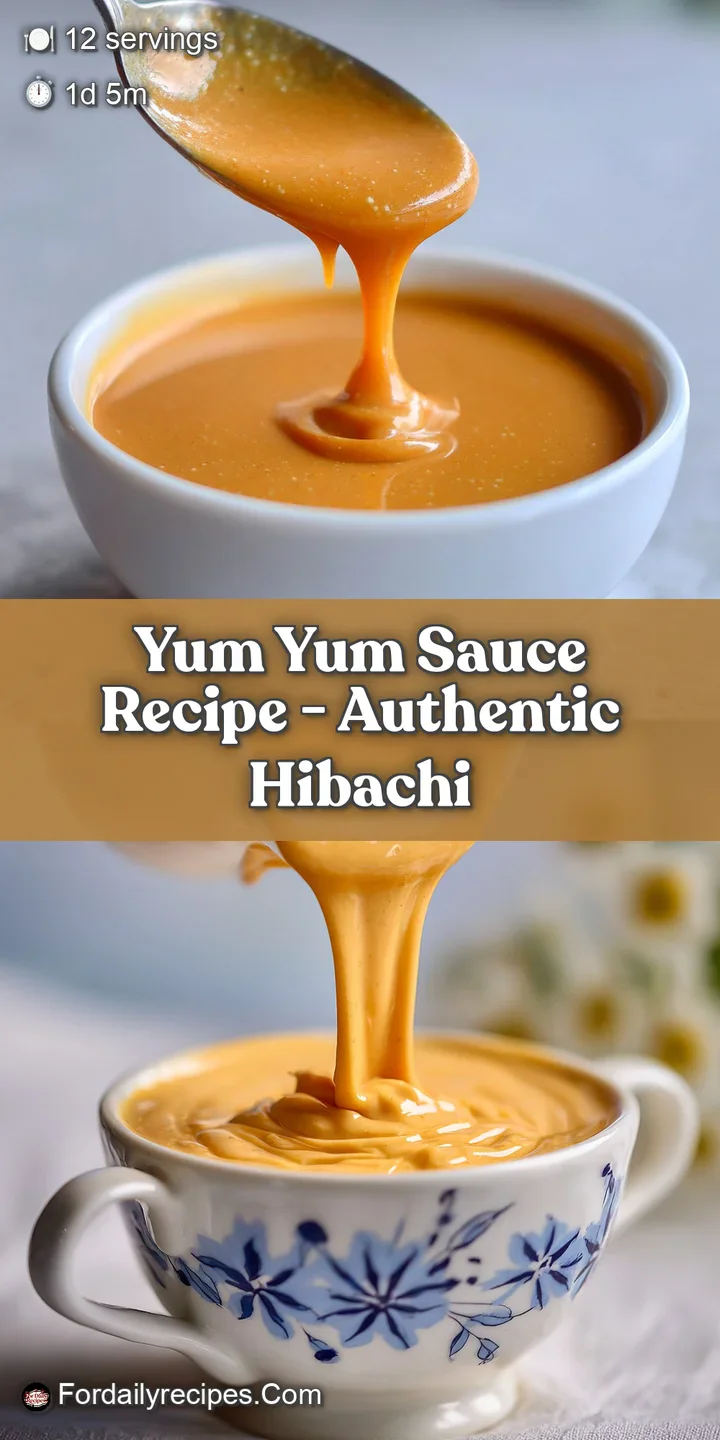
Recipe FAQs
What are the key ingredients in yum yum sauce?
Mayonnaise is the base. Key ingredients also include melted butter, rice vinegar, tomato paste, sugar, garlic powder, paprika, and cayenne pepper for a touch of heat.
What's the secret to truly great yum yum sauce?
Patience and resting time. Letting the sauce chill for at least 24 hours is crucial for the flavors to meld and mellow, transforming it from a mix of ingredients to a cohesive, delicious condiment.
Do you need rice vinegar for yum yum sauce?
Yes, rice vinegar is highly recommended. It provides a clean, crisp tang that is essential to the sauce's balance without the harshness of other vinegars, though apple cider vinegar can be a substitute in a pinch.
What are the basic ingredients of yum yum sauce?
The core components are mayo, butter, and vinegar. You'll also need tomato paste for color, sugar for sweetness, and a blend of savory spices like garlic powder, paprika, and cayenne pepper.
Can I use fresh garlic instead of garlic powder?
No, stick with garlic powder for this recipe. Fresh garlic is too pungent and can turn bitter when sitting in the acidic base for an extended period; powder provides a consistent, mellow flavor.
How do I make my yum yum sauce thicker or thinner?
Adjust water content for desired consistency. Add water one tablespoon at a time to thin it out for drizzling, or omit some water and allow for longer chilling time to thicken slightly.
How long does homemade yum yum sauce last?
Store it in the fridge for up to 10 days. Keep it in an airtight container, preferably glass, as the flavors continue to develop and meld over the first few days.
Yum Yum Sauce Recipe
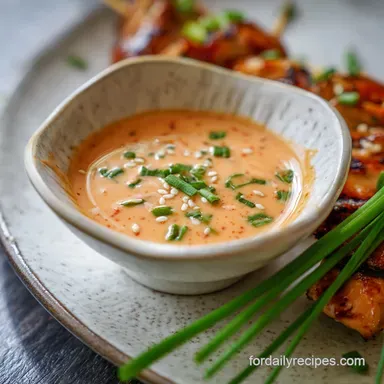
Ingredients:
Instructions:
Nutrition Facts:
| Calories | 141 kcal |
|---|---|
| Protein | 0.3 g |
| Fat | 14.9 g |
| Carbs | 2.4 g |
| Fiber | 0.1 g |
| Sugar | 1.3 g |
| Sodium | 172 mg |
