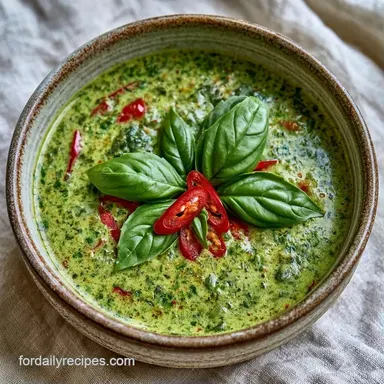
Authentic Vegan Thai Green Curry: Rich and Fragrant
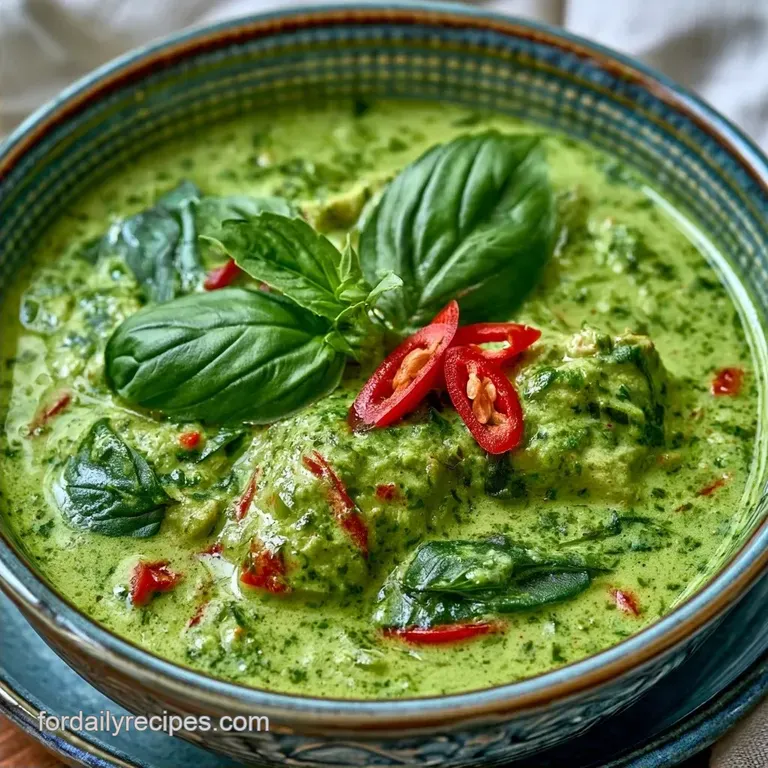
- Time: 15 min active + 20 min cooking
- Flavor/Texture Hook: Creamy, spicy, and fragrant with a snap of fresh vegetables
- Perfect for: A budget-friendly weeknight dinner that feels fancy
The smell of sizzling lemongrass and garlic hitting a hot pan is honestly one of my favorite things in the kitchen. But let's be real, most plant based versions of this dish end up tasting like coconut milk with a hint of salt.
I used to make the mistake of just boiling everything together, which left the tofu bland and the sauce tasting "raw."
The trick is in how you treat the paste and the tofu. If you don't sear the tofu and fry the curry paste in the thick part of the coconut milk, you miss out on that depth. Making a Vegan Thai Green Curry that actually tastes authentic requires a bit of patience with the heat, but the results are worth it.
Trust me, once you see the coconut milk separate and the oil bubble around the green paste, you'll know you're doing it right. It transforms the dish from a simple soup into a rich, fragrant meal. Let's crack on with how to get this right.
Making Vegan Thai Green Curry
Frying the Paste: Cooking the paste in coconut cream instead of just water allows the oil soluble flavors in the chilies and lemongrass to release. This is the secret to getting a deep, complex taste.
Tofu Searing: Browning the tofu first creates a skin that prevents it from becoming mushy when it simmers in the sauce.
Acid Balance: Adding lime juice at the very end keeps the brightness alive, which cuts through the richness of the full fat coconut milk.
| Method | Prep Time | Texture | Best For |
|---|---|---|---|
| Stovetop Wok | 15 mins | Crisp veg, rich sauce | Quick weeknight meals |
| oven-roasted | 30 mins | Charred veg, deeper flavor | Meal prep for the week |
What Each Ingredient Does
| Ingredient | What It Does | Best Swap |
|---|---|---|
| Galangal | Adds a sharp, piney citrus note | Fresh ginger (tastes milder) |
| Coconut Milk | Provides the creamy base and fat | Cashew cream (richer, less coconutty) |
| Thai Basil | Gives a distinct anise like aroma | Italian basil (sweeter, less spicy) |
| Bird's Eye Chilies | Supplies the characteristic heat | Serrano peppers (slightly milder) |
The Ingredient List
For the Homemade Vegan Thai Green Curry Paste
- 2 cups (60g) fresh Thai basil leavesWhy this? Essential for the authentic anise scent
- 4 (15g) green bird's eye chilies, stems removedWhy this? Provides the sharp heat
- 2 tbsp (30g) lemongrass, finely mincedWhy this? Adds a lemony, woody top note
- 1 tbsp (15g) fresh galangal, gratedWhy this? More peppery than ginger
- 3 cloves (9g) garlic
- 1 shallot (30g), peeled and chopped
- 1 tsp (5g) ground coriander
- 1 tsp (5g) ground cumin
- 1 tsp (5g) salt
- 1 tbsp (15ml) neutral oil
For the Curry Base
- 1 can (400ml) full fat coconut milkWhy this? Fat is needed to carry the spices
- 1 tbsp (15ml) coconut oil
- 2 tbsp (30g) homemade vegan Thai green curry paste
- 1 tbsp (15ml) soy sauceWhy this? Replaces fish sauce for umami
- 1 tbsp (15g) coconut sugar
- 1 tbsp (15ml) fresh lime juice
Vegan Thai Green Curry Vegetables & Protein
- 14 oz (400g) extra firm tofu, pressed and cubedWhy this? Holds shape during simmering
- 2 cups (150g) cauliflower florets
- 1 cup (130g) snap peas
- 1 red bell pepper (150g), sliced
- 1 medium carrot (60g), sliced into rounds
- 1 cup (30g) fresh Thai basil leaves
- 1 cup (60g) bamboo shoots, drained
Essential Kitchen Tools
You'll need a blender or food processor to get that paste smooth. A wok is great because the high sides help you stir fry the paste and tofu efficiently without splashing oil everywhere. If you don't have a wok, a deep skillet or a heavy bottomed pot works just as well.
I also recommend a tofu press or just some heavy books and a towel to get the excess water out of the tofu.
Cooking the Curry
- Combine Thai basil, chilies, lemongrass, galangal, garlic, shallot, coriander, cumin, and salt in a blender. Pulse until a thick paste forms, adding 1 tablespoon of oil if needed to emulsify. Note: Don't over process into a liquid; it should be a coarse paste.
- Heat 1 tablespoon of coconut oil in a wok over medium high heat. Add cubed tofu and sear until edges are golden brown; remove and set aside.
- Scoop the thick coconut cream from the top of the can into the wok. Stir in 2 tablespoons of the green curry paste and fry for 2-3 minutes until fragrant and the oil separates from the cream.
- Pour in the remaining coconut milk, soy sauce, and coconut sugar. Stir to combine.
- Add carrots and cauliflower first, simmering until slightly softened but still holding their shape.
- Stir in snap peas, red bell pepper, and bamboo shoots, cooking for another 3-5 minutes.
- Fold the seared tofu back into the curry and stir in fresh lime juice and the final cup of Thai basil leaves just before serving.
Chef's Note: If your coconut milk is shaken and smooth, you can simmer a small amount of it over medium heat for a few minutes until it thickens and a layer of oil forms on top. This mimics the "cream" needed to fry the paste.
Troubleshooting Your Curry
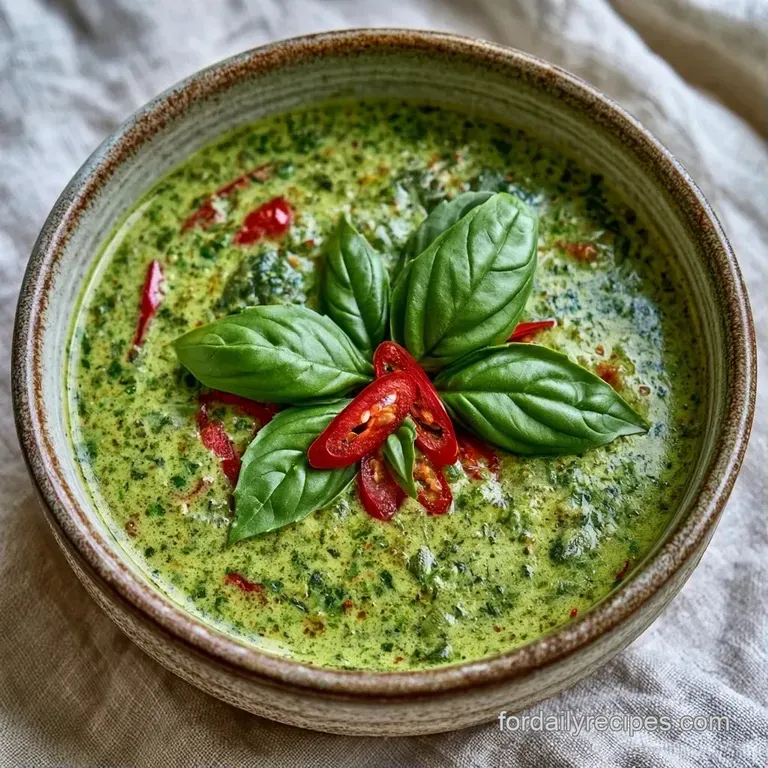
One of the most frustrating things about a Vegan Thai Green Curry is when the sauce doesn't seem to "bind" or tastes flat. Usually, this happens because the paste wasn't cooked long enough or the balance of salt and acid is off.
Curry Separation Issues
If your coconut milk splits into oil and curd, it's usually because the heat was too high or the milk was low quality. While a little oil separation is actually desired when frying the paste, the final sauce should be a cohesive, smooth and glossy liquid.
Fixing a Bland Broth
If the curry tastes like coconut milk rather than spices, you're likely missing salt or acidity. Soy sauce provides the salt, but lime juice provides the "lift." Add a teaspoon of lime juice at a time until the flavors pop.
Taming Excessive Heat
Bird's eye chilies are potent. If you've gone too far, don't add water, as that just dilutes the flavor. Instead, add a bit more coconut milk or a pinch more coconut sugar to mellow out the spice.
| Problem | Root Cause | Solution |
|---|---|---|
| Watery sauce | Veggies released too much water | Simmer 5 mins longer without a lid |
| Bland taste | Lack of umami or salt | Add an extra splash of soy sauce |
| Tofu is mushy | Tofu wasn't pressed or seared | Press for 20 mins; sear on high heat |
Different Taste Options
You can easily tweak this recipe to fit what you have in the fridge. If you prefer a different protein, chickpeas work great here. Just roast them for 15 minutes first to get a bit of texture. For a different vibe, you can swap the cauliflower for baby corn or eggplant.
If you love a creamy feel in your meals, you might also enjoy my broccoli pasta recipe, which uses a similar logic of balancing fat and acid. For those who want a different type of plant forward protein, swapping tofu for tempeh gives a nuttier, firmer bite to the Vegan Thai Green Curry.
Adjusting the Portion Size
Scaling Down (1/2 Batch) Use a smaller skillet to prevent the coconut milk from evaporating too quickly. Reduce the simmering time for vegetables by about 20% so they don't overcook. If you're using a single egg for a binder in any side dish, beat it first and use half.
Scaling Up (2x-4x Batch) Don't simply double the salt and chilies. I find that scaling spices to 1.5x usually suffices for a double batch. Work in batches when searing the tofu; if you crowd the pan, the tofu will steam instead of browning.
For the liquids, reduce the total coconut milk by about 10% to keep the sauce thick.
| Adjustment | Salt/Spice | Liquid | Technique |
|---|---|---|---|
| Half Batch | 50% | 50% | Use smaller pan |
| Double Batch | 75-80% | 90% | Sear tofu in batches |
Common Curry Misconceptions
Store-bought paste is always better Actually, many store-bought pastes use fillers or shrimp paste, which makes them not vegan. Making your own allows you to control the heat and ensures the lemongrass is fresh, which makes a massive difference in the final aroma.
Tofu doesn't absorb flavor Tofu is like a sponge, but only if you remove the water first. By pressing the tofu and searing it, you create a texture that allows the Vegan Thai Green Curry sauce to cling to the surface and penetrate the edges.
Storage and Waste Tips
This curry actually tastes better the next day because the flavors have more time to meld. Store it in an airtight container in the fridge for up to 4 days. When reheating, do it on the stovetop over medium heat. If the sauce has thickened too much, stir in a splash of water or coconut milk to loosen it up.
I don't recommend freezing this curry for long periods because the coconut milk can separate and the vegetables, especially the snap peas and peppers, will lose their crunch.
To avoid waste, use the leftover lemongrass ends and shallot skins to make a vegetable stock. You can also freeze any leftover homemade curry paste in ice cube trays. Just pop a cube into a pan whenever you want a quick stir fry.
Best Side Dishes
The most traditional pairing is jasmine rice, but if you want something a bit different, try cauliflower rice or quinoa. The neutral flavor of the grain balances the spice of the Vegan Thai Green Curry.
For a more complete meal, I'd suggest a side of smashed cucumber salad with rice vinegar and sesame oil. If you're looking for another protein heavy meal to add to your rotation, my mushroom chicken uses a similar creamy sauce technique that you'll likely appreciate.
Right then, you're all set. Just remember to fry that paste and don't skimp on the lime juice at the end. Your Vegan Thai Green Curry will be a hit. Happy cooking!
Recipe FAQs
How to make an authentic vegan Thai green curry?
Pulse Thai basil, chilies, lemongrass, galangal, garlic, shallot, coriander, cumin, and salt into a paste. Sear cubed tofu in coconut oil, fry the paste with coconut cream, then simmer with coconut milk, vegetables, and lime juice.
Is it true that Thai curries are typically made without meat?
No, this is a common misconception. Traditional Thai curries often include meat or shrimp paste, but this version uses tofu and soy sauce to achieve a rich, plant based flavor.
Which herbs should I use for Thai green curry, fresh or dried?
Stick with fresh Thai basil. Dried herbs lack the aromatic brightness needed for an authentic taste, especially when folding in the final cup of basil just before serving.
How to make a milder version of this curry?
Reduce the number of green bird's eye chilies. You can also increase the amount of coconut milk to dilute the heat without losing the creamy texture.
Can I use frozen vegetables instead of fresh ones?
No, fresh vegetables are highly recommended. Frozen cauliflower and carrots can become mushy, and snap peas lose the essential crunch that balances the rich sauce.
How to store and reheat leftovers?
Store in an airtight container in the fridge for up to 4 days. Reheat on the stovetop over medium heat, stirring in a splash of coconut milk if the sauce has thickened too much.
Why does my curry sauce taste flat or fail to bind?
The paste likely wasn't fried long enough. Ensure you fry the paste in coconut cream for 2-3 minutes until fragrant. If you enjoyed balancing the salt and acid here, see how the same principle works in our pomodoro sauce.
Vegan Thai Green Curry