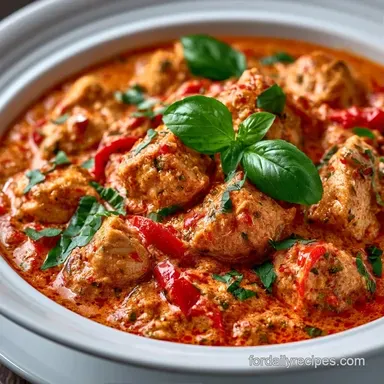
Thai Chicken Coconut Curry: Creamy and Fragrant
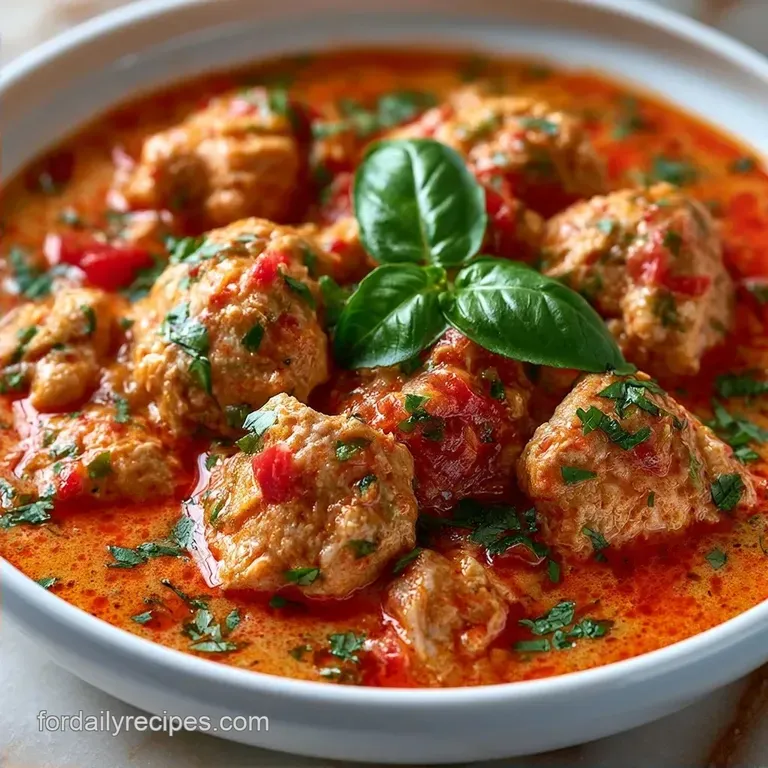
- Time: 5 min active + 20 min cooking
- Flavor/Texture Hook: Creamy, fragrant, and zesty
- Perfect for: Weeknight dinner, meal prep, beginner friendly
The smell of lemongrass and toasted coconut always reminds me of a rainy Tuesday in Bangkok. I remember sitting in a tiny shop where the steam from the pots blurred the windows and the air felt heavy with ginger and chili. It's the kind of meal that makes a house feel warm, no matter what the weather is doing outside.
You don't need a professional kitchen to get those deep, layered flavors. I've spent a lot of time figuring out how to make the sauce cling to the chicken without becoming a thin soup. It's all about how you handle the coconut cream at the start.
This Thai Chicken Coconut Curry is a balance of salt, sweet, and sour. We're going to build the flavors in stages, moving from a sharp sear to a mellow, creamy simmer. Trust me, the wait for the paste to "bloom" is where the magic happens.
Thai Chicken Coconut Curry
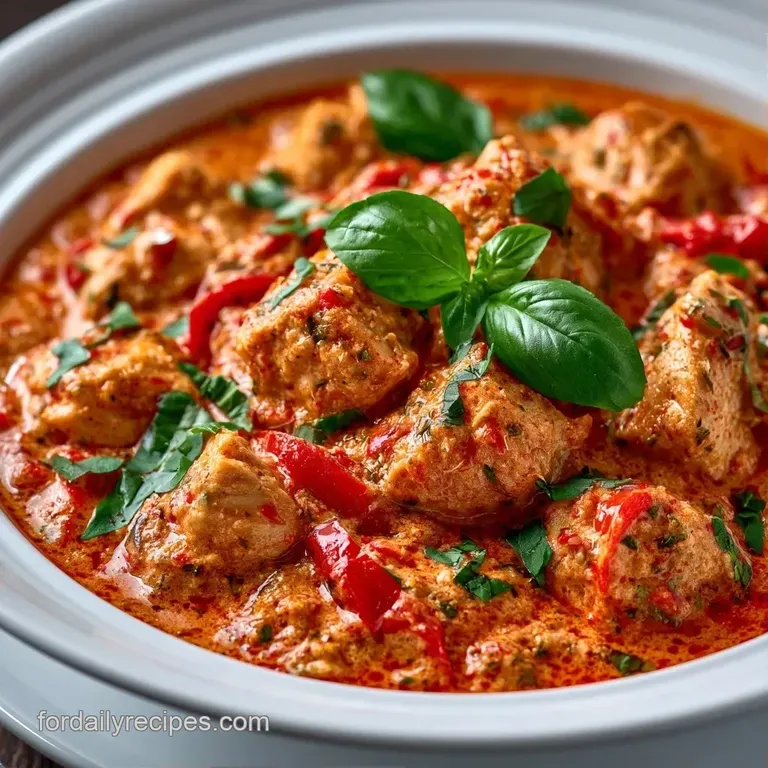
How It Actually Works
The trick to this dish is getting the aromatics right. Instead of just boiling everything, we fry the paste in fat first.
- The Fat Bloom: Frying the curry paste in coconut cream wakes up the oil soluble flavors in the spices. This makes the sauce taste deeper and less "raw."
- Layered Searing: Browning the chicken first adds a savory crust. This prevents the meat from tasting boiled once it goes back into the sauce.
| Ingredient Source | Texture | Flavor Depth | Best For |
|---|---|---|---|
| Fresh Paste | Coarse | Intense, bright | Slow weekends |
| store-bought | Smooth | Consistent, salty | Weeknight meals |
| Homemade Mix | Variable | Customized | Flavor explorers |
The Core Ingredients
Every part of this dish has a job. If you take one thing out, the whole balance shifts.
| Ingredient | What It Does | Best Swap |
|---|---|---|
| Red Curry Paste | Provides the heat and base aroma | Green curry paste (changes flavor to herbal) |
| Coconut Milk | Adds richness and mellows the spice | Cashew cream (thick, but lacks coconut aroma) |
| Fish Sauce | Adds salty, fermented depth | Soy sauce or Tamari (less pungent, slightly sweeter) |
When picking your protein, stick to breast or thighs. For a different take on poultry, you might enjoy the rich flavors in a Mushroom Chicken recipe, which uses a different cream base.
Ingredients & Substitutes
- 1.5 lb boneless, skinless chicken breast, cut into 1 inch cubes Why this? Lean and cooks quickly in the sauce
- Substitute: Chicken thighs (more juicy, slightly more fat)
- 1 tbsp neutral oil Why this? High smoke point for searing
- Substitute: Grapeseed or Avocado oil
- 1/2 tsp salt Why this? Basic seasoning for the meat
- Substitute: Sea salt
- 3 tbsp Thai red curry paste Why this? The primary flavor driver
- Substitute: Red curry powder + extra garlic/ginger
- 3 cloves garlic, minced Why this? Sharp aromatic base
- Substitute: Garlic powder (use 1 tsp)
- 1 tbsp fresh ginger, grated Why this? Adds a zesty, peppery bite
- Substitute: Ground ginger (use 1/2 tsp)
- 1/2 cup thick coconut cream Why this? Used for blooming the paste
- Substitute: The thick part from the top of a chilled can of coconut milk
- 1 can (400ml) full fat unsweetened coconut milk Why this? Creates the silky body of the sauce
- Substitute: Light coconut milk (sauce will be thinner)
- 2 tbsp fish sauce Why this? Essential Thai salty funk
- Substitute: Vegan fish sauce or light soy sauce
- 1 tbsp brown sugar Why this? Balances the heat and salt
- Substitute: Palm sugar or Coconut sugar
- 1 cup red bell pepper, sliced into strips Why this? Sweetness and color
- Substitute: Carrots or Snap peas
- 1 cup bamboo shoots Why this? Traditional earthy crunch
- Substitute: Water chestnuts or sliced zucchini
- 1 tbsp fresh lime juice Why this? Brightens the heavy fats
- Substitute: Lemon juice
- 1/4 cup fresh Thai basil leaves, torn Why this? Anise like herbal finish
- Substitute: Regular Thai basil or Italian basil
- 1 tsp red chili flakes Why this? Adds a lingering back heat
- Substitute: Sriracha (add at the end)
Gear You'll Need
You don't need a ton of equipment, but a wide pan is a must.
- Large skillet or wok (wide surface area prevents the sauce from evaporating too fast)
- Whisk (essential for getting the coconut milk smooth)
- Fine grater (for the ginger and garlic)
- Paper towels (to dry the chicken before searing)
Cooking This step-by-step
Searing The Protein
Pat the chicken cubes dry with a paper towel and season with salt. Heat oil in the skillet over medium high heat. Add chicken in a single layer and sear until the edges are golden brown (about 3 minutes per side). Remove chicken from the pan and set aside on a plate.
Note: Drying the meat prevents it from steaming, which gives you a better crust.
Blooming The Aromatics
Lower the heat to medium. Add the scooped coconut cream to the remaining oil. Stir in the red curry paste, minced garlic, and grated ginger. Stir constantly for 2–3 minutes until the paste smells nutty and the oil begins to separate from the cream.
Simmering The Sauce
Pour in the remaining coconut milk and whisk until smooth. Stir in the fish sauce and brown sugar. Bring to a gentle simmer. Add the sliced bell peppers and bamboo shoots, cooking for 3–4 minutes until the vegetables are tender crisp.
The Final Fold
Return the seared chicken and any accumulated juices to the pan. Simmer for another 2–3 minutes until the chicken is cooked through. Stir in lime juice and Thai basil before serving. Note: Adding basil at the very end keeps the leaves green and fragrant.
Troubleshooting Common Issues
The most frustrating thing about this Thai Chicken Coconut Curry is when the sauce doesn't look right or the chicken feels off. Usually, it's a temperature issue.
Fixing Split Sauce
If you see clumps of oil floating on top, don't panic. This often happens if the heat is too high or the coconut milk isn't full fat. Whisking it over low heat usually brings it back together.
Controlling The Heat
Some curry pastes are much hotter than others. If the sauce is too spicy, add an extra tablespoon of brown sugar or a splash more coconut milk to dilute the capsaicin.
Fixing Rubbery Chicken
Overcooking breast meat happens in a flash. If you simmer the chicken for too long after it's already seared, it will get tough. Pull it off the heat as soon as it's no longer pink in the center.
| Problem | Root Cause | Solution |
|---|---|---|
| Sauce is too thin | Not enough reduction or light coconut milk | Simmer for 5 extra minutes without a lid |
| Sauce tastes flat | Missing acid or salt | Add an extra squeeze of lime or a dash of fish sauce |
| Chicken is bland | Not seasoned before searing | Salt the meat 10 mins before cooking |
Adjusting The Portion Size
Scaling a Thai Chicken Coconut Curry requires a bit of nuance with the seasonings.
Cutting it down (Half batch) Use a smaller 10 inch skillet. Reduce the cooking time for the vegetables by about 1 minute so they don't overcook. For the garlic and ginger, just eyeball a slightly smaller amount rather than precise measurements.
Scaling up (Double batch) Don't just double the spices. Increase the salt and red curry paste to 1.5x first, then taste it. Liquids can be doubled, but you might need to simmer the sauce for an extra 5 minutes to get the thickness right since there's more volume to evaporate.
Work in batches when searing the chicken so you don't crowd the pan and steam the meat.
If you find yourself making large batches of chicken dishes, you might also like the comfort of a Homemade Chicken Noodle Soup for your meal prep rotation.
Kitchen Myths Debunked
Myth: Searing locks in juices Searing the chicken for your Thai Chicken Coconut Curry doesn't actually seal the meat. It creates flavor through browning. The moisture loss happens regardless, but the taste is worth the effort.
Myth: You must use a wok While a wok is great, any wide skillet works. The goal is just to have enough room for the coconut cream to bubble and the chicken to brown without sticking.
Myth: Coconut milk always separates Separation is actually a sign of a good, high fat coconut milk. In this recipe, we use that separation to our advantage during the blooming phase to fry the paste.
Storage And Leftovers
Store this dish in an airtight glass container in the fridge for up to 4 days.
To reheat, do it on the stovetop over low heat. Add a splash of water or a tablespoon of coconut milk to loosen the sauce, as it will thicken in the fridge. Avoid the microwave if you can, as it can cause the coconut fats to split again.
For zero waste, don't toss the leftover coconut milk in the can. Freeze it in ice cube trays and pop one into your next smoothie or a bit of oatmeal. If you have leftover bamboo shoots, they're great tossed into a stir fry with soy sauce and sesame oil.
Best Side Pairings
This curry is rich and creamy, so you need something to cut through the fat.
- Jasmine Rice: The gold standard. Its floral scent and neutral flavor soak up the sauce.
- Steamed Bok Choy: Adds a fresh, bitter contrast to the sweet coconut.
- Cucumber Salad: Sliced cucumbers with rice vinegar and chili flakes provide a cooling crunch.
If you're hosting a dinner party and want a different flavor profile, a Bbq Sauce recipe could work for a side of grilled wings to contrast the creamy Thai flavors. For those who prefer something more savory and earthy, the Mushroom Chicken is a great alternative for guests who aren't fans of coconut.
High in Sodium
895 mg 895 mg of sodium per serving (39% 39% of daily value)
The American Heart Association recommends a daily sodium limit of no more than 2,300 mg, with an ideal limit of 1,500 mg for most adults to reduce cardiovascular risk.
Tips to Reduce Sodium
-
Swap Fish Sauce-30%
Replace the fish sauce with a low-sodium fish sauce or coconut aminos to significantly cut salt while keeping the umami flavor.
-
Omit Added Salt-25%
Completely remove the 1/2 tsp of salt; the red curry paste and fish sauce already provide ample sodium for seasoning.
-
Low-Sodium Paste-20%
Use a low-sodium Thai red curry paste or make your own paste using fresh chilies and aromatics without added salt.
-
Rinse Canned Goods-15%
Thoroughly rinse the bamboo shoots under cold running water to remove the salty brine from the canning liquid.
-
Enhance Aromatics
Increase the amount of fresh ginger, lime juice, and Thai basil to boost the flavor profile without adding any extra sodium.
Recipe FAQs
Can I use leftover roast chicken instead of raw breast?
Yes, it works well. Skip the initial searing step and stir the pre-cooked chicken back into the pan during the final 2-3 minutes of simmering to warm through.
How to make a milder version of this red curry?
Reduce the red curry paste to 1 or 2 tablespoons. You can also increase the amount of coconut milk to further dilute the heat.
How to prevent the coconut milk from splitting when reheating?
Reheat on the stovetop over low heat. Add a splash of water or a tablespoon of coconut milk to loosen the sauce, as microwaves often cause the fats to separate.
Is it true that I must use only full fat coconut milk for the sauce to thicken?
No, this is a common misconception. While full fat provides the best creaminess, low-fat versions work, though the sauce will be thinner and less rich.
Can I substitute the fish sauce for a vegan option?
Yes, simply omit the fish sauce and increase the salt. If you enjoyed the savory depth of our Garlic Parmesan Sauce, you'll appreciate how balancing salt and coconut fats creates a similar richness here.
How to achieve the best golden brown sear on the chicken?
Pat the chicken cubes completely dry with a paper towel. Heat the oil over medium high heat and sear for 3 minutes per side without overcrowding the pan.
Is Thai curry typically made without meat?
No, it is commonly made with protein. While this version uses chicken, it can be adapted for tofu or vegetables by omitting the meat and adjusting the simmering time.
Thai Chicken Coconut Curry