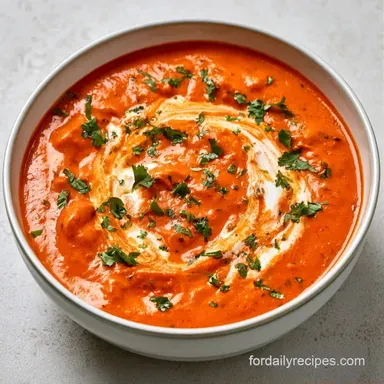
Velvety Indian Tomato Curry Recipe
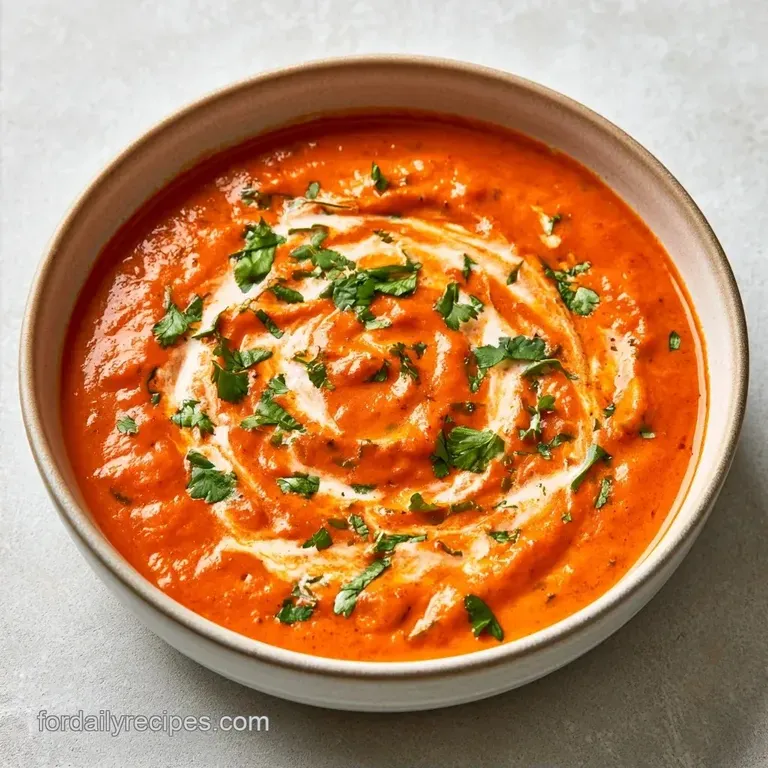
- Time: 10 min prep + 20 min cook
- Flavor/Texture Hook: Tangy and velvety
- Perfect for: A cozy weeknight dinner with rice
The Best Homemade Tomato Curry Recipe
For me, the crackle of mustard seeds in hot ghee is an instant signal. That rapid, rhythmic popping means the kitchen is finally starting to feel like home. I recall a rainy Tuesday years back when I tried to make this for a friend but hurried the onions; they remained raw and pungent, making the whole meal taste like a mistake.
That taught me that you can't rush the aromatics if you want a deep, slow cooked flavor in such a short window.
This curry centers on the balance between the bright, acidic punch of ripe tomatoes and the earthy, toasted warmth of the spices. While it tastes as though it simmered for hours, it actually comes together in roughly thirty minutes. The aim is a dense, concentrated base that coats your rice or flatbread perfectly.
You can expect a sauce that is thick and jammy rather than watery. The secret is to cook the tomatoes well beyond the basics until they evolve into a concentrated paste. Adding the coconut milk then softens the edges, transforming the spice into a gentle, warm glow.
The One Thing That Changes Everything
Searing the Aromatics: Frying mustard and cumin seeds in oil first wakes up their fat soluble flavors. This creates a base that tastes complex and aged, even though it only took a few minutes.
The Oil Separation: We cook the tomatoes until the oil beads on the surface. This is the physical cue that the water has evaporated and the flavors have concentrated, preventing the curry from tasting "raw."
Coconut Milk Balance: The fat in the coconut milk neutralizes the sharp acidic edge of the tomatoes. It creates a smooth bridge between the spicy chilies and the tangy fruit.
| Method | Time | Texture | Best For | | : | :--- | :--- | :--- | | Stovetop | 32 mins | Jammy & Concentrated | Weeknight meals | | oven-roasted | 50 mins | Sweeter & Chunky | Meal prep batches |
Right then, let's talk about how this differs from a standard stew. When you roast tomatoes first, you get a caramelized sweetness, but the stovetop method allows us to layer spices in a way that keeps the flavor punchy.
What You'll Need
For the base, we use a mix of seeds and aromatics. The mustard seeds provide a nutty pop, while the asafoetida adds a savory, onion like depth that is common in traditional Indian cooking.
The tomatoes need to be ripe. If they're too pale or hard, you'll lose that natural sweetness and end up with a sauce that's just sour. Diced onions provide the body, and the ginger garlic paste adds the essential zing.
For the finish, coconut milk brings the richness. If you want something sharper, you can swap this for water or a splash of vegetable broth, but the milk is what gives this Tomato Curry Recipe its characteristic heartiness.
Equipment Needed
You'll want a heavy bottomed skillet or a wide pan. Cast iron or stainless steel works best because they hold heat steadily, which helps the tomatoes break down without burning the spices.
A sturdy spatula or wooden spoon is necessary for mashing the tomatoes as they soften. You'll also need a grater for the ginger and a sharp knife for the chilies and onions.
Ingredients & Substitutes
- 2 tbsp neutral oil or ghee Why this? Resists high heat, perfect for tempering spices
- Substitute: Avocado oil (similar neutral profile)
- 1 tsp mustard seeds Why this? Contributes a signature nutty, peppery burst
- Substitute: Cumin seeds (different flavor, but works)
- 1 tsp cumin seeds Why this? Provides a grounded, earthy base
- Substitute: Ground cumin (add later in the process)
- 1 pinch asafoetida Why this? Adds a rich, savory, "umami" quality
- Substitute: Garlic powder (half a teaspoon)
- 1 medium red onion, finely diced Why this? Brings sweetness and helps thicken the sauce
- Substitute: Shallots (more delicate flavor)
- 3 cloves garlic, minced Why this? Creates a sharp, aromatic foundation
- Substitute: Garlic paste
- 1 tbsp fresh ginger, grated Why this? Adds a bright, spicy kick
- Substitute: Ginger paste
- 3 green chilies, slit lengthwise Why this? Provides a manageable, fresh spiciness
- Substitute: Serrano peppers
- 12 fresh curry leaves Why this? Offers a fragrant, citrusy, herbal scent
- Substitute: A pinch of dried curry leaves
- 4 cups ripe tomatoes, diced Why this? Forms the bulk and provides necessary tang
- Substitute: Canned crushed tomatoes (slightly less fresh)
- 1/2 tsp turmeric powder Why this? Gives a rich gold hue and earthy flavor
- Substitute: None
- 1 tsp Kashmiri red chili powder Why this? Adds a deep red tint with gentle heat
- Substitute: Paprika mixed with a pinch of cayenne
- 1 tsp coriander powder Why this? Brings a hint of citrus and floral notes
- Substitute: Ground cilantro seeds
- 1/2 tsp garam masala Why this? A cozy blend for the final touch
- Substitute: Pumpkin pie spice (emergency only, very different!)
- 1 tsp salt Why this? Balances and elevates the overall taste
- Substitute: Sea salt or kosher salt
- 1/2 cup coconut milk Why this? Adds a rich, cooling creaminess
- Substitute: Cashew cream (soaked cashews blended with water)
- Fresh cilantro for garnish Why this? Provides a crisp, fresh balance
- Substitute: Parsley
Bringing It Together
Phase 1: The Aromatic Flash Fry
Warm the oil or ghee in your skillet over medium heat. Stir in the mustard seeds. Note: Wait for them to start popping before moving on. Once they begin to crackle, add the asafoetida and cumin seeds.
Incorporate the diced onions and sauté until they turn golden brown and translucent (about 5-7 mins). Add the grated ginger, minced garlic, and slit green chilies, cooking for 60 seconds until fragrant.
Phase 2: Developing the Tomato Base
Stir in the diced tomatoes and curry leaves. Raise the heat to medium high and cook for 5–7 minutes. Use your spatula to lightly mash the tomatoes as they soften. Continue until the oil separates and small beads form on the surface.
This is the most critical step in this Tomato Curry Recipe.
Phase 3: Layering the Spices & Simmering
Lower the heat. Stir in the coriander powder, red chili powder, and turmeric. Toast the spices for 1 minute. Note: Stir constantly so the powders don't burn. Pour in the coconut milk and stir thoroughly.
Simmer on low for 5 minutes until the sauce is cohesive. Stir in the salt and garam masala.
Phase 4: The Final Touch
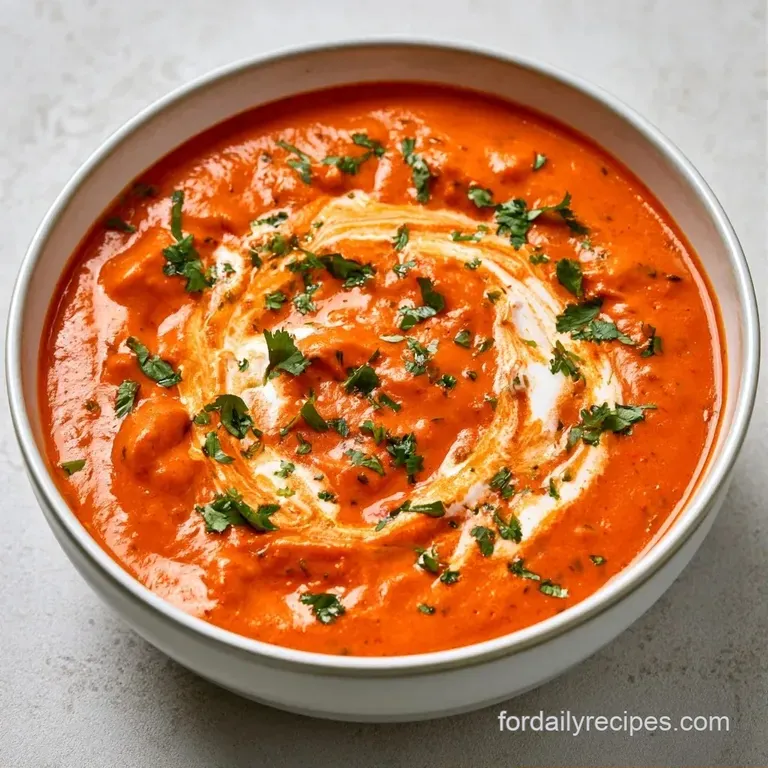
Remove from heat. Garnish with a handful of fresh chopped cilantro. Let the curry rest for 2 minutes before serving. This brief pause allows the garam masala to fully bloom into the sauce.
| Original Ingredient | Budget Substitute | Impact | Savings |
|---|---|---|---|
| Ghee | Neutral Oil | Slightly less buttery | $3 - $5 per jar |
| Fresh Curry Leaves | Dried Leaves | Less aromatic | $2 - $4 per pack |
| Kashmiri Chili | Paprika + Cayenne | Less specific color | $1 - $3 per tin |
Be sure to allow the curry to rest at the end. This is the secret to transforming a sauce of separate ingredients into a single, unified dish.
Common Mistakes & Troubleshooting
Fixing Too Much Acidity
If your tomatoes were particularly tart, the sauce might taste too sharp. Stir in 1/4 tsp of brown sugar or a tiny pinch of baking soda. This neutralizes the pH and rounds out the flavor without making it taste like a dessert. If you're dealing with an even more acidic base, you might find that a Sauce in 27 Minutes recipe approach adding a pinch of sugar works similarly here.
Fixing a Thin Sauce
If the curry looks more like a soup than a sauce, you didn't cook the tomatoes long enough. Put the lid on and simmer for another 5-10 minutes without the coconut milk. Once the water evaporates and the tomatoes thicken, stir the milk back in.
Preventing Burnt Spices
Spices burn quickly when the pan is too hot. Always lower the heat before adding the turmeric and chili powder. If you see the spices turning dark brown or smelling acrid, immediately add a splash of water or the coconut milk to drop the temperature.
Managing the Heat Level
If the green chilies make it too spicy, add an extra tablespoon of coconut milk or a dollop of Greek yogurt when serving. The fat binds with the capsaicin and mellows the burn.
Adjusting the Portion Size
For smaller groups of one or two, cut the ingredients in half. Use a smaller pan to keep the tomatoes from spreading too thin, which prevents them from burning. Since a smaller volume of liquid evaporates more quickly, reduce the total simmering time by about 20%.
When doubling or tripling this Tomato Curry Recipe, be cautious with the salt and garam masala. I suggest starting with 1.5x the spices instead of a full 2x. It is much easier to stir in extra seasoning later than to fix a dish that has become too salty.
For very large batches, divide the work between two separate pans. If you overcrowd a single pot, the tomatoes will steam instead of sauté, and you will miss out on that essential oil separation.
Storage & Reheating
Store this curry in a glass jar and keep it refrigerated for 4 days. The taste often improves overnight, so the leftovers can be even more delicious than the first batch.
In the freezer, this recipe remains good for about 3 months. Freeze it in portions. Let the portions defrost in the refrigerator overnight and then reheat on the stove over medium heat. If the sauce has become too thick, stir in a tablespoon of water or coconut milk to loosen the consistency.
To minimize waste, use any onion peels or tomato scraps to create a vegetable stock. If there is leftover coconut milk in the can, freeze it in an ice cube tray for future smoothies or curries.
Make It Your Own
For a Kerala Style Tomato Curry, increase the coconut milk to 3/4 cup and add a piece of tamarind for a deeper, sour punch. This version is common in the south of India and feels more like a rich stew.
If you want an Andhra Style Tomato Curry, skip the coconut milk entirely. Use a bit more red chili powder and finish with a tempering of mustard seeds and dried red chilies on top. This results in a sharper, more aggressive flavor profile.
For a protein packed version, stir in some fried paneer cubes or chickpeas during the final simmering stage. If you're looking for a lighter base, you can try my Sauce with Plum Tomatoes recipe as a starting point and then add the Indian spices.
For a vegan swap, use a neutral oil instead of ghee. The coconut milk already keeps this recipe plant based and creamy.
Presentation Tips
Serve this curry in a wide, shallow bowl. Spoon the curry over a bed of steamed basmati rice or alongside warm garlic naan.
The visual contrast is key. The deep red of the sauce looks stunning against the bright green of the fresh cilantro. I like to drizzle a tiny bit of extra ghee or a swirl of coconut cream on top just before serving to give it a restaurant style look.
For a complete meal, pair it with a side of cucumber raita. The cool, yogurt based dip balances the warmth of the spices and cleanses the palate between bites. According to USDA FoodData Central, adding a side of fresh vegetables can help balance the nutritional profile of a rich curry.
Recipe FAQs
How to make a simple tomato curry?
Sauté onions, garlic, ginger, and chilies in oil with mustard and cumin seeds. Add diced tomatoes and cook until they form a thick paste before stirring in spices and coconut milk.
What is the best recipe for tomato curry?
The ideal version balances the acidity of four cups of ripe tomatoes with creamy coconut milk. Toasting the turmeric, coriander, and chili powder for one minute creates a deeper flavor profile.
Is tomato curry a thing?
No, this is a common misconception. Tomato based curries are staple dishes across various Indian regions, often serving as a tangy base for vegetables or proteins.
What can I use as a tomato substitute for Indian recipes?
Tamarind paste or lemon juice can provide the necessary acidity. If you loved balancing the tart flavors here, see how a similar acid technique works in this seafood sauce.
How to do excellent tomato rasam at home?
Simmer diced tomatoes with tamarind water and a tempering of mustard seeds and cumin. Finish with plenty of fresh cilantro and garlic to get that authentic, thin consistency.
Can I cook South Indian dishes without tomato?
Surprisingly, no. While some dishes omit them, many authentic South Indian recipes rely on the acidity of tomatoes or tamarind to balance the richness of coconut milk.
Indian Tomato Curry Recipe