Poultry Seasoning: the Ultimate Homemade Blend
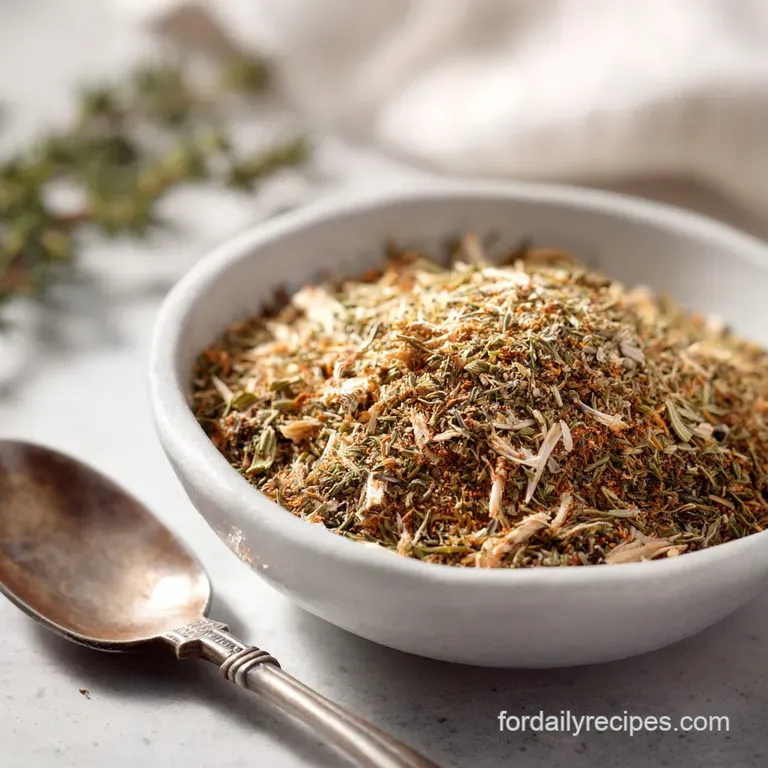
- The Aromatic Secret: Crafting Superior Homemade Poultry Seasoning
- Flavor Dynamics: The Science Behind This Perfect Blend
- Essential Herbs and Spices for Your Aromatic Blend
- Mixing Mastery: A Step-by-Step Guide to Blending
- Elevating Your Seasoning: Expert Tips and Troubleshooting
- Maximizing Shelf Life: Storage Solutions for Your Spice Mix
- Beyond the Roast: Creative Uses for Your Homemade Spice Rub
- Recipe FAQs
- 📝 Recipe Card
The Aromatic Secret: Crafting Superior Homemade Poultry Seasoning
Stop right there. Before you reach for that jar in the back of your cupboard the one that smells faintly of dust and wishes we need to talk about flavor. When you crack open a jar of truly fresh, vibrant Poultry Seasoning , the aroma should hit you like a warm hug from a wood fire, full of savory sage and bright marjoram.
It’s immediately intoxicating, signaling the start of something utterly delicious.
Making this blend yourself is perhaps the easiest kitchen hack that pays the biggest dividends. It takes less than five minutes, costs pennies compared to premium store brands, and frankly, store-bought simply cannot compete with the punch of freshly crushed herbs.
This quick mix is your shortcut to deeply flavored Sunday roasts and stuffing that people actually talk about long after the holidays are over.
Ready to ditch the dull and step up your seasoning game? Let’s crack on and mix the only Poultry Seasoning recipe you’ll ever need, focusing on balance, potency, and absolute aromatic brilliance.
Flavor Dynamics: The Science Behind This Perfect Blend
The secret to a knockout rub isn't just throwing herbs together; it’s about balancing the deep, earthy tones with necessary bright, acidic elements. Think of this homemade Poultry Seasoning blend as a little culinary symphony.
We use the big, bold bass notes (sage and thyme) and then layer in the soaring, sweet treble notes (marjoram and nutmeg).
Why Ditch the store-bought Jar
Those pre-mixed jars you buy often contain herbs that have been sitting on shelves for ages, losing their volatile oils the very things that give food flavor. When those oils evaporate, you’re essentially left with aromatic sawdust.
I learned this the hard way when I ran out of my blend mid-stuffing prep and tried to substitute with a cheap, store-bought shaker. Disaster! It tasted flat and metallic. Fresh is always best.
The Difference a Fresh Blend Makes
When you grind or rub fresh, whole dried herbs just before mixing, you immediately release those precious oils. This intense aromatic payload means you use less of the actual blend to achieve greater flavor impact in your final dish.
This homemade Poultry Seasoning blend offers a depth of savory, woodsy notes that cling beautifully to the skin and penetrate the meat during cooking. It's the essential difference between a decent meal and a jaw-dropping one.
Balancing Earthy Notes (Sage & Thyme)
Sage and thyme are the cornerstones of any classic blend. Sage brings that heavy, slightly peppery, deeply savory character that screams "holiday comfort." Thyme adds a sharper, cleaner earthiness that keeps the sage from being too overwhelming.
You need them both, but they must be balanced just right in your Poultry Seasoning to avoid tasting like a dusty attic.
The Brightening Power of Marjoram and Rosemary
This is where the magic happens, friend. Marjoram is the unsung hero of this mix. It’s sweet, floral, and slightly delicate, pulling the whole flavor profile upward. If you skip the marjoram, your blend will taste flat and heavy.
Rosemary adds a complex piney freshness, but heed this warning: Rosemary must be finely ground or crushed! Otherwise, those tough little needles feel like tiny shards in your mouth.
Optimal Grind Size for Maximum Aroma Release
For the best Poultry Seasoning result, you want a consistency that’s fine enough to stick but still has some texture. Rubbed sage is perfect. For tougher leaves, like rosemary and thyme, a quick whirl in a spice grinder or a few seconds in a mortar and pestle breaks them down, ensuring they release their maximum aroma without leaving behind unpleasant texture.
This is non-negotiable for a truly superior blend.
Essential Herbs and Spices for Your Aromatic Blend
This is the core recipe the master blend that forms the basis of the best stuffing and roasts I have ever made. Stick to these ratios for foolproof results.
| Ingredient | US Customary | Notes on the Best Poultry Seasoning |
|---|---|---|
| Rubbed or Ground Sage | 3 Tablespoons | Must be aromatic; smell it before you measure. |
| Dried Thyme (Leaf) | 2 Tablespoons | Avoid powdered; the leaf retains better flavor. |
| Dried Marjoram | 1 Tablespoon | Adds essential sweetness and floral notes. |
| Finely Crushed Rosemary | 1 Tablespoon | Crush those needles until they are almost a powder. |
| Fine Sea Salt | 1 Teaspoon | Optional for a low-sodium mix. |
| Freshly Ground Black Pepper | 1 Teaspoon | Use fresh pepper, please! It makes a difference. |
| Ground Nutmeg | 1/2 Teaspoon | Essential for warmth and depth. |
| Ground Celery Seed | 1/2 Teaspoon | Provides a savory background note don't skip this one! |
A Note on Quality: Choosing the Freshest Dried Ingredients
If your herbs are pale, brittle, and have no smell, throw them out. Seriously. The quality of your base ingredients dictates the quality of your homemade Poultry Seasoning blend. I treat dried herbs like I treat butter: quality first.
A simple sniff test is your friend: if you have to stick your nose deep inside the jar to detect an aroma, the spice is too old.
Should You Add Salt and Pepper to the Base?
I always include salt and pepper in my homemade Poultry Seasoning . Why? Because it ensures a perfectly balanced rub every time, and you don't have to worry about skipping that step later when you’re elbow deep in prep.
However, if you are strictly watching sodium intake, feel free to omit the salt here and simply salt your roast separately just before cooking.
When to Use Ground vs. Whole Spices
We mostly use ground or rubbed herbs here because we want them to coat the meat evenly and integrate smoothly into stuffing. If you use large whole pieces of thyme or marjoram, they won't release their flavor effectively and will result in an overly herbal texture.
The exception is rosemary, which starts whole but must be turned into a powder for this specific application of Poultry Seasoning .
Ingredient Swaps and Allergy Adjustments
Life happens, and sometimes you just don't have the exact ingredients. Don't let that stop you from making this amazing poultry seasoning mix! Here are some smart swaps:
| If You Don't Have... | You Can Use... | Notes |
|---|---|---|
| Marjoram | Equal parts dried Oregano | Oregano is sharper; use 3/4 Tbsp to avoid overwhelming the flavor. |
| Ground Nutmeg | Ground Allspice | Provides a similar deep, warming note, but use slightly less. |
| Ground Celery Seed | 1/4 tsp Ground Fennel Seed | Fennel adds a mild, savory lift that works well in a pinch. |
| Thyme | Dried Summer Savory | This is a traditional swap; use the same amount for a similar profile. |
Chef's Note: If you are allergic to celery or simply hate the flavor, you can swap the celery seed for 1/2 teaspoon of dried onion powder. It provides a savory background without changing the core herbal structure of the Poultry Seasoning .
Mixing Mastery: A step-by-step Guide to Blending
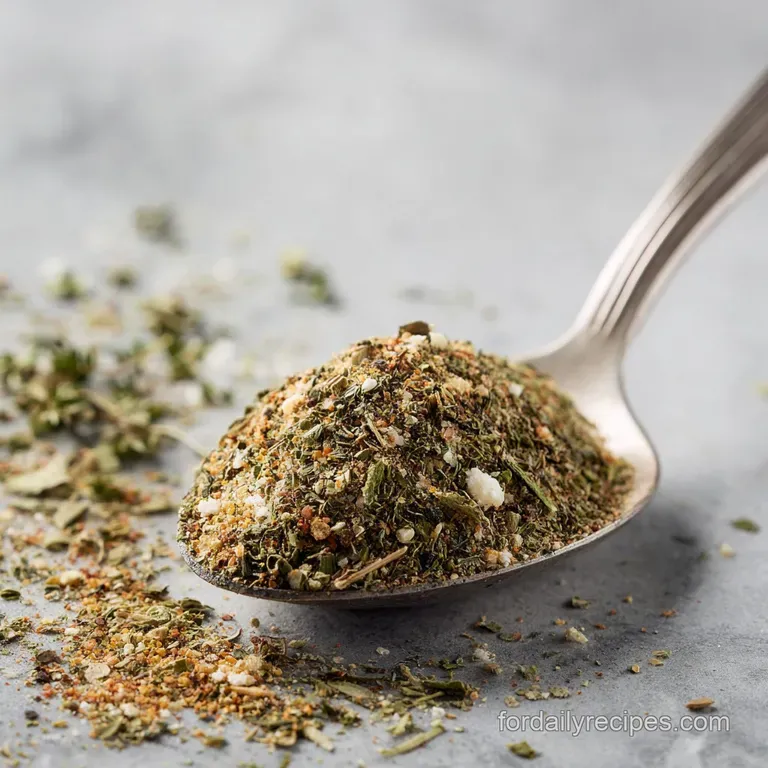
I love this step because it’s so satisfying. You start with disparate jars of individual herbs, and five minutes later, you have a cohesive, deeply aromatic Poultry Seasoning blend ready for action.
Preparing the Herbs for Integration
First, gather everything! Use a clean, dry jar (a Mason jar works perfectly) or a small mixing bowl. Crucially, if you are using whole dried rosemary needles, measure the 1 tablespoon and place them in your mortar and pestle first . Grind them until they are quite fine, almost like a dust.
They need to be utterly broken down so they release flavor beautifully and aren't sharp in your finished stuffing.
Combining the Base Ingredients Precisely
Measure your 3 tablespoons of rubbed sage and 2 tablespoons of dried thyme directly into your mixing container. Next, add the marjoram and your prepared, finely crushed rosemary. These four herbs are the foundation of your amazing homemade Poultry Seasoning .
Give those a quick gentle stir just to mingle the textures.
The Final Taste and Adjustment Test
Now, add the remaining spices: the salt, pepper, nutmeg, and celery seed. Use a small whisk or a spoon to combine everything for at least 30 seconds. You need to ensure the finer powders, like the nutmeg and celery seed, are evenly distributed and haven't settled at the bottom.
Mix until the color is totally uniform. For a final test, rub a tiny pinch between your fingers and inhale deeply. If the aroma is bright and complex, you’ve nailed the flavor dynamics of this Poultry Seasoning . Adjust salt or pepper here if needed before sealing.
Elevating Your Seasoning: Expert Tips and Troubleshooting
The Critical Importance of Toasting (Optional Step)
For a deeply sophisticated, slightly nutty, and smoky flavor profile, you can lightly toast the whole herbs (thyme and marjoram) before crushing them. Place them in a dry skillet over medium low heat for about 30 60 seconds.
You’ll know they are ready when you smell a slightly nutty, intense aroma. Immediately remove them from the pan and mix them into the rest of the cold ingredients. This small step takes your Poultry Seasoning to a new, incredible dimension.
Avoiding the Dreaded Over Seasoned Mix
The biggest mistake people make is adding too much of one dominant flavor, usually sage. Sage is strong! If you accidentally added too much, don't panic. You can easily fix it by doubling the amount of marjoram and thyme in the batch you've already made.
This quickly brightens and rounds out the aggressive, earthy sage notes, saving your batch of Poultry Seasoning .
Identifying and Correcting Flavor Gaps
- Tastes too flat/heavy? You likely need more marjoram or a pinch of fresh salt.
- Tastes too sharp/piney? You probably used too much rosemary or didn't grind it finely enough. Add a little more sage to mute that sharpness.
- Tastes watery/weak? Your herbs were too old. There is no fixing weak, old herbs; you need to start with a fresh batch for your Poultry Seasoning success.
Maximizing Shelf Life: Storage Solutions for Your Spice Mix
Making a big batch of this fantastic homemade Poultry Seasoning is smart, but you must store it correctly to maintain its peak performance. Remember, flavor quality degrades over time, not necessarily safety.
Best Containers for Maintaining Potency
Glass jars are king. They don't absorb or transfer smells, and they seal tightly. Always opt for an airtight glass jar with a metal lid. Make sure it is completely clean and dry before you transfer the finished Poultry Seasoning mix inside.
Plastic containers tend to leach flavors and aren't recommended for long term storage of spices.
How to Tell When Your Blend Needs Replacing
If you open the jar and don't immediately smell that intoxicating mix of sage, thyme, and warmth, it’s past its prime. While your Poultry Seasoning won't necessarily go bad in the traditional sense, its potency drops off dramatically after about six months.
Aim to use your batch within 3 4 months for the absolute best flavor experience.
Can You Freeze Homemade Seasoning?
But does it freeze well? You bet! While it’s slightly unnecessary because the dried herbs last so long, freezing is an excellent way to maintain absolute peak freshness if you make a giant quantity.
Simply seal your finished Poultry Seasoning tightly in a freezer safe bag or jar, squeezing out as much air as possible, and freeze for up to a year. Thaw quickly at room temperature; there is no need to wait for it to fully defrost before using.
Beyond the Roast: Creative Uses for Your Homemade Spice Rub
This glorious blend of herbs is far too versatile to be limited only to big holiday roasts. It's the multi tool of my spice rack.
Superior Stuffing: This is the traditional destination for great Poultry Seasoning . Use about 1 tablespoon per batch of standard bread stuffing.
Flavored Oil Drizzle: Mix a generous teaspoon of the Poultry Seasoning with 1/4 cup of good quality olive oil. Use this mixture to toss root vegetables (carrots, parsnips, potatoes) before roasting. The celery seed and sage are incredible against the sweetness of root veg.
Elevated Gravy: Stir a small pinch (about 1/2 teaspoon) of this blend into your white gravy or pan sauce right before serving. It adds an immediate depth of complexity that screams homemade goodness.
The Weeknight Miracle Rub: Mix 1 tablespoon of your finished blend with 2 tablespoons of melted butter or oil to create a wet rub. Apply this under the skin of whatever you are preparing for dinner and watch the flavor magic happen.
This easy Poultry Seasoning recipe is the cornerstone of great home cooking.
Recipe FAQs
How long will homemade poultry seasoning stay fresh?
Spices lose potency over time, so while technically edible indefinitely, this blend will maintain its peak, robust flavor for 6 to 12 months. Ensure it is stored in an airtight container away from heat, steam, and direct sunlight to maximize longevity.
My spice blend clumped together. Why did this happen?
Clumping is almost always caused by moisture exposure, which can happen if condensation gets into the jar. Avoid shaking the seasoning directly over a steaming pot or using damp measuring spoons, and keep the jar tightly sealed when not in use.
I ran out of marjoram. What is a suitable substitution?
Marjoram offers a sweeter, more delicate, and floral note compared to its cousin, oregano. If you must substitute, use half the amount of dried oregano, as it is much more assertive, or increase the amount of dried thyme slightly for depth.
Can I use this blend for recipes other than chicken or turkey?
Absolutely; this versatile blend works brilliantly on much more than poultry. Try sprinkling it on pork tenderloin before roasting, mixing it into homemade bread stuffing, or seasoning roasted root vegetables like potatoes and parsnips.
How can I make this seasoning salt free or low-sodium?
The main advantage of crafting your own seasoning is controlling the sodium content. To make it salt free, simply omit the salt entirely from the recipe, allowing you to use it freely for low-sodium diets and season the final dish to taste.
Should I use ground or whole spices when making this blend?
For a consistent texture and easy application, use finely ground dried spices, which ensures the flavors are fully integrated. If you prefer a truly coarse, intense, and rustic blend, you can use a mortar and pestle to lightly crush whole dried herbs like rosemary and sage just before mixing.
Can I add heat to this poultry seasoning?
Yes, you can easily introduce warmth and heat to customize the flavor profile. Start by incorporating 1/2 teaspoon of smoked paprika for a smoky depth, or a small pinch of cayenne pepper if you prefer a sharper, cleaner heat.
Homemade Poultry Seasoning Blend
Ingredients:
Instructions:
Nutrition Facts:
| Calories | 8 calories |
|---|---|
| Fat | 0.4 grams |
| Fiber | 0.4 grams |
