Cinnamon Rolls: Properly Fluffy Scrolls Recipe
- Properly Fluffy Cinnamon Scrolls: An Utter Weekend Triumph
- Achieving Ultimate Fluffiness: The Science Behind This Dough
- What You Need to Bake These Rolls: Detailed Ingredients and Notes
- Step-by-Step Method: Preparing Your Fluffy Cinnamon Scrolls
- Professional Secrets: Troubleshooting and Elevating Your Bake
- Extending Freshness: Storage and Freezing Your Baked Goods
- Perfect Pairings: Serving Ideas for Warm Buns
- Recipe FAQs
- 📝 Recipe Card
Properly Fluffy Cinnamon Scrolls: An Utter Weekend Triumph
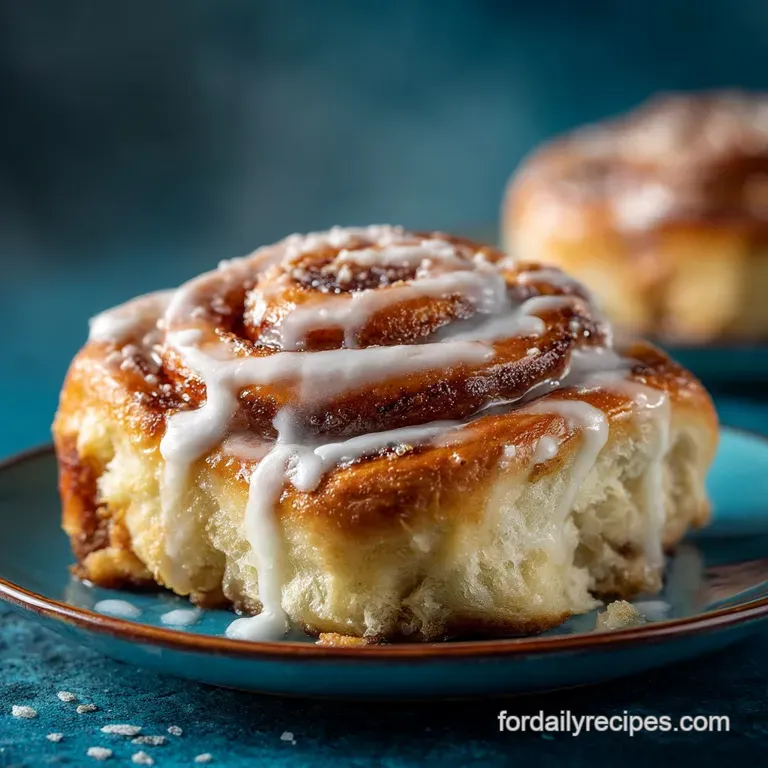
When you pull a tray of these magnificent Cinnamon Rolls out of the oven, the smell alone is enough to send you into a dizzy trance. That deep, comforting mix of caramelized sugar, warm butter, and spicy ground cinnamon is simply unbeatable, truly one of the best kitchen aromas there is.
The resulting texture is the real winner: pillowy soft, absolutely gooey in the middle, and utterly addictive.
People think making these classic Cinnamon Rolls is a massive, stressful undertaking, but I promise you, it's mostly waiting time, not actual working time. This enriched dough takes a little love, sure, but the return on investment deliciously fluffy, home baked goodness is astronomically high.
Forget those sad, dried out bakery versions; we are making the real deal today.
I’ve certainly messed up my share of batches over the years (yes, I once tried to rush the proofing and ended up with hard hockey pucks don't try that). Now I’ve refined this method, combining the richness of brioche with a few technical tricks to ensure maximum moisture.
Let's crack on and make the best, fluffiest Cinnamon Rolls you've ever had.
Achieving Ultimate Fluffiness: The Science Behind This Dough
The difference between a good roll and a jaw-dropping, pull apart scroll often comes down to dough hydration and fat content. We aren’t aiming for a simple bread dough here; we are building an enriched dough that incorporates milk, eggs, and a generous amount of butter.
This is key to getting that melt-in-your mouth interior.
The Art of the Enriched Dough: Why 'Scrolls' are Superior to 'Buns'
When a dough is enriched, it means we add high fat ingredients after the initial flour and liquid have combined. The fat in our case, milk, two eggs, and six tablespoons of melted butter interferes with gluten development, keeping the structure tender and soft.
While it takes longer to knead and proof than lean bread, the resulting crumb stays soft for days. This richness prevents the Cinnamon Rolls from tasting stale after one night.
Difficulty Assessment: Medium Skill, Maximum Reward
I rate this recipe as medium difficulty because you need patience and warmth. The ingredients are dead simple, but successful yeast baking requires attention to dough temperature and proofing cues.
Mastering the second proof, where the shaped Cinnamon Rolls puff up and touch, is the final hurdle to gooey success.
Harnessing the Power of the Tangzhong Principle (For Maximum Moisture)
You might have heard of the tangzhong method, which involves pre-cooking a portion of the flour and milk to gelatinize the starches. While we skip that extra step today, we are using the principle of high hydration and fat binding.
By incorporating melted butter and warm milk efficiently, we trap moisture early on. This technicality is the secret weapon for avoiding that disappointing dry, tough texture in homemade Cinnamon Rolls .
Perfecting the Filling Flavor Profile: Dark Brown Sugar vs. Light
The filling must be aggressive; we aren’t shy about spice. I always use dark brown sugar instead of light brown sugar for the filling of my classic Cinnamon Rolls . Why?
Because the higher molasses content of the dark sugar creates a deeper, slightly fudgier, more caramelized flavor once baked. It interacts better with the cinnamon.
Balancing the Sweetness: Introducing the Zesty Cream Cheese Glaze
Listen, the roll itself is already magnificent, but it needs a crown. A simple powdered sugar glaze is nice, but it lacks personality. Our cream cheese glaze brings a necessary tanginess to cut through the richness of the dough and the sweetness of the filling.
Trust me, that tiny bit of lemon or orange zest in the glaze is non-negotiable —it elevates these homemade Cinnamon Rolls from great to phenomenal.
What You Need to Bake These Rolls: Detailed Ingredients and Notes
I’m a firm believer in measuring ingredients by weight, especially flour, because volume cups can lie to you. If you want truly reliable, soft Cinnamon Rolls , break out the kitchen scale!
The Essentials for the Buttery Brioche Style Dough
Remember: warm milk (not hot!), room temperature eggs, and good quality flour are your friends. If your yeast doesn't foam up in the milk, your milk was probably too hot start over, don't waste the rest of your ingredients.
Creating the Deeply Spiced Filling (Using the Right Cinnamon)
We are using a generous two full tablespoons of ground cinnamon. Use a good quality spice; this isn't the time for the dusty jar from 2012. I recommend Korintje or even Ceylon cinnamon if you can find it, as it offers a smoother, richer flavor that truly shines in these Cinnamon Rolls .
Mixing the Bright, Tangy Glaze
The key to the glaze is starting with very soft cream cheese and butter. If they are cold, you’ll end up with lumps, and nobody wants chunky glaze. If the glaze is too thick after mixing, add milk one teaspoon at a time; if it’s too thin, sift in a little extra powdered sugar.
Smart Ingredient Swaps: dairy-free Alternatives and Flour Recommendations
Life happens, and sometimes you just don't have exactly what the recipe demands. Here are my favorite substitutions that won't totally ruin your beautiful Cinnamon Rolls :
| Original Ingredient | Viable Substitute | Notes |
|---|---|---|
| Whole Milk | Oat Milk or Full Fat Coconut Milk | Use caution; coconut milk can slightly alter the flavor profile of the dough. |
| Active Dry Yeast | Instant Yeast (same amount) | Skip the activation step; mix directly into the flour, but the first proof might be slightly faster. |
| All-Purpose Flour | Bread Flour | Bread flour is actually superior for stability, but AP works fine. Do not substitute with cake flour! |
| Brown Sugar (Filling) | Granulated Sugar + 1 tsp Molasses | This will provide the necessary moisture and deep flavor if you are completely out of brown sugar. |
step-by-step Method: Preparing Your Fluffy Cinnamon Scrolls
Following the phases strictly ensures success. Don't skip the second proof; it’s what gives your final Cinnamon Rolls that signature ethereal puffiness.
Phase 1: Developing the Dough Structure (Mixing and Kneading)
Start by activating that yeast in the warm, sweetened milk. When it looks foamy and bubbly (the raft), you know you're good to go. Then, in your stand mixer, mix the wet ingredients before gradually adding the flour and salt. Knead the dough on medium low for eight to ten minutes.
It should be slightly sticky but smooth, pulling neatly away from the sides of the bowl.
Chef’s Note: The dough should feel alive and elastic. When stretched thin, it should form a semi transparent film without tearing that’s the perfect windowpane test. Too much flour means tough Cinnamon Rolls .
Phase 2: First Proof and Rolling Out the Rectangle
Place the dough in an oiled bowl, cover it, and find a cozy spot. This first proof should take 90 minutes to two hours, depending on your ambient temperature. It needs to truly double in size.
Once proved, gently punch it down to release the gas, turn it out, and roll it into a clean, smooth rectangle, approximately 18 inches by 12 inches.
Phase 3: Filling, Shaping, and the Critical Second Proof
Spread that luscious, creamy filling right to the edges, leaving a small, unbuttered half inch margin along one long side. This clean edge is where you’ll seal the log. Roll the dough tightly, starting from the opposite long edge, ensuring no gaps appear inside the coil. Pinch that seam shut!
Use dental floss to cut the log into twelve equal pieces seriously, it's the best way to get perfect, non-squished Cinnamon Rolls swirls. Place them in your baking dish.
Phase 4: Baking Until Golden and Applying the Cream Cheese Glaze
This final proof, where the shaped rolls become visibly puffy and snug in the pan, is critical. Let them rise for 45 to 60 minutes. Preheat your oven to 375°F (190°C). Bake for 25 to 30 minutes until deep golden brown.
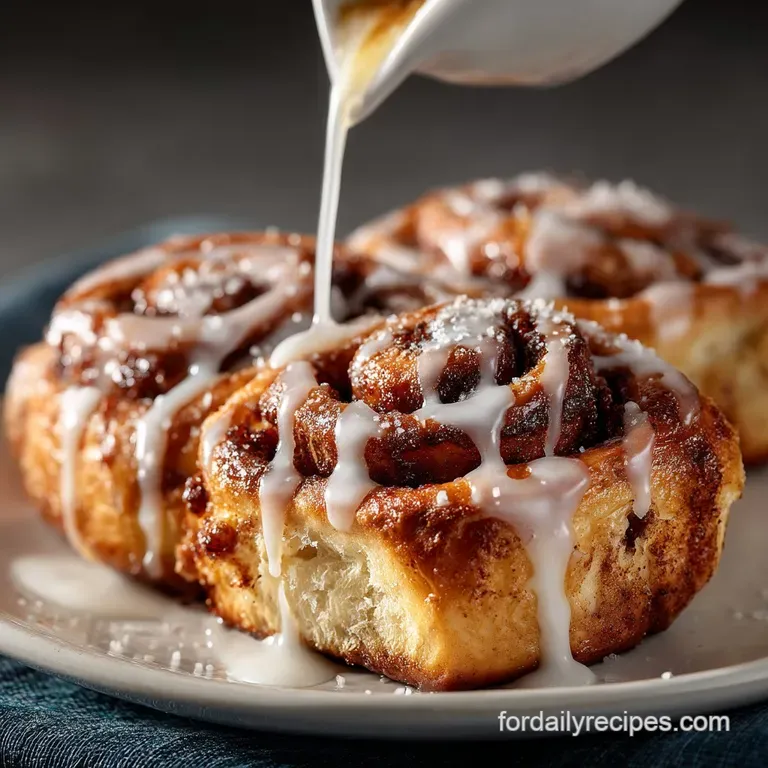
While they bake, whip up that tangy cream cheese glaze. The ultimate secret to gooey rolls is glazing them while they are still hot , or at least very warm. The heat allows the glaze to melt slightly, sinking into those glorious crevices of the Cinnamon Rolls .
Professional Secrets: Troubleshooting and Elevating Your Bake
I have learned these secrets the hard way, so you don't have to! Mastering homemade Cinnamon Rolls means understanding temperature control and being patient.
Dough Temperature and Windowpane Test: A Baker's Checklist
If your kitchen is cold, your dough won't move. Yeast thrives between 75°F and 85°F (24°C 30°C). I often heat my microwave for one minute, turn it off, and place the dough inside instant proofing box!
Remember, if the dough is struggling to form the windowpane, let it rest for 10 minutes before kneading again. The rest gives the gluten a chance to relax.
Avoiding the Dry Roll Syndrome: The Critical Proofing Environment
The most common mistake when making Cinnamon Rolls is letting the dough dry out during proofing. Always cover the bowl tightly with plastic wrap or a clean, damp cloth.
The surface needs that moisture to maintain elasticity, preventing a thick skin from forming, which results in tough, cracked rolls.
Solving Common Shaping Mistakes (Preventing Unraveling)
Did your rolls unravel during the bake? This usually happens because the initial log wasn't rolled tightly enough, or the seam wasn't properly pinched shut. When rolling, apply gentle, even pressure and ensure the seam is sealed securely against the log with a little water if needed.
This prevents the filling from leaking out and the swirl from losing shape, ensuring perfect homemade Cinnamon Rolls .
Extending Freshness: Storage and Freezing Your Baked Goods
Nobody wants stale leftovers, especially after all that hard work making these perfect Cinnamon Rolls . Luckily, they store beautifully, whether baked or unbaked.
Storage Techniques for Maximum Softness After Baking
Once glazed and cooled, cover the Cinnamon Rolls tightly in the baking dish with plastic wrap. They will stay soft at room temperature for up to two days. If you keep them in the refrigerator, they'll last four to five days, but they will firm up.
How to Freeze Cinnamon Rolls (Baked vs. Unbaked Options)
You have two excellent choices here, depending on when you want fresh Cinnamon Rolls :
- Freezing Baked Rolls: Bake and cool the rolls completely without the glaze. Wrap them individually or freeze the entire tray tightly. Reheat them from frozen at 350°F (175°C) for 15- 20 minutes, then glaze.
- Freezing Unbaked Rolls (Best Option): Shape the rolls, place them in the pan, and do not perform the second proof. Cover the pan tightly and freeze solid. When ready to bake, transfer the frozen rolls directly to the fridge overnight to thaw, then pull them out the next morning for their 60 90 minute final proof before baking as usual. This guarantees truly fresh, hot Cinnamon Rolls for breakfast.
Perfect Pairings: Serving Ideas for Warm Buns
These fluffy, glazed Cinnamon Rolls deserve to be the star of the show, but a little accompaniment never hurts.
Beverage Recommendations: Coffee, Tea, and Cold Brew
A piping hot cup of black coffee cuts through the sweetness beautifully. If you prefer tea, a strong, tannic black tea like Assam or a robust English Breakfast blend works wonders.
I also love pairing these decadent Cinnamon Rolls with cold, sharp citrus juice, like fresh squeezed orange juice, for a refreshing contrast.
I hope you love this ultimate recipe for tender, flavour packed Cinnamon Rolls . They are pure comfort food, and once you realize how easy it is to achieve this level of gooey perfection at home, you’ll never buy them pre-made again. Enjoy every buttery, spicy bite!

Recipe FAQs
Why did my cinnamon rolls turn out dry or dense?
This usually indicates over baking or insufficient kneading. If the dough wasn't fully developed, the structure collapses, leading to a dense crumb, so ensure you knead long enough. Furthermore, be careful not to bake the rolls past the point of light golden brown, or you risk drying out the rich dough.
Can I prepare these rolls the night before baking?
Yes, these rolls are excellent for overnight proofing, which develops a deeper flavor. After shaping and placing them in the pan, cover them tightly and refrigerate immediately for 8 12 hours.
Let them sit at room temperature for 30 45 minutes while the oven preheats to ensure they finish proofing before baking.
How do I freeze unbaked or baked cinnamon rolls?
For unbaked rolls, flash freeze them individually on a sheet pan until solid, then transfer them to an airtight container and freeze for up to six weeks. For baked rolls, freeze them without the glaze; thaw overnight and reheat briefly in a 300°F (150°C) oven before applying the cream cheese glaze.
Why is my enriched dough so sticky and difficult to roll out?
Brioche style doughs have high fat and sugar content, making them naturally softer and stickier than lean doughs. To manage the stickiness, ensure the dough is cold, as chilling it for 30 minutes helps solidify the butter. Use minimal flour when rolling to prevent the final product from becoming tough.
My dough didn't double in size during the first proof. What went wrong?
Temperature is the most common cause; yeast needs a warm, draft free environment (70 85°F) to activate properly. Double check that your yeast wasn't expired, and ensure the milk added was warm but not hot, which kills the active culture.
I don't like cream cheese glaze; what's a good alternative?
A simple powdered sugar icing mixed with milk and vanilla extract works perfectly for a quick, classic finish. Alternatively, you can brush the baked rolls with a light sugar syrup (equal parts sugar and water, boiled) immediately after they come out of the oven for a beautiful shine and extra moisture.
Can I make these cinnamon rolls using non-dairy ingredients?
Yes, you can substitute the whole milk with a creamy non-dairy milk like oat or soy milk, and use a high-quality vegan butter substitute. For the cream cheese glaze, use a vegan cream cheese product to achieve a similar tanginess and thick texture.
Fluffy Cinnamon Rolls With Glaze
Ingredients:
Instructions:
Nutrition Facts:
| Calories | 220 kcal |
|---|---|
| Protein | 4.0 g |
| Fat | 7.0 g |
| Carbs | 36.0 g |
