Crock Pot Recipe with Beef Stew
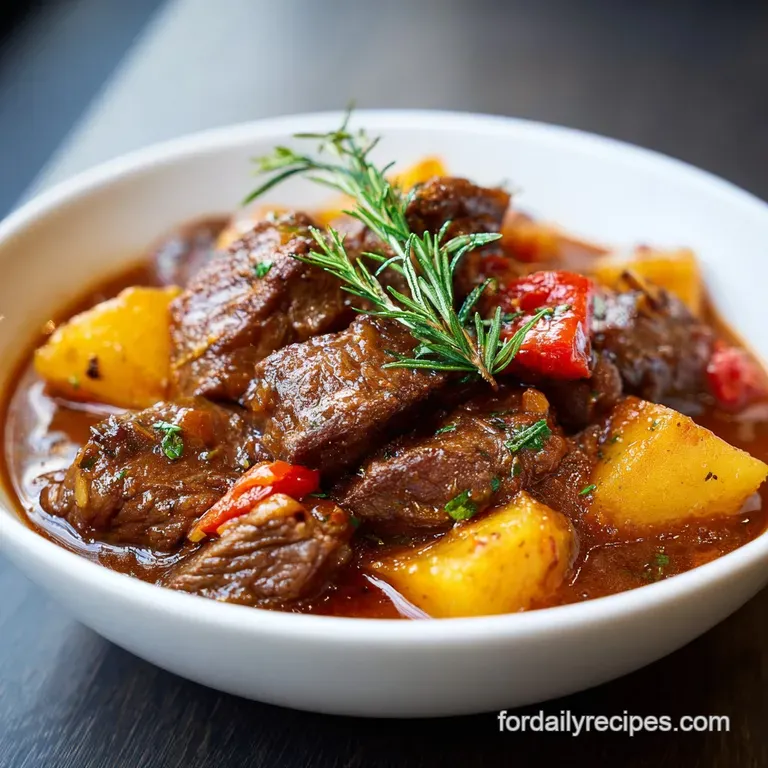
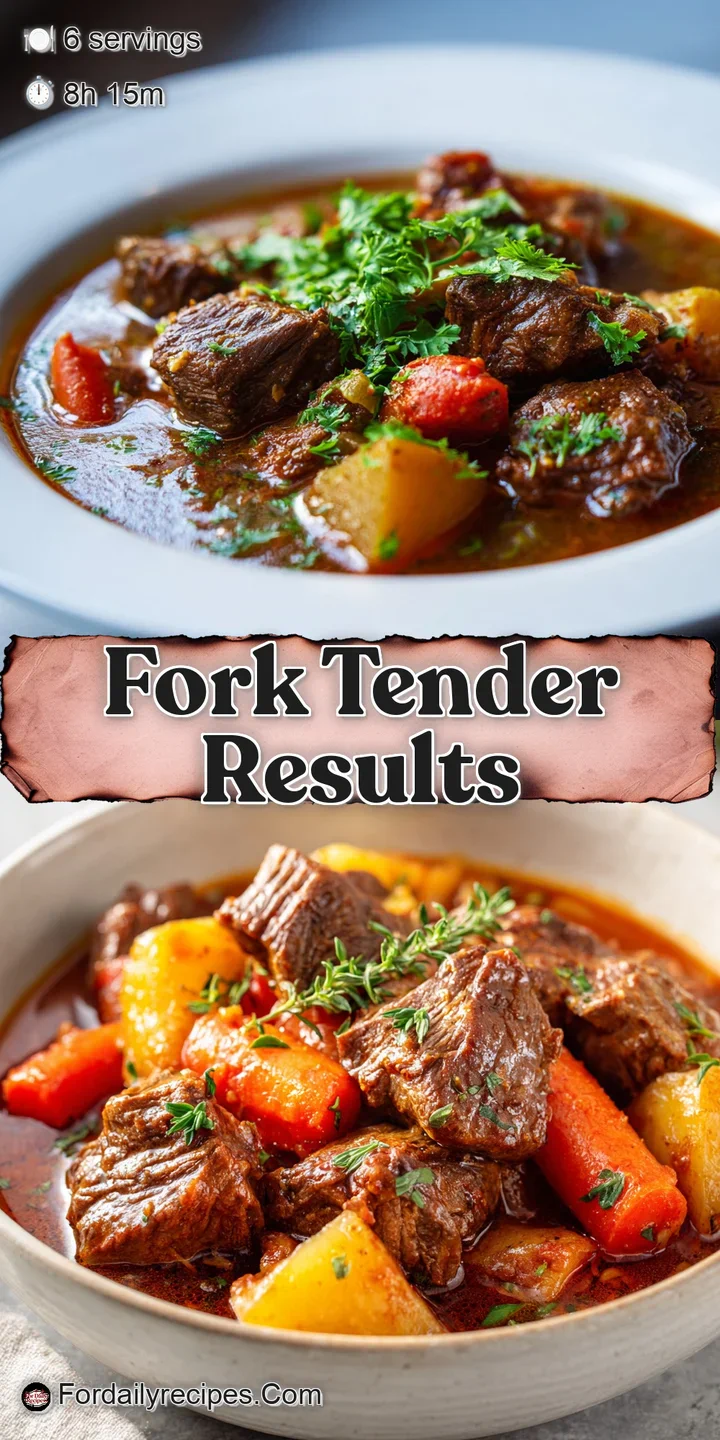
- Time: Active 15 minutes, Passive 8 hours, Total 8 hours 15 mins
- Flavor/Texture Hook: Savory, melt in-the mouth beef with a silky, herb infused sauce.
- Perfect for: Cozy Sunday family dinners or hands off weeknight meal prepping.
- The Ultimate Crock Pot Recipe with Beef Stew
- The Science of Velvet Braised Beef
- Selecting Elements for Deep Flavor
- Vital Tools for Slow Braising
- Crafting Your Heritage Beef Stew
- Solving Common Slow Cooking Issues
- Flavor Swaps for Every Table
- Storing and Reheating Your Stew
- Elegant Ways to Serve Stew
- Slow Cooking Myths
- Very High in Sodium ⚠️
- Recipe FAQs
- 📝 Recipe Card
The Ultimate Crock Pot Recipe with Beef Stew
The smell of a slow cooker working its magic is one of those core memories for me, right up there with the scent of fresh rain on hot pavement. There is something profoundly comforting about walking through the front door after a long day and being hit by that thick, savory perfume of thyme, bay, and braised beef.
It feels like a warm embrace from someone who has been waiting all day just to see you.
I used to think that just tossing everything into the pot and hitting "start" was enough, but I learned the hard way that a few specific steps make the difference between a grey, watery mess and a heritage quality meal.
My first attempt was a disaster the potatoes turned to mush and the meat felt like chewing on a rubber band because I rushed the heat.
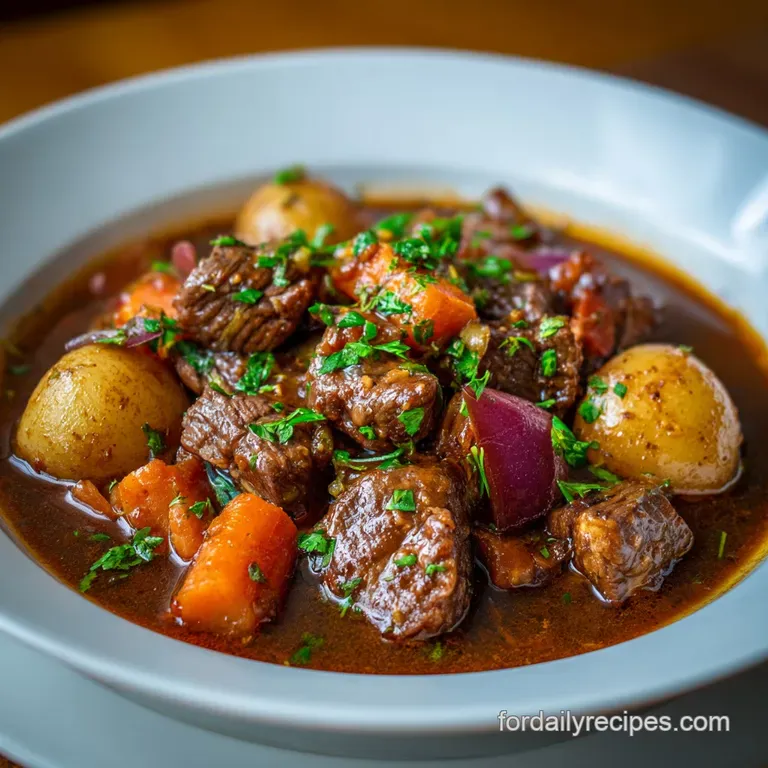
We are going for a texture that is substantial yet yielding, where the carrots hold their shape but give way under a fork. This recipe honors the way my grandmother used to cook, focusing on the quality of the sear and the patience of the simmer.
Trust me, once you see that velvety sauce coat the back of your spoon, you will never go back to the "dump and go" method again.
The Science of Velvet Braised Beef
The Collagen Conversion: Slow cooking at low temperatures breaks down tough connective tissue (collagen) into gelatin, which creates a rich mouthfeel. This process requires a steady, moist environment to ensure the fibers don't tighten and dry out.
Starch Gelatinization: As the potatoes simmer, they release tiny amounts of starch into the broth. When we add the cornstarch slurry at the end, it binds with these natural starches to create a glossy, thick consistency that clings to the meat.
Maillard Reaction Depth: Searing the beef before it enters the crock pot creates complex flavor compounds that cannot be replicated by boiling. These caramelized sugars dissolve into the liquid over eight hours, deepening the overall savory profile.
| Meat Thickness | Target Internal Temp | Rest Time | Visual Cue |
|---|---|---|---|
| 1.5 inch Cubes | 195°F - 205°F | 10 minutes | Beef shreds easily with a fork |
| 1 inch Cubes | 195°F - 205°F | 10 minutes | Edges appear soft and dark |
| 2 inch Cubes | 200°F - 210°F | 15 minutes | Meat pulls apart with no resistance |
The secret to a truly great stew is choosing the right cut. While some might reach for "stew meat" pre packaged at the store, I always grab a whole chuck roast. Cutting it yourself ensures even 1.5 inch pieces that cook at the same rate, similar to the technique used in my Crockpot Beef Stew recipe.
Selecting Elements for Deep Flavor
| Ingredient | Science Role | Pro Secret |
|---|---|---|
| Beef Chuck Roast | High Collagen | Cut into uniform 1.5 inch cubes for even melting. |
| Yukon Gold Potatoes | Medium Starch | These hold their shape better than Russets in long braises. |
| Red Wine | Acidity & Tannins | Use a dry variety to cut through the heavy fat of the beef. |
| Balsamic Vinegar | Brightness | Adds a final "pop" that balances the earthy herbs. |
Building this dish requires a balance of pantry staples and fresh produce. Here is what you will need to gather for this time honored meal:
- 3 lbs beef chuck roast: Why this? Marbling provides fat that keeps the meat moist during long cook times. (Substitute: Venison or Bottom Round)
- 2 lbs Yukon Gold potatoes: Why this? They offer a buttery texture without disintegrating. (Substitute: Red potatoes)
- 4 large carrots: Why this? Provides natural sweetness and a vibrant color contrast. (Substitute: Parsnips)
- 1 large yellow onion: Why this? The base of all savory depth. (Substitute: White onion or 2 leeks)
- 3 stalks celery: Why this? Adds an essential herbal backbone to the broth. (Substitute: 1/2 tsp celery seed)
- 4 cloves garlic: Why this? Fresh garlic offers more punch than powdered versions. (Substitute: 1 tbsp garlic paste)
- 2 tbsp avocado oil: Why this? High smoke point for a hard sear. (Substitute: Grapeseed or light olive oil)
- 3 cups beef bone broth: Why this? Bone broth has more natural gelatin than standard stock. (Substitute: Beef bouillon with water)
- 1/2 cup dry red wine: Why this? Deglazes the pan and adds sophisticated dark fruit notes. (Substitute: Extra broth with a splash of lemon)
- 2 tbsp Worcestershire sauce: Why this? The ultimate umami booster. (Substitute: Soy sauce)
- 1 tbsp balsamic vinegar: Why this? The acidity brightens the heavy fats. (Substitute: Apple cider vinegar)
- 2 bay leaves: Why this? Adds a subtle, floral tea like aroma. (Substitute: 1/4 tsp dried oregano)
- 1 tsp dried thyme: Why this? Thyme pairs naturally with beef and root vegetables. (Substitute: Fresh thyme sprigs)
- 1 tsp fine sea salt: Why this? Enhances every other flavor in the pot. (Substitute: Kosher salt)
- 1/2 tsp freshly cracked black pepper: Why this? Provides a gentle, warming heat. (Substitute: White pepper)
- 1 cup frozen peas: Why this? Added at the end for a burst of fresh green sweetness. (Substitute: Frozen corn)
- 2 tbsp cornstarch & 2 tbsp cold water: Why this? Creates the final thickening slurry. (Substitute: All purpose flour)
Vital Tools for Slow Braising
To get the best results, you don't need fancy gadgets, but a heavy bottomed skillet is non negotiable. I prefer a cast iron pan for searing because it holds heat so well. You'll also need a 6 quart slow cooker. If yours is larger, keep an eye on the liquid levels as it may evaporate faster.
A sharp chef's knife makes quick work of those carrots and potatoes. Don't forget a sturdy pair of tongs for flipping the beef you want to move the meat without piercing it too much. If you are a fan of bold seasonings, you might also like using a Poultry Seasoning recipe for other slow cooker chicken dishes later in the week.
Crafting Your Heritage Beef Stew
- Prep the beef. Pat the 3 lbs of chuck roast completely dry with paper towels. Note: Moisture on the surface creates steam instead of a crust.
- Sear the meat. Heat 2 tbsp avocado oil in a large skillet over medium high heat. Brown the beef in batches until a deep brown crust forms on all sides.
- Transfer to crock. Place the browned beef into the slow cooker. Avoid pouring the excess grease in; we want flavor, not oiliness.
- Deglaze the pan. Pour 1/2 cup red wine into the hot skillet, scraping the bottom with a wooden spoon until the dark bits dissolve into the liquid.
- Build the base. Add the diced onion, sliced celery, and minced garlic to the slow cooker on top of the meat.
- Add vegetables. Layer the 2 lbs of chopped potatoes and 4 sliced carrots over the aromatics. Note: Harder vegetables go closer to the bottom/sides where the heat is strongest.
- Season and pour. Whisk the 3 cups bone broth, 2 tbsp Worcestershire, 1 tbsp balsamic, and spices together. Pour over the vegetables until everything is mostly submerged.
- The long simmer. Cover and cook on Low for 8 hours. Wait until the aroma is intoxicating and the meat is tender.
- Thicken the sauce. In a small bowl, mix 2 tbsp cornstarch with 2 tbsp cold water. Stir the slurry and the 1 cup frozen peas into the stew.
- Final rest. Cover and cook for another 15 minutes until the gravy is glossy and thick.
Solving Common Slow Cooking Issues
Why Your Beef is Tough
If you poke the meat and it feels like a bouncy ball, it hasn't cooked long enough. Counter intuitively, the longer you cook chuck roast, the softer it gets. The collagen needs time to melt. If it's tough after 6 hours, give it those extra 2 hours on Low.
Why the Stew is Watery
Vegetables release a lot of water as they break down. If your sauce looks more like a soup, it’s usually because the lid was opened too often, or there was too much liquid to start. This is why the cornstarch slurry is vital at the end of the process.
| Problem | Root Cause | Solution |
|---|---|---|
| Mushy Vegetables | Cut too small | Keep carrots in 1 inch rounds and potatoes in chunks. |
| Bland Flavor | Lack of salt or acid | Add an extra splash of balsamic or a pinch of salt. |
| Greasy Surface | Too much fat in beef | Skim the top with a large spoon or use a fat separator. |
Common Mistakes Checklist
- ✓ Never skip the searing step; it’s where all the complex "brown" flavor lives.
- ✓ Don't use "Lean" beef; you need the fat to keep the meat from turning into sawdust.
- ✓ Keep the lid closed every time you peek, you lose 20 minutes of heat.
- ✓ Always use cold water for the cornstarch slurry to prevent lumps.
- ✓ Let the stew sit for 5 minutes after turning off the heat for the best texture.
Flavor Swaps for Every Table
If you find yourself missing an ingredient, don't panic. This dish is very forgiving. If you don't want to use wine, pomegranate juice or even just extra beef broth with a teaspoon of lemon juice works beautifully to provide that necessary acidity. For those looking for a different protein profile, you can try similar aromatic bases with my Garlic herb ground beef for a faster stovetop meal.
- For a Guinness Twist: Replace the red wine with 1 cup of stout beer and add 1 tbsp of brown sugar.
- Low Carb Adaptation: Swap the potatoes for large chunks of cauliflower and daikon radish.
- gluten-free: This recipe is naturally gluten-free if you ensure your Worcestershire sauce and broth are certified brands.
Storing and Reheating Your Stew
Storage: This stew is one of those rare dishes that actually tastes better the next day. Keep it in an airtight container in the fridge for up to 4 days. The flavors meld and the sauce thickens even further as it chills.
Freezing: You can freeze this for up to 3 months. However, be aware that potatoes can sometimes become slightly grainy after freezing and thawing. To fix this, mash a few of the potatoes into the sauce during reheating to improve the texture.
Zero Waste: If you have leftover gravy but no meat, use it as a base for a shepherd's pie. Simply sauté some ground beef, mix it with the leftover stew sauce, and top with mashed potatoes for a completely new meal.
Elegant Ways to Serve Stew
When it comes to serving, heritage dishes deserve a bit of flair. I love serving this in wide, shallow bowls rather than deep soup bowls. It allows you to see all the colorful vegetables and the glossy sauce.
A heavy sprinkle of fresh flat leaf parsley right before serving adds a hit of freshness that cuts through the rich, heavy flavors.
Pair this with a thick slice of crusty sourdough or some warm, buttered biscuits. You want something to soak up every last drop of that liquid gold. If you're feeling fancy, a dollop of horseradish cream on top adds a sharp, spicy contrast that works wonders with the braised beef.
Chef's Tip: If the sauce feels a bit too heavy, stir in a handful of fresh spinach at the very end. The residual heat will wilt it in seconds, adding color and a light earthy flavor.
| Option | Fresh | Shortcut | Flavor Impact |
|---|---|---|---|
| Aromatics | Whole Garlic/Onion | Jarred Garlic/Dried Onion | Fresh provides a sharper, cleaner bite. |
| Thickener | Cornstarch Slurry | Instant Mashed Potatoes | Slurry is glossy; flakes make it heartier. |
| Liquid | Bone Broth + Wine | Water + Bouillon | Bone broth adds a velvety, sticky lip feel. |
Slow Cooking Myths
"Searing meat seals in the juices." This is a common misconception that has been around for generations. Searing actually causes the meat to lose a little bit of moisture due to the high heat.
However, we do it anyway because the flavor payoff from the Maillard reaction is so significant that it outweighs the minor moisture loss.
"You must cook on High to save time." While you can cook this stew on High for 4 hours, the beef won't be nearly as tender. Slow cooking is about the gradual breakdown of fibers. Rushing it with high heat often results in meat that is dry and stringy rather than melt in-your mouth.
"Adding salt at the beginning makes meat tough." Salt actually helps denature proteins and can help the meat retain moisture over a long period. Seasoning the beef before searing ensures the flavor penetrates deep into the center of each cube.
Now, go get that slow cooker dusty free and start searing. Your kitchen is about to smell like the best childhood memory you’ve ever had. Trust the process, don't peek under the lid, and get ready for a bowl of pure, unadulterated comfort. Let's crack on!
Very High in Sodium ⚠️
912 mg 912mg of sodium per serving (40% 40% of daily value)
The American Heart Association recommends limiting sodium intake to about 2,300mg per day for overall cardiovascular health.
Tips to Reduce Sodium in Your Beef Stew:
-
Low-Sodium Broth-30%
Replace the 3 cups of regular beef bone broth with a low-sodium or no-salt added beef broth. This simple swap can significantly reduce the sodium content.
-
Reduce Added Salt-25%
Cut back on the added sea salt. Start by using only 1/4 tsp or omit it completely, tasting and adjusting as needed. The other ingredients contribute sodium as well.
-
Worcestershire Reduction-20%
Worcestershire sauce is high in sodium. Reduce the amount from 2 tbsp to 1 tbsp or replace it with a low-sodium alternative, like a homemade mushroom broth.
-
Consider Beef Choice-10%
Make sure the beef chuck roast you're using has no added salt or sodium solutions. Ask your butcher or check the packaging carefully.
-
Flavor Boost
Enhance the flavor of your stew with fresh herbs like rosemary, thyme, and bay leaf to compensate for the reduced salt. Add a pinch of red pepper flakes for a kick!
-
Water as a Flavor Enhancer
If you're concerned about losing depth of flavor when cutting back on sodium, try adding a splash or two of water to the stew. This can bring out the existing flavors without adding sodium.
Recipe FAQs
How to make the best beef stew in a slow cooker?
Sear the beef aggressively first. Searing creates the Maillard reaction, which builds deep, savory flavor that boiling alone cannot achieve. After searing, layer your ingredients, ensuring harder root vegetables are near the edges, and let it cook on Low for at least 8 hours.
Can you put raw stew meat in a crock pot?
No, you should not skip searing. While technically possible, raw meat results in a grey, bland stew because the crucial flavor compounds are never developed. Searing provides the necessary depth that slowly melts into the gravy over the long cooking time.
Do I need to brown my stew meat before putting it in the crock pot?
Yes, this step is non-negotiable for deep flavor. Browning creates complex, caramelized flavor layers; if you skip this, the final product will taste flat. Make sure to pat the meat completely dry before searing to promote crust development.
What is the secret to a good beef stew?
Patience and acid balance are the secrets. Cook the beef low and slow until the collagen converts fully into gelatin, making it fork tender, and always finish with a splash of acid like balsamic vinegar to cut through the richness.
Should I add thickening agents at the beginning of the slow cook cycle?
No, always thicken at the end. Adding flour or cornstarch at the start can lead to clumping or an overly gummy texture after 8 hours of cooking. Mix cornstarch with cold water into a slurry, then stir it in during the last 15 minutes of cooking for a glossy finish.
Is it true that beef stew tastes better the next day?
Yes, the flavors absolutely improve overnight. As the stew cools and rests, the gelatin in the sauce sets and the herbs fully permeate the meat and vegetables. If you master the long, low simmer here, the flavor profile will be even richer when you reheat it, similar to how slow cooked meals develop complexity.
What is the best temperature setting for tender beef stew?
Set your crock pot to Low for 8 hours. Cooking on Low ensures the tough connective tissues (collagen) slowly break down into mouth coating gelatin without drying out the meat fibers. High heat cooks too quickly and often results in tough, stringy beef.
Crock Pot Beef Stew Classic
Ingredients:
Instructions:
Nutrition Facts:
| Calories | 844 kcal |
|---|---|
| Protein | 51.8 g |
| Fat | 47.7 g |
| Carbs | 40.7 g |
| Fiber | 6.2 g |
| Sugar | 5.4 g |
| Sodium | 912 mg |
