Creamy Chicken Pasta: Silky and Savory
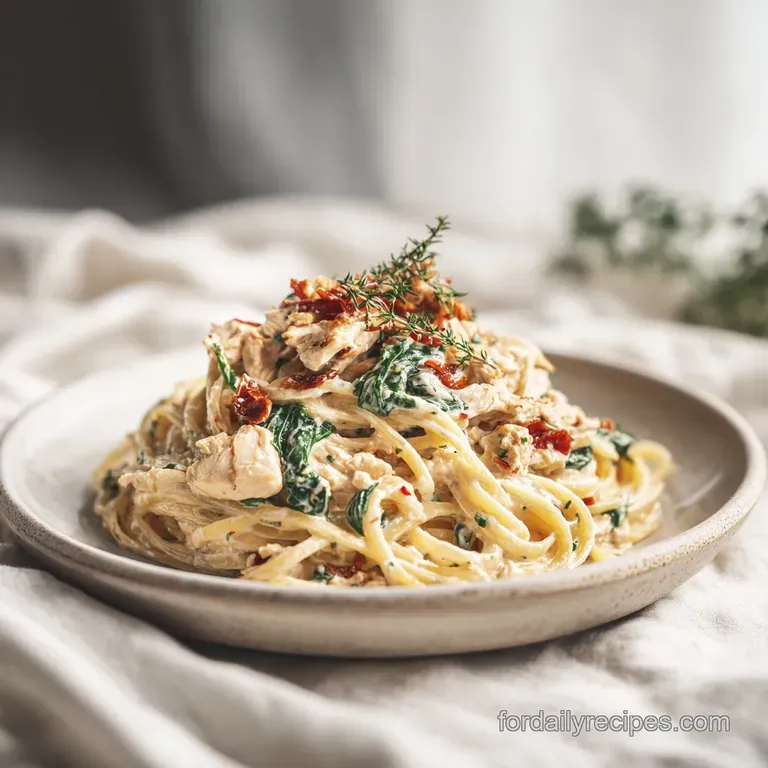
- Time: Active 15 minutes, Passive 10 minutes, Total 25 minutes
- Flavor/Texture Hook: Silky, smoky, and deeply savory
- Perfect for: Sunday family gatherings or cozy heritage dinners
- Discover the Secret to Creamy Chicken Pasta
- Vital Stats for Home Cooks
- Exploring the Science of Ingredients
- Gear Needed for Silky Results
- Master the Step-by-Step Process
- Troubleshooting Your Texture and Sauce
- Swaps and Dietary Variations
- Preservation and Zero Waste Tips
- Plating and Finishing the Dish
- High in Sodium
- Creamy Chicken Pasta FAQs
- 📝 Recipe Card
Discover the Secret to Creamy Chicken Pasta
There is a specific sound that happens in a kitchen when things are going right. It is the rhythmic bubbling of a heavy cream sauce as it thickens, a soft, muffled "pop" that signals the fats and liquids have finally decided to become one.
I remember standing in my grandmother's kitchen, watching her stir a weathered wooden spoon through a skillet of what she called her "heritage noodles." She never used a timer, and she certainly never measured the garlic, yet every plate came out with a consistency that felt like a warm hug.
That memory is what drove me to master this specific Creamy Chicken Pasta. It isn't just about throwing cream into a pan, but about the patience of the sear and the timing of the toss. When the smoked paprika hits the hot olive oil, the kitchen transforms.
The aroma is woody and sweet, a sharp contrast to the mellow, buttery scent of the simmering broth that follows. This is the kind of dish that makes the house feel like a home, filling the air with a fragrance that brings everyone to the table before you even have a chance to call them.
We often think of comfort food as something that takes hours to develop, but this recipe proves that technique can replace time. We are looking for that specific moment where the spinach wilts just enough to remain vibrant green but soft enough to meld into the penne.
We want the chicken to have a golden, crusty exterior that yields to a tender, juicy center. This is the meal I turn to when I want to honor the traditions of the past while making something that fits into our busy lives today.
The Physics of the Emulsion
The secret to a sauce that never breaks lies in the molecular bond between the starchy pasta water and the dairy fats. As the starch molecules swell and burst in the boiling water, they create a natural thickening agent that prevents the heavy cream from separating into an oily mess.
- Starch Suspension: Reserved pasta water acts as a bridge between the water based broth and the fat rich cream.
- Maillard Complexity: Searing the chicken strips at a high temperature creates browned proteins that dissolve into the sauce for deeper savory notes.
- Casein Stability: Using full fat heavy cream provides enough casein protein to maintain a silky structure even when over high heat occurs.
- Aromatic Infusion: Fat soluble compounds in the garlic and paprika bloom in the olive oil, carrying flavor throughout the entire dish.
| Thickness | Internal Temp | Rest Time | Visual Cue |
|---|---|---|---|
| 1 inch strips | 165°F | 3 mins | Centers are opaque |
| 1/2 inch cubes | 165°F | 2 mins | Edges turn golden brown |
| 2 inch breast | 165°F | 5 mins | Juices run completely clear |
Using these precise checkpoints ensures your chicken remains succulent rather than rubbery. If you prefer a different protein base for your evening, my Ground Beef Pasta recipe uses a similar one pan logic with a slightly more rustic finish.
Vital Stats for Home Cooks
When we talk about heritage cooking, we talk about balance. This Creamy Chicken Pasta is designed to be a high protein creamy chicken pasta that feels indulgent without being heavy. The 12 oz of pasta provides a substantial base, but the 1 lb of chicken ensures every forkful has a satisfying bite.
Because we are using heavy cream and chicken broth in a 2 to-1 ratio, the sauce remains light enough to coat the noodles without drowning them.
Accuracy in the kitchen is a form of respect for the ingredients. You will find that the 10 minutes of prep time is mostly spent on the "mise en place" - a fancy way of saying getting your ducks in a row. Slicing the chicken into uniform 1 inch strips is the most critical part of the prep.
If the pieces are uneven, the smaller ones will turn into dry pebbles while the larger ones stay raw. Take your time with the knife, and the stove will reward you with perfection.
Exploring the Science of Ingredients
The soul of this chicken pasta dinner lies in the quality of the components. We aren't just looking for "pasta" and "chicken," we are looking for specific textures that play well together.
The smoked paprika provides a heritage depth that regular paprika simply cannot match, offering a whisper of campfire smoke that cuts through the richness of the dairy.
| Component | Science Role | Pro Secret |
|---|---|---|
| Starchy Water | Primary Emulsifier | Scoop it before draining |
| Heavy Cream | Fat & Volume | Use room temperature only |
| Parmesan | Flavor & Binding | Grate from a block |
| Smoked Paprika | Aromatic Depth | Bloom in oil for 30 seconds |
Choosing the right pasta shape is just as much about physics as it is about preference. Penne or fettuccine are the champions here because they offer significant surface area. Penne has those lovely ridges and a hollow center that acts like a straw for the creamy chicken pasta sauce, while fettuccine provides a wide, flat ribbon for the velvet to cling to.
Essential Ingredients and Substitutes
- Chicken Breast (1 lb): Sliced into 1 inch strips. Why this? Lean protein that absorbs the smoky paprika seasoning beautifully.
- Substitute: Chicken thighs. Same weight but offers a richer, juicier bite.
- Smoked Paprika (1 tsp): Why this? Essential for that time honored, rustic flavor profile.
- Substitute: Liquid smoke (2 drops). Use with regular paprika for similar depth.
- Garlic Powder (1 tsp): Why this? Provides an even coating of flavor on the raw chicken.
- Substitute: Onion powder. Offers a sweeter, more mellow aromatic base.
- Olive Oil (2 tbsp): Why this? High smoke point for searing without burning the spices.
- Substitute: Avocado oil. Neutral flavor and handles high heat excellently.
- Pasta (12 oz): Penne or fettuccine. Why this? These shapes are designed to hold onto thick, velvety sauces.
- Substitute: Rotini. The spirals are excellent at trapping small bits of garlic and spinach.
- Garlic Cloves (4): Minced. Why this? Fresh garlic provides the sharp, aromatic backbone of the sauce.
- Substitute: Garlic paste. Use 2 tsp for a smoother, integrated flavor.
- Heavy Cream (1 cup): Why this? High fat content ensures the sauce stays stable and silky.
- Substitute: Full fat coconut milk. Similar richness with a subtle nutty undertone.
- Chicken Broth (1/2 cup): Why this? Thins the sauce slightly while adding a layer of savory umami.
- Substitute: Vegetable broth. A lighter option that lets the parmesan shine.
- Parmesan (3/4 cup): Freshly grated. Why this? Aged cheese melts cleanly and provides a salty, nutty punch.
- Substitute: Pecorino Romano. Saltier and tangier; use slightly less.
- Fresh Spinach (2 cups): Why this? Adds color, texture, and a boost of nutrients to the finish.
- Substitute: Kale. Remove ribs and sauté 2 minutes longer than spinach.
Chef's Tip: Freeze your block of Parmesan for 10 minutes before grating. It prevents the cheese from clumping and results in a "snow like" texture that melts instantly into the sauce.
Gear Needed for Silky Results
To achieve that specific sizzle and the subsequent velvet simmer, your equipment matters. A heavy bottomed skillet, preferably stainless steel or cast iron, is non negotiable for the chicken. These materials hold heat evenly, which is what gives you that beautiful golden crust.
If you use a thin, cheap pan, the chicken will likely steam in its own juices rather than searing, leaving you with a grey, lackluster result.
You will also need a large pot for the pasta and a sturdy pair of tongs. Tongs are the extension of a cook's hand, allowing you to flip the chicken strips individually and later toss the pasta through the sauce with enough force to encourage emulsification.
Don't forget a liquid measuring cup to snag that half cup of pasta water before you drain the noodles - I have lost count of the times I've accidentally poured that "liquid gold" down the sink in a fit of forgetfulness!
Master the step-by-step Process
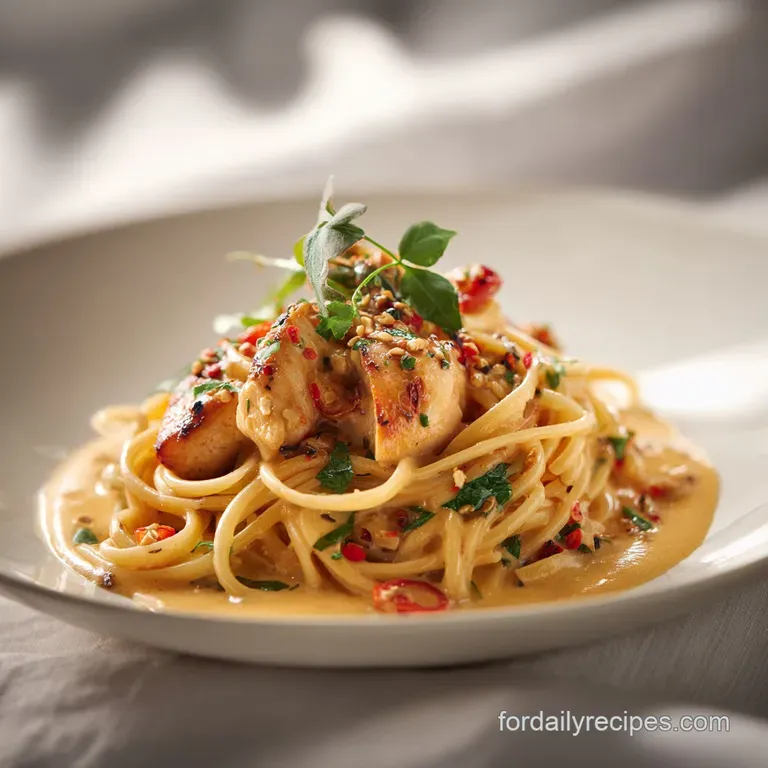
The journey from raw ingredients to a steaming bowl of Creamy Chicken Pasta is one of sensory checkpoints. Pay attention to the way the smells change and the sounds shift as you move through each stage.
- Season the chicken. Toss your 1 inch strips with the smoked paprika and garlic powder until every piece is coated in a brick red dust. Note: Dry spices stick better to room temperature meat.
- Boil the pasta. Cook your 12 oz of penne in salted water until it is just shy of al dente. Wait until the water is bubbling aggressively before adding noodles.
- Sear the protein. Heat the 2 tbsp of olive oil in your skillet over medium high heat. Add the chicken until it sizzles loudly and a golden crust forms (about 3-4 mins per side).
- Reserve the liquid. Before draining your pasta, dip a measuring cup into the pot and save 1/2 cup of the cloudy water. Note: This is your insurance policy for a smooth sauce.
- Sauté the aromatics. Lower the heat to medium and stir in the 4 minced garlic cloves. Cook until the smell is fragrant but the garlic remains pale.
- Build the base. Pour in the 1/2 cup chicken broth to deglaze the pan, scraping up all the browned bits. Add the 1 cup heavy cream and simmer until tiny bubbles form around the edges.
- Incorporate the cheese. Stir in the 3/4 cup Parmesan slowly. Wait until the sauce is glossy and thick enough to coat a spoon.
- Wilt the greens. Add the 2 cups of fresh spinach and the cooked chicken back into the skillet. Fold until the leaves are bright green and soft.
- The final marriage. Toss the pasta into the skillet. Pour in the reserved pasta water 1 tablespoon at a time until the sauce looks velvety and clings to the noodles.
For a southern twist on poultry and noodles that my family adores, you might also enjoy the Chicken Spaghetti recipe. It uses a similar creamy base but leans into the nostalgia of oven baked comfort.
Troubleshooting Your Texture and Sauce
Even the best of us hit a snag sometimes. The most common heartbreak with an easy creamy chicken pasta is the sauce "breaking" - which is when the fat separates from the liquid, leaving you with a grainy, oily mess. Usually, this happens because the heat was too high when the cheese was added.
Fixing a Dry Pasta Texture
If your pasta looks "tight" or dry once you plate it, the noodles have likely absorbed the moisture from the sauce. This is exactly why we save that pasta water. Add a splash of the warm, starchy water and give it a vigorous stir; the starch will re emulsify the fats and bring that silky sheen back to life in seconds.
| Problem | Root Cause | Solution |
|---|---|---|
| Oily Sauce | Heat was too high | Add 1 tbsp cold cream and whisk |
| Rubbery Chicken | Overcooked | Slice thinner and reduce cook time |
| Bland Flavor | Not enough salt | Add a squeeze of lemon or more Parm |
Common Mistakes Checklist
- ✓ Pat chicken completely dry with paper towels before seasoning (ensures a crisp sear).
- ✓ Never rinse your pasta after draining (you need that surface starch for the sauce).
- ✓ Use a block of Parmesan rather than the "green shaker" can (real cheese melts, fillers don't).
- ✓ Let the cream come to room temperature before adding to the hot pan (prevents thermal shock).
- ✓ Add the spinach at the very last second to keep the color vibrant and the texture tender.
Swaps and Dietary Variations
We all have those nights where we realize the fridge is half empty or a friend with dietary needs is coming over. This recipe is surprisingly forgiving if you understand the basic ratios.
If you are looking for a creamy chicken pasta with milk instead of heavy cream, you can use whole milk but you must whisk in 1 teaspoon of cornstarch to the cold milk first to ensure it thickens properly without curdling.
For those watching their macros, a high protein creamy chicken pasta can be achieved by swapping regular penne for a chickpea based or lentil based noodle. These hold up surprisingly well against the rich sauce. If you want to lean into the "bake" side of things, check out my Chicken Parmesan Casserole recipe which offers a similar flavor profile with a crispy breadcrumb topping.
| Method | Time | Texture | Best For |
|---|---|---|---|
| Stovetop | 25 min | Silky & fluid | Immediate serving |
| Skillet | 30 min | Crispy chicken | Deep savory flavor |
| Bake | 45 min | Bubbly & set | Large family crowds |
To scale this recipe down for two people, simply halve everything and use a smaller 8 inch skillet. If you are doubling it for a party, work in two batches for the chicken. If you crowd the pan with 2 lbs of chicken at once, the temperature will drop, the meat will release water, and you will lose that beautiful golden sear.
Preservation and Zero Waste Tips
In my house, we believe in the "second life" of ingredients. If you have leftovers, this quick creamy chicken pasta keeps well in the fridge for up to 3 days. However, cream sauces naturally thicken as they cool. When reheating, add a tablespoon of water or milk to loosen the sauce back to its original velvety state.
- Storage: Keep in an airtight glass container to prevent the cream from absorbing fridge odors.
- Freezing: While you can freeze this, dairy heavy sauces can sometimes change texture upon thawing. If you must, freeze for no more than 1 month and thaw in the fridge overnight.
- Zero Waste: Don't toss those spinach stems! Finely chop them and sauté them right along with the garlic for extra fiber and a nice little crunch. If you have leftover parmesan rinds, throw them into your next batch of chicken broth for a massive umami boost.
Plating and Finishing the Dish
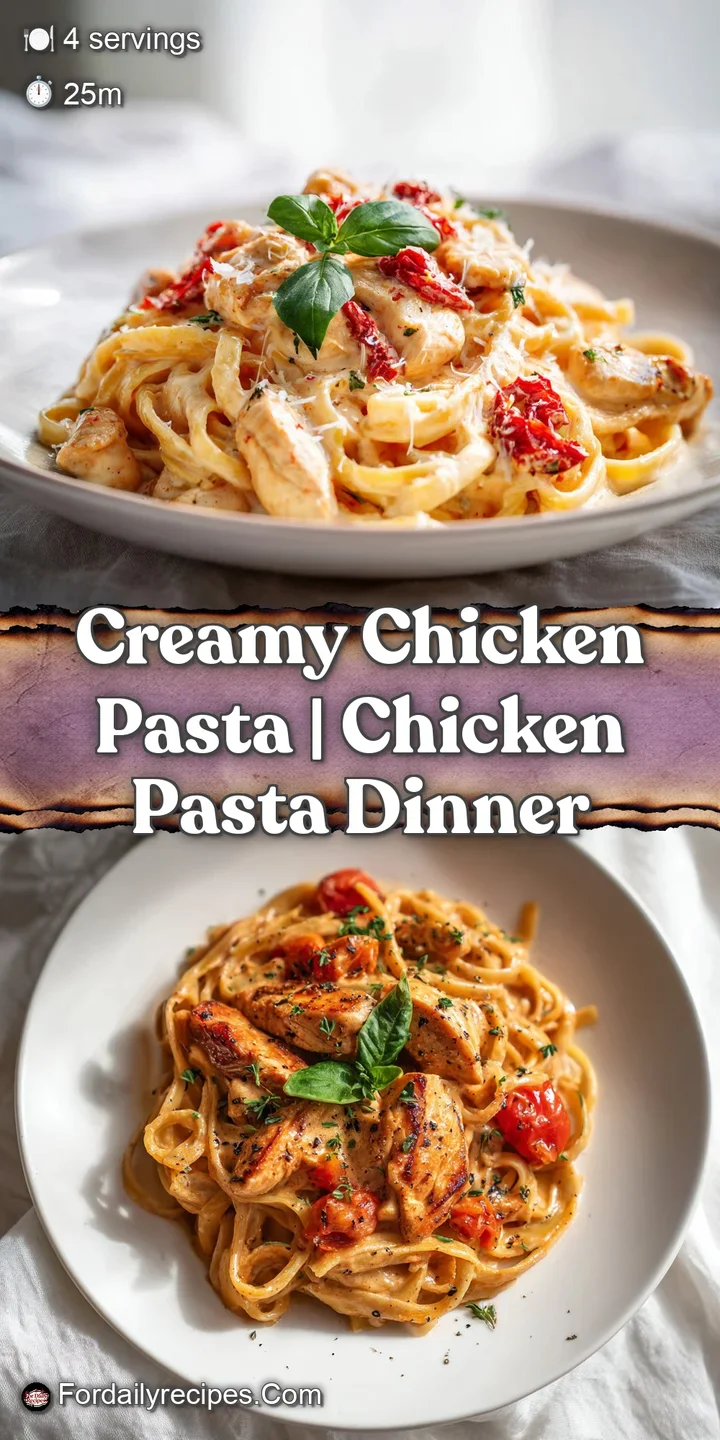
Presentation is the final act of love in cooking. To give this dish a restaurant quality finish, don't just dump it into a bowl. Use your tongs to swirl the pasta into a high mound in the center of the plate. This creates verticality and makes the portion look elegant.
Scatter a few fresh basil leaves or a crack of fresh black pepper over the top right before serving. The heat from the pasta will release the oils in the pepper, giving you one last aromatic hit as the plate hits the table.
There is a myth that you should put oil in your pasta water to keep it from sticking, but please, don't do it! The oil will coat the noodles and prevent this gorgeous, smoky, creamy chicken pasta sauce from sticking to the pasta. Let the starch do its job, and the sauce will do the rest.
Serve this with a side of warm heritage biscuits or a simple green salad to balance the richness. It is a meal that feels like a celebration of the everyday, a reminder that the best things in life are often found right in our own kitchens, bubbling away in a well loved skillet.
High in Sodium
875 mg mg of sodium per serving (38% % of daily value)
The American Heart Association recommends limiting sodium intake to about 2,300mg per day for overall cardiovascular health.
Tips to Reduce Sodium in This Pasta Recipe
-
Low-Sodium Broth-30%
Replace regular chicken broth with a low-sodium or no-salt added version. This can significantly reduce the sodium content of the sauce.
-
Reduce Parmesan-15%
Use less Parmesan cheese, or substitute with a lower sodium cheese like part skim mozzarella or ricotta. These cheeses have less sodium than Parmesan, reducing the total sodium in the dish.
-
Skip the Salt-15%
Omit added salt from the recipe. The Parmesan cheese and broth already contribute sodium, so adding more salt may be unnecessary. Taste the dish before adding any salt. It may not be needed!
-
Fresh Herbs
Enhance the flavor with fresh herbs such as basil, oregano, or thyme. Herbs add flavor without increasing sodium content and complement the other ingredients.
Creamy Chicken Pasta FAQs
How to make a nice creamy chicken pasta?
Sear the chicken, then build the sauce in the same pan. Season chicken strips well, sear them in hot oil until golden, remove, and then sauté garlic before adding broth and heavy cream. Reserve starchy pasta water; it’s the key emulsifier that binds the sauce.
Why is it called "marry me chicken pasta?"
Yes, the name comes from its overwhelming deliciousness. It implies the dish is so good, it could convince someone to marry you, mirroring the sentiment of the viral "Marry Me Chicken" dish.
Why do Italians say no chicken with pasta?
No, this is generally true for traditional Italian cooking, but this recipe is an American adaptation. In Italy, meat is typically served as a separate course (secondo) after the pasta (primo) is finished, not mixed together.
How to make a creamy chicken sauce that won't break or separate?
Use reserved starchy pasta water to stabilize the emulsion. Slowly incorporate the hot, starchy liquid into your cream and fat base while whisking gently over low heat. This creates a stable bridge between the water and dairy fats, preventing oil separation.
What is the best method for searing chicken for this recipe?
Sear the chicken strips in batches over medium high heat until golden brown. Ensure the pan is hot before adding the meat so the Maillard reaction occurs quickly, developing flavor before the meat overcooks.
Can I use milk instead of heavy cream for a lighter sauce?
No, stick with heavy cream for the best texture without complication. Milk has a much lower fat content and will likely curdle or thin out significantly when combined with cheese. If you must lighten it, try substituting half the cream with the pasta water technique discussed in our Garlic Parmesan Sauce recipe.
How long should the pasta cook before tossing it into the finished sauce?
Cook the pasta one to two minutes less than the package directs for al dente. The noodles will finish cooking and absorb the final moisture and flavor while tossing in the hot sauce, preventing them from becoming mushy.
Creamy Chicken Pasta In 25 Min
Ingredients:
Instructions:
Nutrition Facts:
| Calories | 844 kcal |
|---|---|
| Protein | 52.6 g |
| Fat | 37.1 g |
| Carbs | 68.2 g |
| Fiber | 3.1 g |
| Sugar | 2.8 g |
| Sodium | 875 mg |
