Cinnamon Roll Layer Cake: Velvety and Spiced
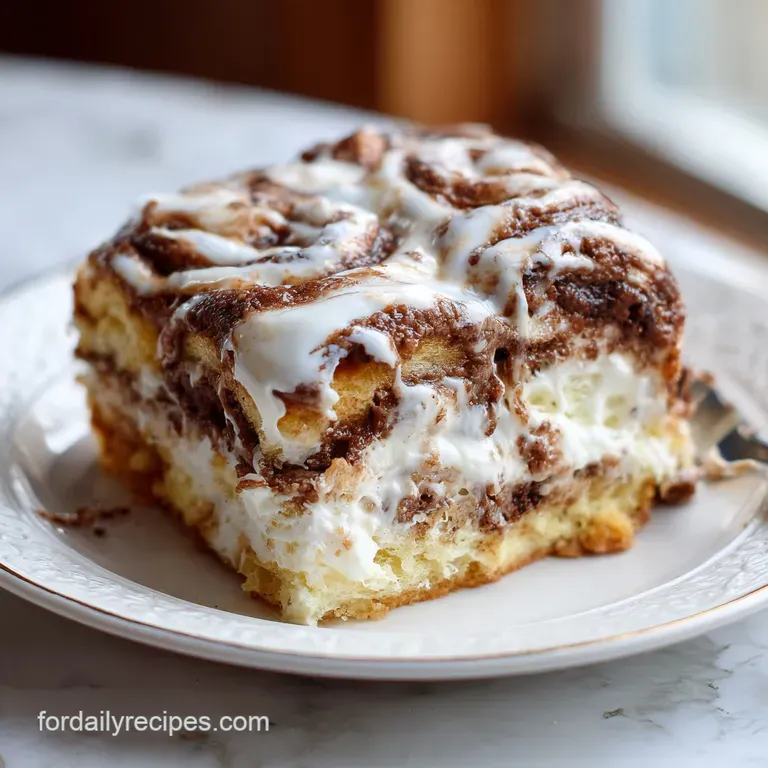
- Time: Active 25 minutes, Passive 35 minutes, Total 60 minutes
- Flavor/Texture Hook: Spiced Saigon cinnamon swirl against tangy, cloud like cream cheese
- Perfect for: Milestone celebrations or an extraordinary weekend brunch centerpiece
- Experience Our Cinnamon Roll Layer Cake
- Key Techniques Explained
- Recipe Specification Data
- Complete Ingredient Breakdown
- Essential Baking Equipment
- Detailed Preparation Steps
- Common Troubleshooting Fixes
- Creative Recipe Variations
- Proper Storage Secrets
- Serving and Presentation
- Recipe FAQs
- 📝 Recipe Card
Experience Our Cinnamon Roll Layer Cake
Have you ever noticed how the aroma of warming cinnamon seems to physically pull people toward the kitchen? It is a scent that transcends borders, evoking memories of Nordic bakeries and American shopping malls alike.
I remember the first time I tried to turn a classic bun into a towering dessert; I mistakenly thought I could just throw cinnamon into a basic yellow cake mix. The result was a muddy, one note disaster that lacked the distinct "swirl" that makes the original pastry so iconic.
That failure sent me down a rabbit hole of spice ratios and crumb structures to find something truly extraordinary.
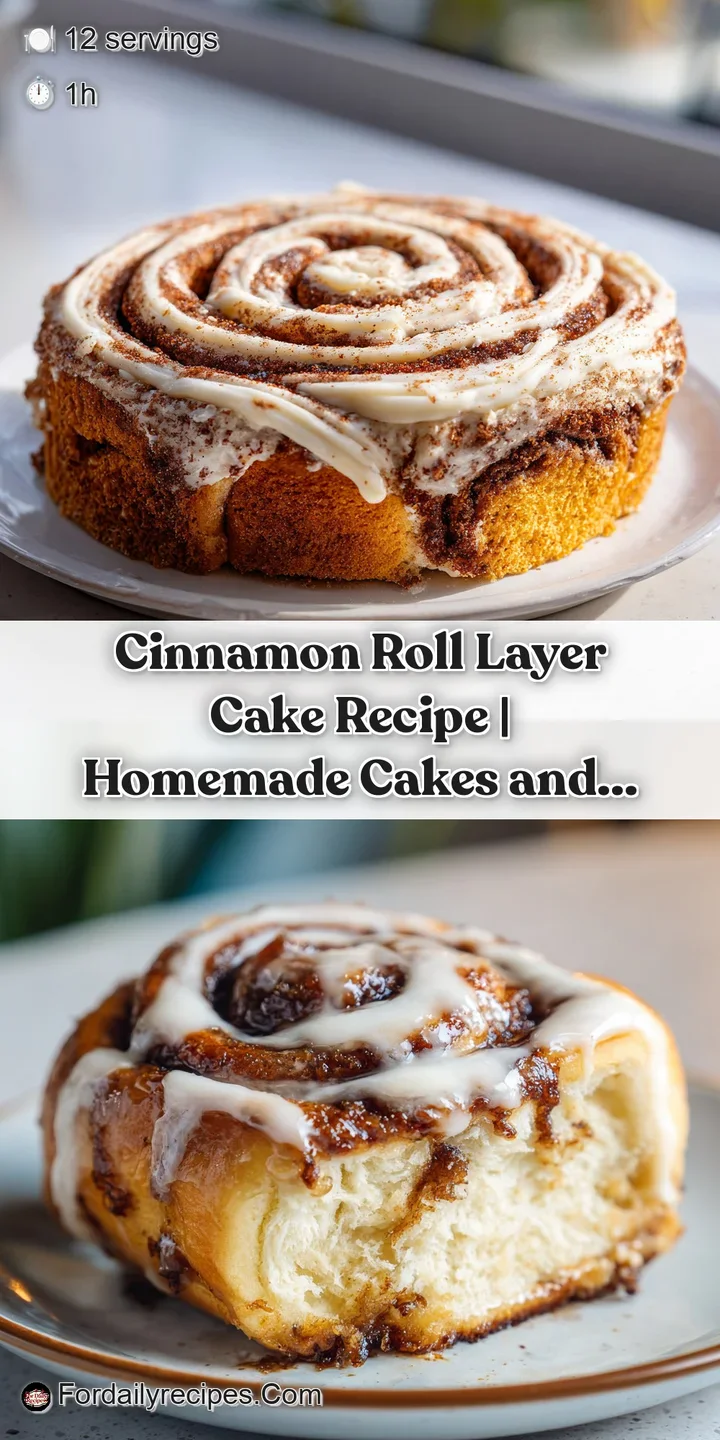
What we are crafting here is not just a cake with spice; it is a structural homage to the cinnamon roll. We want that specific contrast between the buttery, almost gritty cinnamon sugar and the soft, pillowy crumb. To get there, we have to look at the cake not as a single batter, but as a dual component architecture.
The magic happens when the heat of the oven hits that thick cinnamon paste, causing it to bubble and caramelize into the surrounding sponge, creating pockets of intense flavor that stay moist for days.
This journey into the world of layered spices will change how you view "basic" baking. We are going to use a technique called reverse creaming, which sounds intimidating but is actually the secret to that professional, velvety texture you find in high end bakeries.
By the time we frost this with a thick, tangy cream cheese icing, you'll have a dessert that feels like a warm hug but looks like a masterpiece. It's a weekend project that rewards your patience with every spiced, buttery bite.
Key Techniques Explained
The architectural integrity of this bake relies on how we handle the fats and proteins. Most cakes start by beating butter and sugar until fluffy, trapping air for a light, airy rise.
However, for a cinnamon roll layer cake, we want a tighter, more "bready" crumb that can support the weight of the heavy cinnamon swirl without collapsing or becoming soggy.
- Fat Coating: By mixing the butter directly into the flour first, we coat the gluten forming proteins in fat, which limits gluten development and ensures a tender, melt in-your mouth texture.
- Swirl Suspension: Adding a small amount of flour to the cinnamon and brown sugar paste gives it enough body to stay suspended in the batter rather than sinking to the bottom of the pan.
- Acidity Activation: The buttermilk provides a subtle tang that cuts through the sugar while its acid reacts with the baking powder to create a consistent, fine pored rise.
- Cold Cream Cheese: Starting with slightly chilled cream cheese for the frosting prevents the fats from breaking, resulting in a stable, pipeable texture that won't slide off the cake.
| Method | Total Time | Final Texture | Best For |
|---|---|---|---|
| Traditional Oven | 60 minutes | Fluffy, even crumb with caramelized edges | High tier celebrations |
| Stovetop (Water Bath) | 85 minutes | Denser, more pudding like consistency | Small kitchens without ovens |
| Air Fryer (Small Batch) | 45 minutes | Crispy exterior, very soft center | Quick cravings for two |
Using the oven remains the gold standard for this specific recipe because the dry heat allows the cinnamon swirl to develop those tiny, "shatter crisp" edges where it touches the side of the pan.
The stovetop method, while possible in a covered Dutch oven with a rack, often results in a steamed texture that loses the iconic caramelized sugar notes we are looking for. Trust the oven to provide the necessary environment for the Maillard reaction to occur on the cake's surface.
Why reverse creaming matters
When we reverse cream, we are essentially making a "sandy" mixture of flour and butter. This prevents the flour from absorbing too much liquid too quickly. Since gluten only develops when flour meets water and is agitated, the fat barrier we create keeps the cake ethereal and soft.
You'll notice the batter looks more like a thick paste than a liquid, which is exactly what we need to hold the swirl.
Recipe Specification Data
Precision is your best friend when dealing with 375g of flour and varying temperatures. Baking is a game of thermodynamics, and this cake is no exception. We are aiming for a internal temperature of approximately 98°C (208°F) to ensure the center is fully set without drying out the edges.
| Thickness | Internal Temp | Rest Time | Visual Cue |
|---|---|---|---|
| 1.5 inch layer | 98°C (208°F) | 15 minutes | Sides pull away slightly |
| 2 inch layer | 99°C (210°F) | 20 minutes | Center springs back firmly |
| Bundt Version | 100°C (212°F) | 30 minutes | Deep golden brown crust |
The buttermilk must be at room temperature. If it is too cold, it will cause the 225g of softened butter to seize up into tiny chunks, ruining the emulsification we worked so hard to build during the reverse creaming stage. Think of the batter as a delicate suspension that needs a temperate environment to stay stable.
Complete Ingredient Breakdown
Selecting high-quality spices is the difference between a "good" cake and one that people talk about for weeks. I always reach for Saigon cinnamon because it has a higher essential oil content than the standard cassia variety.
This translates to a more intense, woody heat that doesn't get lost when baked alongside 300g of granulated sugar.
| Component | Science Role | Pro Secret |
|---|---|---|
| Buttermilk | Denatures proteins for tenderness | Use full fat for better mouthfeel |
| Cinnamon | Provides aromatic volatility | Toast slightly before mixing into paste |
| Cream Cheese | Adds lactic acidity to balance sugar | Ensure it is full fat block style |
| Vanilla Bean Paste | Adds depth and visual speckles | Always use paste over extract here |
For the dry base, you'll need 375g of all purpose flour. This provides the protein structure necessary for the layers. Why this? AP flour has the mid range protein (10-11%) needed for structure and softness.
We use 225g of unsalted butter for the batter, which must be cubed and softened. Why this? Softened butter integrates into the flour particles more evenly than melted fat.
The swirl requires 150g of light brown sugar. Why this? The molasses content adds moisture and a deep caramel flavor profile.
What makes the swirl authentic?
The swirl isn't just cinnamon and sugar; it is an emulsion of 115g of very soft butter and 2 tablespoons of flour. Without that flour, the sugar would simply melt and disappear into the batter, leaving you with a brown tinted cake rather than distinct, gooey ribbons.
This "paste" method is a trick I learned from a professional pastry chef friend, and it's the only way to get that authentic bun like interior.
Essential Baking Equipment
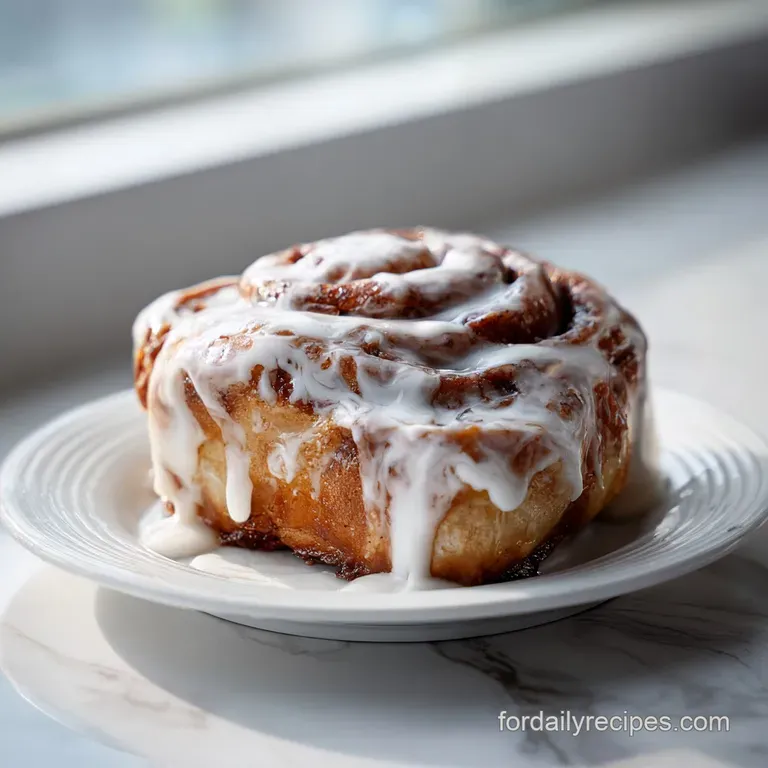
You don't need a professional kitchen, but a stand mixer is highly recommended for the reverse creaming method. It allows you to add the 225g of butter piece by piece while maintaining a consistent low speed, which is difficult to achieve by hand without overworking the dough.
- Stand Mixer: Use the paddle attachment to incorporate the butter into the dry ingredients.
- 8 inch Cake Pans: Two of these will give you the perfect height for a dramatic layer cake.
- Parchment Paper: Essential for ensuring the sticky cinnamon layers don't cling to the pan.
- Offset Spatula: This makes spreading the 450g of cream cheese frosting much smoother.
- Kitchen Scale: Measuring 375g of flour by weight is far more accurate than by volume.
If you don't have a stand mixer, a hand mixer will work, but you must be patient. When adding the eggs and buttermilk to the sandy flour mixture, beat for exactly 90 seconds. This specific timing is not a suggestion; it's the moment where the air bubbles are small enough to be stable but the gluten hasn't become tough. If you are looking for a different breakfast inspired bake, you might also enjoy my Cinnamon Roll French Toast for your next brunch.
Detailed Preparation Steps
- Preheat your oven to 180°C (350°F). Grease two 8 inch round cake pans and line the bottoms with parchment paper. This prevents the caramelized sugar in the swirl from sticking.
- In your stand mixer bowl, combine 375g all purpose flour, 300g granulated sugar, 1 tablespoon baking powder, and 0.5 teaspoon salt. Turn the mixer to the lowest speed until the dry ingredients are fully blended.
- Add 225g of softened, cubed butter one piece at a time while the mixer runs on low. Continue mixing until the texture looks like wet, coarse sand.
- In a separate jug, whisk together 240ml room temperature buttermilk, 3 large eggs, and 2 teaspoons vanilla bean paste. Pour this slowly into the mixer. Beat on medium speed for exactly 90 seconds until the batter is pale and voluminous.
- Prepare the swirl by mashing 115g very soft butter, 150g light brown sugar, 2 tablespoons flour, and 1.5 tablespoons ground cinnamon with a fork. Mix until a thick, uniform paste forms.
- Divide half of the cake batter between the two prepared pans. Drop small dollops of half the cinnamon paste over the batter and use a butter knife to swirl them in. Note: Don't over swirl or the colors will just muddy together.
- Top with the remaining batter and the rest of the cinnamon paste. Swirl the top layer gently. Bake for 35 minutes until a skewer comes out clean and the aroma fills the room.
- While the cakes cool, beat 450g chilled cream cheese and 115g room temperature butter together. Gradually add 500g powdered sugar, 1 tablespoon heavy cream, and a pinch of sea salt. Whip until the frosting is silky and cloud like.
- Once the cakes are completely cold, place one layer on a stand. Spread a thick layer of frosting, top with the second cake, and cover the top and sides generously.
- Let the cake set for at least 30 minutes before slicing until the frosting is firm and the layers are stable.
How to achieve the perfect layered look?
When you are swirling the cinnamon paste, think of the motion as a "figure eight." You want to pull the batter up and over the paste to trap it inside. If the paste is too cold, it won't swirl; if it's too melted, it will run.
The "very soft" butter consistency is the key to those beautiful, defined ribbons you see in a professional cinnamon roll layer cake.
Common Troubleshooting Fixes
One of the biggest issues bakers face is the "sinking swirl." If your cinnamon paste is too heavy or your batter is too thin, the delicious cinnamon center will end up at the bottom of the pan, potentially burning against the metal.
This is why we add that extra 2 tablespoons of flour to the swirl mixture it acts as a stabilizer.
Why is my cinnamon layer gritty?
If you notice a crunchy, gritty texture that isn't pleasant, it's likely the brown sugar didn't have enough moisture to dissolve. This happens if the 115g of butter used for the swirl was too cold.
The butter needs to be soft enough to almost be a liquid, allowing the sugar crystals to begin breaking down before they even hit the oven's heat.
| Problem | Root Cause | Solution |
|---|---|---|
| Cake is dry/crumbly | Overbaked or too much flour | Check temp at 30 mins; use a scale |
| Swirl all at bottom | Batter was too thin | Beat batter for full 90 seconds |
| Frosting is runny | Cream cheese was too warm | Chill frosting for 20 mins before use |
Why did my cake layers sink?
A sunken middle usually points to one of two things: underbaking or opening the oven door too early. When you open the door, the temperature drops, and the delicate air bubbles haven't set their structure yet. Always wait until the 30 minute mark before checking with a skewer.
Also, ensure your baking powder is fresh; if it's over six months old, it might not provide the lift needed to support the heavy cinnamon swirl.
- ✓ Always use room temperature eggs to ensure proper emulsification.
- ✓ Pat the butter dry if it has any surface moisture before cubing.
- ✓ Don't skip the parchment paper; the sugar in the swirl will stick.
- ✓ Let the cake cool in the pan for 15 minutes before flipping.
- ✓ Sift your powdered sugar to avoid tiny white lumps in the dark cinnamon.
Creative Recipe Variations
While the classic version is hard to beat, this cake is a fantastic canvas for global flavor experiments. I once added a teaspoon of ground cardamom to the swirl, which moved the flavor profile toward a Swedish "Kardemummabullar" style.
The floral notes of the cardamom play beautifully against the rich, lactic tang of the cream cheese.
- The Nutty Crunch: Add 100g of toasted, finely chopped pecans to the cinnamon swirl for a "sticky bun" texture.
- The Boozy Twist: Replace the heavy cream in the frosting with a dark spiced rum for a more adult, complex finish.
- The Fruit Fusion: Swirl in 2 tablespoons of apple butter along with the cinnamon paste for an autumnal version.
If you are looking for something with a bit more of a "cheesecake" vibe, you should definitely check out my Churro Cheesecake which uses similar cinnamon sugar mechanics but with a much denser, creamier base. For those who want the flavor without the stacking, making a Honey Bun Cake is a great way to feed a larger crowd with less assembly time.
Proper Storage Secrets
Because of the high moisture content from the buttermilk and the 450g of cream cheese in the frosting, this cake needs to be handled with care. If left on the counter in a warm kitchen, the frosting will lose its structural integrity and the cake may spoil faster than a standard sponge.
Storage: Keep the cake in an airtight container in the fridge for up to 5 days. The cold actually helps the cinnamon flavors deepen and meld. For the best eating experience, let a slice sit at room temperature for 20 minutes before consuming so the butter in the sponge can soften back up.
Zero Waste: If you have leftover scraps or a layer that broke, don't toss them! Crumble the cake into a bowl, mix with a little leftover frosting, and roll them into "Cinnamon Roll Cake Pops." You can dip them in white chocolate for a second, completely different dessert.
Alternatively, dried out slices make an incredible base for a decadent bread pudding.
Freezing: You can freeze individual slices wrapped tightly in plastic wrap and then foil for up to 3 months. To reheat, thaw in the fridge overnight. Avoid microwaving the frosted cake, as the cream cheese will melt into a puddle; instead, eat it slightly chilled or at room temperature.
Serving and Presentation
When it comes to serving this cinnamon roll layer cake, the temperature is everything. If the cake is too cold, the 225g of butter in the sponge stays firm, making the cake feel dry. If it's too warm, the cream cheese frosting becomes messy. The "sweet spot" is usually about 18-20°C.
This allows the crumb to feel velvety while the frosting stays stable.
| Serving Size | Ingredient Adjustments | Pan Size | Cook Time |
|---|---|---|---|
| 6 People | Half all ingredients; use 1 egg + 1 yolk | One 8 inch pan | 30 minutes |
| 12 People | Use original recipe quantities | Two 8 inch pans | 35 minutes |
| 24 People | Double all ingredients (spices 1.5x) | Four 8 inch pans | 40 minutes |
To get those clean, professional looking slices, use a thin knife dipped in hot water and wiped dry between every single cut. This prevents the dark cinnamon swirl from smearing into the white cream cheese frosting, keeping the contrast sharp and beautiful.
For a final touch of drama, you can drizzle a little extra melted cinnamon butter over the top of each slice right before serving.
What sets this recipe apart
The true beauty of this bake lies in the contrast. We have the "shatter" of the caramelized sugar, the "velvety" crumb of the reverse creamed sponge, and the "silky" tang of the frosting. It is a multi sensory experience that goes beyond a standard sugar rush.
Whether you are baking this for a birthday or just because it's a rainy Tuesday, it is a recipe that turns a simple kitchen task into an extraordinary event. Enjoy the process, breathe in that cinnamon laden air, and prepare for everyone to ask for the recipe.
Recipe FAQs
How to ensure the cinnamon paste swirls properly without disappearing into the batter?
Use a knife to cut through the batter in a figure eight motion. Only swirl a few times to keep the paste in distinct, marbled pockets rather than mixing it completely into the sponge.
Is it true I can use a standard creaming method for this recipe?
No, this is a common misconception. This recipe specifically utilizes a reverse creaming method to achieve its signature velvety, tight crumb; if you mastered this technique, you can apply similar logic to our lemon ricotta poundcake for a denser, tender structure.
How to tell when the cake layers are fully baked?
Insert a skewer into the center of the cake. It should come out clean, though you might see a slight trace of the cinnamon paste, which is perfectly normal.
Can I store the frosted cake in the refrigerator?
Yes, keep it chilled due to the high cream cheese content in the frosting. Bring the cake to room temperature for about 30 minutes before serving to ensure the butter and cream cheese components soften for the best texture.
How to prevent the cake from drying out if I make it in advance?
Wrap the cooled, unfrosted layers tightly in plastic wrap. You can store these at room temperature for a day or freeze them for up to one month to maintain moisture.
Is it necessary to use Saigon cinnamon specifically?
Yes, for the most intense flavor profile. Saigon cinnamon is naturally sweeter and more pungent than other varieties, which is essential for cutting through the richness of the butter and sugar in the swirl.
How to achieve a smooth frosting finish?
Beat the cream cheese and butter until completely smooth before adding any sugar. Ensure the butter is at room temperature and the cream cheese is slightly chilled so the frosting remains firm enough to pipe or spread without drooping.
Cinnamon Roll Layer Cake
Ingredients:
Instructions:
Nutrition Facts:
| Calories | 855 kcal |
|---|---|
| Protein | 7.7 g |
| Fat | 45.4 g |
| Carbs | 106.4 g |
| Fiber | 1.4 g |
| Sugar | 82.1 g |
| Sodium | 333 mg |
