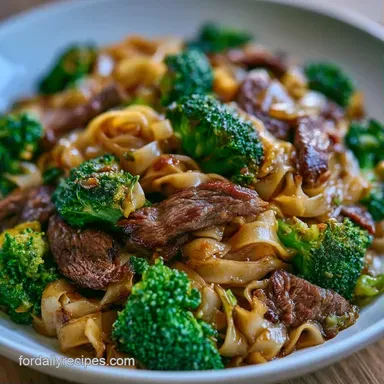
Beef Pad See Ew in 20 Minutes
- Time: 10 min prep + 10 min cook
- Flavor/Texture Hook: Charred, chewy noodles with a savory sweet glaze
- Perfect for: A fast weeknight dinner that tastes like takeout
- The Key To Better Beef Pad See Ew
- What These Ingredients Do
- The Necessary Ingredients
- Essential Tools For The Job
- From Prep to Plate
- Common Mistakes & Troubleshooting
- Variations & Substitutions
- Scaling Your Portions
- Common Stir Fry Myths
- Storage Guidelines
- Presentation Tips
- Recipe FAQs
- 📝 Recipe Card
The scent of toasted garlic and caramelized soy sauce hitting a hot wok is something you can smell from the other side of the house. It's that specific, smoky aroma that tells you dinner is actually going to be good.
For me, this dish always brings back memories of those rainy nights in Bangkok where the street food stalls are the only thing keeping the city warm.
The real hero here is the Chinese broccoli, or Gai Lan. If you swap this for regular broccoli or kale, you lose that specific bitter snap that cuts through the rich, salty sauce. It provides a structural contrast to the wide rice noodles, making sure the dish doesn't just feel like a pile of salty carbs.
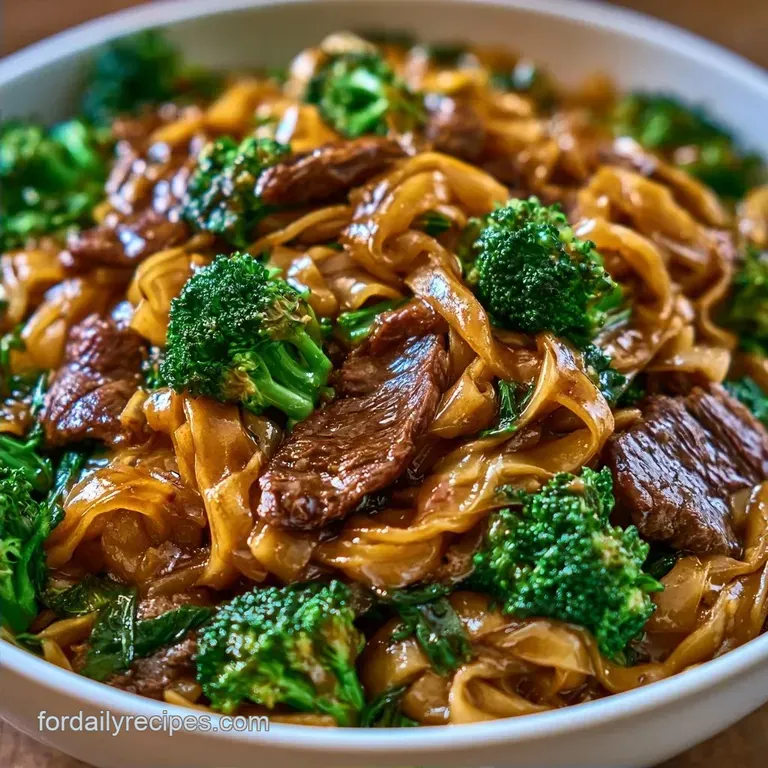
You can expect a plate of wide, mahogany colored noodles with tender strips of beef and vibrant greens. Making Beef Pad See Ew at home is less about following a strict recipe and more about managing the heat of your pan. We're going for a slight char, not a steamed mess.
The Key To Better Beef Pad See Ew
High Heat: Using a wok or cast iron ensures the noodles sear instead of boiling in their own moisture.
Noodle Texture: Wide rice noodles need a gentle touch so they don't tear into mush while you stir fry.
Dark Soy Sauce: This provides the deep brown color and a molasses like sweetness that light soy can't match.
| Method | Cook Time | Texture | Best For |
|---|---|---|---|
| Stovetop (Wok) | 10 mins | Charred & smoky | Authentic taste |
| Oven (Sheet Pan) | 25 mins | Soft & roasted | Hands off cooking |
What These Ingredients Do
| Ingredient | What It Does | Best Swap |
|---|---|---|
| Dark Soy Sauce | Adds deep color and sweetness | Extra dark soy or a pinch of brown sugar added to light soy |
| Chinese Broccoli | Adds bitter snap and crunch | Broccolini or Gai Lan |
| Cornstarch | Velvets the beef for tenderness | Potato starch |
| Rice Noodles | Provides the chewy, wide base | Thick rice sticks (soaked) |
The Necessary Ingredients
For the Beef & Marinade
- 1/2 lb sirloin or flank steak, thinly sliced against the grainWhy this? Lean but flavorful cuts sear quickly without getting chewy
- 1 tbsp soy sauce
- 1 tsp cornstarchWhy this? Creates a protective barrier for the meat
- 1 tsp vegetable oil
For the Signature Sauce
- 2 tbsp oyster sauce
- 1 tbsp dark soy sauceWhy this? Necessary for that mahogany color
- 1 tbsp light soy sauce
- 1 tbsp brown sugar
- 1 tsp white vinegar
For the Stir Fry
- 1 lb wide flat rice noodlesWhy this? Traditional wide shape holds the sauce
- 2 cups Chinese broccoli (Gai Lan), chopped into 2 inch pieces
- 3 cloves garlic, minced
- 2 tbsp neutral oil
- 1 large egg, lightly beaten
Since the sauce relies on a balance of salty and sweet, you might find it similar to the flavor profile in my Broccoli Pasta recipe, though this one is much more savory.
Essential Tools For The Job
You need a wok or a large cast iron skillet. A non stick pan often can't handle the high heat required to get those charred edges on the noodles. You'll also want a wide spatula for folding the noodles without breaking them.
A small whisk or fork is handy for mixing the sauce beforehand. Since this dish moves fast, having everything in bowls ready to go is the only way to avoid burning the garlic.
From Prep to Plate
1. The Setup (Prep Phase)
Whisk together the oyster sauce, dark soy sauce, light soy sauce, brown sugar, and white vinegar in a small bowl. In a separate bowl, toss the sliced beef with soy sauce, cornstarch, and 1 tsp of vegetable oil. Let this sit for a few minutes while you get your noodles ready.
Ensure your rice noodles are separated. If you're using dried noodles, soak them in warm water until they are pliable but still have a bite. If they get too mushy now, they'll definitely fall apart in the pan.
2. The over High heat Sear (Cooking Phase)
Heat 1 tbsp of neutral oil in your wok or cast iron over high heat. Wait until the oil is shimmering and just about to smoke.
Add the beef in a single layer. Leave it undisturbed for 1 minute. Listen for a loud, aggressive sizzle and wait until the beef browns on the bottom. Toss quickly to finish cooking and remove the beef from the pan immediately so it stays tender.
Add the remaining oil to the pan. Sauté the minced garlic for 30 seconds. Smell for that pungent, toasted aroma before adding the Chinese broccoli. Stir fry the greens until they turn a vibrant, deep green.
3. The Caramelization (Finishing Phase)
Push the vegetables to the side of the pan. Pour in the beaten egg and scramble it quickly until just set.
Add the rice noodles to the pan and pour the prepared sauce directly over them. Use a folding motion with your spatula. Do not stir aggressively. Cook for 2-3 minutes until the noodles are mahogany colored and you see small charred spots.
Fold the cooked beef back into the noodles. Toss one last time to coat everything in the glossy sauce and serve immediately.
Chef's Note: If you have a home wok, try to get the pan screaming hot. The goal is "wok hei" or the breath of the wok, which happens when the sauce caramelizes almost instantly upon contact with the metal.
Common Mistakes & Troubleshooting
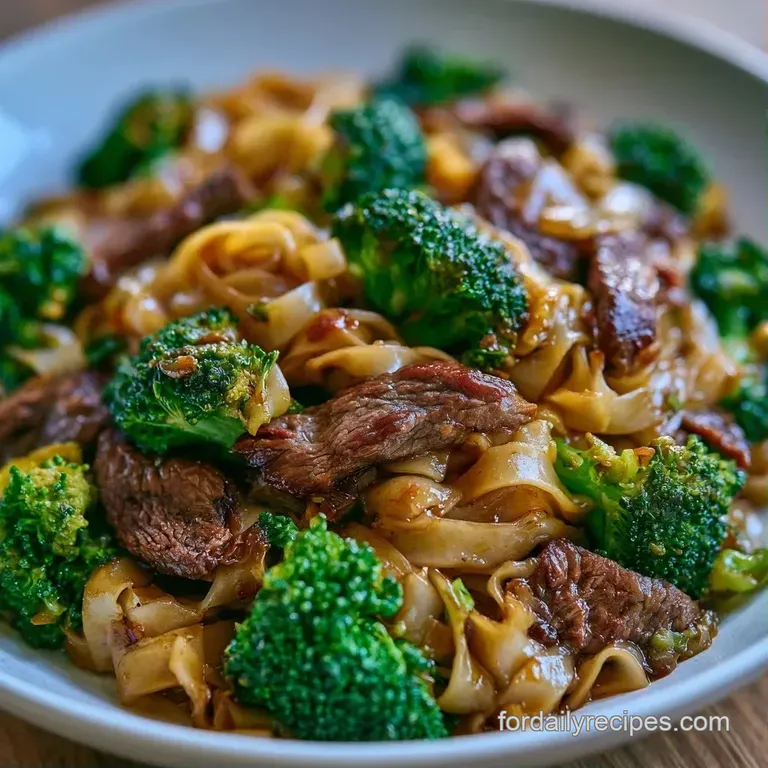
Many people struggle with the texture of Beef Pad See Ew, often ending up with a wet pile of noodles or tough meat. The most common culprit is overcrowding the pan. If you put too much in at once, the temperature drops and the food steams instead of searing.
| Issue | Solution |
|---|---|
| Why Your Noodles Are Breaking | If your noodles are tearing, you're likely stirring too much. Rice noodles are delicate. Use a wide spatula and gently fold them rather than stirring. |
| Why The Beef Is Tough | Tough beef usually comes from two things: cutting with the grain or overcooking. Always slice against the grain. The cornstarch marinade also helps keep the meat tender by locking in moisture. |
| Why The Dish Is Too Wet | A wet stir fry happens when the heat is too low or the noodles were too damp before hitting the pan. Ensure your pan is shimmering with oil and your noodles are drained well. |
Variations & Substitutions
If you can't find Gai Lan, broccolini is a decent substitute, though it's slightly sweeter. You can also add sliced carrots or snap peas for more color.
| Original Ingredient | Substitute | Why It Works |
|---|---|---|
| Sirloin/Flank | Chicken Breast | Lean protein, though needs shorter cooking time |
| Chinese Broccoli | Kale | Hearty green, though lacks the same stem crunch |
| Brown Sugar | Honey | Similar sweetness, but makes the sauce stickier |
| Wide Rice Noodles | Flat Rice Sticks | Similar texture, just ensure they are soaked correctly |
For those who want a different protein, shrimp works beautifully in this recipe. Just sear them first and remove them before starting the vegetables to avoid overcooking. If you're looking for something more hearty, you could try pairing this with a side of Homemade Baked Beans for a fusion style feast.
Scaling Your Portions
Scaling Down (1 Serving): Use a smaller skillet to keep the heat concentrated. Reduce the oil by half and use 1 egg, but only pour in half of the beaten egg. The cooking time will be about 20% faster, so stay alert.
Scaling Up (4 Servings): Do not try to cook this in one go. Your pan will cool down, and the noodles will turn into a gummy mass. Work in batches. Sear all the beef first and set it aside, then cook the vegetables and noodles in two separate rounds.
Keep the salt and spices to 1.5x instead of 2x, as the flavors concentrate more in larger batches.
Common Stir Fry Myths
Some people believe you need a commercial grade wok burner to get a good char. While those are great, a heavy cast iron skillet can reach similar temperatures and provide a great sear for Beef Pad See Ew.
Another myth is that you should marinate the beef for hours. For stir fry, a short 10-15 minute marinade with cornstarch is more effective for tenderness than a long soak in acidic ingredients, which can actually break down the meat too much.
Storage Guidelines
Fridge: Store leftovers in an airtight container for up to 3 days. The noodles will absorb some of the sauce, so they might seem drier when cold.
Freezer: I don't recommend freezing this dish. Rice noodles tend to break down and become grainy after thawing, and the vegetables lose their snap.
Reheating: The best way to reheat is in a hot skillet with a teaspoon of oil or a splash of water. Heat on medium high for 3-4 minutes until the noodles loosen up. Avoid the microwave if you want to keep any of the original texture.
Zero Waste: Use the stems of the Chinese broccoli. Peel the tough outer skin of the thicker stems and slice them thinly. They add a wonderful crunch and shouldn't be thrown away.
Presentation Tips
To make the dish look like it came from a professional kitchen, serve it on a wide, shallow plate rather than a bowl. This keeps the noodles from clumping and shows off the charred edges.
Garnish with a few slices of fresh red chili for a pop of color and a bit of heat. A sprinkle of chopped scallions or a lime wedge on the side adds a fresh hit of acidity that balances the dark, sweet sauce.
Right then, you've got everything you need. Just remember to keep that pan hot and be gentle with those noodles. Trust me, once you get that first batch of Beef Pad See Ew right, you'll never go back to the takeout version. Let's crack on and get cooking.
Recipe FAQs
How do I make Beef Pad See Ew?
Whisk together oyster sauce, dark soy sauce, light soy sauce, brown sugar, and white vinegar. Sear marinated beef in a hot pan, sauté garlic and Chinese broccoli, scramble an egg, and stir fry rice noodles with the sauce until charred and mahogany colored.
Can I make beef pad see ew in a slow cooker?
No, this dish requires high heat. The essential charred flavor and mahogany color only come from stir frying in a wok or cast iron skillet, which a slow cooker cannot replicate.
What is the difference between Pad See Ew and Pad Thai?
Pad See Ew uses wide rice noodles and a savory soy-based sauce. Pad Thai typically uses thinner rice noodles and a tamarind based sauce that is more tart and tangy.
How do I keep the beef from getting tough?
Slice the beef thinly against the grain. Toss the slices with soy sauce, cornstarch, and vegetable oil, then sear them in a single layer over high heat for exactly one minute.
Can I use dried rice noodles instead of fresh?
Yes, dried flat rice sticks are a great substitute. Soak them until they are pliable but not mushy to prevent them from breaking during the stir fry process.
Why are my noodles breaking or tearing?
You are likely stirring too aggressively. Rice noodles are delicate, so use a wide spatula to gently fold them into the sauce rather than stirring.
How to make beef pad see ew quickly at home?
Prepare your sauce and marinated beef before turning on the heat. Use a high heat skillet to cook everything in under 20 minutes; if you enjoy these fast paced meals, our Mushroom Chicken uses a similar stir fry approach.
Beef Pad See Ew