Authentic Lebanese Beef Kafta Kabob
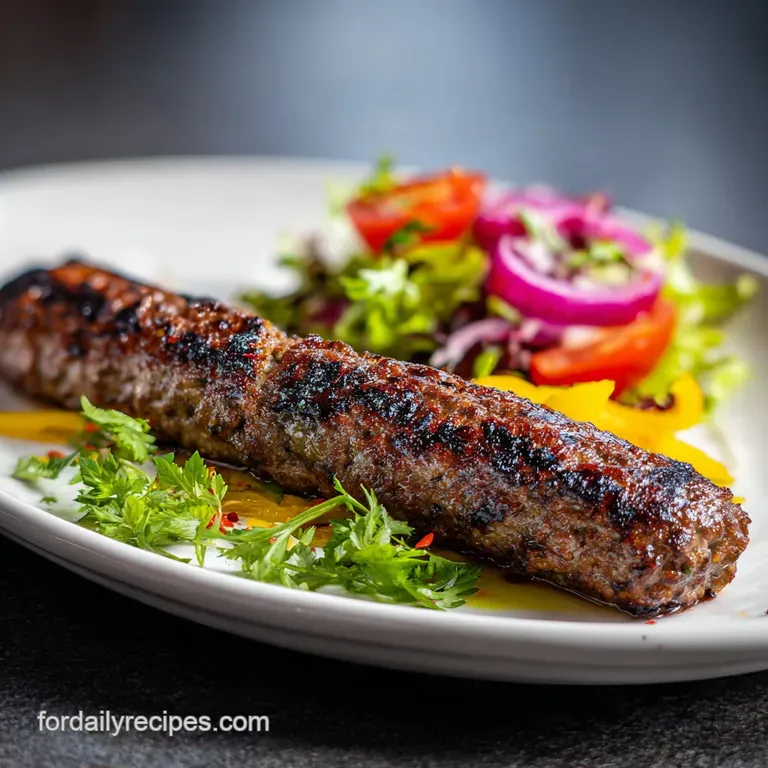
- Time: Active 20 minutes, Passive 0 mins, Total 30 minutes
- Flavor/Texture Hook: Charred, smoky exterior with a buttery, spice laden interior
- Perfect for: Backyard barbecues, high protein meal prep, or an adventurous family dinner
- Why You Love The Classic Beef Kafta Kabob
- The Mechanics of Heat and Protein Binding
- Component Analysis of Essential Kafta Aromatics
- Handpicking Your Primary Ingredients
- Necessary Tools for High Heat
- Executing the Perfect Flame Sear
- Fixing Common Meat Preparation Issues
- Smart Swaps for Dietary Needs
- Storing and Reviving Your Kabobs
- Visual Artistry for Final Plating
- Recipe FAQs
- 📝 Recipe Card
Why You Love The Classic Beef Kafta Kabob
The first time I tried to fire up a batch of kafta, it was a total disaster. I stood over the grill, watching in horror as the meat literally slid off the skewers and vanished into the white hot coals with a hiss. I was left with empty sticks and a very hungry family.
It was a classic rookie mistake, I hadn't realized that the secret isn't just in the spices, it's in the architecture of the meat itself.
That smoky, charred aroma that hits you the moment the beef touches the griddle is something that transcends borders. It's the scent of a busy street in Beirut or a family gathering in the backyard.
When you get the balance of parsley and onion just right, the result is a savory, herbaceous bite that feels both light and incredibly satisfying. We are looking for that perfect contrast between the crispy, almost crunchy exterior and the velvety, juicy middle.
Today, we're making a version that actually stays together. We'll lean into the warmth of allspice and cinnamon, the brightness of fresh parsley, and a few little tricks I've picked up along the way. Trust me, once you master the "onion squeeze," you'll never go back to boring old burgers again.
It's about bringing global soul to your kitchen table without needing a professional tandoor.
The Mechanics of Heat and Protein Binding
The Science of the Snap: Vigorous mixing of the beef with salt develops myosin, a protein that creates a sticky "mesh" to hold the kabob together without breadcrumbs. Removing the onion juice prevents this mesh from dissolving, ensuring the meat grips the skewer during the thermal expansion of cooking.
| Thickness | Internal Temp | Rest Time | Visual Cue |
|---|---|---|---|
| 1 inch diameter | 160°F | 3 minutes | Surface is browned and firm to touch |
| 1.5 inch diameter | 160°F | 5 minutes | Fat bubbles clear on the surface |
| Flat Patty style | 160°F | 2 minutes | Edges are crisp and dark brown |
This Beef Kafta Kabob thrives on the contrast between high heat and quick cooking. If you leave it on too long, the fat renders out completely, leaving you with a dry, crumbly mess. The goal is to hit that internal temperature right as the outside reaches a deep mahogany brown.
Component Analysis of Essential Kafta Aromatics
| Ingredient | Science Role | Pro Secret |
|---|---|---|
| 80/20 Ground Beef | Fat provides the "juiciness" and carries fat soluble spices | Keep the meat ice cold until the very moment it hits the heat |
| Grated Yellow Onion | Provides sulfurous depth and enzymes that tenderize | Use a cheesecloth to squeeze out every drop of liquid before adding |
| Fresh Italian Parsley | Adds chlorophyll to cut through the heavy fat | Mince by hand to avoid bruising the leaves into a wet paste |
| Allspice | Provides the "warm" aromatic signature | Toast the powder in a dry pan for 30 seconds to wake up the oils |
- Earthy
- The allspice and nutmeg base.
- Bright
- The massive hit of fresh parsley.
- Sharp
- The bite of cracked black pepper and cayenne.
- Sweet
- The subtle floral notes of ground cinnamon.
Handpicking Your Primary Ingredients
- 1 lb Ground Beef (80% lean / 20% fat):Why this? The fat is essential for moisture; lean meat will become dry and rubbery.
- Substitute: Ground Lamb. It adds a gamey richness but has a similar fat profile.
- 0.5 cup Fresh Italian Parsley:Why this? Flat leaf parsley has a more robust flavor than curly varieties.
- Substitute: Fresh Cilantro. It changes the profile to a more South Asian "Seekh" style.
- 1 small Yellow Onion:Why this? Yellow onions provide a balance of sweetness and sharp astringency.
- Substitute: Shallots. These offer a more delicate, garlicky undertone.
- 1 tsp Kosher Salt:Why this? Coarse grains help break down protein fibers during mixing.
- Substitute: Sea salt. Use slightly less as the grains are finer.
- 0.5 tsp Black Pepper:Why this? Freshly cracked pepper provides heat and texture.
- Substitute: White pepper for a more fermented, earthy funk.
- 1 tsp Allspice:Why this? The backbone of Lebanese flavor profiles.
- Substitute: Five spice powder. It's different, but provides a similar warm complexity.
- 0.5 tsp Ground Cinnamon:Why this? Adds a "sweet" scent that tricks the palate into perceiving richness.
- Substitute: Ground Cardamom for a more citrusy, floral lift.
- 0.25 tsp Ground Nutmeg:Why this? Enhances the savory qualities of the beef.
- Substitute: Mace. It’s the outer shell of nutmeg and tastes slightly more peppery.
- 0.25 tsp Cayenne Pepper:Why this? Just enough to provide a back of-the throat tingle.
- Substitute: Red Pepper Flakes. It provides more visual "pops" of heat.
Necessary Tools for High Heat
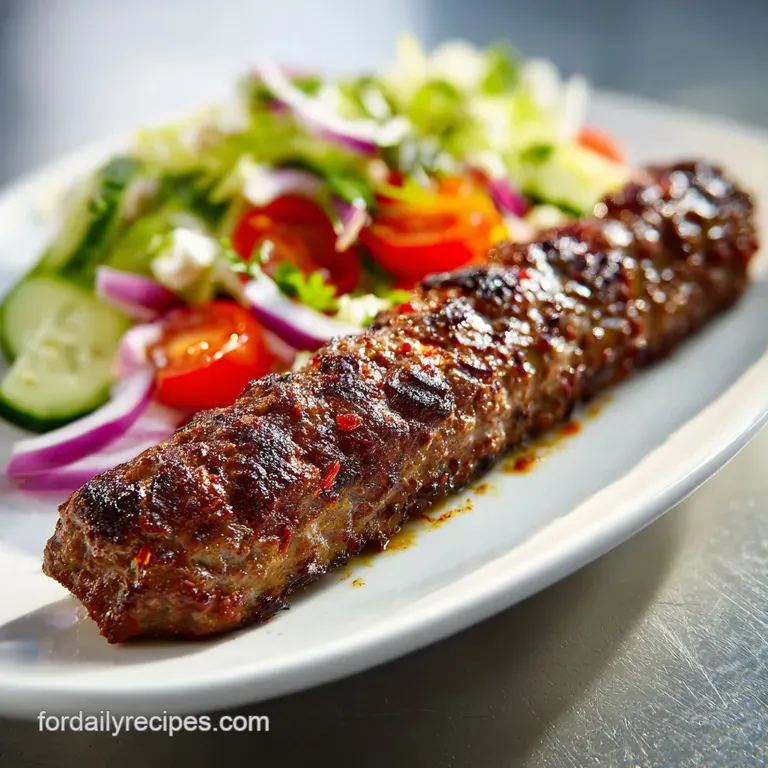
To get the best results, I highly recommend using a cast iron grill pan or a heavy bottomed skillet. Much like the technique used in our Burger Patty Recipe, holding heat is the key to that beautiful crust. If you are using skewers, go for flat metal ones; the meat grips the flat surface much better than round wooden sticks.
| Method | Time | Texture | Best For |
|---|---|---|---|
| Stovetop Skillet | 8-10 mins | Deeply caramelized crust | Quick weeknight dinners |
| Outdoor Grill | 6-8 mins | Smoky and charred | Weekend cookouts |
| Oven Broiler | 10-12 mins | Evenly browned | Hands off cooking |
If you are using wooden skewers, don't forget to soak them in water for at least 30 minutes. I’ve set more than my fair share of sticks on fire because I was too impatient to wait.
Executing the Perfect Flame Sear
- Grate the onion. Use the small holes of a box griddle for the 1 small yellow onion. Note: This creates a paste like consistency that blends seamlessly into the meat.
- Squeeze the liquid. Place the grated onion in a clean kitchen towel and wring it out until no more juice drips.
- Combine ingredients. In a chilled bowl, add the 1 lb ground beef, squeezed onion, 0.5 cup minced parsley, and all the dry spices.
- Work the meat. Use your hands to mix the meat for 2-3 minutes until the mixture feels tacky and sticky. Note: This is the myosin developing.
- Shape the kabobs. Divide the meat into 5 portions and mold them into long, narrow cylinders about 1 inch thick.
- Chill the meat. Place the formed kabobs in the fridge for 15 minutes. until firm to the touch.
- Preheat the pan. Heat your skillet or grill over medium high heat until a drop of water sizzles and dances.
- Cook the kabobs. Lay the beef kafta kabob in the pan, leaving space between each. Note: Do not overcrowd or they will steam instead of searing.
- Sear all sides. Cook for about 2-3 minutes per side until a dark brown crust forms and meat is opaque.
- Rest the meat. Remove from heat and let sit for 3 minutes until juices redistribute throughout the cylinder.
Chef's Tip: When shaping the meat, dip your hands in ice cold water. This prevents the fat from melting from your body heat, which keeps the texture silky rather than greasy.
Fixing Common Meat Preparation Issues
Why Your Kabob Falls Apart
If the meat is falling off the skewer or crumbling in the pan, you likely skipped the "kneading" phase or your onion was too wet. Much like a Swedish Meatballs Kottbullar recipe, the protein needs to be worked to create a bond.
| Problem | Root Cause | Solution |
|---|---|---|
| Meat is crumbly | Under mixed protein | Mix until the meat changes color slightly and feels like dough |
| Excessive smoke | Pan is too hot / dirty | Wipe the pan between batches and use an oil with a high smoke point |
| Meat is tough | Overcooked or too lean | Pull meat at 160°F and ensure you use 80/20 beef |
Common Mistakes Checklist
- ✓ Squeeze the onion until it’s practically a dry pulp. Excess moisture is the enemy of a good sear.
- ✓ Keep the beef cold. Warm fat won't emulsify properly with the protein fibers.
- ✓ Don't skip the resting period. Cutting into it immediately will let all those spiced juices escape.
- ✓ Ensure the parsley is bone dry before mincing. Wet herbs turn the meat green and soggy.
- ✓ Use a heavy pan. Thin pans lose heat too quickly when the cold meat is added.
Smart Swaps for Dietary Needs
The Kafta Kabob Oven Recipe
If you aren't in the mood to stand over a smoky stove, you can bake these. Set your oven to 400°F and place the kabobs on a wire rack over a baking sheet. This allows the air to circulate, giving you a brown exterior without the mess. It takes about 12-15 minutes.
It won't have the same "char" as the grill, but it's much more convenient for large batches.
Low Carb / Keto Serving
Kafta is naturally low carb, but the way you serve it matters. Instead of the traditional pita bread, wrap these in large Romaine lettuce leaves. The crunch of the lettuce provides a brilliant texture contrast to the soft meat. Pair it with a tahini lemon dressing instead of a sugary sauce to keep the macros in check.
| Original Ingredient | Substitute | Why It Works |
|---|---|---|
| Ground Beef (1 lb) | Ground Turkey (93/7) | Lower calorie. Note: Will be significantly drier; add 1 tbsp olive oil to the mix |
| Yellow Onion | Onion Powder (1 tbsp) | Saves time. Note: You lose the moisture tenderizing enzymes of fresh onion |
| Allspice | Pumpkin Pie Spice | Contains similar warm notes. Note: Be careful with the clove levels |
Storing and Reviving Your Kabobs
Storage: You can keep cooked kafta in an airtight container in the fridge for up to 4 days. They actually taste better the next day as the spices have more time to permeate the meat.
Freezing: This is a meal prep dream. You can freeze the shaped, raw kabobs on a parchment lined tray, then move them to a freezer bag once solid. They’ll stay fresh for 3 months.
When you're ready to eat, cook them straight from frozen, just add 4-5 minutes to the total cook time.
Zero Waste: If you have leftover cooked kafta, crumble them up and toss them into a breakfast hash with potatoes and peppers. The spices are already there, so you don't need to add much else. You can also use the squeezed out onion juice in a soup base or a marinade for a Chuck Roast In Oven recipe so nothing goes to waste.
Visual Artistry for Final Plating
The Sumac Onion Bed
Presentation is half the battle with Mediterranean food. Don't just toss these on a plate. Slice some red onions paper thin, toss them with a tablespoon of sumac and some fresh parsley, and spread them out as a bed for the kabobs.
The bright purple of the sumac against the charred meat is stunning, and the acidity of the raw onions cuts right through the richness of the beef.
The Sauce Duo
I like to serve these with two contrasting sauces to keep the palate interested. A cool, garlicky yogurt sauce (tzatziki style) provides a creamy balance to the heat, while a sharp, spicy harissa or a zesty amba sauce adds a punchy kick.
Just a small dollop of each on the side makes the plate look like it came out of a high end bistro.
Chef's Note: For an extra touch of "extraordinary," char some cherry tomatoes and shishito peppers in the same pan right after the meat is done. They soak up the leftover beef fat and spices, making for the perfect colorful garnish that doubles as a side dish.
This Beef Kafta Kabob is more than just a meatball on a stick. It's a study in how simple ingredients, when treated with the right scientific principles, can create something that transcends the ordinary.
Whether you're sliding them into a warm pita or serving them over a bed of saffron rice, the contrast of flavors will make this a permanent fixture in your kitchen rotation. Happy cooking!
Recipe FAQs
What is beef kafta kabob?
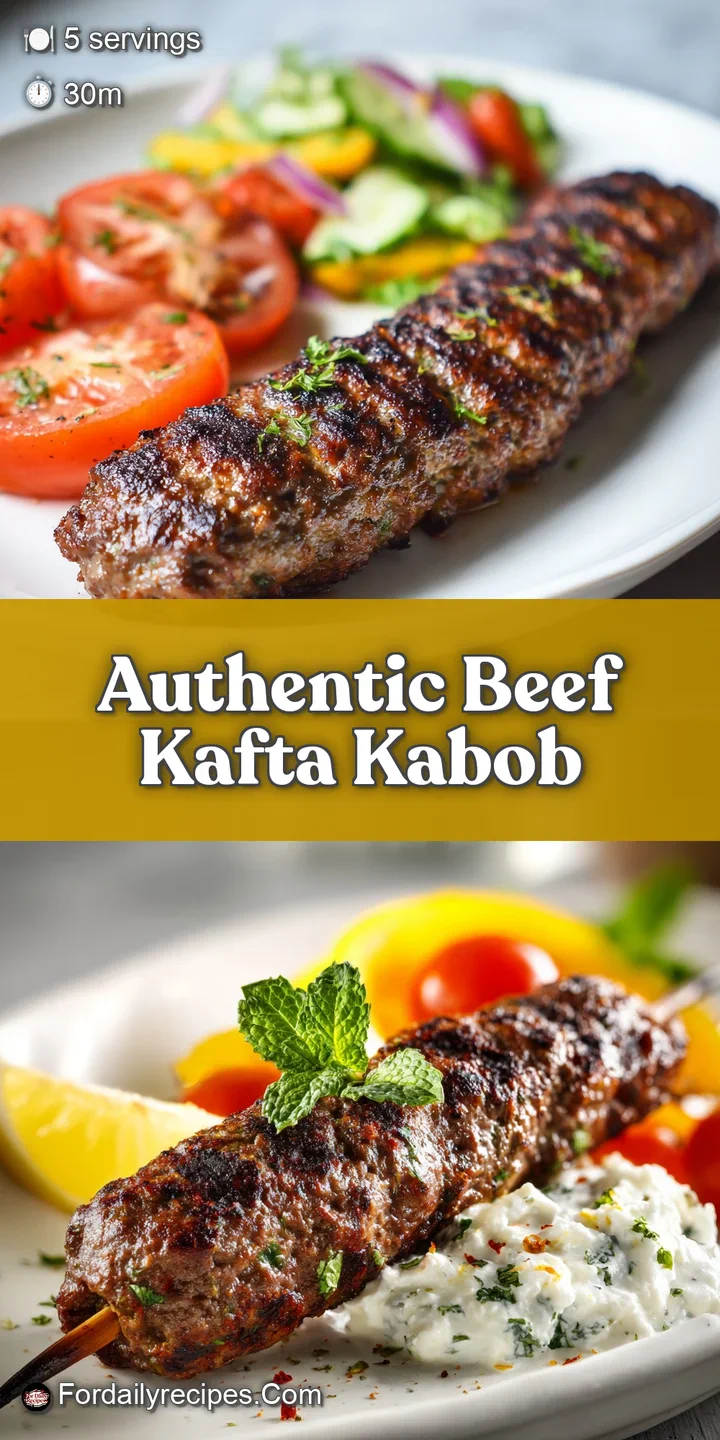
It is ground beef seasoned with herbs and spices, molded onto skewers, and grilled or broiled. Kafta typically uses a high ratio of spices like allspice and parsley to create a distinctive Middle Eastern flavor profile distinct from a simple beef kebab.
What meat is kafta typically made of?
Lean ground beef, usually 80/20, is the standard base for this version. Ground lamb is also a traditional alternative, offering a richer, slightly gamier taste.
What is the difference between a kabob and a kafta?
Kafta is a specific style of ground meat preparation, while kabob refers to the method of cooking on a skewer. Kafta involves binding the minced meat with finely minced onion and parsley before skewering; a traditional kabob often uses cubed chunks of whole muscle meat.
Is beef kafta the same as kofta?
Yes, they are essentially the same dish, originating from the same root word. "Kofta" is the generalized term used across South Asia and the Balkans, whereas "Kafta" is the common spelling and preparation style found in the Levant and wider Middle East.
How do I stop my beef kafta from crumbling off the skewer during cooking?
Vigorously mix the meat thoroughly until it becomes tacky and sticky before shaping. This process develops myosin protein, creating a structural 'mesh' that binds the meat together, similar to how we manage moisture and adhesion in other ground meat preparations like our My Best New Years recipe.
What is the secret ingredient that gives kafta its signature flavor?
Allspice is the most critical single spice defining the classic Lebanese flavor profile. It provides a warm, savory backbone that complements the fresh brightness of the large quantity of parsley used in the mix.
Can I use a slow cooker if I don't want to grill them?
No, slow cooking will not work well for this specific preparation. The extended, low heat will cause the meat to steam and become mushy, lacking the necessary high heat searing for texture. For large batch oven cooking, refer to our Chuck Roast in recipe guide for moisture management principles.
Beef Kafta Kabob Recipe
Ingredients:
Instructions:
Nutrition Facts:
| Calories | 191 calories |
|---|---|
| Protein | 15.5 g |
| Fat | 13.5 g |
| Carbs | 1.8 g |
| Fiber | 0.4 g |
| Sugar | 0.8 g |
| Sodium | 384 mg |
