How Long to Bake Asparagus: Oven Time Guide
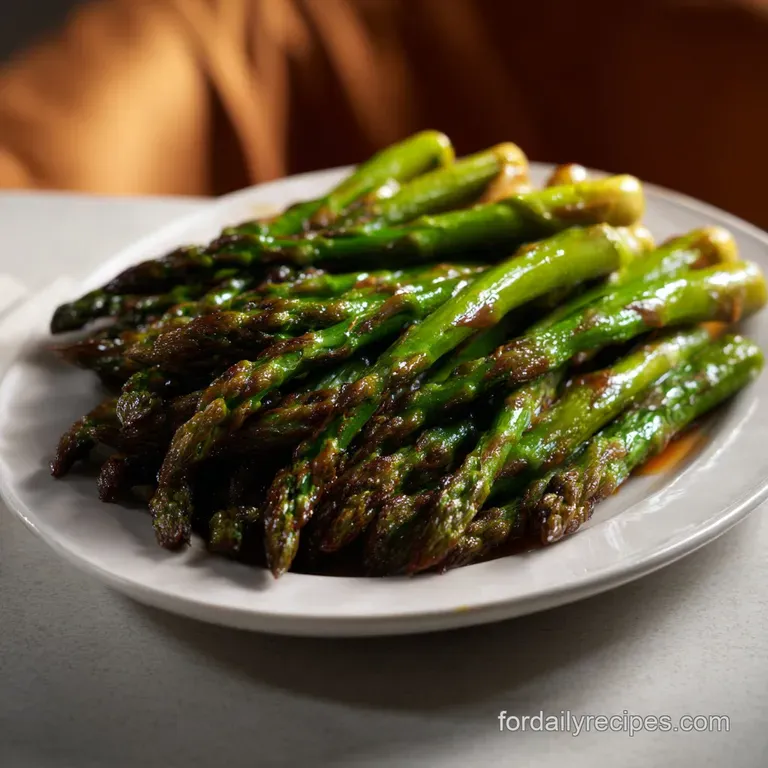
- Time: Active 10 minutes, Passive 15 minutes, Total 25 minutes
- Flavor/Texture Hook: Shatter crisp tips with a velvety, tender stem
- Perfect for: Busy weeknight dinners or simple holiday side dishes
- Mastering how long to bake asparagus
- Crisp Spears for Every Occasion
- Simple Science of High Heat
- Quick Glance at Recipe Totals
- Choosing Affordable High Quality Ingredients
- Basic Gear for Even Cooking
- Clear Steps for Roasting Success
- Troubleshooting Your Roasted Vegetables
- Scaling Your Vegetable Portions
- Debunking Common Vegetable Cooking Myths
- Flavor Variations and Additions
- Fresh Storage and Scrap Usage
- Perfect Pairings for Roasted Greens
- Recipe FAQs
- 📝 Recipe Card
Mastering how long to bake asparagus
The sound of a fresh asparagus spear snapping is one of the most satisfying noises in the kitchen. It is a promise of freshness and a crisp bite. But when that spear ends up as a limp, stringy mess on your dinner plate, it is a total disappointment.
We have all been there, hovering by the oven and wondering if five more minutes will yield the perfect char or just a mushy pile of greens.
Asparagus is a vegetable that demands respect for its structure. It is packed with water and fiber, which means it can go from raw to overcooked in a heartbeat. I remember the first time I tried roasting these. I used too much oil and too low a temperature, resulting in greasy, pale stalks that lacked any real flavor.
It was a lesson in thermodynamics that I never forgot.
This recipe is designed for the practical home cook who wants high-quality results without a massive grocery bill. We are using simple, wholesome ingredients to highlight the natural sweetness of the vegetable.
By the end of this, you will know exactly how to handle different spear thicknesses and how to use your oven to get that restaurant quality finish every single time.
Crisp Spears for Every Occasion
Roasting is arguably the most reliable way to prepare this vegetable. While steaming can leave it tasting a bit bland and boiling often leads to waterlogged fibers, the oven creates a concentrated flavor profile.
When we talk about how long to bake asparagus, we are really talking about the balance between softening the tough cellulose and caramelizing the natural sugars.
This dish works perfectly for a Tuesday night dinner or a fancy Sunday roast. It is plant forward and fits into almost any dietary restriction without feeling like a compromise. Honestly, once you master the timing, you will never want to eat it any other way.
We are aiming for that specific moment where the tips start to "shatter" in your mouth while the base remains succulent.
Preserving Structural Integrity
The goal is to stop the cooking process just as the spear becomes flexible but before it loses its vibrant green color. If the spears turn a dull, brownish khaki, you have gone too far. We want a bright pop of color that looks beautiful next to a piece of roasted chicken or a hearty grain bowl.
Simple Science of High Heat
The Science of Why it Works
The Maillard reaction occurs when heat transforms proteins and sugars into brown, flavorful compounds on the surface of the vegetable. Simultaneously, the dry heat of the oven causes water to evaporate, which prevents the cell walls from collapsing into a mushy texture.
- Evaporative Cooling: As water leaves the asparagus, the surface temperature rises above the boiling point, allowing for browning.
- Cellulose Softening: Heat breaks down the tough hemicellulose in the stalks, making them easier to chew while maintaining "snap."
- Lipid Conductivity: The olive oil acts as a heat bridge, ensuring the oven's energy is transferred evenly across the irregular surface of the spear.
- Volatile Aromatics: High heat releases sulfur compounds that give the vegetable its characteristic savory aroma.
Stovetop vs Oven Comparison
| Feature | Stovetop Sauté | Oven Roasting |
|---|---|---|
| Texture | Crunchy but unevenly browned | Consistently tender with charred tips |
| Effort | Constant stirring required | Set it and forget it |
| Flavor Profile | Fresh and grassy | Nutty, sweet, and concentrated |
Quick Glance at Recipe Totals
Success in the kitchen often comes down to the numbers. If you are rushing, you will likely pull the pan too early. If you are distracted, you will leave it in too long. Stick to these specific checkpoints for 1 lb fresh asparagus of medium thickness.
- Oven Temp:400°F (204°C)
- Roasting Time: 12 to 15 minutes
- Spear Prep: Trim 1.5 to 2 inches from the bottom
Chef's Tip: Freeze your lemon for 10 minutes before zesting. It makes the peel firmer and prevents the microplane from tearing the bitter white pith.
Choosing Affordable high-quality Ingredients
You do not need a massive budget to make this taste incredible. Focus on the quality of the produce first. Look for tightly closed tips and firm stalks. If the tips look fuzzy or wet, put them back. If you are looking for more Weeknight Recipes Inspo, this asparagus is a lifesaver because it relies on pantry staples.
Component Analysis
| Ingredient | Science Role | Pro Secret |
|---|---|---|
| Asparagus | Structural Base | Thinner spears cook 30% faster than jumbo ones. |
| Olive Oil | Heat Conductor | Use Bertolli Extra Virgin for a stable smoke point at 400°F. |
| Lemon Juice | Brightness / pH | Add ONLY after roasting to prevent the acid from turning the greens brown. |
The Essential List
- 1 lb fresh asparagus: Look for medium thickness for the most consistent results. Why this? Medium stalks offer the best ratio of tender interior to charred exterior.
- 1 tbsp extra virgin olive oil: A little goes a long way. Why this? It provides the fat needed for the Maillard reaction to occur.
- 1/2 tsp sea salt: We like Diamond Crystal for its flaky texture. Why this? Salt draws out just enough moisture to concentrate the flavor.
- 1/4 tsp cracked black pepper: Freshly ground is non negotiable. Why this? It adds a subtle heat that cuts through the richness of the oil.
- 1/2 lemon (zest and juice): Provides the necessary acid. Why this? Lemon zest contains oils that provide aroma without the moisture of juice.
- 2 tbsp grated Parmesan cheese: Adds a salty, umami kick. Why this? The cheese crisps up in the oven's residual heat for extra texture.
Smart Ingredient Swaps
| Original Ingredient | Substitute | Why It Works |
|---|---|---|
| Extra Virgin Olive Oil | Avocado Oil | Higher smoke point but a more neutral flavor. |
| Parmesan Cheese | Nutritional Yeast | Adds a similar nutty, salty flavor for a vegan friendly version. |
| Lemon Juice | White Balsamic | Adds acidity with a touch more sweetness. Note: May darken the stalks slightly. |
Basic Gear for Even Cooking
You don't need fancy gadgets, but the right tray makes a massive difference. Avoid using high sided baking dishes. They trap steam, and steam is the enemy of a good roast. We want air circulation.
- Large Sheet Pan: A standard 13x18 inch rimmed baking sheet (like a Nordic Ware half sheet) is ideal.
- Parchment Paper: This prevents sticking and makes cleanup a breeze.
- Chef's Knife: A sharp blade is essential for a clean cut at the base of the stalks.
- Large Mixing Bowl: While you can season on the pan, a bowl ensures every single spear is coated in oil.
Clear Steps for Roasting Success
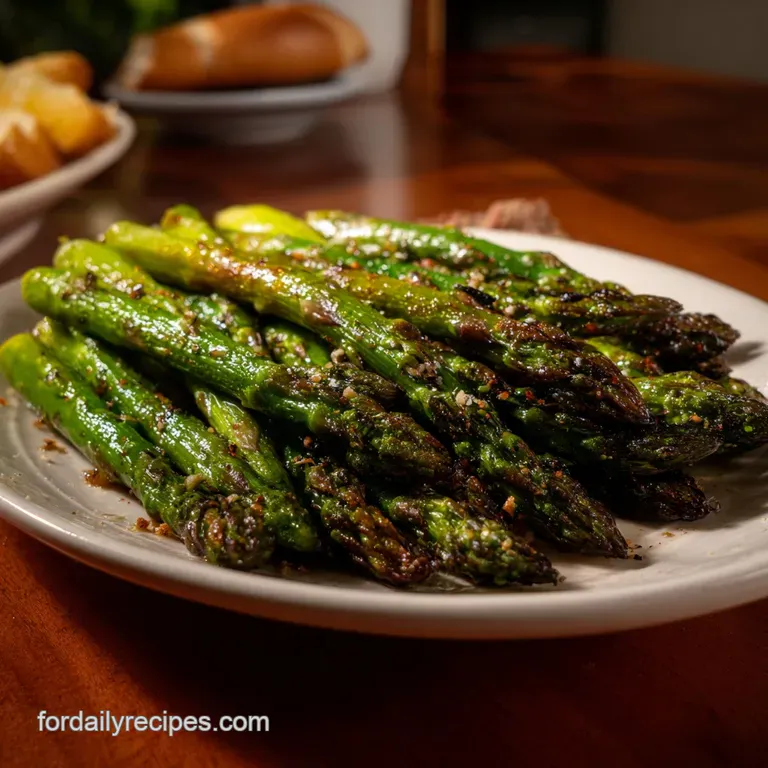
- Heat the oven. Set your oven to 400°F. Note: This temperature is high enough to roast but low enough to prevent the oil from smoking.
- Clean the asparagus. Rinse the stalks under cold water and pat them completely dry with a clean kitchen towel. Note: Water on the surface will create steam and prevent browning.
- Trim the ends. Line up the 1 lb fresh asparagus and slice off the bottom 1.5 inches. Note: This removes the woody, unchewable part of the plant.
- Oil the spears. Place the spears in a bowl and drizzle with 1 tbsp extra virgin olive oil.
- Season well. Sprinkle 1/2 tsp sea salt and 1/4 tsp cracked black pepper over the greens.
- Arrange the pan. Spread the spears in a single layer on your sheet pan. Note: Crowding the pan causes the vegetables to steam rather than roast.
- Roast until tender. Bake for 12 to 15 minutes until the tips are slightly charred and the stems are easily pierced with a fork.
- Zest the lemon. While hot, grate the zest of 1/2 lemon directly over the tray.
- Add the cheese. Sprinkle 2 tbsp grated Parmesan cheese over the asparagus immediately. Note: The residual heat will melt the cheese slightly without burning it.
- Final finish. Squeeze the juice from the 1/2 lemon over everything and serve immediately.
Chef's Tip: If you have extra thick "jumbo" asparagus, use a vegetable peeler to shave the bottom 2 inches of the skin. This removes the tough outer layer while keeping the spear intact.
Troubleshooting Your Roasted Vegetables
Even simple recipes have their pitfalls. Most issues with asparagus come down to moisture management and temperature control.
Preventing Sogginess Issues
If your asparagus comes out limp, it usually means the oven wasn't hot enough or you overcrowded the pan. When spears are too close together, the moisture they release gets trapped, effectively steaming them. Always leave a little "breathing room" between each stalk.
Fixing Tough Ends
Woody ends are a result of the plant's natural defense mechanism. If you find them hard to chew, you didn't trim enough. The "snap test" (bending a spear until it breaks naturally) is a good guide, but it can be wasteful. I prefer cutting off a consistent 1.5 inches and peeling the bottoms of the thicker ones.
| Problem | Cause | Fix | Pro Tip |
|---|---|---|---|
| Soggy Stalks | Overcrowded pan | Use two pans or a larger one | Dry the spears perfectly before oiling |
| Burnt Tips | Oven rack too high | Move to the center rack | Lightly coat tips in extra oil |
| No Flavor | Under seasoning | Increase salt slightly | Add salt before roasting, not just after |
Scaling Your Vegetable Portions
When you are cooking for a crowd, the math changes slightly. You can't just double everything and expect the same timing.
- Scaling Down (1/2 lb): Use a smaller quarter sheet pan. Reduce baking time by about 2-3 minutes as there is more air circulation.
- Scaling Up (2 lbs or more): You must use two separate sheet pans. Do not try to cram 2 lbs onto one tray. Rotate the pans halfway through the cooking time (top to bottom) to ensure even heat distribution.
- Batch Cooking: If you are meal prepping, undercook the asparagus by 2 minutes. When you reheat it later, it will finish cooking without becoming mushy.
Debunking Common Vegetable Cooking Myths
Myth 1: You must snap every single spear by hand. Honestly, don't even bother with this. It is time consuming and often results in losing perfectly good parts of the stalk. Lining them up and slicing with a sharp knife is more efficient and provides a cleaner look.
Myth 2: Soaking asparagus keeps it fresh. While a quick rinse is good for cleaning, soaking it for long periods can actually make it waterlogged. This ruins the roasting process.
If you need to store it, stand the ends in an inch of water in the fridge, like a bouquet of flowers, but don't submerge the tips.
Myth 3: Thick asparagus is always tough. Actually, jumbo asparagus is often more tender and succulent than the "pencil thin" variety, provided you peel the bottom inch. The thin ones dry out much faster and can become stringy in the oven.
Flavor Variations and Additions
Garlic Intensity Boost
Add 2 cloves of thinly sliced garlic to the pan during the last 5 minutes of roasting. Do not add them at the beginning, or they will burn and turn bitter. For another savory layer, you might enjoy topping these with leftovers from a How To Make Cheese recipe if you have some homemade curds on hand.
Toasted Nutty Texture
Toss 2 tablespoons of slivered almonds or pine nuts onto the tray. The nuts will toast in the olive oil and provide a lovely crunch that contrasts with the tender vegetables.
Balsamic Glaze Finish
Instead of lemon, drizzle a teaspoon of balsamic glaze over the finished dish. This adds a rich sweetness that pairs beautifully with the charred tips.
Fresh Storage and Scrap Usage
Roasted asparagus is best eaten immediately, but leftovers can be useful. Store them in an airtight container in the fridge for up to 3 days. I don't recommend freezing the roasted spears as the texture becomes very soft upon thawing.
Zero Waste Tips
Don't throw away those woody ends! Even though they are too tough to eat roasted, they are packed with flavor. Vegetable Stock: Throw the trimmed ends into a freezer bag. When you have enough, simmer them with onions and carrots for a vibrant soup base.
Asparagus Soup: Boil the ends until very soft, then blend them and strain through a fine mesh sieve. You’ll be left with a silky puree that can be used in creamy soups.
Perfect Pairings for Roasted Greens
This dish is incredibly versatile. It acts as a bridge between heavy proteins and light salads. If you are going for a Mexican inspired feast, it even pairs surprisingly well with an Authentic Molcajete Recipe because the char on the asparagus mimics the smokiness of the salsa.
- Proteins: Grilled salmon, roasted chicken thighs, or a simple poached egg.
- Grains: Lemon herb quinoa or a wild rice pilaf.
- Vegetarian: Tossed with pasta, olive oil, and extra red pepper flakes.
Getting the timing right on how long to bake asparagus transforms a simple plant into the star of the show. Focus on the heat, don't crowd the pan, and always finish with that pop of fresh lemon. Your dinner guests (and your budget) will thank you.
Recipe FAQs
What is the ideal oven temperature for baking asparagus?
400°F (204°C). This high heat is necessary to facilitate the Maillard reaction, which creates browning and concentrates the vegetable's natural sugars.
How long should medium thickness asparagus bake at 400°F?
12 to 15 minutes. You are looking for the tips to be slightly charred while the stem offers tenderness without becoming floppy.
Can I use frozen asparagus for this roasting method?
No, stick with fresh. Frozen spears contain excess moisture which will steam the vegetable in the oven, leading to a soggy rather than crisp texture.
What happens if my asparagus turns a dull, brownish khaki color?
It is overcooked. This dull color indicates that too much water has evaporated and the desired bright green cellular structure has collapsed.
How should I prep the asparagus before roasting?
Trim the bottom 1.5 to 2 inches off the stalks. This removes the tough, woody ends which do not soften sufficiently during the short roasting time.
Should I season the asparagus before or after it goes into the oven?
Season before, but add lemon juice after. Salt and pepper should be added with the oil before baking; however, adding lemon juice pre-bake can cause the greens to turn brown.
Is it okay if the asparagus spears overlap on the sheet pan?
No, you must keep them in a single layer. Overlapping traps moisture released by the vegetables, causing them to steam instead of roast and thus preventing the desired crisp tips.
Baking Asparagus Time Guide
Ingredients:
Instructions:
Nutrition Facts:
| Calories | 65 kcal |
|---|---|
| Protein | 3.4 g |
| Fat | 4.3 g |
| Carbs | 4.9 g |
| Fiber | 2.4 g |
| Sugar | 1.1 g |
| Sodium | 325 mg |
