Authentic Lahmacun Recipe: Turkish Flatbread
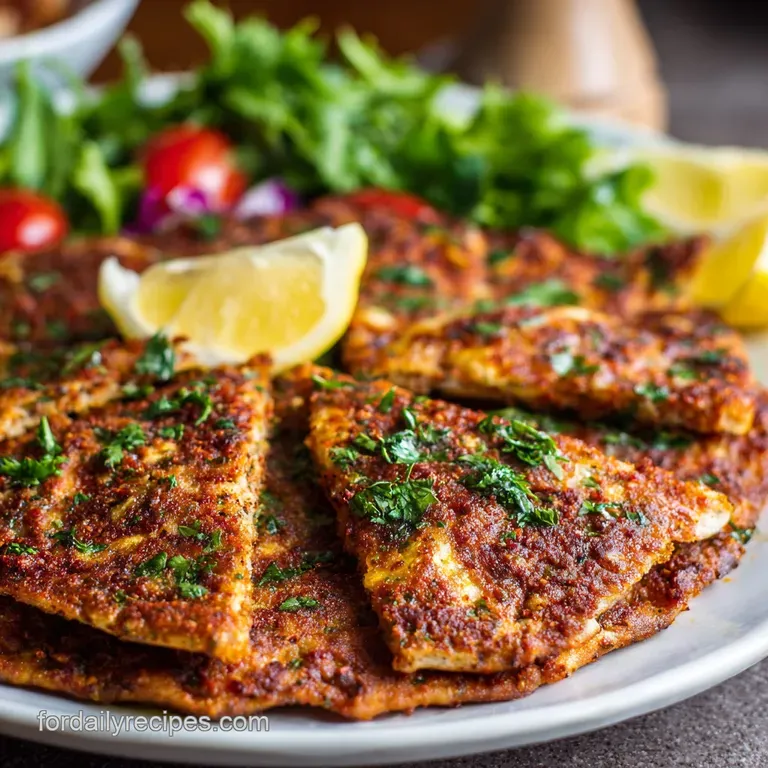
- Time: Active 40 mins, Passive 2 hours 8 mins, Total 2 hours 48 mins
- Flavor/Texture Hook: Shattering crisp edges with a spiced, velvety lamb topping
- Perfect for: Adventurous weekend projects and extraordinary dinner parties
- Master the Traditional Turkish Lahmacun Recipe
- Reasons This Method Succeeds
- Precise Technical Specifications
- The Essential Shopping List
- Necessary Kitchen Equipment
- Step-by-Step Execution Guide
- Preventing Common Baking Mistakes
- Creative Flavor Variations
- Storage and Preservation Tips
- Perfect Side Dish Pairings
- Lahmacun Recipe FAQs
- 📝 Recipe Card
Master the Traditional Turkish Lahmacun Recipe
The first time I stood on a street corner in Istanbul, the air was thick with the scent of charred flour and smoldering oak. I watched a baker slide a disk of dough, no thicker than a whisper, into a stone oven that looked like the mouth of a volcano.
Ten seconds later, it emerged: bubbling, aromatic, and hissing with heat. That specific aroma the marriage of rendered lamb fat, sharp Urfa biber, and scorched dough is something that transcends borders and stays in your soul.
We often mistake this for "Turkish pizza," but that's a simplification that misses the point. It is a canvas of spice and crunch. My early attempts at home were soggy disasters because I treated the topping like a heavy Bolognese.
I learned the hard way that the secret lies in the moisture content of the vegetables and the elasticity of the dough. This guide is about reclaiming that extraordinary street side experience in your own kitchen, focusing on the layers of flavor that make this dish truly global.
Reasons This Method Succeeds
The magic of this dish isn't just in the spice rack; it is in the thermodynamics of the oven and the cellular structure of the dough. When we combine high protein flour with a specific hydration level, we create a structure that can be rolled to translucent thinness without tearing.
This allows the heat to penetrate almost instantly, creating a "shatter" effect rather than a chewy bread texture.
Starch Gelatinization: High heat causes surface starches to explode and crisp before the interior dries out, preserving a slight suppleness.
Fat Emulsification: Processing the lamb with raw vegetables creates a self basting topping where the fat renders directly into the dough’s surface.
Maillard Reaction: The combination of tomato sugars and lamb proteins under intense heat creates deep, savory umami notes.
Gluten Relaxation: A long rest period ensures the dough doesn't snap back, allowing for the signature thinness required for a proper wrap.
| Method Type | Cook Time | Texture Profile | Skill Level |
|---|---|---|---|
| Traditional Stone | 2-3 minutes | Charred, shattering, smoky | Advanced |
| Home Pizza Steel | 5-8 minutes | Crispy, golden, consistent | Intermediate |
| Standard Baking Sheet | 10-12 minutes | Crunchy edges, softer center | Beginner |
Choosing the right method depends on your equipment, but the goal remains the same: a base that is firm enough to hold, yet flexible enough to roll into a cylinder once loaded with fresh parsley and lemon.
Precise Technical Specifications
To achieve the best results, we must look at the specific roles each component plays in the final bake. Using 500g of bread flour provides the high protein content necessary for a strong gluten network. This isn't just about "bread"; it's about structural integrity.
The 325ml of water creates a hydration level of approximately 65%, which is the "sweet spot" for a dough that is both easy to handle and capable of producing those characteristic bubbles when it hits the heat.
| Component | Science Role | Pro Secret |
|---|---|---|
| Bread Flour (500g) | Provides structural protein | Knead until the dough looks silky, not shaggy |
| Active Dry Yeast (7g) | Creates micro air pockets | Bloom in warm sugar water to ensure vitality |
| Ground Lamb (300g) | Delivers fat and umami | Use a higher fat percentage (20%) for moisture |
| Urfa Biber (1 tsp) | Adds smoky, raisin like heat | Bloom the spice in the vegetable juices before mixing |
A common mistake is using all purpose flour, which lacks the "stretch" needed for this specific Lahmacun Recipe. Without that strength, your dough will tear as you try to roll it out to the required 10 inch diameter. Trust the science: high protein equals a better crunch.
The Essential Shopping List
Finding the right ingredients is half the battle. While many of these items are in your pantry, a few specific Turkish staples are what separate a good flatbread from an extraordinary one.
If you cannot find pepper paste, you can intensify the tomato paste, but the fermented depth of the original is worth the hunt at a global market.
- 500g bread flour: Why this? Essential for high protein gluten development and a crispy, non soggy base. (Substitute: All purpose flour + 1 tbsp wheat gluten)
- 325ml water: Why this? Provides 65% hydration for optimal dough stretch. (Substitute: Room temperature filtered water)
- 7g active dry yeast: Why this? Provides the lift and fermentation flavor. (Substitute: 5g instant yeast)
- 10g sea salt: Why this? Enhances flavor and regulates yeast activity. (Substitute: Table salt, use slightly less)
- 5g sugar: Why this? Feeds the yeast and aids in crust browning. (Substitute: Honey)
- 300g ground lamb: Why this? Traditional fat rich meat that creates a self basting topping. (Substitute: 80/20 ground beef)
- 1 large red bell pepper: Why this? Adds sweetness and essential moisture to the topping. (Substitute: Roasted red peppers, drained)
- 2 medium roma tomatoes: Why this? Acidity and liquid to bind the meat mixture. (Substitute: Canned crushed tomatoes, drained)
- 1 large yellow onion: Why this? Pungency that mellows into sweetness during the bake. (Substitute: White onion or shallots)
- 3 cloves garlic: Why this? Aromatic foundation for the spiced meat. (Substitute: 1 tsp garlic powder)
- 0.25 cup fresh parsley: Why this? Brightness to cut through the heavy lamb fat. (Substitute: Fresh cilantro for a twist)
- 2 tbsp tomato paste: Why this? Concentrated umami and deep red color. (Substitute: Tomato puree reduced by half)
- 1 tbsp pepper paste (Biber Salçası): Why this? Deep, fermented smoky flavor typical of Anatolian cuisine. (Substitute: Extra tomato paste + pinch of cayenne)
- 1 tsp smoked paprika: Why this? Mimics the flavor of a wood fired oven. (Substitute: Regular paprika)
- 1 tsp urfa biber: Why this? Dark, oily chili flakes with notes of chocolate and tobacco. (Substitute: Aleppo pepper or red chili flakes)
- 0.5 tsp cumin: Why this? Earthy backbone that complements the lamb. (Substitute: Ground coriander)
Necessary Kitchen Equipment
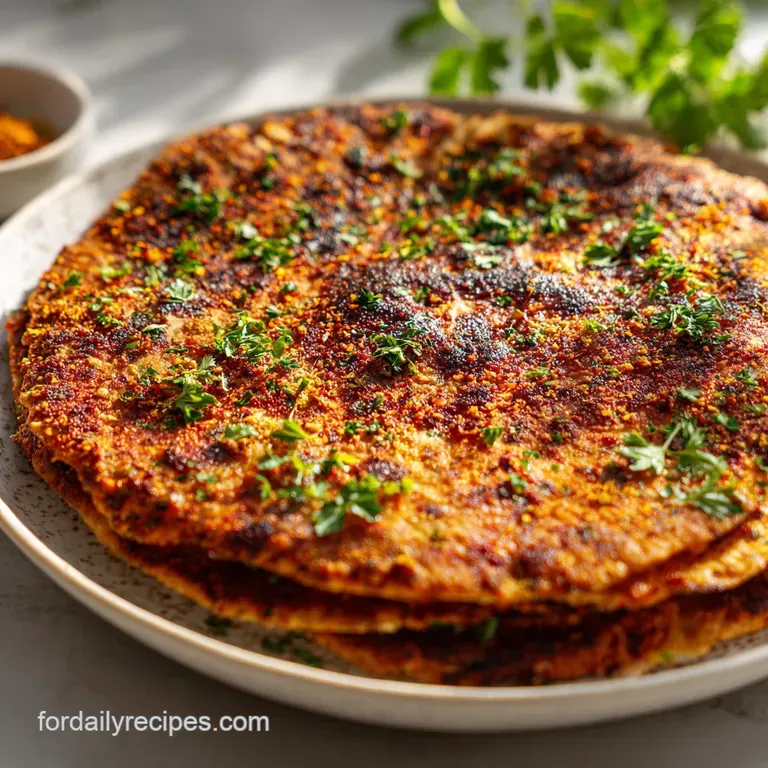
You don't need a brick oven to make an authentic Lahmacun Recipe, but you do need a way to mimic high intensity heat. A pizza stone or a heavy steel is the best investment you can make for your home kitchen. It acts as a thermal battery, dumping heat directly into the dough the second it touches the surface.
If you don't have a stone, an inverted heavy duty baking sheet works in a pinch. You also need a food processor to create the "paste" texture for the topping. Unlike a taco filling, this topping needs to be finely minced so it can be spread in a thin, translucent layer.
A rolling pin is non negotiable; we are aiming for a thickness of about 2mm.
step-by-step Execution Guide
1. Constructing the Foundation
Mix 500g bread flour, 10g sea salt, and 5g sugar in a large bowl. Dissolve 7g active dry yeast in 325ml warm water and let it foam until it smells bready and alive.
Combine the wet and dry ingredients, kneading for 10 minutes until the dough is silky and bounces back when poked. Note: This creates the gluten strength needed for ultra thin rolling.
2. The Fermentation Rest
Place the dough in a lightly oiled bowl and cover with a damp cloth. Let it rise for 2 hours until it has doubled in size and feels airy. Note: This long rest allows the gluten to relax so the dough won't shrink during rolling.
3. Preparing the Topping Base
Pulse the yellow onion, red bell pepper, garlic, and roma tomatoes in a food processor until they form a fine, pebbly mash. Note: Do not liquefy them; you want texture, not soup.
4. Creating the Meat Emulsion
Add 300g ground lamb, 2 tbsp tomato paste, 1 tbsp pepper paste, and the spices (paprika, urfa biber, cumin) to the vegetable mixture. Pulse briefly until the meat is fully integrated into a spreadable paste.
5. Final Seasoning Touch
Hand mix in 0.25 cup chopped parsley. Taste a tiny bit (cook it first if you're cautious) to ensure the salt levels are high enough to stand up to the bread.
6. Shaping the Dough
Divide the risen dough into 8 equal portions. Roll each piece into a smooth ball and let them rest for another 15 minutes until they feel loose and pliable.
7. Achieving Translucent Thinness
On a floured surface, roll one dough ball out until you can almost see the grain of the wood through it. It should be roughly 10 inches in diameter.
8. The Application Technique
Spread about 3 tablespoons of the lamb mixture over the dough, using your fingers to press it in until it covers the entire surface to the very edge. Note: Leaving a "crust" edge is for pizza, not lahmacun.
9. The Flash Bake
Slide the flatbread onto a preheated pizza stone (at 500°F/250°C). Bake for 5 to 8 minutes until the edges are charred and the meat is sizzling.
10. The Softening Stage
Stack the finished lahmacuns on a plate and cover them with a clean towel until they become flexible enough to roll. Note: The steam from the stack is what gives them their classic texture.
Preventing Common Baking Mistakes
One of the biggest hurdles is the "soggy center" syndrome. This usually happens because the vegetables in the topping were too watery. If your tomatoes are particularly juicy, give the minced vegetable mixture a gentle squeeze through a fine mesh sieve before adding the meat.
You want the moisture to steam the dough from the top, not drown it.
Another issue is the dough snapping back. If you try to roll it and it keeps shrinking, it’s telling you it’s stressed. Cover it and walk away for 10 minutes. This allows the gluten bonds to slacken. While you wait, you might want to prep a side dish like my Tzatziki Sauce Recipe which provides a perfect cool contrast to the spicy lamb.
To Achieve the Shattering Crust
The heat must be high higher than you probably think. If your oven goes to 550°F, use it. The goal is a quick "flash" that evaporates the water in the dough instantly, creating tiny air pockets that turn into a crisp lattice.
Preventing the Topping from Sliding
If the meat layer is too thick, it will steam the bread rather than roast onto it. Use the back of a spoon or your fingers to smear it so thin that the dough peeks through in some spots. This ensures the meat and bread become a single, unified layer.
| Problem | Root Cause | Solution |
|---|---|---|
| Dough is Tough | Over kneading or low hydration | Ensure 65% hydration and allow a long rest period |
| Topping is Soupy | Excess vegetable water | Drain processed vegetables before mixing with meat |
| Bottom is Pale | Cold baking surface | Preheat pizza stone for at least 45 minutes |
Common Mistakes Checklist:
- ✓ Never skip the second rest of the dough balls (prevents "shrink back")
- ✓ Preheat your oven for at least 45 minutes to ensure the stone is saturated with heat
- ✓ Don't use lean meat; you need at least 15-20% fat for the proper "sizzle"
- ✓ Roll the dough much thinner than you think it should be almost translucent
- ✓ Squeeze the onions and peppers if they look like a puddle after processing
Creative Flavor Variations
While the classic lamb version is the gold standard, the versatility of this base allows for many global adaptations. For instance, if you're in the mood for a different flavor profile entirely, the underlying concept of a spreadable savory topping is similar to the techniques used in my Teriyaki Sauce Recipe, where sweetness and umami are carefully balanced.
Lahmacun Recipe Vegetarian
Replace the 300g ground lamb with a mixture of 150g finely minced mushrooms (like cremini) and 150g cooked brown lentils. Use a tablespoon of walnuts to add back the missing fat and crunch. The mushroom "bleeding" provides the same umami depth as the meat.
Lahmacun Recipe Pita Bread
In a hurry? Use store-bought thin pita bread as the base. Spread the meat mixture directly onto the pita and bake at 450°F for 10 minutes. While it won't have the same "shatter" as the homemade dough, it’s a brilliant weeknight shortcut that still delivers those extraordinary spices.
Storage and Preservation Tips
Leftover lahmacun is a gift. It stores remarkably well because the thin crust doesn't get as "bready" or stale as thick crust pizza. You can keep them in the fridge for up to 3 days. To reheat, avoid the microwave at all costs it will turn your masterpiece into a rubbery disc.
Instead, place a dry skillet over medium heat, add the flatbread, and cover with a lid for 2 minutes. The bottom crisps back up while the steam from the lid re hydrates the topping.
For long term storage, these are freezer champions. Place a piece of parchment paper between each flatbread, wrap the stack in foil, and freeze for up to 3 months. You can actually bake them directly from frozen in a hot oven (400°F) for about 5 minutes.
Zero Waste Tip: If you have leftover meat topping but no dough, it makes an incredible base for a spicy meat sauce or can be stuffed into bell peppers and roasted. The parsley stems shouldn't be tossed either; finely mince them and add them to the topping for extra peppery crunch.
Perfect Side Dish Pairings
The way you eat lahmacun is just as important as how you cook it. It is rarely eaten flat like a pizza. Instead, it is treated as a wrap. The classic accompaniment is a salad of red onions, sumac, and plenty of fresh parsley.
You place a handful of the salad in the middle, squeeze over a generous amount of fresh lemon juice, and roll it up.
If you find the heat of the urfa biber a bit too intense, a creamy element works wonders. While not traditional, a drizzle of Garlic Parmesan Sauce recipe can add a velvety richness that balances the spice. However, the most authentic experience is a glass of cold, salty ayran (a yogurt drink) to wash it all down.
Chef's Tip: To get that authentic smoky flavor without a wood fired oven, add a tiny pinch of activated charcoal or a drop of high-quality liquid smoke to the meat mixture. It's a small cheat that creates a big atmospheric impact.
The Wrap Method
To ensure your lahmacun doesn't crack when you roll it, remember the "steaming" step. By stacking the hot flatbreads and covering them, the residual moisture softens the crust just enough to make it pliable. If you skip this, the bread will stay "cracker crisp" and shatter into pieces when you try to fold it.
Both ways are delicious, but the wrap is the true street food experience.
Making this Lahmacun Recipe at home is more than just cooking; it’s about bringing a piece of global heritage into your kitchen. It’s a dish that demands you get your hands dirty, from the initial kneading of the flour to the final, messy, lemon dripping roll.
It’s extraordinary, it’s spicy, and it’s a recipe that truly transcends borders.
Lahmacun Recipe FAQs
What are the ingredients in lahmacun?
The essential ingredients are bread flour, ground lamb (high fat content is key), tomatoes, onion, bell pepper, parsley, and a specific spice blend including Urfa biber and cumin. The meat topping must be processed into a fine paste so it spreads thinly and cooks evenly onto the dough.
What is the best meat for lahmacun?
Ground lamb with at least 20% fat content is best. The fat renders during the high heat bake, effectively self basting the thin dough to prevent dryness and add crucial flavor depth.
Is lahmacun Turkish or Greek?
It is overwhelmingly recognized as Turkish in origin. While similar flatbreads exist throughout the Levant and the Balkans, the distinctive spice profile and preparation method are distinctly Anatolian.
Can you use pizza dough to make lahmacun?
Yes, you can use it as a quick substitute, but the texture will differ significantly. Pizza dough is typically higher in yeast and fat, resulting in a thicker, chewier crust, whereas authentic lahmacun requires a very high protein, low-hydration dough rolled almost transparently thin.
How to achieve the signature "shattering" crust texture?
Bake the assembled flatbread at the highest possible temperature, ideally 500°F or higher, on a preheated pizza steel or stone. This intense, direct heat causes the starches to explode immediately, creating crispness before the thin dough has time to dry out.
How do I stop the meat topping from making the dough soggy?
Mince your vegetables (tomato, onion, pepper) finely and lightly drain any excess liquid before mixing them into the ground lamb. The topping needs to be a thick paste, not a watery sauce, ensuring the heat cooks the moisture off rather than steaming the dough.
What is the proper way to serve and eat lahmacun?
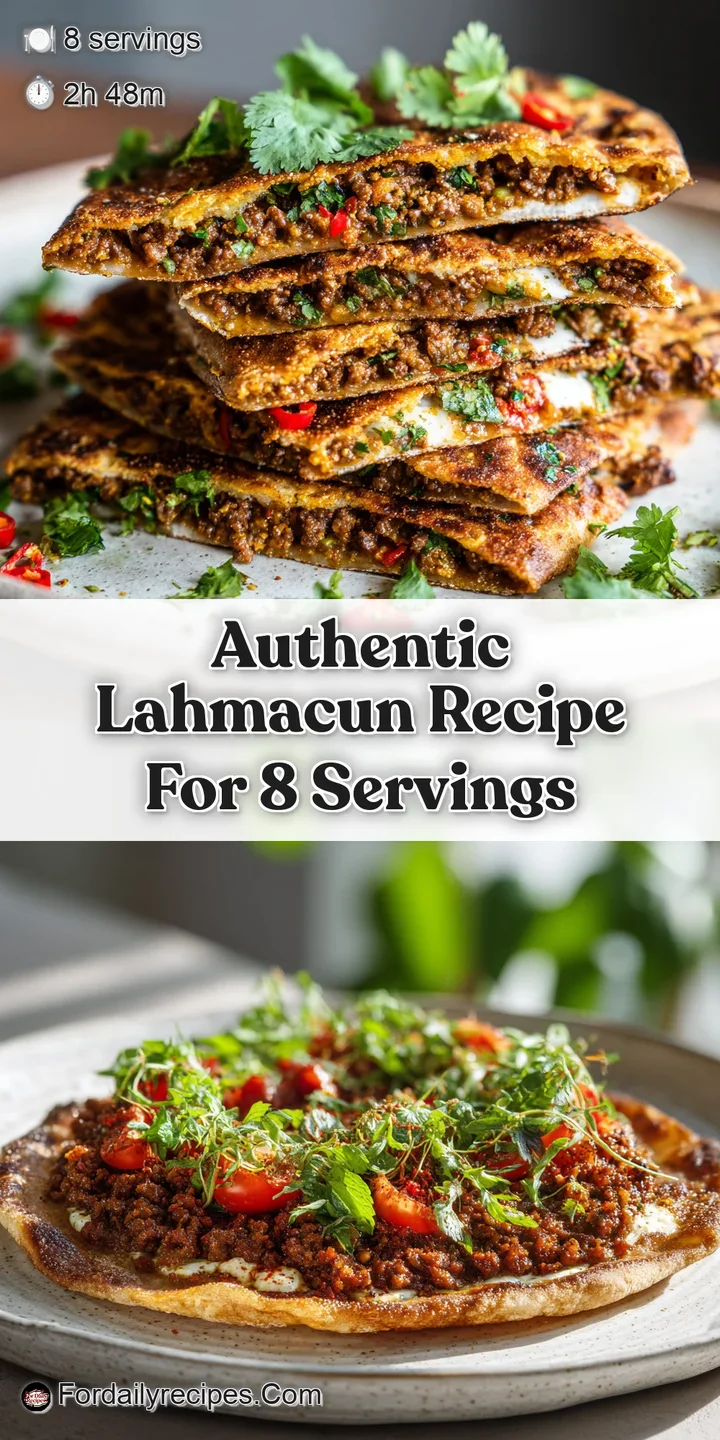
Serve immediately after a quick steam under a towel, and roll it up tightly. Squeeze fresh lemon juice over the topping, pile on fresh parsley and thinly sliced raw onions, and roll it like a soft taco for the authentic experience.
Authentic Lahmacun Recipe Guide
Ingredients:
Instructions:
Nutrition Facts:
| Calories | 364 kcal |
|---|---|
| Protein | 15.1 g |
| Fat | 9.4 g |
| Carbs | 53.8 g |
| Fiber | 2.6 g |
| Sugar | 3.2 g |
| Sodium | 648 mg |
