Velvety Garlic Aioli Recipe
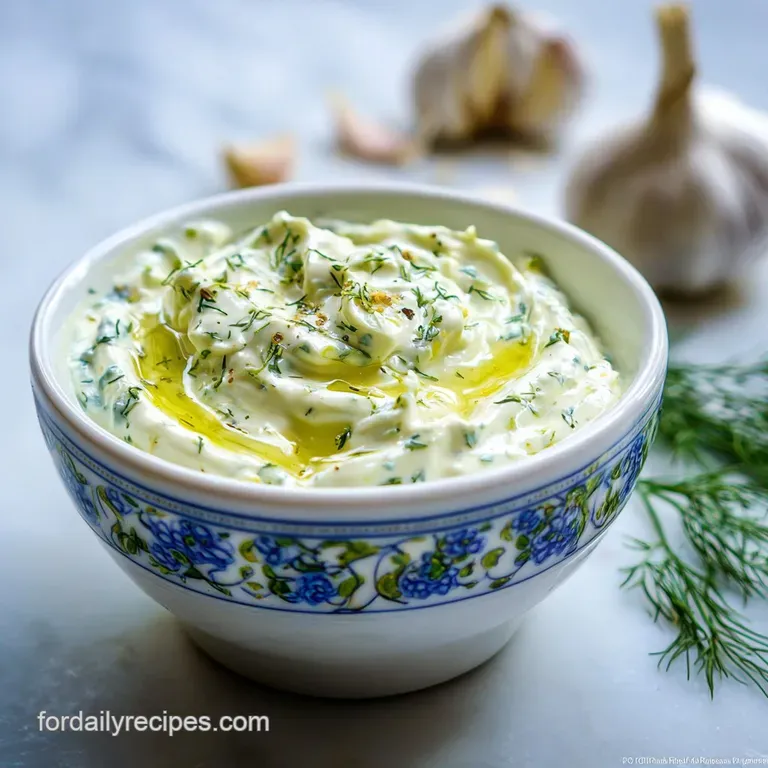
- Time: Active 10 minutes, Passive 0 minutes, Total 10 minutes
- Flavor/Texture Hook: Pungent, silky, and luxuriously thick
- Perfect for: Dipping crispy fries, drizzling over grilled fish, or dressing up a simple roast
- The Soul of a Traditional Garlic Aioli Recipe
- The Science Behind a Perfectly Stable Emulsion
- Time and Yield Details for Your Kitchen
- Selecting Quality Ingredients for Deep Flavor Layers
- Selecting the Right Tools for Silky Results
- Easy Steps for Crafting This Golden Sauce
- Solving Common Problems with Your Homemade Sauce
- Creative Ways to Customize Your Flavor Profile
- How to Store and Keep Your Sauce
- Serving Suggestions for Your Rich Garlic Sauce
- Recipe FAQs
- 📝 Recipe Card
The Soul of a Traditional Garlic Aioli Recipe
The first time I really understood garlic, I was standing in a sun drenched kitchen watching my grandmother crush cloves against a wooden board. The air grew thick with that sharp, stinging aroma that eventually mellows into something sweet and buttery.
She didn't use a machine, she used her hands and a pinch of coarse salt, turning those stubborn cloves into a translucent, sticky paste that acted as the foundation for everything.
That's the secret to this garlic aioli recipe. It's not just a flavored mayo, it's a labor of love that honors the pungent bite of fresh garlic. When you whisk it by hand, you see the exact moment the oil stops being a liquid and transforms into a shimmering, stable cloud.
It’s a rhythmic, almost meditative process that yields a sauce so thick it clings to a spoon like velvet.
We've all been tempted to just stir some powder into a jar of store-bought stuff, but trust me on this, the heritage method is worth every second. Once you taste the contrast between the sharp lemon and the rich, golden olive oil, you'll never go back to the shortcut.
Let's get our ingredients to room temperature and start building those flavor layers.
The Science Behind a Perfectly Stable Emulsion
The Physics of the Lipid Bridge
This sauce relies on emulsification, which is the process of forcing oil and water based liquids like lemon juice to bond. The egg yolk acts as a bridge, using lecithin to wrap around tiny oil droplets and keep them from clumping back together.
- Molecular Bonding: Egg yolks contain lecithin, a powerful emulsifier that prevents the oil and lemon juice from separating.
- Alliinase Control: Crushing garlic with salt breaks down cell walls, releasing alliinase to create that signature bite before the oil mellows it.
- Surface Tension: Adding oil drop by-drop ensures the droplets stay small enough for the lecithin to surround them completely.
- Viscosity Build: As more oil is suspended, the mixture becomes denser because the droplets are packed so tightly they can't move.
| Method | Time | Texture | Best For |
|---|---|---|---|
| Mortar & Pestle | 15 minutes | Thick, rustic paste | Authentic traditionalists |
| Hand Whisk | 10 minutes | Silky and light | Control and precision |
| Food Processor | 5 minutes | Uniform and airy | Large batches/Quick prep |
There is a massive difference between a hand whisked sauce and one whipped in a machine, mostly in how the air is incorporated. Similar to the process of making a homemade mayo recipe, a hand whisked version feels more substantial on the tongue, whereas a processor makes it light and almost frothy.
Time and Yield Details for Your Kitchen
Before we start, we need to make sure our environment is right because temperature is the silent killer of emulsions. If your egg is cold, the oil won't want to bond, and you'll end up with a greasy mess instead of a shimmering sauce.
I always pull my egg out of the fridge at least 30 minutes before I even think about peeling the garlic.
| Component | Analysis | Pro Secret |
|---|---|---|
| Egg Yolk | Primary Emulsifier | Must be room temperature to bond |
| Fresh Garlic | Flavor Base | Remove the green germ for sweetness |
| Grapeseed Oil | Fat Structure | Neutral base prevents olive oil bitterness |
| Lemon Juice | Acid Balance | Cuts through the heavy fat richness |
Getting the balance of oils right is also a trick I learned the hard way. I once tried making this with 100% extra virgin olive oil, and it was so bitter it was practically inedible. By using a majority of neutral grapeseed oil and finishing with the olive oil, you get the heritage flavor without the harsh aftertaste.
Selecting Quality Ingredients for Deep Flavor Layers
- 4 medium cloves garlic, fresh Why this? Fresh garlic provides the essential sulfur compounds for kick.
- 0.5 tsp Kosher salt Why this? Acts as an abrasive to grind garlic into paste.
- 1 large egg yolk, room temperature Why this? The anchor that holds the entire emulsion together.
- 1 tsp Dijon mustard Why this? Adds a secondary emulsifier and a subtle tang.
- 1 tbsp fresh lemon juice, strained Why this? Brightens the heavy fats and stabilizes the yolk.
- 0.5 cup neutral grapeseed oil Why this? Provides the bulk of the volume without adding flavor.
- 2 tbsp high-quality extra virgin olive oil Why this? Adds the traditional peppery finish and golden hue.
- 0.125 tsp freshly cracked black pepper Why this? Adds a tiny bit of heat and visual speckle.
Selecting the Right Tools for Silky Results
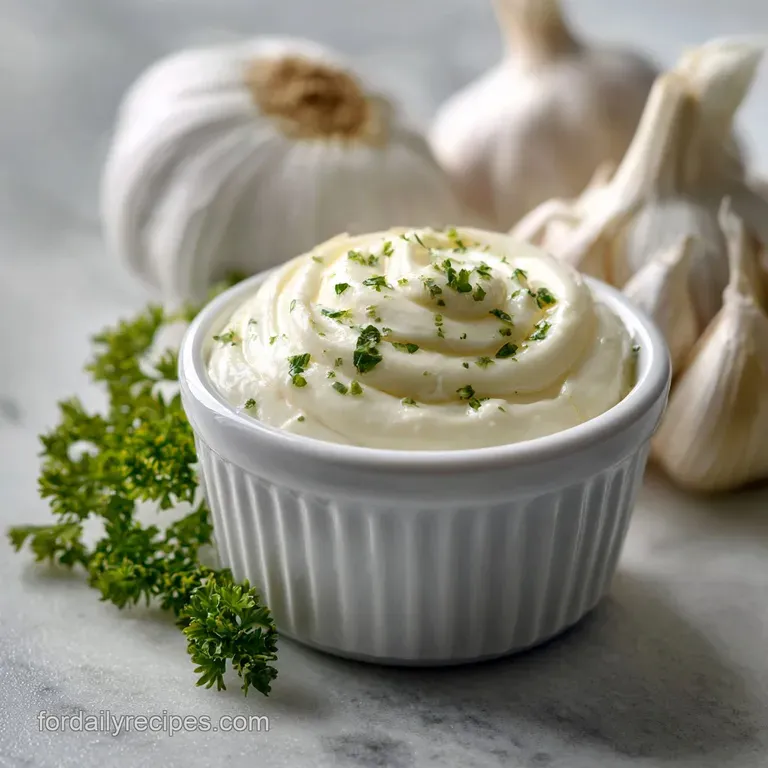
You don't need a lot of gear for an authentic aioli recipe, but what you use matters. A heavy ceramic bowl is better than stainless steel because it doesn't slide around as much while you're whisking with one hand and pouring with the other.
If you have a mortar and pestle, that's the best way to start the garlic paste, but a chef's knife and the side of the blade work just as well in a pinch.
I highly recommend a balloon whisk with many thin wires. It breaks the oil into smaller droplets much faster than a heavy duty whisk. If you're nervous about the bowl moving, damp a kitchen towel, twist it into a "nest," and set the bowl inside it. It’ll stay perfectly still while you work.
Chef's Tip: Freeze your mixing bowl for 5 minutes before starting. A cold bowl helps the emulsion stay stable and prevents the friction of whisking from warming the fats too much.
Easy Steps for Crafting This Golden Sauce
- Paste the garlic. Mash 4 medium cloves garlic with 0.5 tsp Kosher salt on a cutting board using the side of your knife until a smooth, translucent paste forms. Note: The salt acts as an abrasive to break down the fibers.
- Prep the base. Whisk the garlic paste, 1 large egg yolk, 1 tsp Dijon mustard, and 1 tbsp lemon juice in a medium bowl until the mixture looks pale and slightly frothy.
- Begin the drip. Add the 0.5 cup grapeseed oil literally one drop at a time while whisking vigorously. Cook X min (or rather, whisk for 3 minutes) until the base thickens and turns opaque.
- Stream the oil. Once the emulsion is established, begin adding the remaining grapeseed oil in a very thin, steady stream until the mixture is thick enough to hold its shape.
- Add the finish. Slowly whisk in the 2 tbsp extra virgin olive oil. Cook X min (whisk for 1 minute) until the sauce takes on a golden sheen and a velvety texture.
- Season the mix. Stir in the 0.125 tsp freshly cracked black pepper.
- Rest the sauce. Let the aioli sit at room temperature for 15 minutes. until the flavors have fully melded and the garlic bite mellows.
- Taste and adjust. Dip a piece of bread in to check for salt or acid.
- Chill for serving. Cover and refrigerate until the texture sets firmly.
Solving Common Problems with Your Homemade Sauce
Why Your Aioli is Thin
If your sauce looks more like a heavy cream than a thick dip, you likely added the oil too fast at the beginning. The oil droplets didn't have enough time to be "wrapped" by the egg yolk, so they are just floating around instead of stacking.
Why Your Aioli Broke
A "broken" sauce looks curdled or greasy, with clear oil pooling at the edges. This usually happens if the ingredients were at different temperatures or if the bowl got too hot from the friction of whisking.
| Problem | Root Cause | Solution |
|---|---|---|
| Curdled appearance | Oil added too quickly | Start a new yolk and slowly whisk the broken mix into it |
| Bitter aftertaste | Low quality olive oil | Use more neutral oil and less EVOO next time |
| Too much garlic bite | Garlic was too old/sprouted | Whisk in a teaspoon of warm water or honey to mellow it |
This logic applies to many oil based sauces, including the base for a Seafood Boil Sauce Recipe, where the balance of fat and aromatics is everything.
Common Mistakes Checklist:
- ✓ Ensure the egg yolk is strictly at room temperature before starting.
- ✓ Use a damp towel under your bowl to prevent it from sliding.
- ✓ Add the first 2 tablespoons of oil drop by-drop without rushing.
- ✓ Remove the green "germ" from the center of the garlic cloves if they aren't brand new.
- ✓ Don't skip the Dijon; it provides extra insurance for the emulsion.
Creative Ways to Customize Your Flavor Profile
If you want a roasted garlic aioli recipe, simply swap the raw cloves for a head of roasted garlic squeezed from its skins. It will be much sweeter and less pungent, almost like a savory caramel. It's a crowd favorite for burgers or thick cut fries.
For those looking for a garlic aioli recipe with greek yogurt, you can replace half of the oil based emulsion with thick yogurt. It makes the sauce tangier and lighter, though it won't have that same shatter on-the tongue richness of the original.
| Original Ingredient | Substitute | Why It Works |
|---|---|---|
| Grapeseed Oil | Avocado Oil | Similar neutral profile with healthy fats. Note: Slightly more expensive. |
| Lemon Juice | White Wine Vinegar | Provides the necessary acid. Note: Gives a sharper, less fruity tang. |
| Egg Yolk | Aquafaba (2 tbsp) | Creates a garlic aioli recipe no egg version. Note: Texture is slightly thinner. |
How to Store and Keep Your Sauce
Since this is a fresh emulsion with a raw egg yolk, you have to be careful with storage. Keep it in a glass jar with a tight fitting lid in the back of the fridge, which is the coldest part. It will stay fresh and delicious for up to 3 days.
I don't recommend freezing it; the ice crystals will pierce the delicate fat membranes, and the whole thing will turn into an oily puddle when it thaws.
If you have leftovers, don't throw them out! Use the extra to coat chicken breasts before breading them, or stir a spoonful into mashed potatoes for a massive flavor boost. It's also incredible as a base for a creamy salad dressing when thinned out with a little extra lemon juice.
Serving Suggestions for Your Rich Garlic Sauce
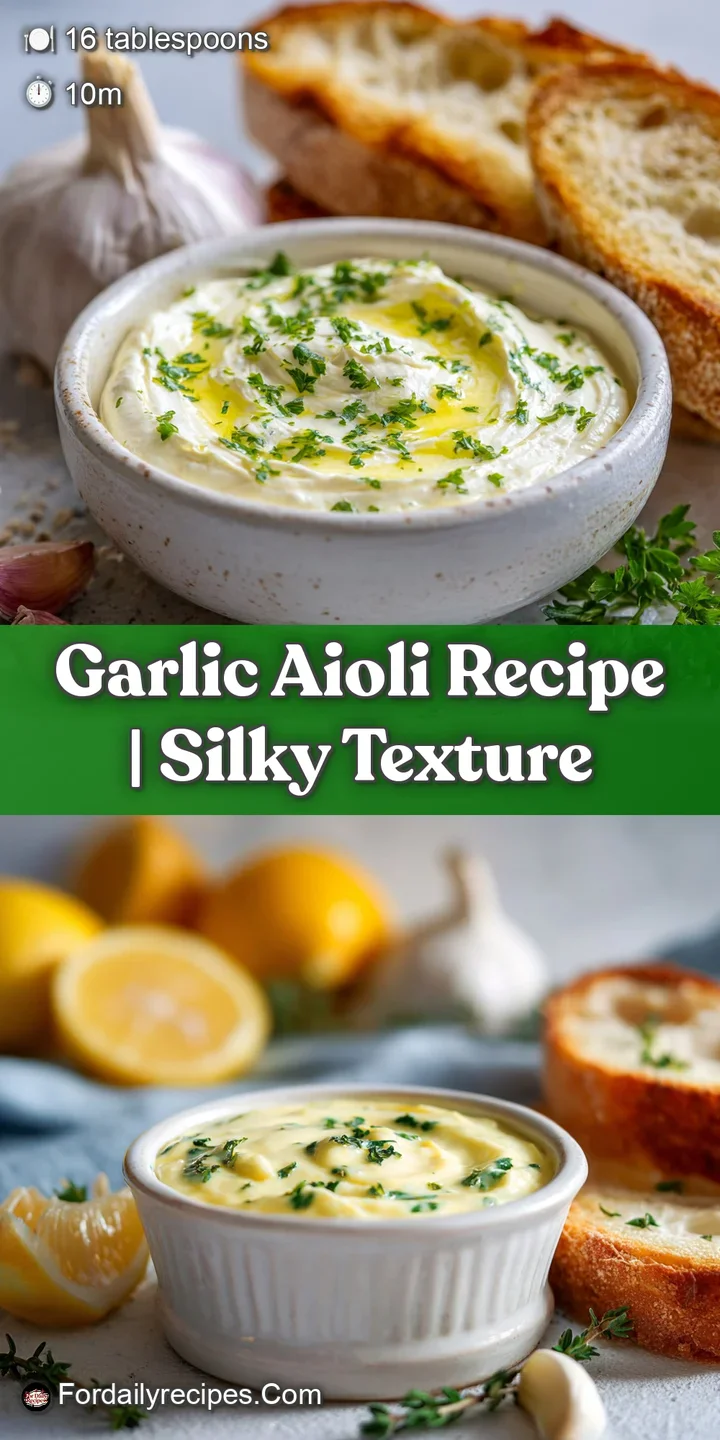
This sauce is the king of condiments. It’s the "best garlic aioli recipe" for a reason it makes everything it touches taste like a holiday in the Mediterranean. I love serving it alongside a fresh Greek Salad Recipe to add a creamy element to the crisp vegetables.
- If you want a dip: Keep it thick and serve with blanched green beans or boiled potatoes.
- If you want a drizzle: Whisk in a teaspoon of warm water to thin it out for grilled meats.
- If you want a spread: Leave it in the fridge for 2 hours to firm up before putting it on a sandwich.
Don't be afraid of the garlic! While it seems strong at first, the fats in the oil and yolk wrap around the pungent compounds, creating a flavor that lingers beautifully without being overwhelming. It’s a time honored tradition that deserves a spot on your table.
Recipe FAQs
What is garlic aioli made of?
Traditionally, it is made from crushed garlic emulsified with olive oil, salt, and sometimes egg yolk. Modern recipes often rely on the egg yolk as the primary emulsifier, similar to making mayonnaise, to achieve a stable, creamy texture.
How to make homemade aioli from scratch?
Mash fresh garlic with salt until it forms a smooth paste. Whisk this paste vigorously with an egg yolk and lemon juice, then incorporate oil extremely slowly, drop by drop, until a thick emulsion forms.
Is garlic mayonnaise the same as aioli?
No, but they are functionally very similar today. True, historical aioli was an emulsion of only garlic and oil; modern recipes overwhelmingly use egg yolk, which makes the resulting sauce technically a garlic flavored mayonnaise.
What is Panera garlic aioli made of?
Panera's specific recipe is proprietary, but it is a commercial version of a classic garlic mayonnaise. It generally contains soybean oil, water, egg yolks, vinegar, garlic powder, and seasonings to ensure stability and shelf life.
Why did my homemade aioli break and become oily?
You added the oil too quickly or the temperature was inconsistent. The bond between the fat and liquid broke because the oil droplets couldn't be fully encapsulated by the emulsifier (the egg yolk). If you master the stable emulsion here, you can apply that same principle when learning our Homemade Mayo Recipe to prevent future breaks.
Can I use oil other than olive oil in aioli?
Yes, most chefs recommend using a neutral oil like grapeseed or canola for the majority of the volume. Olive oil should be used sparingly at the end, as using 100% EVOO results in a sauce that is often too bitter or pungent for dipping.
What is the best way to prevent the raw garlic from tasting too sharp?
Mashing the garlic with coarse salt acts as an abrasive to break down the cell walls gently. Removing the small green germ from the center of older cloves also significantly reduces harshness, leading to a sweeter, more mellow final product.
Velvety Garlic Aioli Recipe
Ingredients:
Instructions:
Nutrition Facts:
| Calories | 80 kcal |
|---|---|
| Protein | 0.2 g |
| Fat | 8.7 g |
| Carbs | 0.4 g |
| Fiber | 0 g |
| Sugar | 0.1 g |
| Sodium | 76 mg |
