Broccoli Pasta: Silky Garlic Sauce
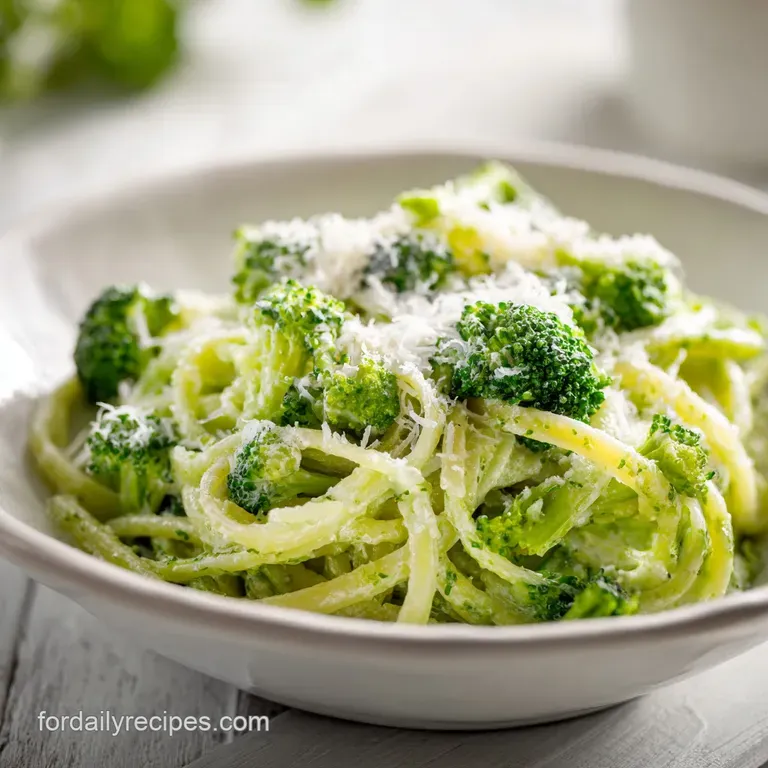
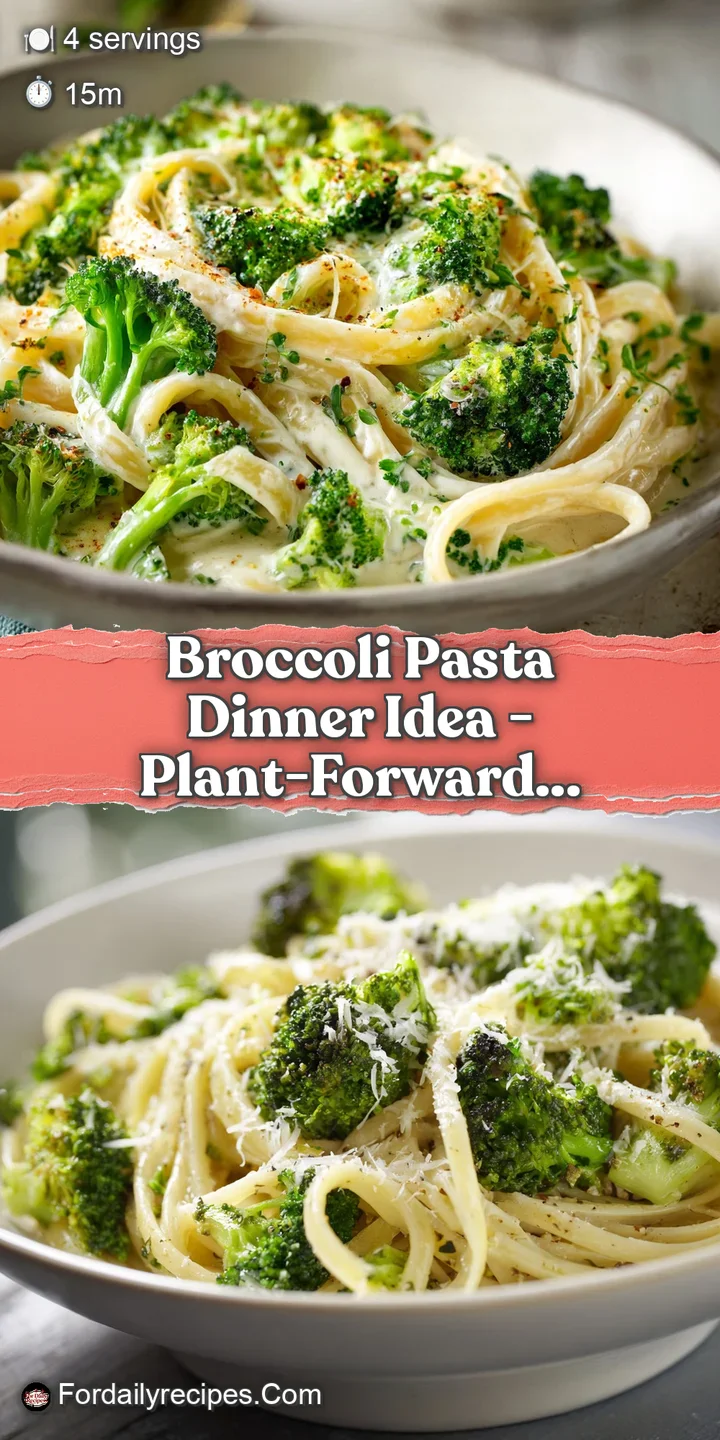
- Time: Active 5 mins, Passive 10 mins, Total 15 mins
- Flavor/Texture Hook: Nutty, garlic infused, and velvety
- Perfect for: Budget conscious weeknight dinners and meal prep
- Mastering the Best Simple Broccoli Pasta
- The Physics of the Green Melt
- Essential Time and Nutrient Metrics
- Selecting Your Thrifty Ingredient Elements
- Minimal Tools for Maximum Flavor
- The Simple Method for Silky Results
- Common Fixes for Smooth Texture
- Smart Variations for Every Budget
- Debunking Kitchen Myths
- Storage and Zero Waste Methods
- Simple Ways to Serve Style
- High in Sodium
- Recipe FAQs
- 📝 Recipe Card
Mastering the Best Simple Broccoli Pasta
You know that specific sound when you drop a handful of thinly sliced garlic into a pool of warm olive oil? That gentle, rhythmic sizzle is the first sign that something incredible is happening. For years, I struggled with broccoli pasta because I was too focused on keeping the florets bright green and crunchy.
The result was always a bowl of dry noodles with some sad, lonely trees rolling around at the bottom. It felt disconnected, like the pasta and the vegetables were just roommates who didn't really talk to each other.
Then, I learned the secret from a small trattoria in Puglia: you have to let the broccoli suffer a little. When you boil the broccoli stems and florets right alongside the pasta, they surrender their structure.
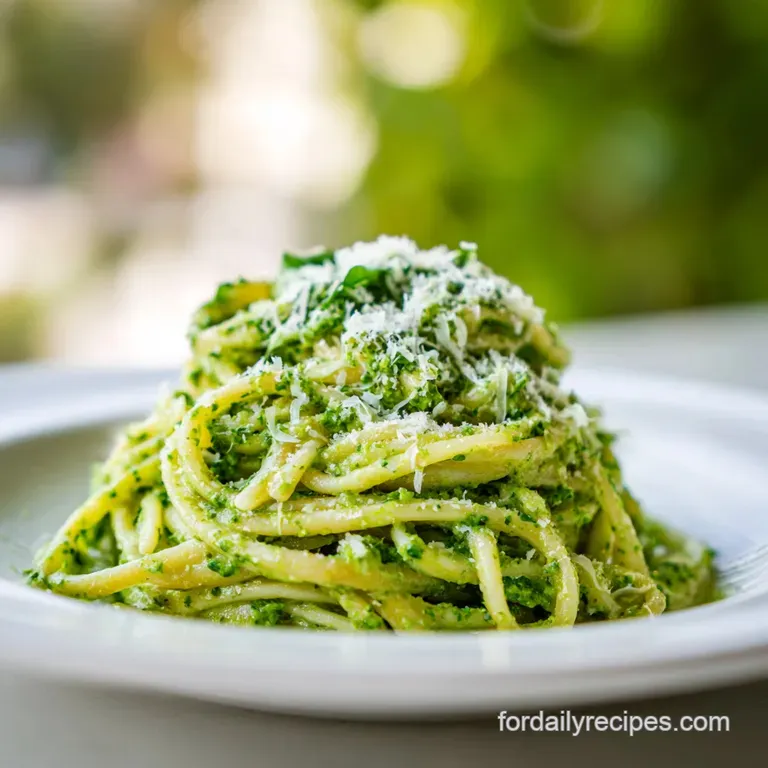
They become soft enough to be mashed into the olive oil, creating a thick, vibrant green sludge that clings to the pasta. It's not pretty in the pan, but once you take that first bite where the sauce is literally part of the noodle, you'll never go back to "al dente" vegetables again.
Trust me on this, we're making a sauce, not a side dish.
This recipe is the epitome of wholesome necessity. It's built on pantry staples like dried pasta and garlic, but it feels like a luxury because of the technique. We are going to use the entire head of broccoli, stems and all, because that’s where the real flavor hides.
It’s budget friendly, plant forward, and honestly, it's the kind of meal that makes you feel like you’ve actually nourished your body without spending an hour at the stove.
The Physics of the Green Melt
Understanding the "how" behind this dish makes it easier to replicate every time. It’s all about breaking down the cellulose in the broccoli so it can dance with the starches in the water.
- Pectin Breakdown: Prolonged boiling weakens the pectin in the broccoli cell walls, allowing the florets to disintegrate into a "mash" that forms the base of your sauce.
- Starch Emulsification: The 2 tbsp salt in the water doesn't just season; it helps pull starch out of the pasta, which then acts as a bridge between the oil and the vegetable puree.
- Cold Emulsion Finish: Adding the lemon juice and cheese at the very end, off the heat, prevents the fat from separating, ensuring a velvety coating rather than an oily puddle.
| Cooking Method | Total Time | Texture Outcome | Best Usage |
|---|---|---|---|
| Stovetop (This Recipe) | 15 mins | Silky, integrated sauce | Quick weeknight comfort |
| oven-roasted | 35 mins | Crispy, charred edges | When you want nuttier, smoky notes |
| Slow Cooker | 2 hours | Very soft, almost soup like | Large batch meal prep |
This stovetop method is my absolute favorite because it’s the most efficient. Much like the technique I use in my Chicken Broccoli Rice recipe, the goal is to make the vegetable and the starch work together as one unit. The stovetop allows you to control the exact moment the broccoli starts to melt, which is the "sweet spot" for flavor.
Essential Time and Nutrient Metrics
| Component | Science Role | Pro Secret |
|---|---|---|
| Pasta Water | Primary Emulsifier | Never toss it! The "liquid gold" binds the oil to the noodles perfectly. |
| Broccoli Stems | Texture & Fiber | Dicing them small ensures they cook at the same rate as the delicate florets. |
| Garlic Slices | Aromatic Base | Slice, don't mince. Thin slices toast slowly and offer a mellow, nutty sweetness. |
Before we start throwing things in the pot, let's talk about the checkpoints. To get this right, you need to watch for three things: the pasta water should look cloudy (that's the starch), the garlic should look like stained glass (translucent, not brown), and the broccoli should practically vanish when you press it with a wooden spoon.
If you have those three, you’ve won.
Selecting Your Thrifty Ingredient Elements
Everything on this list is designed to be accessible. We aren't looking for rare truffles; we are looking for the best versions of basic ingredients.
- 1 lb Orecchiette, Rigatoni, or Penne pasta: Why this? Shapes with "cups" or ridges catch the mashed broccoli sauce best.
- Substitute: Whole wheat fusilli for a heartier, more fibrous bite.
- 1.5 lbs broccoli: Why this? This high ratio ensures the broccoli becomes the sauce itself.
- Substitute: Cauliflower works, though it results in a much creamier, white sauce.
- 2 tbsp salt: Why this? Necessary for flavor and to help break down the vegetable fibers.
- Substitute: Sea salt or kosher salt both work fine here.
- 1/3 cup extra virgin olive oil: Why this? The fat carries the garlic and chili flavors throughout the dish.
- Substitute: Avocado oil if you want a more neutral flavor profile.
- 4 cloves garlic, thinly sliced: Why this? Slices provide a more elegant, less biting garlic flavor than mincing.
- Substitute: 1 tsp garlic powder in a pinch, though the fresh aromatics are better.
- 1/2 tsp red pepper flakes: Why this? Adds a subtle back of-the throat warmth without being "spicy."
- Substitute: A pinch of cayenne pepper if you lack flakes.
- 1 large lemon, zested and juiced: Why this? The acidity brightens the heavy starches and cuts through the olive oil.
- Substitute: 1 tbsp white wine vinegar if you don't have fresh citrus.
- 1/2 cup freshly grated Parmigiano Reggiano: Why this? Adds a salty, umami kick that thickens the final sauce.
- Substitute: Nutritional yeast for a completely vegan alternative.
- Freshly cracked black pepper: Why this? Adds floral notes and a sharp finish.
- Substitute: White pepper for a more subtle heat.
Minimal Tools for Maximum Flavor
You don't need a kitchen full of gadgets for this. A large pasta pot (at least 6 liters) is essential so the broccoli and pasta have room to circulate without sticking. You'll also need a wide skillet or sauté pan to finish the dish.
Chef's Tip: Use a spider strainer instead of a colander. This allows you to move the pasta and broccoli directly into the skillet while preserving all that precious, starchy water in the pot. It’s a total mess saver.
A microplane or fine grater is your best friend for the lemon zest and cheese. The finer the cheese, the faster it melts into the sauce without clumping. If you're looking for a similar easy cleanup vibe, this setup is very close to what I use for my Ground Beef Pasta recipe.
The Simple Method for Silky Results
1. Prep the Veg
Finely dice the broccoli stems into 1cm cubes and break the florets into small, bite sized pieces. Note: Small pieces break down much faster in the boiling water.
2. Season the Water
Bring a large pot of water to a boil and add 2 tbsp salt. Note: The water should taste like the sea to properly season the pasta from the inside out.
3. The Double Boil
Add the 1 lb pasta and the 1.5 lbs broccoli to the boiling water at the same time. Cook 8-10 mins until the pasta is al dente and the broccoli is very soft.
4. Infuse the Oil
While the pasta boils, add 1/3 cup olive oil to a large skillet over medium low heat. Add the 4 cloves of sliced garlic and 1/2 tsp red pepper flakes. Sizzle for 3-4 mins until the garlic is translucent and fragrant.
5. Transfer and Mash
Use a spider strainer to move the pasta and broccoli directly into the skillet with the oil. Add 1/2 cup of the starchy pasta water immediately.
6. Create the Emulsion
Stir the mixture vigorously over medium heat, using your spoon to mash the softened broccoli florets against the side of the pan. Continue until a thick, green sauce forms and coats the pasta.
7. The Acid Pop
Turn off the heat. Add the lemon zest, lemon juice, and 1/2 cup Parmigiano Reggiano. Toss 1 min until the cheese is melted and the sauce is glossy.
8. Final Seasoning
Add freshly cracked black pepper to taste. Taste the pasta if it’s too thick, add one more splash of pasta water. Serve immediately while the sauce is at its peak silkiness.
Common Fixes for Smooth Texture
The Sauce is Dry or Oily
If your pasta looks like it’s just sitting in oil without a coating, you haven't added enough pasta water. The water is the magic ingredient that turns oil into sauce.
Solving the Crunchy Broccoli Problem
If you bite into a piece of broccoli and it still has a "snap," it wasn't boiled long enough. You can fix this by adding an extra cup of pasta water to the skillet and simmering the whole thing for 3-4 minutes under a lid to steam soften the veg.
| Problem | Root Cause | Solution |
|---|---|---|
| Bitter Sauce | Burnt garlic | Cook garlic on medium low only; if it turns dark brown, start over. |
| Clumpy Cheese | Added to high heat | Turn off the stove before adding the Parmigiano to ensure it melts smoothly. |
| Bland Flavor | Under salted water | Add a pinch of salt at the very end and increase the lemon juice. |
Common Mistakes Checklist
- ✓ Don't drain the pasta into a colander; you will lose the starch rich water needed for the sauce.
- ✓ Ensure the broccoli stems are diced tiny they are much tougher than the florets.
- ✓ Never use "low-fat" cheese substitutes here; you need the real fat to create the emulsion.
- ✓ Avoid boiling the lemon juice; adding it at the end preserves the bright, floral notes.
- ✓ Stir vigorously when adding the water; the mechanical action helps the sauce bind.
Smart Variations for Every Budget
If you need to scale this recipe down for a solo dinner, it's incredibly easy. Just halve everything, but use a slightly smaller pot so you don't lose too much water to evaporation. If you are scaling up for a crowd (2x), be careful with the red pepper flakes spices don't always need to be doubled perfectly.
Use 1.5x the spices and taste as you go.
For a protein packed twist, you might enjoy my Chicken Garlic Parmesan recipe. However, if you want to keep this specific broccoli dish but change it up, here are some thrifty swaps:
| Premium Ingredient | Budget Alternative | Flavor Impact |
|---|---|---|
| Parmigiano Reggiano | Pecorino Romano | Saltier and more pungent; use slightly less salt in the water. |
| Fresh Broccoli | Frozen Broccoli Florets | Softens even faster; add them in the last 5 mins of boiling. |
| Fresh Lemon | Bottled Lemon Juice | Lacks the zest aroma but provides the necessary acidity. |
If you want a "Creamier" feel:
Add 2 tbsp of unsalted butter at the same time as the cheese. It rounds out the sharp lemon and garlic.
If you want more "Crunch":
Toast 1/4 cup of panko breadcrumbs in a teaspoon of oil and sprinkle them over the top just before serving. It mimics the texture of expensive pine nuts without the cost.
If you want an "Umami" boost:
Melt 2-3 anchovy fillets into the olive oil with the garlic. They completely dissolve and add a savory depth that makes people wonder what your secret is.
Debunking Kitchen Myths
One of the biggest myths is that boiling broccoli for 10 minutes destroys all the nutrients. While some water soluble vitamins do leach into the water, you are actually "saving" some of them by using that very water to make your sauce! Another common misconception is that you should rinse your pasta.
Never rinse your pasta. Rinsing removes the starch that we desperately need to make our broccoli mash turn into a velvety sauce.
Another myth is that you need "expensive" olive oil for cooking. Save the $30 bottle for drizzling over bread. For this recipe, a standard, reliable extra virgin olive oil from the grocery store is perfect. The heat of the skillet will mellow out the nuances of a high end oil anyway, so don't waste the good stuff here.
Storage and Zero Waste Methods
This pasta keeps surprisingly well in the fridge for up to 4 days. When reheating, the sauce will likely have been absorbed by the noodles, making it look dry. To fix this, add a tiny splash of water (or broth) before microwaving or heating on the stovetop. This "wakes up" the starches and restores the creaminess.
I don't recommend freezing this dish, as the broccoli can become unpleasantly mushy upon thawing. Instead, focus on zero waste with your leftovers. If you have extra stems you didn't use, peel the tough outer skin and slice the tender centers into matchsticks for a quick slaw or a stir fry the next day.
The leftover lemon halves can be tossed into a jar of water in the fridge to give you a refreshing drink while you clean up.
Simple Ways to Serve Style
Even a budget friendly meal deserves to look beautiful. Since this is a very "green" dish, it looks stunning on a white or light colored plate. I like to save a few small broccoli florets and sauté them separately for just 2 minutes so they stay bright green and firm, then perch them on top of the "melted" pasta for a nice visual contrast.
Finish with a final dusting of cheese and a tiny pinch of red pepper flakes right in the center. It signals to your guests (or just yourself!) that this isn't just a bowl of noodles it's a thoughtfully crafted meal. If you have any fresh parsley or basil hanging around, a rough tear of those leaves over the top adds a layer of freshness that complements the lemon perfectly. Pair it with a simple Italian Pasta Salad recipe on the side if you're serving a larger group, and you've got a feast.
High in Sodium
845 mg of sodium per serving (37% of daily value)
American Heart Association recommends limiting sodium intake to about 2,300mg per day for overall health.
Tips to Reduce Sodium in Your Broccoli Pasta:
-
Reduce Parmesan-15%
Parmesan cheese is a significant source of sodium. Try using only 1/4 cup of freshly grated Parmigiano Reggiano instead of 1/2 cup, or substitute with a lower sodium cheese like ricotta salata in smaller quantities. This will significantly reduce the sodium content while still providing flavor.
-
Limit Salt in Pasta Water-12%
Instead of 2 tbsp of salt for pasta water, reduce it to 1 tbsp or eliminate it altogether. The pasta will absorb less sodium, and you can enhance the flavor with herbs and other seasonings after cooking.
-
Boost Lemon Flavor-8%
Increase the amount of lemon zest and juice. The acidity brightens the dish and balances the flavors, potentially reducing the perceived need for salt. Add the zest at the end to preserve the volatile oils for a more vibrant flavor.
-
Control Red Pepper Flakes-5%
While red pepper flakes don't contain sodium, they enhance the overall flavor. Use them judiciously, and consider adding a pinch more black pepper for added depth without increasing sodium.
-
Enhance with Herbs & Spices
Experiment with fresh herbs like basil, parsley, or thyme to add flavor without adding sodium. Other spices like garlic powder (use sparingly), onion powder, or smoked paprika can also boost the taste.
Recipe FAQs
Can I use frozen broccoli instead of fresh for this sauce base?
Yes, but adjust the timing. Frozen broccoli releases more initial water, so you may need to boil the pasta/broccoli slightly longer before transferring to the oil to ensure the excess liquid cooks off first.
How to prevent the sauce from separating into oil and watery starch?
Turn off the heat before adding cheese and lemon. The key is rapid mechanical action (vigorous stirring) immediately after combining the starchy water and oil off the direct heat source to create a stable emulsion.
Is it true that I must use Pecorino Romano for the authentic flavor?
No, Parmigiano Reggiano is preferable for the base sauce. While Pecorino is saltier, Parmigiano melts more smoothly and provides a milder umami that balances the strong garlic better. If you enjoyed mastering the acid fat balance here, see how we adapt similar principles in our Limoncello Recipe for balancing flavor profiles.
How to ensure the garlic imparts flavor without burning or becoming bitter?
Slice the garlic thinly and cook over medium low heat. The garlic should gently sizzle and become translucent, like stained glass, not dark brown or crisp, which signals burning and bitterness.
How to make this dish richer without adding actual cream?
Add unsalted butter with the cheese off the heat. A tablespoon or two of butter at the end binds the sauce further, adding richness similar to cream while retaining the vegetable starch foundation.
How to incorporate meat without altering the core vegetable sauce technique?
Sauté the meat first and remove it before infusing the oil. Cook sausage or pancetta, remove it, then use the rendered fat in place of some olive oil, adding the meat back in right before the final toss. This preserves the technique used in our Tzatziki Sauce Recipe where strong base flavors are layered carefully.
How long should I boil the pasta and broccoli together for the best results?
Boil for 8 10 minutes, or until the broccoli is very soft. The goal is slightly undercooked pasta (al dente) and fully disintegrated broccoli, allowing both to finish softening in the skillet with the oil.
Velvety Broccoli Pasta In Minutes
Ingredients:
Instructions:
Nutrition Facts:
| Calories | 677 kcal |
|---|---|
| Protein | 23.8 g |
| Fat | 24.6 g |
| Carbs | 93.2 g |
| Fiber | 7.8 g |
| Sugar | 3.9 g |
| Sodium | 845 mg |
