Teriyaki Sauce Recipe: Velvety & Umami
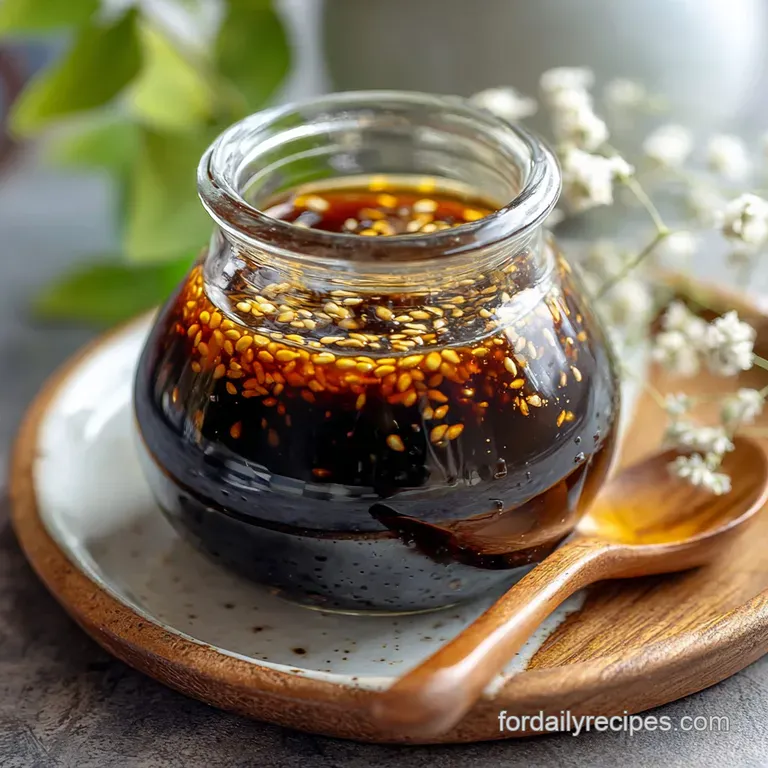
- Time: Active 3 mins, Passive 7 mins, Total 10 mins
- Flavor/Texture Hook: Glossy, syrupy, and deeply umami
- Perfect for: Weeknight stir frys, grilled salmon, or meal prep chicken bowls
- Achieving the Perfect Glossy Teriyaki Sauce Recipe at Home
- The Physics of the Glossy Glaze
- Understanding Recipe Specs and Flavor Profiles
- The Alchemy of Umami Aromatics
- Necessary Equipment for Smooth Sauces
- Key Steps for Simmering Success
- Troubleshooting Common Glazing Pitfalls
- Scaling the Batch for Crowds
- Flavor Myths and Kitchen Realities
- Storage Wisdom and Zero Waste
- Perfect Pairings for Global Flavors
- Teriyaki Sauce Recipe FAQs
- 📝 Recipe Card
Achieving the Perfect Glossy Teriyaki Sauce Recipe at Home
The first time I tried to recreate that deep amber glaze from the local yakitori stall, it was a disaster. I ended up with a salty, watery mess that tasted like nothing but bottled soy sauce.
But then I caught that specific aroma, the sharp, spicy bite of fresh ginger hitting a hot pan, tempered by the mellow sweetness of mirin. It was a sensory revelation that transformed my kitchen into a Tokyo alleyway.
This teriyaki sauce recipe transcends borders, bringing a sophisticated balance of sweet and savory to your table. We aren't just making a condiment; we're creating a viscous, mahogany liquid that turns a simple piece of protein into something extraordinary. Whether you're glazing a charred salmon fillet or tossing it with a Chicken Garlic Parmesan recipe for a fusion twist, the result is always professional.
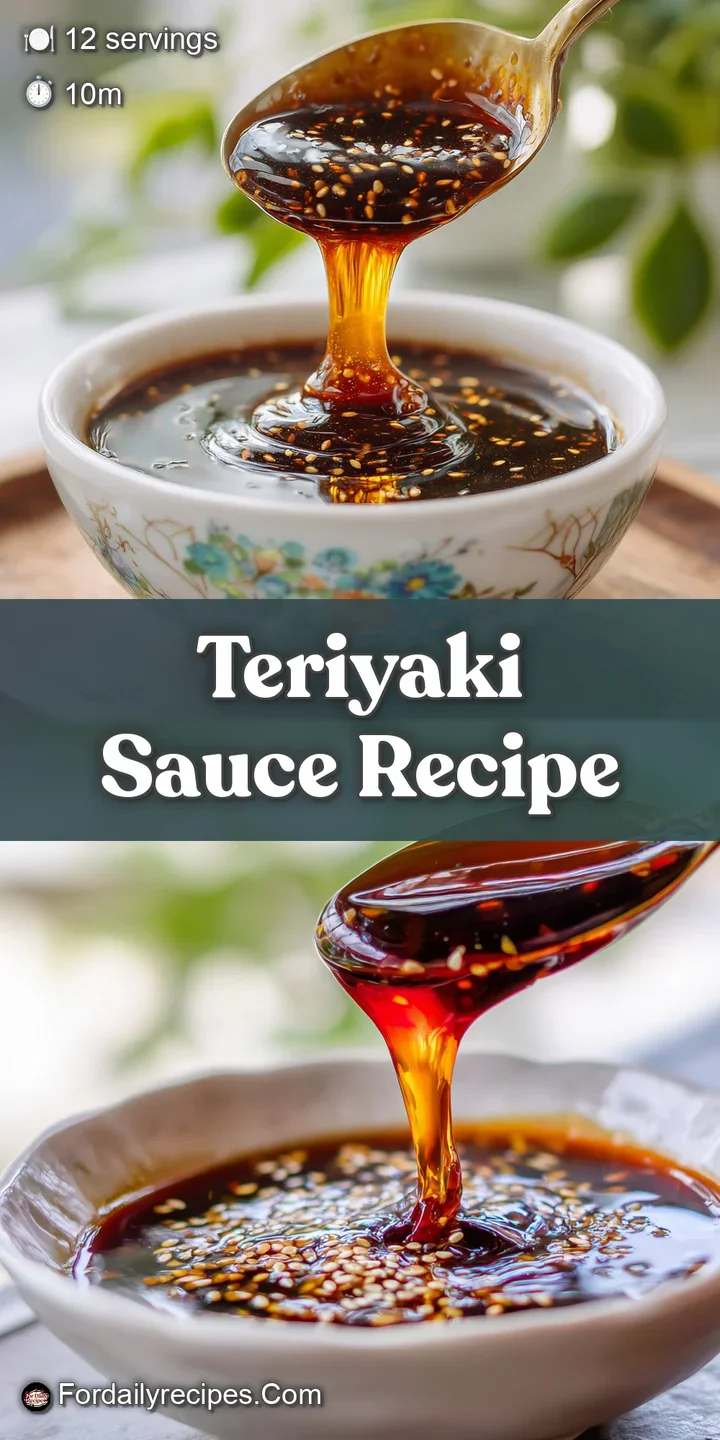
Expect a sauce that is thick enough to coat a spoon but fluid enough to drizzle. It's designed for those who crave that high contrast flavor map: the dark depth of soy, the floral notes of honey, and the biting warmth of fresh garlic. It's a staple that makes weekends feel like a global adventure.
The Physics of the Glossy Glaze
Starch Gelatinization: When cornstarch molecules are heated in the presence of liquid, they swell and burst, creating a networked mesh that traps water and creates a thick, velvety texture. This ensures the glaze clings to your food rather than pooling at the bottom of the plate.
| Cook Method | Time | Texture | Best For |
|---|---|---|---|
| Classic Simmer | 10 minutes | Syrupy and rich | Grilled meats and glazing |
| Fast Whisk (No Heat) | 2 minutes | Thin and watery | Marinades or salad dressings |
| Reduction Style | 20 minutes | Jam like and intense | Dip for skewers or appetizers |
This table helps you decide how much time to invest based on your desired final texture. While the simmered version is standard, some prefer the raw whisk for light marinating.
Understanding Recipe Specs and Flavor Profiles
Before we reach for the saucepan, we need to understand the structural components of this sauce. We're looking for a specific sugar to acid ratio that prevents the soy sauce from becoming overwhelming. Unlike a Hoisin Sauce Recipe which relies heavily on fermented beans, this recipe focuses on the clarity of soy and mirin.
1. The Umami Base
The foundation is low sodium soy sauce. Using low sodium is non negotiable here because as the sauce reduces, the salt concentration intensifies. We want the depth of the wheat and soy without the tongue numbing salinity.
2. The Sweet Elements
Brown sugar provides a molasses like undertone, while honey adds a floral finish and a distinct shine. This combination creates a complex sweetness that masks the bite of the ginger.
3. The Acidity Balance
Mirin, a Japanese rice wine, is the secret to that iconic sheen. It adds a gentle acidity that cuts through the sugar and fat, ensuring the palate remains refreshed after every bite.
The Alchemy of Umami Aromatics
| Component | Science Role | Pro Secret |
|---|---|---|
| Fresh Ginger | Proteolytic Enzymes | Grate it frozen to get a fine paste without the woody fibers |
| Mirin | Luster Agent | The high sugar content in mirin creates a mirror like finish on cooked meat |
| Cornstarch | Viscosity Controller | Always mix with cold water first to prevent "clump bombs" in the hot liquid |
The interaction between these ingredients is what creates the "teriyaki" effect. The sugar caramelizes slightly during the simmer, while the garlic paste infuses the liquid with sulfurous depth that grounds the sweeter notes.
Necessary Equipment for Smooth Sauces
You don't need a professional kitchen, but a heavy bottomed saucepan is your best friend here. Thin pans have hot spots that can scorch the honey and sugar before the ginger has a chance to infuse. A silicone whisk is also helpful to ensure the cornstarch slurry incorporates without leaving streaks.
Chef Tip
Freeze your fresh ginger root for 10 minutes before grating. It makes the fibers brittle, allowing you to create a velvety paste that melts into the sauce rather than leaving stringy bits behind.
Another unconventional trick is to toast your sesame oil separately. While this recipe adds it at the end, if you want a deeper nuttiness, warm it in the pan for 30 seconds before adding the liquid ingredients. This "blooms" the fat soluble flavor compounds.
Key Steps for Simmering Success
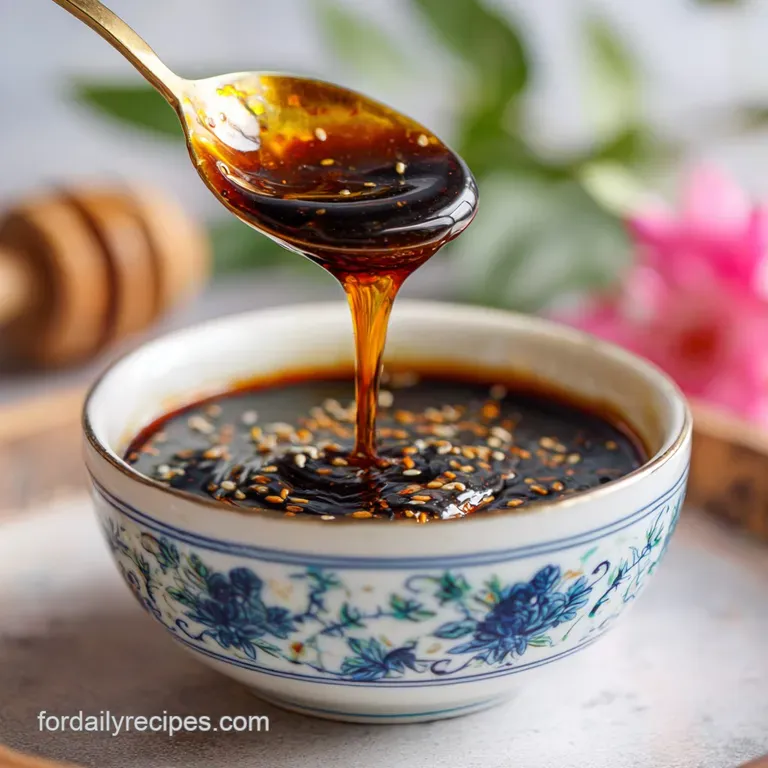
- Whisk the 1 cup (240ml) soy sauce, 1/2 cup water/sake, 1/2 cup brown sugar, 1/4 cup mirin, and 1 tbsp honey in a small saucepan. Note: Mixing cold ensures the sugar dissolves evenly.
- Add the 1 tbsp grated ginger and 2 cloves of minced garlic paste to the liquid.
- Heat the mixture over medium high until it reaches a rolling simmer.
- Prepare the slurry by mixing 1 tbsp cornstarch with 1 tbsp cold water in a small bowl.
- Stream the slurry slowly into the bubbling liquid while whisking constantly.
- Reduce the heat to medium low.
- Simmer for 4 to 5 minutes until the sauce thickens and coats the back of a spoon.
- Remove from heat and stir in the 1 tsp toasted sesame oil. Note: Adding oil at the end preserves its delicate aroma.
- Cool slightly until the sauce looks glossy and jewel toned.
- Strain through a fine mesh sieve if you prefer a perfectly smooth texture, though the aromatics are delicious left in.
The sauce will continue to thicken as it cools. If you find it's too thick after sitting, simply whisk in a teaspoon of warm water to loosen the proteins. It's a forgiving process that rewards patience.
Troubleshooting Common Glazing Pitfalls
Why Your Sauce Is Grainy
If your glaze feels gritty on the tongue, the sugar likely hasn't fully dissolved, or the cornstarch was added too quickly. Ensure the sugar is completely incorporated before the liquid reaches a boil.
Why Your Glaze Won't Cling
If the sauce slides right off your salmon, it's likely too thin. This happens if the cornstarch wasn't activated by enough heat or if the ratio of water was too high.
| Problem | Root Cause | Solution |
|---|---|---|
| Too Salty | Used full sodium soy sauce | Add a splash of water and an extra teaspoon of honey |
| Dull Color | Omitted the Mirin or Honey | Stir in a teaspoon of honey at the end for an instant glow |
| Clumpy Texture | Slurry added to boiling liquid | Whisk vigorously or strain the sauce through a fine sieve |
Common Mistakes Checklist ✓ Never add dry cornstarch directly to hot liquid (it will clump instantly). ✓ Use low sodium soy sauce to control the final salt concentration. ✓ Don't leave the garlic in large chunks; mince it into a paste for maximum infusion.
✓ Watch the pot closely once it boils, as the sugar can foam up and spill over. ✓ Let the sauce cool for at least 5 minutes before using it as a dip.
Scaling the Batch for Crowds
Downsizing (1/2 Batch): If you only need a small amount, use a very small butter warmer or saucepan. Reduce the simmer time by about 2 minutes, as smaller volumes evaporate faster. For the aromatics, use a small knob of ginger and one large garlic clove.
Upsizing (Double or Triple): When making a large batch for a party, increase the soy sauce and sugar linearly. However, keep the ginger and garlic to about 1.5x the original amount so they don't overpower the sauce. Use a wider pot to allow for even evaporation and whisking.
| Servings | Soy Sauce | Brown Sugar | Pan Size | Cook Time |
|---|---|---|---|---|
| 6 People | 1/2 cup | 1/4 cup | Small pot | 6 mins |
| 12 People | 1 cup | 1/2 cup | Medium pot | 10 mins |
| 24 People | 2 cups | 1 cup | Large pot | 15 mins |
Flavor Myths and Kitchen Realities
One common myth is that "authentic" teriyaki requires dozens of ingredients. In reality, traditional Japanese teriyaki is often just soy sauce, mirin, and sake. Our version adds garlic and ginger for that "Western style" punch we've come to love in restaurant stir frys.
Another misconception is that the sauce needs to cook for hours. Because we use cornstarch as a thickener, the "body" of the sauce is created in minutes. Long cooking times actually dull the bright notes of the ginger and can make the soy sauce taste burnt or overly fermented.
Storage Wisdom and Zero Waste
Storage: Store your homemade teriyaki sauce in a glass jar in the refrigerator for up to 2 weeks. The flavors actually deepen after 24 hours as the ginger and garlic continue to infuse the liquid.
You can also freeze it in ice cube trays for up to 3 months just pop a cube into a pan for a quick flavor boost.
Zero Waste: Don't throw away those ginger peels or garlic ends! Toss them into a freezer bag to use later for making a flavorful broth. If you have leftover sauce that's started to crystallize, simply microwave it for 15 seconds with a drop of water to bring it back to life.
Perfect Pairings for Global Flavors
This sauce is a chameleon in the kitchen. For a classic approach, use it as the finishing touch for Seafood Boil Sauce Recipe if you want a sweet savory fusion seafood night. It also works beautifully as a glaze for grilled pineapple or even as a dip for crispy tofu.
1. The Classic Teriyaki Salmon
Brush the glaze onto the salmon during the last 3 minutes of cooking. The heat will cause the sugars to bubble and "shatter" slightly, creating a crisp, lacquered crust that is absolutely addictive.
2. The 15 Minute Stir Fry
Toss steamed broccoli, snap peas, and sliced flank steak in a hot wok with 1/4 cup of this sauce. The cornstarch will react with the heat of the pan to create a glossy coating that rivals any takeout. It’s a reliable way to make a weeknight dinner feel like a special occasion.
Teriyaki Sauce Recipe FAQs
What are the main ingredients in teriyaki sauce?
Soy sauce, mirin, and sugar are the core components. These provide the salty, sweet, and slightly acidic base characteristic of teriyaki. Additional ingredients like ginger, garlic, and sake are often included for added depth and flavor complexity.
What are the two most essential ingredients for teriyaki sauce?
Soy sauce and mirin are the fundamental pair. Soy sauce provides the salty umami backbone, while mirin (sweet Japanese rice wine) contributes sweetness, a glossy sheen, and a distinct flavor that defines teriyaki.
How can I make teriyaki sauce with only a few ingredients?
Combine soy sauce, mirin, and a sweetener like honey or brown sugar. Whisk these together in equal parts or adjust to your taste preference. This simple mix captures the essential sweet and savory profile.
What can I use if I don't have teriyaki sauce for a recipe?
A simple soy sauce and brown sugar mixture works. While not identical, it mimics the sweet and salty notes. For a closer approximation, add a splash of rice vinegar or lemon juice for acidity, similar to how acidity is balanced in our Yum Yum Sauce Recipe: Silky and Tangy.
Can I make teriyaki sauce without mirin?
Yes, but the flavor and sheen will be different. Substitute mirin with a mix of dry sherry or sake and a touch of sugar or honey. This substitution helps to replicate some of the sweetness and complexity lost without true mirin.
How do I thicken homemade teriyaki sauce?
A cornstarch slurry is the most common method. Mix cornstarch with a small amount of cold water or soy sauce to form a paste, then whisk it into the simmering sauce. Cook for a few minutes until the sauce reaches your desired thickness.
Is store-bought teriyaki sauce the same as homemade?
Generally, no. Homemade teriyaki sauce allows for better control over sweetness, saltiness, and thickness. Many store-bought versions contain added preservatives, high fructose corn syrup, and less fresh aromatics, which can alter the flavor profile significantly compared to a fresh batch.
Teriyaki Sauce Recipe
Ingredients:
Instructions:
Nutrition Facts:
| Calories | 77 kcal |
|---|---|
| Protein | 2.1 g |
| Fat | 0.4 g |
| Carbs | 14.3 g |
| Fiber | 0.1 g |
| Sugar | 12.1 g |
| Sodium | 667 mg |
