Flavorful Syrian Chicken with Warm Spices and Honey
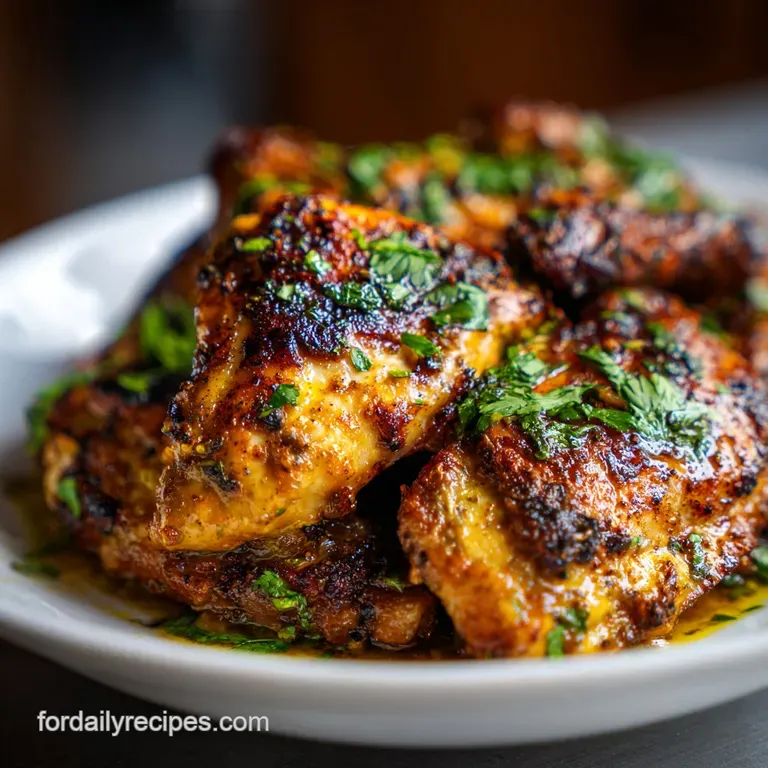
- Time: Active 20 minutes, Passive 40 minutes, Total 60 minutes
- Flavor/Texture Hook: Tangy sweet glaze over velvety rice
- Perfect for: Weekend family dinners or impressive meal prep
- Master this Flavorful Syrian Chicken Recipe with Warm
- Why this chicken transcends borders
- Analyzing every vital component
- Sourcing your Syrian spice pantry
- Essential tools for better browning
- Step by step flavor building
- Fixing common kitchen errors
- Adapting for different diets
- Resizing for any crowd
- Busting common spice myths
- Storing and reheating leftovers
- Serving with Syrian flair
- Recipe FAQs
- 📝 Recipe Card
Master this Flavorful Syrian Chicken Recipe with Warm
The first time I smelled this dish, I wasn't in a high end restaurant, but in a cramped kitchen with a friend who grew up in Aleppo. The sizzle of the chicken hitting the pan wasn't just noise, it was the start of a fragrance profile that filled every corner of the house.
This flavorful Syrian chicken recipe with warm spices and honey will become your new go to dinner because it strikes a balance that most Western recipes miss.
We often think of honey as just "sweet," but when it meets the deep, purple tang of sumac and the low hum heat of Aleppo pepper, it becomes something entirely different. It's a contrast of bright and rich, crisp and tender.
The honey doesn't make the chicken like candy, it acts as a bridge that pulls the earthy cinnamon and allspice together into a cohesive glaze that clings to the meat.
I remember my first attempt at this, where I made the mistake of adding the honey too early. I ended up with a blackened pan and a smoke alarm serenading the neighborhood. I've spent years refining the timing so you get that beautiful mahogany crust without the bitter burnt bits.
It is a recipe that transcends borders and brings a bit of global magic to your table.
Why this chicken transcends borders
The magic here lies in how the ingredients interact on a molecular level. We aren't just cooking meat, we are managing sugars and acids to create a texture that stays juicy while developing a complex exterior.
- Enzymatic Tenderization: The fresh lemon juice breaks down the tough protein fibers in the breast meat, ensuring it stays silky even after searing.
- Fructose Caramelization: Honey contains fructose, which browns at a lower temperature than table sugar, creating that deep golden color quickly.
- Aromatic Infusion: Toasting the dry spices in olive oil before adding liquid releases fat soluble flavor compounds that would otherwise stay trapped in the spices.
- Starch Retrogradation: Rinsing the Basmati rice removes excess surface starch, which is the secret to getting individual grains that don't clump together.
The Physics of the Honey Glaze
The honey acts as a surfactant, helping the spices stick to the chicken's surface while creating a moisture barrier. This prevents the interior juices from evaporating during the final simmer.
| Chicken Thickness | Internal Temp | Rest Time | Visual Cue |
|---|---|---|---|
| 0.75 inch | 165°F | 5 minutes | Juices run clear |
| 1.0 inch | 165°F | 7 minutes | No pink in center |
| 1.25 inch | 165°F | 8 minutes | Firm to the touch |
When you're working with lean cuts like chicken breast, precision is everything. A digital thermometer is your best friend here, but if you don't have one, look for the meat to spring back immediately when pressed with a finger. The carryover cooking during the rest period is vital for the most tender result.
Analyzing every vital component
To get the most out of this Syrian chicken recipe with warm spices and honey, we need to understand our building blocks. Each ingredient has a specific job to do, from the acidity of the lemon to the warmth of the cardamom pods.
| Component | Science Role | Pro Secret |
|---|---|---|
| Ground Sumac | Natural Acidifier | Use it as a finishing salt for an extra pop. |
| Raw Honey | Maillard Catalyst | Local honey adds floral notes that vary by season. |
| Aleppo Pepper | Gentle Heat | It has a salt cured finish that adds depth, not just fire. |
| Basmati Rice | Textural Base | Aged Basmati provides the best elongation of the grain. |
The rice is just as important as the protein. By using a Poultry Seasoning recipe or your own blend of Syrian spices, you ensure that every bite is seasoned from the inside out. Don't skip the step of toasting the rice in the oil before adding the broth; it creates a nutty flavor that changes the entire profile of the meal.
Sourcing your Syrian spice pantry
Gathering the right elements is half the battle. If you can't find some of these at your local grocery store, a Middle Eastern market or an online spice specialist will be your best bet.
- 1.5 lbs boneless chicken breasts Why this? Lean protein that absorbs the honey lemon marinade beautifully.
- 2 tbsp raw honey Why this? Provides the sweetness and helps in creating a sticky glaze.
- 2 tbsp fresh lemon juice Why this? The acid cuts through the sugar and tenderizes the meat.
- 1 tbsp ground sumac Why this? Adds a unique, citrusy tartness typical of Syrian cuisine.
- 1 tsp Aleppo pepper Why this? A mild, fruity chili flake with a hint of saltiness.
- 0.5 tsp ground cinnamon Why this? Brings the "warmth" to the chicken recipe with warm spices and honey.
- 0.5 tsp ground allspice Why this? Adds a complex, clove like depth to the spice rub.
- 2 tbsp extra virgin olive oil Why this? The fat carrier for the spices and used for searing.
- 4 cloves garlic, minced Why this? Essential aromatic base for both the chicken and rice.
- 1.5 cups long grain Basmati rice, rinsed
- 2.5 cups low sodium chicken broth
- 1 cinnamon stick
- 3 green cardamom pods, cracked
- 1 tsp ground turmeric
- 0.25 cup toasted pine nuts
- 0.25 cup fresh parsley, chopped
| Original Ingredient | Substitute | Why It Works |
|---|---|---|
| Aleppo Pepper | Red Pepper Flakes + Paprika | Mix 1:1 for a similar heat and color profile. |
| Ground Sumac | Lemon Zest | Adds brightness, though it lacks the deep berry notes. |
| Pine Nuts | Sliced Almonds | Similar crunch and buttery fat content at a lower price. |
If you happen to have leftovers of the chicken, it actually works incredibly well as a cold protein. You could even slice it thin and use it in a Buffalo Chicken Sandwich recipe if you want to experiment with a fusion style lunch the next day. The honey glaze provides a great barrier that keeps the meat from drying out in the fridge.
Essential tools for better browning
You don't need a professional kitchen, but a few specific tools will make this chicken recipe with warm spices and honey much easier to execute. I always reach for my heavy bottomed stainless steel pan or a well seasoned cast iron skillet.
Chef's Tip: Freeze your honey for 5 minutes before measuring. It will slide off the spoon much easier, ensuring you get the full 2 tablespoons into your marinade without the sticky mess.
A fine mesh sieve is also non negotiable for the rice. You need to rinse that Basmati until the water runs crystal clear. If you leave the starch on, you'll end up with a gummy porridge instead of the fluffy, individual grains that define Syrian rice dishes.
Finally, a pair of silicone tipped tongs will help you flip the chicken without tearing the delicate, honey laden skin.
step-by-step flavor building
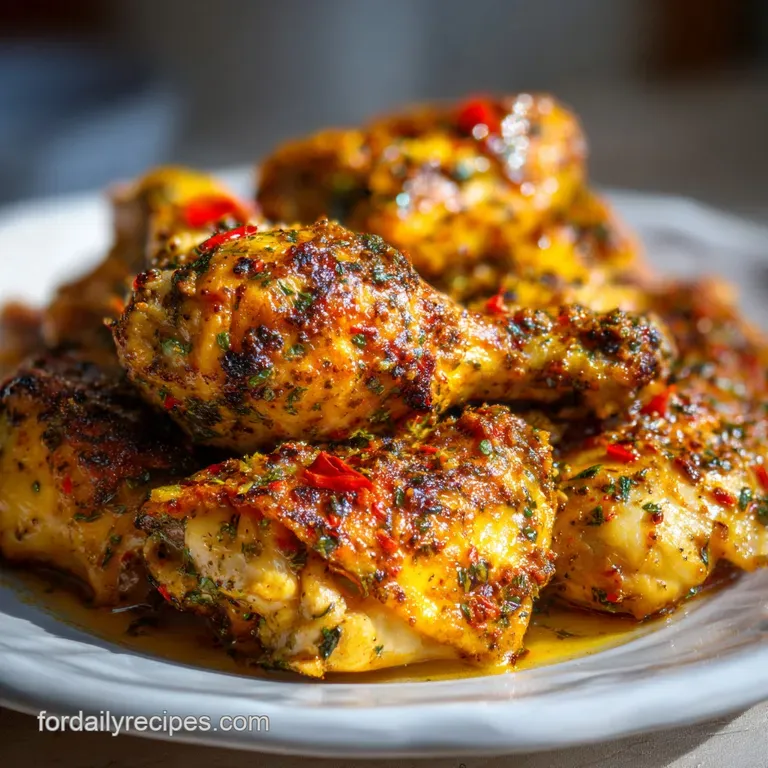
Let's get into the process. The key here is patience, especially when searing the chicken. Resist the urge to move the meat too soon; let that crust form naturally.
- Whisk the honey, lemon juice, sumac, Aleppo pepper, cinnamon, allspice, and half the garlic in a bowl.
- Coat the 1.5 lbs of chicken breasts in the marinade until every inch is covered and glossy. Note: Marinate for at least 15 minutes for the best flavor penetration.
- Heat 1 tbsp olive oil in a large skillet over medium high heat.
- Sear the chicken for 4 minutes per side until a deep mahogany crust develops.
- Remove the chicken and set aside, then add the remaining oil and garlic to the same pan.
- Stir in the 1.5 cups of rinsed Basmati rice and turmeric until the grains are translucent at the edges.
- Add the 2.5 cups of chicken broth, cinnamon stick, and cracked cardamom pods.
- Bring to a boil, then reduce heat to low and cover tightly.
- Simmer for 15 minutes until all liquid is absorbed and holes appear in the rice.
- Fluff the rice with a fork, place the chicken on top, and sprinkle with toasted pine nuts and parsley.
Fixing common kitchen errors
We’ve all been there the rice is crunchy, or the chicken looks pale. Don't panic. Most of these issues are easy to pivot from if you catch them early enough.
Why Your Honey Glaze Burned
This usually happens because the heat was too high or the pan was too thin. Honey has a high sugar content, and sugar burns fast. If you see black smoke, pull the pan off the heat immediately and add a splash of broth to deglaze and cool it down.
Why Your Rice Is Mushy
If your rice turned into a block, you likely used too much liquid or didn't rinse enough starch off. Next time, measure the broth precisely and ensure the lid is tight. A loose lid lets steam escape, which tricks you into adding more water, ruining the texture.
| Problem | Root Cause | Solution |
|---|---|---|
| Rubbery Chicken | Overcooking | Pull the meat at 160°F and let carryover heat do the rest. |
| Bland Rice | Lack of Toasting | Ensure grains are coated in oil and garlic before adding liquid. |
| Bitter Aftertaste | Burnt Garlic | Add garlic only when the pan has cooled slightly or with the rice. |
Common Mistakes Checklist
- ✓ Pat the chicken dry if it was previously frozen to ensure the marinade sticks.
- ✓ Don't crowd the pan; if the breasts are large, sear them in two batches.
- ✓ Use a heavy lid for the rice to trap all the steam inside.
- ✓ Toast the pine nuts in a dry pan separately they go from golden to burnt in seconds.
- ✓ Let the chicken rest before slicing, or all those honey citrus juices will end up on the cutting board.
Adapting for different diets
The beauty of Syrian chicken breast recipes with warm spices is their natural flexibility. While the original is already quite wholesome, you can tweak it to fit your specific lifestyle.
- For the Low Carb Swap: Replace the Basmati rice with cauliflower rice. Sauté the cauliflower with the spices for only 5 minutes instead of simmering with broth.
- For the Vegan Friendly "Chicken": Use thick slices of cauliflower steak or firm tofu. The honey can be swapped for agave nectar or maple syrup for a similar caramelization.
- For the Nut Free Option: Skip the pine nuts and use toasted sunflower seeds or roasted chickpeas for that much needed crunch.
Resizing for any crowd
This recipe yields 4 servings, but it scales remarkably well for a dinner party or a solo meal prep session. Just remember that when you double the rice, you don't always need to double the spices exactly to maintain the flavor balance.
| Fresh Ingredient | Shortcut Alternative | Flavor Impact |
|---|---|---|
| Fresh Garlic | Jarred Minced Garlic | Less pungent, slightly sweeter profile. |
| Fresh Lemon Juice | Bottled Lemon Juice | Higher acidity but lacks the aromatic oils of the zest. |
| Whole Cardamom | Ground Cardamom | More intense flavor; use only 1/4 tsp per 3 pods. |
When scaling down for one or two people, use a smaller pot for the rice. If the pot is too wide, the liquid evaporates before the rice can cook through. When scaling up, work in batches for the chicken to ensure you get that "sizzle" rather than a "steam."
If you want X, do Y
- If you want a deeper color, add an extra pinch of turmeric to the marinade.
- If you want a heartier meal, stir in a handful of cooked chickpeas to the rice.
- If you want it spicier, double the Aleppo pepper or add a pinch of cayenne.
Busting common spice myths
There are a lot of misconceptions about working with Middle Eastern spices. Let's set the record straight so you can cook with confidence.
Myth: Sumac is just for color. Truth: Sumac provides a very specific type of acidity that is different from lemon or vinegar. It's an astringent tartness that cuts through the fat of the chicken and the earthiness of the rice. Using it only as a garnish wastes its potential as a seasoning agent.
Myth: Searing "locks in" juices. Truth: Searing creates flavor through the Maillard reaction, but it doesn't actually create a waterproof seal. The reason this chicken stays juicy is the honey lemon marinade and the resting period, not just the sear itself.
Storing and reheating leftovers
This is one of those rare dishes that actually tastes better the next day as the spices have more time to meld.
- Fridge: Store in an airtight container for up to 4 days. Keep the chicken and rice together so the juices from the meat keep the rice moist.
- Freezer: You can freeze the cooked chicken for up to 3 months. I don't recommend freezing the rice as it can become grainy when thawed.
- Reheating: Use a microwave with a damp paper towel over the bowl to re steam the rice. Alternatively, reheat in a skillet with a tablespoon of water or broth to loosen the grains.
Zero Waste Tip: Don't throw away the parsley stems! Chop them finely and sauté them with the garlic and rice for extra flavor and nutrition. You can also save the lemon halves after squeezing to rub down your wooden cutting board it acts as a natural sanitizer and deodorizer.
Serving with Syrian flair
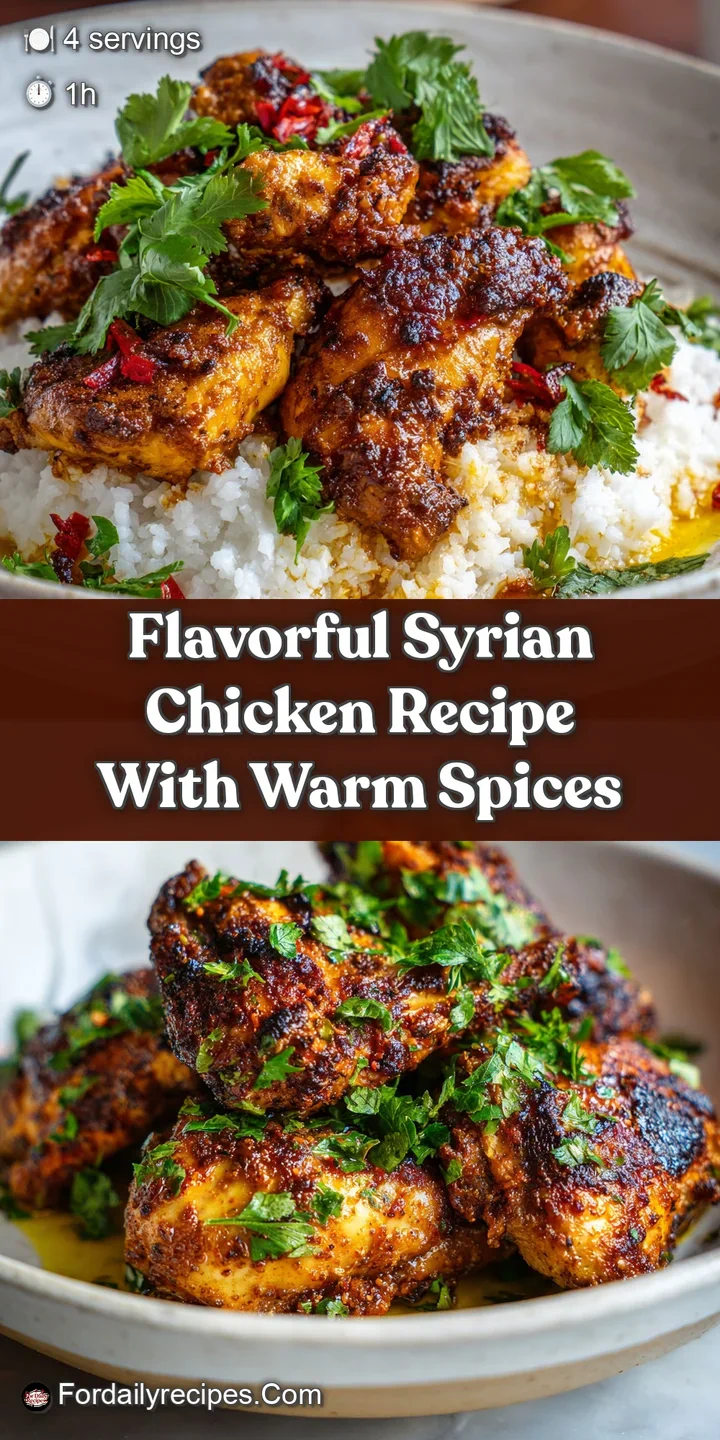
When it comes to the final presentation, think about color and texture. Traditional Syrian chicken recipes with honey are usually served family style on a large platter. Spread the golden rice out first, then nestle the mahogany chicken pieces on top.
The contrast between the bright green parsley, the white and yellow rice, and the dark chicken is stunning. I love serving this with a side of cold, garlicky yogurt or a simple salad of cucumbers and tomatoes. It provides a cooling element that balances the warm spices and honey perfectly.
Right then, you're ready to master this. It’s an extraordinary meal that turns a standard weeknight into a global experience. Trust me on this once you smell that sumac and honey hitting the heat, you'll never go back to plain roasted chicken again. Let's crack on and get that pan heating!
Recipe FAQs
What spices are in Flavorful Syrian Chicken Recipe with Warm?
The core spices include sumac, Aleppo pepper, cinnamon, and allspice. These provide the dish's signature tangy, slightly sweet, and warm aromatic profile, lifted by fresh garlic.
What are the common spices used in Syrian cooking generally?
Common Syrian spices often feature seven spice blends, including allspice, cardamom, cinnamon, and cloves. These are frequently used to flavor meats and rice, creating deep, complex layers of flavor.
What is a famous Syrian dish?
Kibbeh is arguably the most iconic famous Syrian dish, often involving spiced ground meat and bulgur wheat. However, rich rice and meat platters like this chicken recipe are also incredibly central to daily cuisine.
Which is the most famous chicken dish in the world?
There is no single consensus, but Butter Chicken (Murgh Makhani) and various roasted preparations are globally recognized. Our Syrian chicken is famous for its specific balance of bright acid (sumac) and honey sweetness.
How do I ensure the honey glaze on the chicken doesn't burn while cooking?
Reduce the heat to medium low and monitor the pan closely, especially after adding the honey. Because honey caramelizes quickly, aim for a fast sear, then move the chicken to a lower heat zone or finish cooking by steaming it over the rice; this technique is similar to managing fat ratios in the Taco Pie Recipe to prevent scorching.
Why is rinsing the Basmati rice essential for this recipe?
Rinsing removes excess surface starch, which is the secret to individual, fluffy grains rather than clumpy rice. This precise starch management technique is critical for authentic texture and is the same principle used to keep grains separate in the Rice and Beans Recipe.
Can I use ground sumac or must I use the whole berry?
No, you should use the pre-ground form for this recipe. Syrian cooking relies on powdered sumac because it dissolves easily, evenly distributing its signature tart, citrusy flavor throughout the marinade and glaze.
Syrian Chicken With Warm Spices
Ingredients:
Instructions:
Nutrition Facts:
| Calories | 723 kcal |
|---|---|
| Protein | 60g |
| Fat | 19g |
| Carbs | 66g |
| Fiber | 4g |
| Sugar | 9g |
| Sodium | 480mg |
