Ceci Beans Ragu: Rustic Ready in an Hour
- The Humble Legume Elevated: Mastering the Ceci Bean Ragu
- The Science of Deep Flavor: Why This Rustic Ragu Is So Satisfying
- Essential Ingredients and Smart Swaps for Your Pantry
- Step-by-Step: Crafting the Spiced Tomato and Ceci Ragu
- Chef’s Notes: Troubleshooting and Refining Your Dish
- Meal Prep Ready: Storing and Reheating the Ragu
- Beyond Pasta: Creative Ways to Serve Your Rustic Ragu
- Recipe FAQs
- 📝 Recipe Card
The Humble Legume Elevated: Mastering the Ceci Bean Ragu
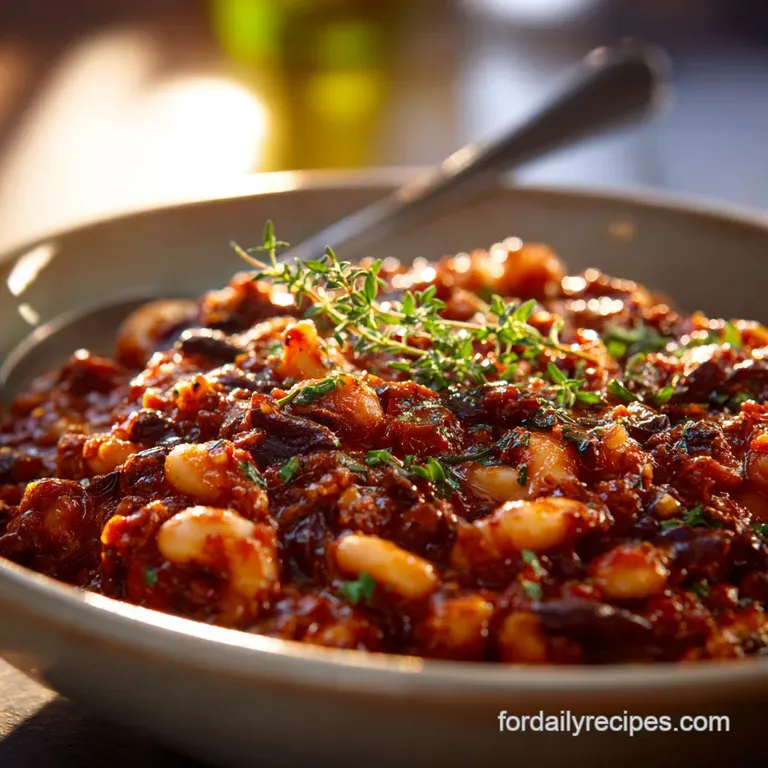
Seriously, nothing smells better than a slow simmered ragu bubbling away, especially one built around amazing legumes. This Tuscan Inspired Spiced Ceci Beans Ragu hits every single comfort note imaginable, delivering deep, earthy aromas that cling to your kitchen long after you've finished eating.
It’s the kind of dish that truly warms you from the inside out, the perfect counterpoint to a chilly evening or a hectic Monday.
Forget the 8 hour braise required for a traditional meat ragu; this version is weeknight friendly and incredibly budget conscious. We’re swapping expensive cuts for the humble chickpea (that’s what Ceci Beans are, folks!), proving that complex flavor doesn't need complex ingredients or a big grocery haul.
It's truly a lifesaver when you need maximum impact for minimal effort and serious satiety.
I’ve learned all the secrets to getting maximum richness out of these beans, avoiding the pitfalls of watery sauce or tough texture that plague other recipes. Ready to ditch those bland canned legumes and finally make Ceci Beans that taste like they came straight from a nonna's kitchen?
This recipe is simple, but the technique makes all the difference. Let's crack on with the good stuff.
The Science of Deep Flavor: Why This Rustic Ragu Is So Satisfying
We are not just boiling chickpeas in tomato sauce here. We are actively building flavor layers, treating the Ceci Beans with the reverence usually reserved for expensive meats.
The secret to this dish's success is twofold: blooming the spices in fat and using the beans themselves to naturally thicken the sauce. Trust me, these steps make the difference between "okay" and "shut-up and eat-this."
The Italian Peasant Dish Meets Levantine Spice
Traditional Italian ragù means a long, slow cook, maximizing the interaction between the fat, aromatics, and protein. We borrow that low and slow philosophy, even though our cook time is much shorter.
By adding smoked paprika and cumin spices often seen in Middle Eastern cuisine we deepen the earthiness of the Ceci Beans , providing a warmth and complexity that moves beyond simple basil and oregano. That hint of smokiness is non-negotiable for true depth.
Nutritional Powerhouse: The Benefits of Chickpeas
If you need another reason to load up your bowl, remember that Ceci Beans are incredible nutritional heroes. They are packed with plant based protein and fiber, meaning a small bowl keeps you full for hours.
This ragu isn't just delicious comfort food; it's genuinely good fuel that doesn't weigh you down.
What Makes This Slow Simmered Ragu Different?
Most vegetarian ragu recipes rush the simmering process, which leaves the final dish feeling thin and the beans unintegrated. We insist on giving the sauce 20 minutes to reduce before the Ceci Beans even go in.
This concentrates the tomato and spice base, ensuring that when the beans are finally introduced, they are soaking up pure, potent flavor, not just watery tomato juice.
Achieving Creaminess: The Secret to Thickening the Sauce Naturally
If you try to make a rich, thick ragu without meat, you usually end up resorting to flour, cornstarch, or heavy cream, which can mask the delicate flavor of the Ceci Beans . The magic here is utilizing the starch within the bean.
By lightly mashing about a third of the Ceci Beans against the side of the pot during the final simmer, you release that starch. It’s like using a natural roux; this creates a beautiful, rustic, and incredibly creamy texture without adding a drop of dairy.
Layering Aromatics for Complex Depth (The Soffritto Base)
Every great savory dish starts with the aromatics, known as the soffritto in Italian cooking. We start low and slow with onion, softening it until it's completely translucent and sweet.
Adding the garlic and tomato paste after the onion has cooked allows them to caramelize without burning, building that crucial umami foundation before the liquids are added.
The Essential Role of Acidity and Salt in Legume Cooking
Ceci Beans and their savory cousins absolutely demand bright acidity to stop them from tasting flat and dull. That's why we don't just use diced tomatoes; we also fry the concentrated tomato paste for a deeper, almost sun-dried tomato flavor.
Crucially, a final splash of fresh lemon juice at the end cuts through the richness, balancing the earthy cumin and making the entire bowl sing. Don't skip the fresh lemon!
Essential Ingredients and Smart Swaps for Your Pantry
This ingredient list is short, simple, and utilizes things you probably already have lurking in your cupboards. We are focusing on quality here, especially when it comes to the Ceci Beans themselves.
| Ingredient | Role | Viable Substitution |
|---|---|---|
| Canned Diced Tomatoes | Bulk/Acidity | Canned crushed tomatoes (less rustic texture). |
| Ceci Beans (Canned) | Main Body/Protein | Canned cannellini beans or butter beans. |
| Smoked Paprika | Earthy Depth | Sweet paprika + 1/4 tsp high-quality chipotle powder (use carefully!). |
| Vegetable Stock | Liquid/Flavor | Water + 1 good quality vegetable bouillon cube (must adjust salt). |
| Yellow Onion | Soffritto Base | Shallots (sweeter, use 2 3) or leeks (use white and light green parts). |
Dried vs. Canned: Choosing the Right Starting Chickpeas
For speed and consistency, I use canned Ceci Beans every time for this recipe. They are already cooked and perfectly hydrated, reducing the total time from 8 hours to 1 hour.
If you are a purist and want to use dried Ceci Beans (which do offer superior texture), you must soak 1 cup of beans overnight and then boil them until completely tender (about 60- 90 minutes) before using them in Step 6.
Canned is the busy cook’s winner here, hands down.
Maximizing Flavor with high-quality Canned Tomatoes
You know the old saying, "You can't make a silk purse out of a sow's ear"? The quality of your canned tomatoes matters immensely, especially since they form 90% of the sauce. Look for imported, Italian grown San Marzano tomatoes if your budget allows.
If not, simply check the ingredients list: it should say only tomatoes, tomato puree, and maybe salt. Avoid those with calcium chloride listed, as that additive can prevent the tomatoes from breaking down properly during the simmer.
Customizing the Spice Blend: Adjusting Heat Levels and Aroma
I call for 1/2 teaspoon of red chili flakes, which gives a gentle, background warmth to the finished ragu. If you prefer a fiery kick, double it! If you don't like heat at all, skip the flakes entirely and add an extra 1/4 teaspoon of smoked paprika instead.
Pro Tip: If you have whole dried chilis, infuse them in the hot oil right at the start before the onions go in, removing them before you add the liquids. That gives pure flavor, not overwhelming heat.
A Guide to Essential Herb Substitutions
This recipe uses dried oregano for its rustic, Mediterranean backbone. If you only have fresh oregano, use 1 tablespoon of finely chopped fresh herbs, but add them only during the final 10 minutes of simmering. Fresh herbs added too early lose all their aromatic oils and taste grassy.
For an alternative profile, try dried thyme or a small sprig of fresh rosemary.
step-by-step: Crafting the Spiced Tomato and Ceci Ragu
Building the Flavor Foundation (Sautéing the Aromatics)
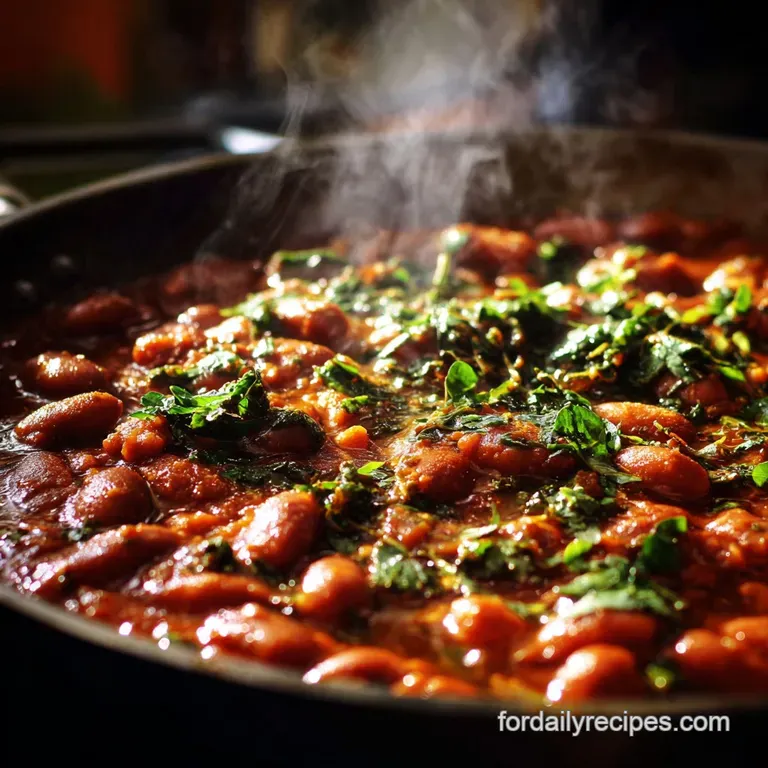
- Start the Soffritto: Heat the olive oil in a heavy bottomed pot or Dutch oven over medium heat. Add the diced onion and a generous pinch of salt. Cook gently for 6– 8 minutes, stirring occasionally, until the onion is soft and translucent, but not browned. Browning makes it bitter.
- Caramelize the Paste: Stir in the minced garlic, the red chili flakes, and the tomato paste. Cook this mixture for 2 full minutes, stirring constantly. This step is critical; it darkens the tomato paste, removing its raw flavor and deepening its sweetness.
- Bloom the Spices: Reduce the heat slightly to medium low. Add the ground cumin, smoked paprika, and dried oregano directly to the oily base. Stir for 60 seconds until the spices smell incredibly fragrant this releases their essential oils and is the key to deep flavor.
The Simmer Stage: Allowing the Beans to Marry the Sauce
- Add Liquids and Reduce: Pour in the entire can of diced tomatoes (including the juice) and the vegetable stock. Scrape up any browned bits stuck to the bottom of the pot; that’s pure flavor we want in the sauce.
- Initial Thickening: Bring the mixture to a low boil, then immediately reduce the heat to a very gentle simmer. Cook uncovered for 20 minutes, stirring occasionally. The sauce should thicken noticeably and lose that raw tomato acidity.
The Technique for Achieving Perfect Bean Tenderness
- Add the Ceci Beans : Rinse and drain your two cans of Ceci Beans thoroughly, then stir them into the simmering ragu. Continue to cook for another 15– 20 minutes.
- Create the Creaminess: About halfway through this stage, use a fork, the back of a wooden spoon, or a potato masher to lightly crush about one-third of the Ceci Beans against the side of the pot. Do not over mash. You want enough starch released for thickening, but plenty of whole beans left for texture.
Final Texture Adjustment and Seasoning Calibration
- Finish and Brighten: Remove the pot from the heat. Stir in the fresh lemon juice, which instantly brightens the whole dish. Check the seasoning carefully, adding more salt and freshly cracked black pepper as needed. The final product should be rich and rustic, thick enough to cling to a piece of bread or a noodle.
Chef's Note: The flavor of the finished Ceci Beans Ragu should always be tested after the lemon juice is added. Acidity changes how you perceive salt, so season right at the very end to ensure perfect balance.
Chef’s Notes: Troubleshooting and Refining Your Dish
Every time I cook, I learn something new, usually by messing up spectacularly. I’ve made all the classic mistakes with legume dishes, so let me save you the trouble, especially when making something as wonderful as this Ceci Beans recipe.
Avoiding Grainy Sauce: Proper Handling of Legume Starches
The most common issue when working with legumes is achieving a smooth, creamy texture instead of a grainy, broken sauce. If you crush too many Ceci Beans , or mash them too aggressively, you risk breaking them down completely and releasing an unpleasant grainy starch.
The Fix: Only crush 1/3 of the beans lightly. If your sauce feels grainy at the end, stir in 1/4 cup of hot water or stock and simmer rapidly for 2 minutes to re-emulsify the starches.
When to Add the Fresh Herbs for Maximum Aroma
As noted earlier, dried herbs go in at the spice blooming stage, but fresh parsley is for flavor and garnish only. If you add the fresh parsley (or basil, or oregano) at the beginning of the cook time, it will turn brown and flavorless.
The Fix: Stir the fresh, chopped herbs in after the heat is off, just before serving, and reserve a pinch for garnish. This preserves their brightness and clean, fresh aroma, which beautifully contrasts the deep ragu flavor of the Ceci Beans .
The Most Common Error: Undercooking the Tomato Base
If your finished Ceci Beans ragu tastes thin or sharp, you skipped or rushed the initial 20 minute simmer (Step 5). That time is necessary to convert the liquids into a true sauce and remove the metallic, sharp edge of the canned tomatoes.
The Fix: If the dish is done but still tastes too acidic, simply simmer it uncovered for another 10– 15 minutes until it reduces and thickens dramatically. You can also stir in a tiny pinch of sugar to balance the acidity in a pinch.
Meal Prep Ready: Storing and Reheating the Ragu
This Ceci Beans ragu is an absolute superstar when it comes to meal prep. In fact, like many stews, it tastes even better the next day when the spices have truly had time to settle and mingle.
Refrigeration and Shelf Life Guidelines
Store the completely cooled Ceci Beans ragu in an airtight container in the refrigerator. It is fantastic and safe to eat for up to 4 5 days. If you find the ragu has thickened too much overnight which happens as the starches cool add a splash of water or stock when reheating.
The Best Way to Freeze Cooked Legumes
Does this freeze well? Absolutely! This Ceci Beans ragu is an excellent candidate for the freezer. Allow it to cool completely, then portion it into freezer safe containers or heavy duty freezer bags. Lay bags flat for easy stacking. It will hold its quality for up to 3 months.
Thaw overnight in the fridge before reheating.
Rejuvenating Leftovers (Adding Moisture and Brightness)
When reheating any frozen or refrigerated Ceci Beans dish, the flavor tends to dull slightly, and the texture gets too tight. The Fix: Reheat gently on the stovetop.
Once hot, stir in a fresh element a tiny drizzle of high-quality extra virgin olive oil and a fresh squeeze of lemon juice. This instantly revives the flavor and texture, making the Ceci Beans taste like you just made them.
Beyond Pasta: Creative Ways to Serve Your Rustic Ragu
While this Spiced Ceci Beans Ragu is sublime tossed with thick pappardelle or rigatoni, it’s far too versatile to be limited to just pasta.
- Creamy Polenta: Serve it heaped over slow cooked, creamy polenta (or mashed potatoes) for the ultimate cold weather dinner. The polenta soaks up all that rich sauce beautifully.
- The Brunch Twist: Spoon the hot ragu into small ramekins, crack an egg on top, and bake at 375°F (190°C) until the whites are set but the yolk is still runny. Serve with crusty bread it’s like a vegetarian shakshuka .
- A Simple Side: Serve a small bowl of the Ceci Beans ragu alongside grilled vegetables or simply with a massive hunk of crusty sourdough bread for dipping. It really needs nothing else.
Go ahead, try this Ceci Beans recipe. I promise you'll be hooked on how much robust flavor can come from such a simple, humble ingredient!
Recipe FAQs
Can I use dried ceci beans instead of canned ones for the ragu?
Yes, absolutely, but preparation time increases significantly. Dried beans must be soaked overnight and then simmered until fully tender (usually 1.5 2 hours) before being added to the tomato base. Always ensure they are completely cooked to avoid a gritty or hard texture in the final dish.
My ragu seems too watery or thin. How can I thicken the sauce?
Increase the heat slightly and continue to simmer the ragu uncovered to allow excess liquid to evaporate. Alternatively, you can mash about 1/4 cup of the ceci beans against the side of the pot and stir them back into the sauce. The starches released by the mashed beans will naturally bind and thicken the liquid.
The recipe mentions Levantine spices. What can I substitute if I don't have those specific blends?
A simple, warming profile can be achieved using a combination of standard pantry spices. Try mixing cumin, coriander, a pinch of cinnamon, and a small amount of smoked paprika. Adjust the heat using dried chili flake or cayenne pepper to match your preference.
What is the best way to serve this hearty Ceci Bean Ragù?
This ragu is wonderfully versatile; it pairs perfectly with creamy polenta, mashed potatoes, or served simply alongside crusty Italian bread to sop up the sauce. For a classic dish, treat it as a robust, meatless pasta sauce for wide, sturdy noodles like pappardelle or rigatoni.
Is this recipe naturally vegan and gluten-free, or do I need to make substitutions?
Given the reliance on beans, tomatoes, and spices, this ragu is inherently vegan and naturally gluten-free. Just ensure that if you are using a pre-made stock, it is clearly marked as vegetable broth and does not contain any hidden meat derivatives.
How should I store leftover ragu, and can I freeze it?
The cooked ragu stores excellently in the refrigerator for up to 4 5 days when sealed in an airtight container. It is an ideal dish for freezing; store it for up to three months, ensuring you leave about an inch of headspace in the container.
Thaw overnight and reheat gently, adding a splash of water if the texture is too tight.
My canned beans split and turned mushy during the simmer. What caused this?
If you are using pre-cooked canned beans, they only need about 15 to 20 minutes to warm through and absorb the flavor of the ragu. Overcooking canned legumes, especially during a high or rolling boil, will cause them to break down. Maintain a very gentle, steady simmer to keep their integrity.
Spiced Ceci Bean Ragu
Ingredients:
Instructions:
Nutrition Facts:
| Calories | 229 kcal |
|---|---|
| Protein | 3.5 g |
| Fat | 11.9 g |
| Carbs | 19.7 g |
