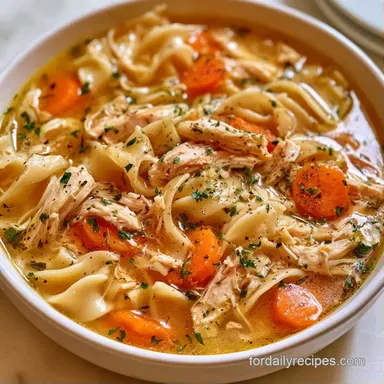
Rotisserie Chicken Noodle Soup: 45-Minute Meal
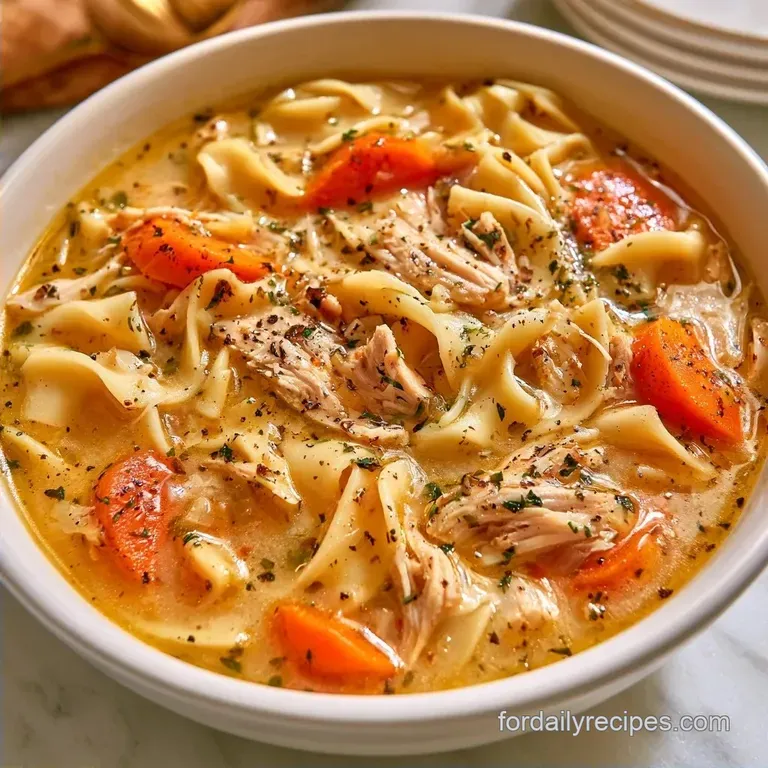
- Time: 15 min active + 30 min cook
- Flavor/Texture Hook: Savory, clear broth with tender noodles
- Perfect for: Hectic weeknights or a cold weather recovery meal
The sound of butter bubbling in a heavy pot is the first sign that a bad day is about to get better. I remember one Tuesday where everything went wrong, from a dead car battery to a missed deadline.
I had exactly 45 minutes to get dinner on the table before the kids started melting down, and a store-bought chicken was the only thing in my fridge besides some wilted carrots.
That's how this Rotisserie Chicken Noodle Soup became my go to. It doesn't require the all day commitment of a simmering bone in carcass, but it still tastes like it spent hours on the stove. You get that comforting, salty savory hit that hits the back of your throat and warms you up instantly.
We're focusing on a minimal tool approach here. One pot, a few basic cuts, and a few smart shortcuts. This recipe delivers a clean, bright broth that doesn't feel heavy, making it a win for anyone who wants comfort without the cleanup ordeal.
Rotisserie Chicken Noodle Soup for Weeknights
Using pre-cooked chicken prevents the meat from becoming tough or rubbery. Instead, the attention stays on the noodles and vegetables. I've noticed that getting the noodle timing right is usually the hardest part.
For a richer option, you might enjoy my creamy chicken spaghetti, but this version is ideal for a crisp, clear broth. The lemon juice added at the end is the secret ingredient, perfectly balancing the salty notes of the soup.
Why Most Recipes Fail
Noodle Starch: Boiling noodles too long releases starch that turns a clear broth cloudy and thick. Adding them at the very end keeps the liquid crisp and the noodles distinct.
The Salt Trap: Many cooks add salt too early, but rotisserie chicken and store-bought broth are already salty. I wait until the final stir to season so the flavors stay balanced.
The Shopping List
Start with a few fragrant basics for the base. I recommend a yellow onion, which provides a gentle sweetness that complements the chicken perfectly.
- 2 tbsp (28g) unsalted butter Purpose: Gives the sautéed veggies a rich flavor
- 1 medium (150g) yellow onion, diced (Substitute: Shallots for a milder taste)
- 3 large (120g) carrots, sliced into rounds (Substitute: Parsnips for an earthier flavor)
- 3 stalks (90g) celery, sliced (Substitute: Bok choy stems for a crunchier twist)
- 3 cloves (9g) garlic, minced (Substitute: 1 tsp garlic powder)
- 1 tsp (2g) dried thyme Purpose: A traditional match for chicken
- 1 bay leaf (Substitute: Oregano)
- 8 cups (1.9L) low sodium chicken broth Purpose: Keeps the salt levels under control
- 1 lb (450g) rotisserie chicken, shredded, skin removed (Substitute: Poached chicken breast)
- 8 oz (225g) wide egg noodles, uncooked (Substitute: Ditalini or Rotini)
- 1 tbsp (15ml) fresh lemon juice Purpose: Adds a refreshing zest to the dish
- 1/4 cup (10g) fresh parsley, chopped (Substitute: Cilantro for a different vibe)
- salt to taste
- black pepper to taste
Gear You'll Need
This recipe requires very little equipment. All you need is a single large Dutch oven or a heavy bottomed stockpot; the thick base prevents the butter from scorching and ensures the vegetables sweat evenly.
A sharp chef's knife and a cutting board are essential. While a handheld citrus squeezer can speed up the process, a fork works just as well for extracting the lemon juice.
Making the Soup
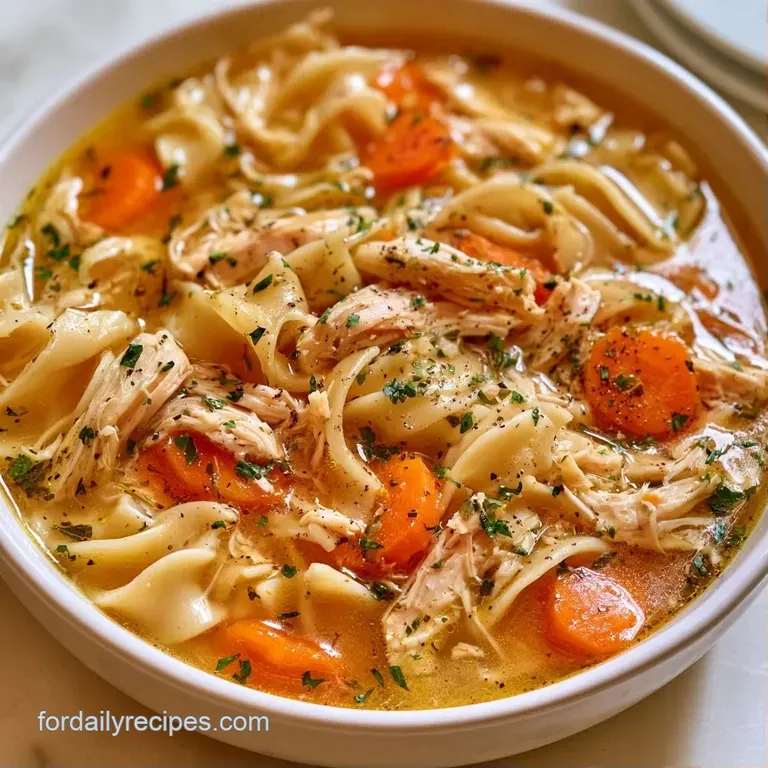
Let's dive in. Follow these instructions to ensure a perfect and consistent result every time.
- Set a large stockpot or Dutch oven over medium heat and melt the butter.
- Toss in the diced onion, carrots, and celery. Sauté for 6–8 minutes, stirring occasionally, until the carrots soften and the onions become translucent.
- Stir in the dried thyme and minced garlic. Cook for 1 minute until the aroma is fragrant.
- Pour in the chicken broth and add the bay leaf. Turn the heat up to medium high and bring the liquid to a gentle boil.
- Lower the heat and simmer for 10–12 minutes until the vegetables are tender.
- Stir in the wide egg noodles. Cook for 6–8 minutes until the noodles are tender, as directed on the package.
- Fold in the shredded rotisserie chicken and let it warm through in the hot broth for 2–3 minutes.
- Take out the bay leaf. Stir in the fresh parsley and lemon juice. Season with salt and pepper to taste.
Chef Note: If you're using a particularly salty broth, hold off on adding salt until the end. Taste the soup after adding the lemon juice, as the acidity often makes the saltiness more noticeable.
Fixes for Common Issues
The most frequent complaint with Rotisserie Chicken Noodle Soup is the texture. Some find the noodles too mushy, while others find the broth bland. Usually, it's a timing issue.
If the broth feels like it's missing something, it's rarely salt. It's usually acidity. A squeeze of lemon or a teaspoon of apple cider vinegar can wake up the whole pot.
Soggy Noodles
When noodles sit in broth, they act like sponges. If you're making a big batch for the week, the noodles will absorb the liquid and turn into a thick porridge.
Bland Broth
Store-bought broth can sometimes taste like salted water. Adding a pinch of sugar or a bit more black pepper can bridge that gap.
Cloudy Liquid
This happens when the boil is too aggressive or the noodles are overcooked. Keep the simmer gentle.
| Problem | Root Cause | Solution |
|---|---|---|
| Mushy noodles | Overcooked or left in pot | Cook noodles separately or add later |
| Flat taste | Lack of acidity | Add more fresh lemon juice |
| Greasy surface | Too much chicken skin | Remove skin before shredding chicken |
| Watery broth | Too much liquid/low heat | Simmer 5 mins longer without lid |
Other Ways to Make It
You can easily tweak this Rotisserie Chicken Noodle Soup to fit what's in your pantry. I often swap the vegetables based on the season.
For a heartier, rustic meal, try adding diced potatoes or parsnips. Just add them at the same time as the carrots, since they take a bit longer to soften. If you're avoiding gluten, swap the egg noodles for brown rice noodles or chickpeas.
For a zesty, immune boosting twist, double the garlic and add a half teaspoon of ground ginger. It gives the soup a slightly medicinal, warming quality that's great for a sore throat. If you want a richer experience, you can use my homemade chicken noodle soup method for the broth base.
| Method | Best For | Trade off |
|---|---|---|
| Stovetop | Speed and control | Requires active stirring |
| Slow Cooker | Set and forget | Noodles can get mushy if left too long |
| Instant Pot | Fastest overall | Less flavor development from sautéing |
- For a thicker broth
- Simmer the vegetables for 5 extra minutes before adding broth.
- For a brighter flavor
- Add fresh thyme instead of dried.
- For a spicy kick
- Add a pinch of red pepper flakes with the garlic.
Keeping it Fresh
Store your soup in a glass container in the refrigerator. It stays good for about 3 to 4 days. Since the noodles absorb liquid, you'll notice the soup gets thicker over time.
When you reheat a portion, add a splash of water or extra broth to bring back the original consistency. I recommend reheating on the stove over medium heat rather than the microwave to avoid "hot spots" and rubbery chicken.
You can freeze this, but be careful with the noodles. I suggest freezing the broth, chicken, and vegetables together, then adding fresh noodles when you actually serve it. This prevents the noodles from becoming a grainy mess after thawing.
To avoid waste, save the rotisserie chicken carcass. Put the bones in a pot with water, a scrap of onion, and a carrot. Simmer for 4 hours to make your own stock for the next batch.
What to Serve With It
This Rotisserie Chicken Noodle Soup is a meal on its own, but it's better with a bit of crunch on the side. A crusty piece of sourdough or a warm baguette is the standard for a reason.
I like to serve this with a simple side salad of arugula and shaved parmesan. The peppery greens balance the richness of the butter sautéed vegetables.
If you have kids who are picky about vegetables, try blending a small portion of the cooked carrots and onions into the broth before adding the noodles. It thickens the soup slightly and hides the "chunks" while keeping the flavor.
Kitchen Myths
Sautéing vegetables doesn't actually "seal in" the flavor. Instead, browning creates savory bits that provide a deeper taste. It's about developing new flavor profiles rather than trapping existing ones.
Commercial broth isn't always inferior. While making your own is wonderful, many low-sodium store-bought versions are remarkably consistent. The secret lies in how you build the aromatics around them.
Boiling your soup for an extended period doesn't make it better. In fact, boiling too long turns the vegetables into mush and makes the chicken tough. A gentle simmer is always preferable to a rolling boil.
Recipe FAQs
Is rotisserie chicken good for soup?
Yes, it is an excellent shortcut. Using a pre-cooked bird saves hours of prep while providing a deep, savory flavor. It also prevents the meat from overcooking since you only fold it in at the very end.
What's the secret to making the broth more flavorful?
Sauté the aromatics first. Cooking the onion, carrots, and celery in butter for 6 8 minutes builds a foundational depth. If you enjoyed mastering this flavor base here, the same principle of sautéing aromatics is key to our hearty chili mac.
How to keep noodles from getting mushy?
Cook them for exactly 6 8 minutes. Stir in the wide egg noodles after the vegetables have simmered and follow the package directions closely. Avoid overboiling, as the pasta will continue to soften in the residual heat of the broth.
Is it true that you must boil the chicken to get a rich taste?
No, and here's why. The rotisserie chicken is already seasoned and cooked, so boiling it would only make the meat rubbery. Fold the shredded meat in during the last 2 3 minutes just to heat it through.
Which mistakes usually ruin this quick soup?
Overcooking the noodles and omitting the lemon juice. Mushy pasta ruins the texture, while skipping the acidity leaves the broth tasting flat. Ensure you remove the bay leaf before serving to avoid a bitter taste.
Rotisserie Chicken Noodle Soup