Italian Lemon Cookies: Soft and Zesty
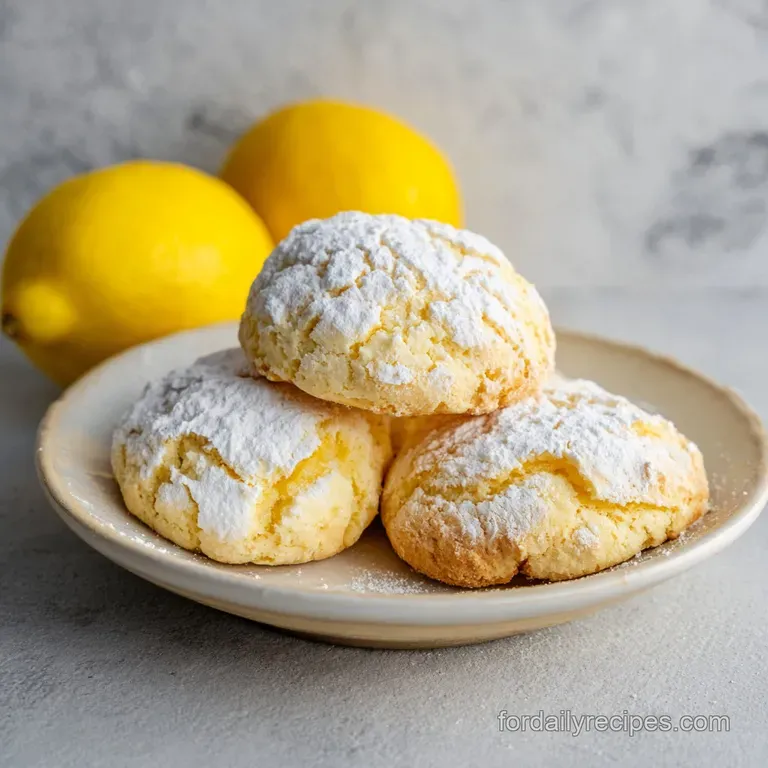
- Time: Active 20 minutes, Passive 12 minutes, Total 32 minutes
- Flavor/Texture Hook: Zesty, velvety crumb with a sugar glaze shatter
- Perfect for: Holiday gift tins, traditional Sunday tea, or beginner bakers
- Master the Italian Cookie Recipe Youll Crave All Year with Lemon
- Why This Works
- Component Analysis
- Gathering Your Essentials
- Tools for a Time Honored Italian Pasticceria
- Step by Step Guide to Citrus Perfection
- Rescuing Your Biscuits from Kitchen Mishaps
- Heritage Variations and Flour Alternatives
- Kitchen Myths Debunked
- Keeping Your Italian Biscuits Fresh for Generations
- Perfect Pairings for a Zesty Afternoon Treat
- Recipe FAQs
- 📝 Recipe Card
Master the Italian Cookie Recipe Youll Crave All Year with Lemon
Have you ever walked into an old school Italian pasticceria and felt like the scent of citrus was actually hugging you? It is that specific, bright aroma of lemon oil hanging in the air, mingling with the scent of butter and toasted flour, that defines the heritage of these biscuits.
Discover the ultimate Italian cookie recipe you'll crave all year with its bright lemon flavor.
These aren't your standard crunchy sugar cookies that snap like a cracker. They are something much more special. Think of them as tiny, handheld clouds that have been kissed by the Mediterranean sun.
They belong to the family of "Anginetti," those soft, dome shaped treats that have graced Italian wedding dessert tables and Sunday morning coffee trays for generations. We are focusing on building layers of flavor here, starting from the very granules of sugar and moving all the way to the final, shimmering drop of glaze.
When you take your first bite, you'll notice how the exterior gives way with a slight "shatter" from the dried glaze, revealing a crumb that is remarkably tender and airy. It is a texture that invites you to reach for just one more, and then another, until the plate is mysteriously empty.
I've spent years watching my aunts argue over the exact amount of zest required, and what I’ve learned is that the secret isn't just in the ingredients, but in how you treat them before they even touch the mixing bowl.
Why This Works
The magic of this recipe lies in how we manipulate the structural components of the dough to ensure it stays soft rather than becoming a hard biscuit.
- Oleo Saccharum Extraction: By massaging the zest into the sugar first, we use the abrasive granules to rupture the oil sacs in the lemon peel, releasing essential oils that provide a deeper citrus flavor than juice alone.
- Fat to Flour Ratio: The 115g of unsalted butter creates a tenderizing barrier around the flour's proteins, which limits gluten development and results in a cake like, velvety interior.
- Triple Egg Emulsion: Using three large eggs provides significant leavening and moisture, creating the necessary steam during the 12 minutes of baking to puff the dough into its signature dome shape.
- Glaze Sealing: The heavy cream in the glaze creates a slightly flexible, opaque coating that locks moisture inside the biscuit, preventing it from drying out after it leaves the oven.
The interaction between the high quantity of baking powder (15g) and the acidity in the 15ml of lemon juice triggers an immediate chemical reaction. This creates tiny air pockets throughout the dough.
Unlike cookies that rely on creaming butter for air, these rely on a chemical lift that happens the moment they hit the heat of the oven. This ensures that even a beginner can achieve that signature "puff" without needing professional grade equipment.
| Method | Time | Texture | Best For |
|---|---|---|---|
| Traditional Oven | 12 minutes | Pillowy, domed, and soft crumbed | Authentic texture and appearance |
| Stovetop Pan Fry | 8 minutes | Flat, crispy edges, dense center | A "Welsh cake" style twist for snacks |
| Air Fryer | 7 minutes | Extra crisp exterior, moist core | Small batches and quick cravings |
Choosing the right method depends entirely on what you want out of your afternoon snack. While the oven is the gold standard for that heritage look, pan frying the dough in a lightly buttered skillet creates a toasted, caramelized exterior that is surprisingly addictive.
However, for the true pasticceria experience, stick to the parchment lined baking sheet and the gentle heat of the oven.
Component Analysis
To understand why this Italian Cookie Recipe Youll Crave All Year with Lemon is so successful, we have to look at the pillars of the recipe. Each ingredient serves a specific structural and sensory purpose that cannot be overlooked if you want that professional finish.
| Ingredient | Science Role | Pro Secret |
|---|---|---|
| 375g All Purpose Flour | Provides the structural framework through starch gelatinization | Sift twice to incorporate air for a lighter, cloud like bite |
| 20g Fresh Lemon Zest | Delivers fat soluble aromatic compounds (limonene) | Only zest the yellow part; the white pith adds a bitter, soapy note |
| 15g Baking Powder | Acting as the primary leavening agent for vertical lift | Ensure it's fresh by testing a pinch in hot water for bubbles |
| 115g Unsalted Butter | Shortens gluten strands to keep the crumb tender | Use high fat European style butter for a richer, more velvety mouthfeel |
The 375g of flour is the most critical measurement in this entire process. If you pack your measuring cup too tightly, you'll end up with a dry, bready biscuit. If you have a kitchen scale, use it. The precision of 375g ensures the hydration levels from the three eggs and lemon juice are perfectly balanced.
When we talk about the butter, it must be truly softened not melted, but soft enough that your finger leaves an indentation with zero resistance. This allows the sugar to fully integrate during the creaming stage.
If the butter is too cold, you'll have chunks in your dough; if it's too warm, the biscuits will spread across the pan like a puddle.
Gathering Your Essentials
When you are ready to start, make sure you have everything laid out. In a traditional Italian kitchen, this is called "mises en place," and it's the difference between a relaxing bake and a kitchen disaster.
- All Purpose Flour (375g): This provides enough protein for structure but not so much that the biscuits become tough.
- Granulated Sugar (150g): For the dough, providing sweetness and helping with the browning of the bottoms.
- Unsalted Butter (115g): Softened to room temperature. It should be pliable.
- Large Eggs (3): Ensure these are at room temperature so they emulsify properly with the butter.
- Baking Powder (15g): This is a generous amount, but it’s what gives them that "puffed" look.
- Fresh Lemon Zest (20g): Roughly the zest of two to three large lemons.
- Fresh Lemon Juice (15ml for dough, 45ml for glaze): Never use the bottled stuff here; the flavor is too flat.
- Pure Vanilla Extract (5ml): Adds a floral backnote that rounds out the sharp citrus.
- Fine Sea Salt (2g): A tiny amount to sharpen the other flavors.
- Confectioners' Sugar (240g): For that snowy, opaque glaze.
- Heavy Cream (15ml): To give the glaze body and a professional sheen.
- Multicolored Nonpareils (5g): The classic finishing touch for a traditional look.
For a unique flavor profile, you might consider how the Limoncello Recipe could inspire your citrus choices. While we use fresh juice here, the intensity of a homemade lemon liqueur is exactly the kind of "heritage" vibe we are going for.
Tools for a Time Honored Italian Pasticceria
You don't need a high tech lab to make these, but a few specific tools will make your life significantly easier and your results much more consistent.
- Large Mixing Bowl: Glass or stainless steel is best for rubbing the lemon zest into the sugar.
- Stand Mixer or Electric Hand Mixer: Equipped with a paddle attachment. This is essential for getting that butter and sugar light and creamy without working too hard.
- Microplane Grater: This is the best tool for getting only the yellow zest and none of the bitter pith.
- Sifter or Fine Mesh Strainer: For the flour and baking powder. This prevents "hot spots" of leavening.
- 1 Tablespoon Cookie Scoop: This is my "chef's secret" for getting 24 identical biscuits that all finish cooking at the exact same time.
- Baking Sheets: Heavy duty aluminum pans distribute heat the most evenly.
- Parchment Paper: Don't skip this. These cookies have a high sugar content and will stick to the pan without it.
- Wire Cooling Rack: To allow air to circulate around the biscuits so the bottoms don't get soggy as they cool.
If you find yourself without a cookie scoop, you can use two spoons to "quenelle" the dough, but the scoop really helps with the symmetry. These biscuits are meant to be uniform and tidy, like little gems in a display case.
step-by-step Guide to Citrus Perfection
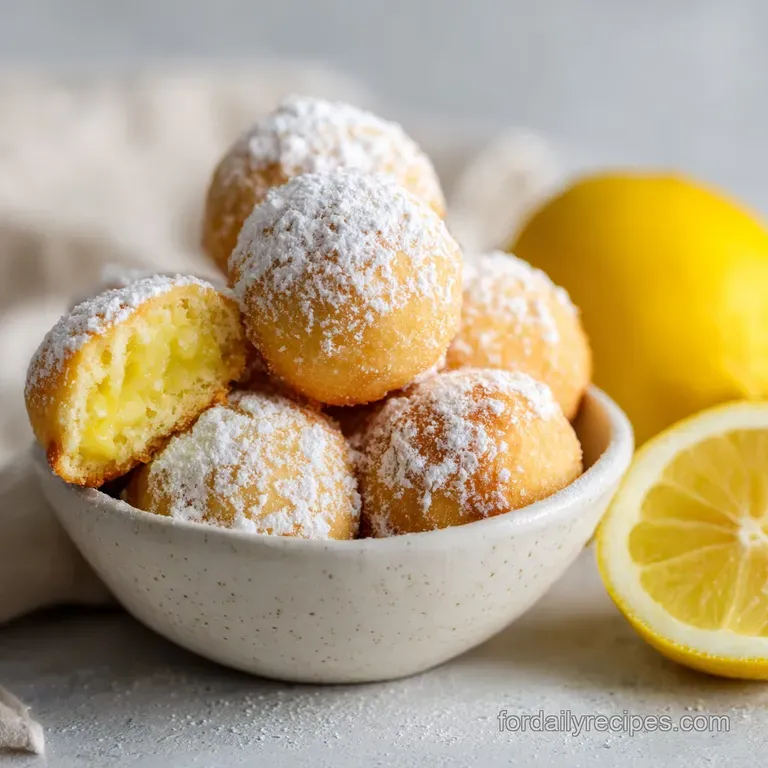
Ready to bake? Follow these steps closely. The order of operations is just as important as the measurements themselves.
- Infuse the sugar. Place 150g granulated sugar and 20g lemon zest in your bowl. Use your clean fingertips to rub them together for 2 minutes until the sugar looks like damp, yellow sand and smells incredibly fragrant.
- Cream the fats. Add the 115g softened butter to the lemon sugar. Beat on medium speed for 3-4 minutes until the mixture is pale, light, and fluffy.Note: This creates the initial air pockets for a better rise.
- Incorporate the liquids. Add the 3 eggs one at a time, beating well after each addition. Pour in the 15ml lemon juice and 5ml vanilla extract until the mixture is smooth and emulsified.
- Sift the dry goods. In a separate bowl, sift together the 375g flour, 15g baking powder, and 2g salt. Note: Sifting prevents clumps of baking powder that can cause a metallic taste.
- Combine the dough. Turn your mixer to the lowest setting. Gradually add the flour mixture until just combined and no white streaks remain. Do not overmix!
- Prep and scoop. Preheat your oven to 350°F (175°C). Use your 1 tablespoon scoop to drop rounds 2 inches apart onto your parchment lined sheets.
- Precision Bake. Slide the sheets into the oven and bake for 10-12 minutes until the bottoms are barely golden but the tops remain pale and set.
- Cool completely. Move the biscuits to a wire rack. They must be cold before glazing, or the icing will just melt off.
- Whisk the glaze. In a small bowl, combine 240g confectioners' sugar, 45ml lemon juice, and 15ml heavy cream until it is thick, smooth, and opaque.
- The finish. Dip the top of each cooled biscuit into the glaze. Let the excess drip off, then immediately sprinkle with nonpareils before the glaze sets into a firm shell.
Chef's Tip: If your kitchen is very warm, pop the dough in the fridge for 15 minutes before scooping. This helps the biscuits hold their dome shape and prevents them from spreading too thin during the first few minutes of baking.
Rescuing Your Biscuits from Kitchen Mishaps
Even the most seasoned home cook can run into trouble. Because these are so delicate, small changes in humidity or oven calibration can affect the final result.
Why Your Biscuits Are Too Flat
If your cookies spread out into pancakes instead of holding a dome, your butter was likely too warm. When butter is near its melting point before entering the oven, it can't support the structure of the flour as it heats up.
Another culprit could be over beating the eggs, which incorporates too much air that then collapses.
Why the Crumb Is Tough
Toughness usually comes from overworking the dough once the flour is added. Once flour hits the wet ingredients, gluten starts to form. We want just enough gluten to hold the cookie together, but not so much that it becomes chewy like bread. Always use the lowest setting on your mixer for the final stage.
| Problem | Root Cause | Solution |
|---|---|---|
| Glaze is too runny | Too much lemon juice or warm cookies | Add more sugar 1 tbsp at a time; ensure cookies are cold |
| Bottoms are burnt | Dark baking sheets or low oven rack | Use light colored pans and bake on the middle rack |
| Metallic aftertaste | Unevenly mixed baking powder | Sift dry ingredients together thoroughly before adding to wet |
Every oven is a little different, so I always recommend a "test biscuit." Bake just one or two first to see how they react to your specific oven's heat. This simple step can save an entire batch from being ruined.
Common Mistakes Checklist:
- ✓ Measure your flour by weight (375g) to avoid a dry, crumbly texture.
- ✓ Ensure eggs are at room temperature to prevent the batter from curdling.
- ✓ Don't skip the "sugar rubbing" step; it's where 80% of the flavor lives.
- ✓ Stop the mixer the second the flour disappears to keep the biscuits pillowy.
- ✓ Allow the biscuits to cool for at least 30 minutes before dipping in the glaze.
Heritage Variations and Flour Alternatives
While the classic lemon is unbeatable, the beauty of this dough is its versatility. You can adapt it for different seasons or dietary needs without losing that signature "Anginetti" soul.
The Limoncello Spike (Twist)
For a more "adult" version of this Italian Cookie Recipe Youll Crave All Year with Lemon, replace the 15ml of lemon juice in the dough with 15ml of high-quality Limoncello. This adds a deeper, slightly syrupy citrus note that lingers on the palate.
You can also add a teaspoon of the liqueur to the glaze for an extra kick.
The gluten-free Swap (Dietary)
You can make these gluten-free by using a high-quality 1 to-1 baking flour blend (like King Arthur or Cup4Cup). Because these biscuits rely on baking powder for lift rather than a complex gluten network, they actually hold up very well as a gluten-free treat.
Note: The texture may be slightly more "sandy" than the original, but the flavor remains identical.
The Scaling Guide
- To Make a Half Batch: Use 1 large egg plus 1 egg yolk. Halve all other ingredients. Use a slightly smaller bowl to ensure the mixer can reach the bottom.
- To Double the Batch: Keep the baking powder at 25g (don't quite double it) to prevent a bitter taste. Work in batches and keep the second half of the dough in the fridge while the first sheet bakes.
- Baking for a Crowd: If you double the recipe, reduce the oven temperature to 325°F (160°C) and bake for 14-15 minutes to ensure even cooking for the larger volume of dough.
If you are looking for another simple yet classic base, you might enjoy exploring the Three Ingredient Biscuit. It uses a similar logic of minimal ingredients to achieve a maximum "fluff" factor, which is the hallmark of great home baking.
| Serving Size | Flour Adjustment | Butter Quantity | Yield |
|---|---|---|---|
| Small Family (12) | 188g | 58g | 1 Dozen |
| Standard Batch (24) | 375g | 115g | 2 Dozen |
| Party Crowd (48) | 750g | 230g | 4 Dozen |
Kitchen Myths Debunked
There are several misconceptions about Italian biscuits that might lead you astray. Let's clear those up so you can bake with total confidence.
"Lemon juice is the only way to get a strong lemon flavor." This is actually false. The juice provides the tart acidity, but the "lemoniness" we crave comes from the zest. The zest contains the essential oils that are much more potent and heat stable than the juice. That is why the oleo saccharum step is so vital.
"You must use shortening for a soft cookie." While shortening does provide softness, it lacks the flavor of real butter. By using three eggs and a high amount of baking powder, we get all the softness we need while keeping the rich, time honored flavor of pure creamery butter.
"The glaze is just for decoration." In this recipe, the glaze acts as a functional barrier. Because these are low-fat compared to a butter cookie, they can stale quickly. The glaze seals the surface, keeping the interior moist for days. Without it, they would turn into hard biscotti within 24 hours.
Keeping Your Italian Biscuits Fresh for Generations
Once you’ve gone through the effort of zesting and glazing, you want these to last. Proper storage is the key to maintaining that delicate "shatter" of the glaze and the soft interior.
Storage Guidelines: Keep your glazed biscuits in a single layer if possible. If you must stack them, wait at least 4 hours for the glaze to completely "cure" and harden, then place a sheet of parchment paper between the layers.
They will stay fresh in an airtight container at room temperature for up to 5 days.
Freezing Instructions: You can freeze the unglazed, baked biscuits for up to 3 months. Wrap them tightly in plastic wrap and then place them in a freezer bag. When you're ready to eat, let them thaw at room temperature, then whisk up a fresh batch of glaze.
I don't recommend freezing them once they are glazed, as the sugar can become tacky and "weep" when it thaws.
Zero Waste Tip: Don't throw away the squeezed lemon halves! You can toss them into a jar of white vinegar to create a natural, citrus scented kitchen cleaner, or zest them entirely before juicing and freeze the extra zest in an ice cube tray with a little water for future recipes.
Perfect Pairings for a Zesty Afternoon Treat
These biscuits are a "pasticceria" staple, which means they are designed to be served with beverages. The slightly dry, sponge like crumb is the perfect vessel for soaking up liquids without falling apart.
In a traditional Italian home, these are served alongside a steaming cup of espresso or a strong "caffè latte." The bitterness of the coffee cuts through the sweet glaze, while the lemon flavor brightens the dark, roasted notes of the beans.
If you’re serving these in the evening, a small glass of Vin Santo or even a chilled Limoncello is the way to go.
For a summer afternoon, try serving them with a big bowl of fresh berries and a dollop of lightly sweetened whipped cream. The biscuits can be crumbled over the fruit to add texture, or used as "dippers" for the cream. If you're looking for a savory contrast to serve earlier in the day, a dollop of Tzatziki Sauce on a gyro makes for a wonderful Mediterranean themed meal, followed by these biscuits for a bright finish.
Whether you are making these for a grand celebration or just to fill your own cookie jar, the Italian Cookie Recipe Youll Crave All Year with Lemon is a testament to how simple ingredients, treated with respect and a little "science," can create something truly extraordinary.
Enjoy the process, breathe in that citrus aroma, and most importantly, share them with someone you love.

Recipe FAQs
Are these lemon cookies the most popular type in Italy?
No, there isn't one single cookie that holds that title. Italy has a massive variety of regional cookies, but these soft lemon glazed treats are a quintessential staple found in bakeries across the country, especially during holidays.
What is the proper name for these lemon Italian cookies?
They are most commonly known as Italian Lemon Ricotta or Lemon Drop cookies. While many versions exist, they are defined by their soft, cake like texture and bright, citrus forward glaze.
Is it necessary to rub the lemon zest into the sugar?
Yes, this step is essential for maximum flavor. Massaging the zest into the sugar releases the essential oils, creating an oleo saccharum that infuses the entire dough with deep, aromatic citrus notes.
How to ensure the cookies stay soft and tender?
Mix the dry ingredients into the wet mixture only until just combined. Overworking the flour develops gluten, which makes cookies tough rather than tender. If you enjoyed mastering this delicate crumb structure, you might appreciate how we use similar ingredient balancing in our silky Pomodoro sauce to maintain a refined texture.
Is it true I should bake these at 400°F for a crispier edge?
No, this is a common misconception. You must stick to 350°F (175°C) to ensure the tops remain pale and the texture stays soft; higher heat will cause the sugars to caramelize too quickly and darken the exterior.
How to know exactly when to pull them from the oven?
Remove them after 10-12 minutes when the bottoms are barely golden. The tops should look set but remain pale; if you wait for them to turn brown, they will lose their signature soft texture.
Can I glaze the cookies while they are still warm?
No, you must wait until they are completely cool. Applying glaze to warm cookies will cause it to melt and turn translucent instead of setting into that beautiful, opaque finish you see in the photos.
Italian Lemon Cookies
Ingredients:
Instructions:
Nutrition Facts:
| Calories | 165 kcal |
|---|---|
| Protein | 2.4 g |
| Fat | 4.7 g |
| Carbs | 28.1 g |
| Fiber | 0.4 g |
| Sugar | 16.3 g |
| Sodium | 118 mg |
