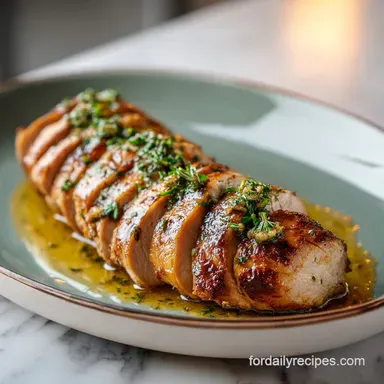
Turkey Tenderloin Recipe: Garlic Herb
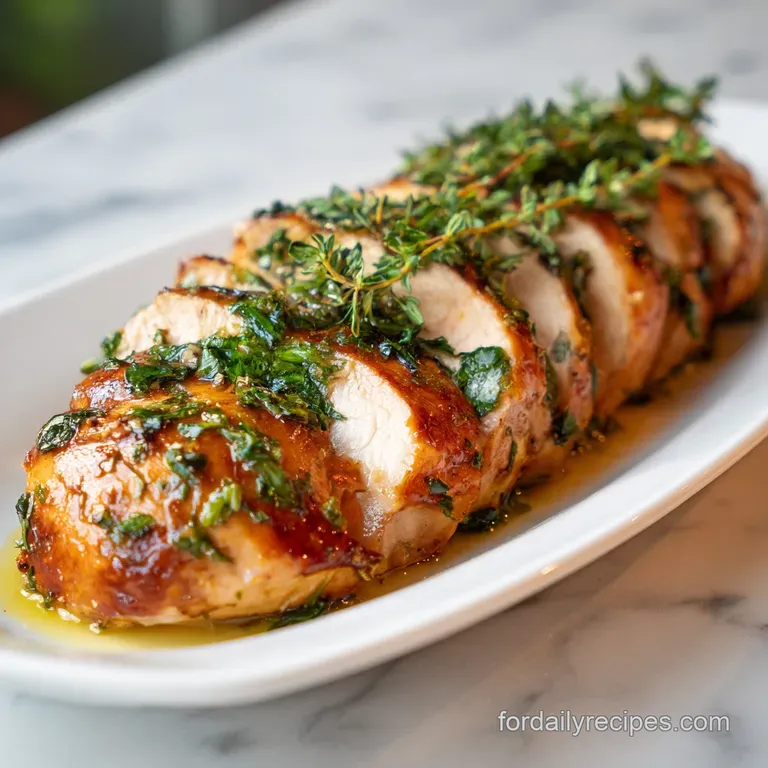
- Time: 10 min active + 30 min cook + 10 min rest = Total 50 mins
- Flavor/Texture Hook: Mahogany seared crust with a velvety, herb infused center
- Perfect for: Busy weeknights or a low stress dinner party
- Easy Garlic Herb Turkey Tenderloin Recipe
- Smart Cooking Logic
- Component Analysis
- Essential Pantry Items
- Kitchen Gear Needed
- Precise Cooking Steps
- Fixing Common Mistakes
- Flexible Diet Options
- Adjusting Serving Sizes
- Common Kitchen Myths
- Storage and Freezing
- Tasty Pairing Suggestions
- Recipe FAQs
- 📝 Recipe Card
The smell of garlic and thyme hitting a screaming hot cast iron pan is honestly the best part of my week. I remember a random Tuesday a few years back when I had a craving for something "fancy" but only had about an hour before I had to jump on a call.
I grabbed a couple of tenderloins, threw together a quick rub, and realized that you don't need a whole bird to get that classic roast flavor.
It's a total win because turkey tenderloins are way more forgiving than the breast. They're leaner than thighs but far juicier than the roast. If you've been scared of dry turkey, this turkey tenderloin recipe is about to change your mind.
We're going for a over high heat sear and a quick oven finish. It's fast, no fuss, and leaves you with a protein that actually tastes like effort went into it, even though it's basically a "set it and forget it" situation once the pan hits the oven.
Easy Garlic Herb Turkey Tenderloin Recipe
Right then, let's get into the logic of why this specific method beats everything else. Most people just throw turkey in the oven and hope for the best, but that's a one way ticket to rubbery meat.
By searing first, we lock in those savory notes and create a texture that's almost crispy on the outside while remaining tender inside.
It's all about the temperature transition. Moving from the intense heat of the skillet to the steady heat of the oven creates a gradual cook. This prevents the outer edges from overcooking before the center is safe to eat.
Smart Cooking Logic
- Butter Shield: The fat in the butter paste creates a barrier that protects the lean muscle from drying out during the sear.
- Searing Power: High heat creates a mahogany crust, which adds a deep, savory layer that roasting alone can't achieve.
- Carryover Cooking: Taking the meat out at 71°C allows the internal heat to glide up to the safe 74°C mark without overcooking the edges.
- Moisture Redistribution: Resting the meat lets the fibers relax, so the juices stay in the meat instead of flooding your carving board.
| Feature | Fresh Herb Rub | Shortcut Powder Mix | Impact |
|---|---|---|---|
| Prep Time | 5 mins | 1 min | Negligible |
| Flavor Depth | Complex, bright | Flat, salty | High |
| Crust Texture | Textural and rustic | Smooth and uniform | Medium |
| Cost | Slightly higher | Cheaper | Low |
Component Analysis
| Ingredient | Science Role | Pro Secret |
|---|---|---|
| Unsalted Butter | Heat distributor | Use softened butter for a smoother, easier rub |
| Garlic | Flavor aromatic | Mince it into a paste to avoid burnt chunks |
| Kosher Salt | Moisture draw | Salt early to help the rub stick to the meat |
| Olive Oil | over High heat sear | Use a high smoke point oil to prevent acrid smells |
Essential Pantry Items
For this to work, you need the right balance of fats and aromatics. Don't even bother with low-fat butter here, as the fat is what carries the flavor of the rosemary and thyme into the meat.
- 3 tbsp unsalted butter, softened Why this? Carries herbs and prevents drying
- 3 cloves garlic, minced Why this? Adds a sharp, savory punch
- 1 tsp dried rosemary Why this? Classic earthy, piney notes
- 1 tsp dried thyme Why this? Adds a subtle floral depth
- 1 tsp kosher salt Why this? Enhances all other flavors
- 1/2 tsp cracked black pepper Why this? Adds a gentle, woody heat
- 2 turkey tenderloins, approx 450g (1 lb) each Why this? Lean but tender cut
- 2 tbsp olive oil Why this? High smoke point for searing
- 1/2 tsp paprika Why this? Helps achieve that deep red color
If you're feeling fancy, you can swap the dried herbs for a homemade poultry seasoning to give it a more complex, traditional holiday flavor.
Kitchen Gear Needed
You don't need a mountain of tools for this. A 10 inch cast iron skillet is my go to because it holds heat like a beast, which is essential for that crust. If you don't have cast iron, a stainless steel pan works, but avoid non stick if you can, as they don't handle 200°C oven temps as well.
You'll also need a meat thermometer. Trust me on this, guessing the doneness of turkey is a gamble you don't want to take. A digital probe is the only way to ensure it's safe according to USDA Food Safety guidelines without turning the meat into cardboard.
Precise Cooking Steps
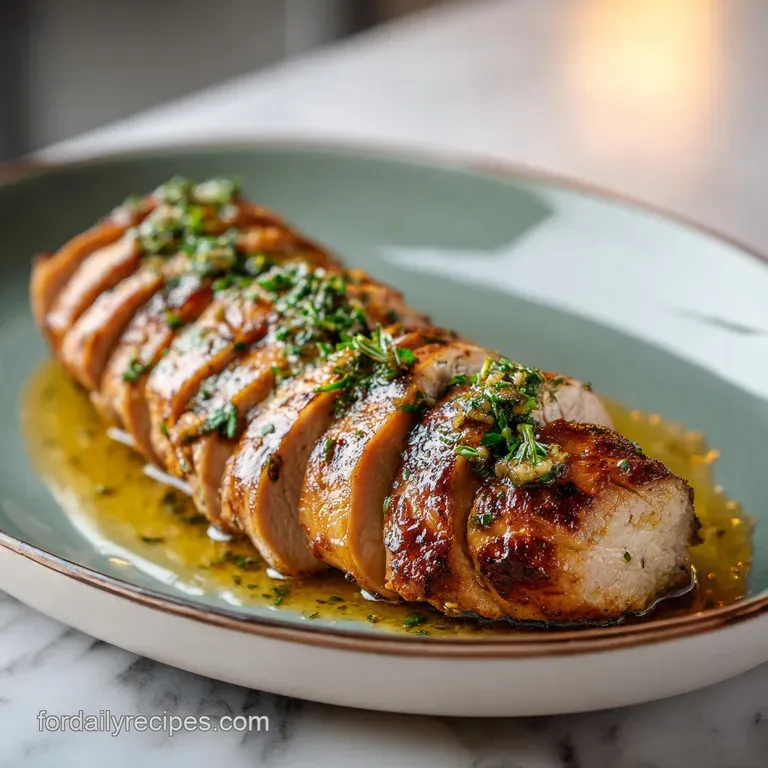
Phase 1: Prep and Seasoning
- Pat the turkey tenderloins completely dry with paper towels. Note: Moisture on the surface creates steam, which kills your sear
- Mash the softened butter, minced garlic, rosemary, thyme, salt, and pepper into a thick paste.
- Rub the mixture evenly over the top and sides of the meat.
Phase 2: The over High heat Sear
- Heat olive oil in the skillet over medium high heat until the oil shimmers and just begins to smoke.
- Dust the meat lightly with paprika for color.
- Sear the tenderloins for 2-3 minutes per side without moving them until a deep brown mahogany crust forms.
Phase 3: The Oven Finish
- Transfer the entire skillet into an oven preheated to 200°C (400°F).
- Roast for 15-20 minutes.
- Remove the pan when the internal temperature of the thickest part hits 71°C (160°F).
Phase 4: The Critical Rest
- Transfer the meat to a carving board.
- Tent loosely with foil and let it rest undisturbed for 10 minutes until the internal temperature rises to 74°C (165°F).
Fixing Common Mistakes
It's easy to mess up lean meats. The most common issue is the "grey meat" syndrome, which happens when you crowd the pan or use a temperature that's too low. If you see the turkey releasing a lot of liquid in the pan, it's boiling, not searing.
The outside is burnt, but the inside is raw
This usually happens if your stove is on "Max" rather than medium high. The exterior chars before the heat can penetrate the center. If this happens, lower the oven temp by 20°C and give it a few more minutes.
The meat feels rubbery
Rubbery turkey is a sign of overcooking. Even a few degrees over 74°C can tighten the protein fibers too much. Always pull the meat early and let the rest do the work.
| Problem | Root Cause | Solution |
|---|---|---|
| Pale, grey meat | Pan wasn't hot enough | Wait for oil to shimmer before adding meat |
| Rub falling off | Meat was too wet | Pat dry with paper towels before seasoning |
| Dry interior | Overcooked/No rest | Pull at 71°C and rest for 10 mins |
Common Mistakes Checklist
- ✓ Did you pat the meat dry?
- ✓ Is the butter softened, not melted?
- ✓ Did you leave the meat alone during the sear?
- ✓ Did you use a thermometer instead of a timer?
- ✓ Did you resist the urge to cut it immediately?
Flexible Diet Options
If you're cooking for someone with dietary restrictions, this turkey tenderloin recipe is surprisingly easy to adapt without losing the soul of the dish.
For a dairy-free Version
Swap the butter for a high-quality vegan butter or simply use extra olive oil mixed with the herbs. The fat content remains the same, so the protection against drying out still works.
For a Low Sodium Option
Replace the kosher salt with a squeeze of fresh lemon juice and extra cracked black pepper. The acidity of the lemon mimics the "bright" hit of salt and helps tenderize the meat.
For a Turkey Tenderloin Recipe Air Fryer Twist
Skip the sear and rub the meat as usual. Air fry at 190°C for 18-22 minutes, turning halfway through. You'll get a great crust, though it won't be quite as deep as the cast iron version.
For a Turkey Tenderloin Recipe Slow Cooker Approach
Place the seared tenderloins in the slow cooker with 1/2 cup of chicken broth. Cook on low for 4-6 hours. Note: You'll lose the crust, so sear it again in a pan before serving for a few minutes.
Adjusting Serving Sizes
When you're scaling this, remember that turkey doesn't scale linearly. If you're doubling the recipe, don't just double the salt and spices, or it'll taste like a salt lick.
Scaling Down (1 tenderloin): Use a smaller skillet (8 inch) to keep the oil depth consistent. Reduce the oven time by about 20%, as a single piece of meat allows more airflow and cooks slightly faster.
Scaling Up (4+ tenderloins): Work in batches for the sear. If you crowd the pan, the temperature drops, and you'll get steamed meat instead of a crust. For the oven, lower the temperature to 180°C (350°F) and extend the time by 10-15 minutes to ensure even cooking throughout the larger mass.
Common Kitchen Myths
There's a lot of bad advice out there about poultry. Let's clear a few things up so you can cook with confidence.
The "Seal in Juices" Myth: You'll often hear that searing "seals" the meat. It doesn't. Searing creates flavor and color (the Maillard reaction), but moisture loss happens regardless. The real secret to juiciness is the internal temperature and the resting period.
The "Turkey is Always Dry" Myth: Turkey isn't inherently dry; it's just lean. When you overcook lean meat, the proteins contract and squeeze out the water. Using a butter rub and a thermometer prevents this entirely.
Storage and Freezing
If you have leftovers, don't just toss them in a container. Slice the meat first, then store it in an airtight glass container. It'll stay fresh in the fridge for 3-4 days.
For freezing, wrap the cooked tenderloin tightly in plastic wrap, then foil. It'll last up to 3 months. To reheat without drying it out, place the slices in a baking dish with a splash of chicken broth, cover with foil, and warm at 150°C (300°F) until just heated through.
Regarding zero waste, don't throw away the pan drippings. That brown stuff in the skillet is liquid gold. Deglaze the pan with a bit of white wine or broth to make a quick pan sauce, or save the fats to sauté some spinach or kale for a side.
Tasty Pairing Suggestions
Since this turkey is savory and herb heavy, you want sides that offer some acidity or creaminess to balance the plate. A bright cranberry relish or a zesty apple slaw works brilliantly here.
If you want something more comforting, this roast pairs perfectly with a Green Bean Casserole recipe for that classic home cooked feel. Alternatively, some roasted root vegetables like carrots and parsnips, tossed in the same rosemary and thyme profile, create a cohesive meal.
For a lighter touch, try a wild rice pilaf with toasted almonds. The nuttiness of the rice complements the lean turkey, and the crunch adds a nice contrast to the velvety texture of the meat.
Trust me, once you've tried this turkey tenderloin recipe with a side of garlic mash, you'll never go back to the whole bird for a weeknight meal.
Recipe FAQs
How long do you cook a turkey tenderloin for?
Sear for 2–3 minutes per side, then roast for 15–20 minutes. Pull the meat from the oven when the thickest part reaches 160°F to allow for carry-over cooking.
Is a turkey tenderloin the same as a turkey breast?
No, it is a specific muscle located underneath the breast. Tenderloins are smaller and leaner, which allows them to cook much faster than a full breast.
What is a good seasoning for turkey tenderloin?
A compound butter of garlic, rosemary, thyme, salt, and pepper. Adding a touch of paprika helps create a deep mahogany crust during the searing process.
How to use a turkey tenderloin?
Sear in a cast iron skillet and finish in the oven. This ensures a crisp exterior while maintaining a juicy center. If you enjoy the savory balance here, see how we use a similar approach in our traditional Lebanese baking.
How to reheat leftovers without drying them out?
Warm slices in a baking dish at 300°F (150°C). Add a splash of chicken broth and cover with foil to lock in moisture while heating.
Is it true that you should slice the meat immediately after roasting?
No, this is a common misconception. Let the meat rest for 10 minutes so the juices redistribute and the internal temperature reaches a safe 165°F.
How to store leftover turkey tenderloin?
Slice the meat first and store in an airtight glass container. It stays fresh in the fridge for 3–4 days or can be frozen for up to 3 months.
Turkey Tenderloin Recipe in 50 Minutes