Velvety Tomato Ravioli Sauce
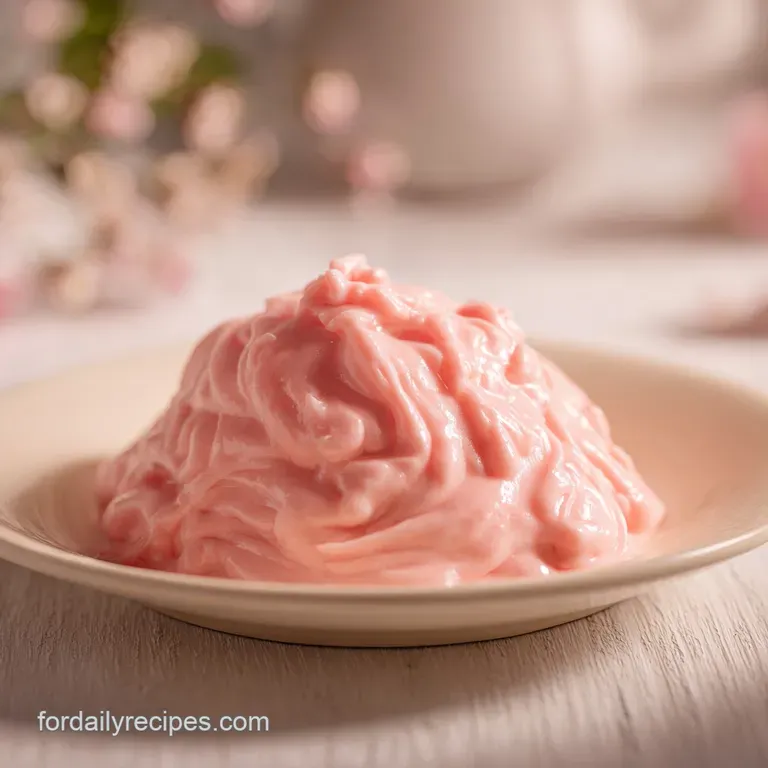
- Time: Active 5 minutes, Passive 10 minutes, Total 15 minutes
- Flavor/Texture Hook: Velvety, sun ripened tomato finish with a spicy kick
- Perfect for: Busy weeknights where you need a touch of heritage comfort
- Creating the Best Creamy Ravioli Sauce Ever
- The Science of the Silky Emulsion
- Essential Cooking Specs for Success
- Selecting High Quality Elements for Results
- Essential Tools for Your Kitchen
- Step by Step Cooking Instructions
- Preventing Common Kitchen Disasters
- Creative Flavor Swaps and Ideas
- Smart Storage and Leftover Tips
- Perfect Pairings for Your Meal
- Debunking Kitchen Myths
- High in Sodium
- Ravioli Sauce FAQs
- 📝 Recipe Card
Creating the Best Creamy Ravioli Sauce Ever
Have you ever stood over a pan, watching garlic dance in shimmering olive oil, and felt like everything was finally right with the world? I remember visiting my great aunt’s kitchen, where the air was thick with the scent of basil and simmering tomatoes.
She never looked at a clock; she just knew the sauce was ready when it turned that specific shade of sunset orange. This Ravioli Sauce is my tribute to those afternoons, blending heritage techniques with a speed that fits our modern lives.
The beauty of this dish lies in the contrast between the sharp, concentrated tomato and the mellow, velvety cream. When I first started cooking, I used to just dump cold cream into hot tomatoes and wonder why it looked grainy.
It took me dozens of split sauces to realize that the secret isn't just the ingredients, but how they marry in the pan. We are looking for a coating that is thick enough to hold onto the ravioli without weighing them down like a heavy blanket.
Trust me, once you see that first bubble of cream breaking through the mahogany tomato base, you’ll never go back to the jarred stuff. It's about that moment when the starchy pasta water hits the fat, creating an emulsion so smooth it looks like liquid silk.
We aren't just making dinner; we're creating a little bit of kitchen magic that makes a Tuesday night feel like a feast at a time honored Italian trattoria.
The Science of the Silky Emulsion
The Starch Bridge: Using starchy pasta water acts as a natural emulsifier, binding the fats from the butter and cream to the liquid base for a unified texture.
Maillard Concentration: Sautéing double concentrated tomato paste deepens the flavor through caramelization, removing the raw metallic edge found in uncooked pastes.
| Method | Time | Texture | Best For |
|---|---|---|---|
| Stovetop Emulsion | 15 minutes | Silky and light | Fresh or frozen ravioli |
| Slow Simmer | 45 minutes | Deep and jammy | Meat filled pastas |
| Cold Whisk | 5 minutes | Thinner and sharp | Quick dipping |
The stovetop emulsion is my absolute favorite because it respects the delicate nature of the pasta while providing a rich mouthfeel. If you are looking for more inspiration, you might enjoy the balance of flavors in my Tzatziki Sauce Recipe which uses a similar focus on fresh, high-quality components.
Essential Cooking Specs for Success
| Component | Role | Pro Secret |
|---|---|---|
| Heavy Cream | Providing a velvety body | Temper it by adding a spoonful of hot sauce before pouring it all in |
| Tomato Paste | Deepening the heritage color | Fry it until it turns a dark brick red to unlock sweetness |
| Pasta Water | Acting as a binding agent | Scoop it out just before draining the pasta for maximum starch |
Getting these specs right is the difference between a sauce that slides off the pasta and one that hugs it. You want to make sure your heat is at a medium low setting once the cream enters the chat.
High heat is the enemy of dairy stability, and we want to keep things smooth and integrated rather than curdled and grumpy.
Selecting high-quality Elements for Results
For this Ravioli Sauce, we use ingredients that carry a lot of weight. 2 tbsp Unsalted butter provides the foundation, while 1 tbsp Extra virgin olive oil adds a fruity backnote. The 2 Cloves garlic should be microplaned so they melt into the oil rather than leaving crunchy bits.
- 2 tbsp Unsalted butter Why this? Allows you to control the salt levels perfectly.
- 1 tbsp Extra virgin olive oil Why this? Adds a peppery, heritage finish to the fat base.
- 2 Cloves garlic, microplaned
- 1 Small shallot, minced (approx. 2 tbsp)
- 3 tbsp Double concentrated tomato paste Why this? Provides intense flavor without excess water.
- 1/2 cup Heavy cream
- 1/4 tsp Red pepper flakes
- 1/2 tsp Sea salt
- 1/2 cup Starchy pasta water
- 1/4 cup Freshly grated Parmesan Reggiano
- 5-6 Large basil leaves, chiffonade
- 18-20 oz Fresh or frozen ravioli
If you find yourself out of shallots, a small amount of finely diced yellow onion works, though the flavor will be slightly more aggressive. The heavy cream is vital for that specific texture, much like how it defines the base of a Rémoulade Sauce recipe, though the application here is warm and comforting rather than cold and zesty.
Essential Tools for Your Kitchen
You don't need a professional kitchen to make this, but a wide skillet is better than a deep pot. The increased surface area allows the sauce to reduce evenly and provides enough room to toss the ravioli without breaking their delicate skins. I prefer a stainless steel pan or a high-quality non stick skillet.
A microplane is also a game saver here. It turns the garlic into a paste that distributes the flavor instantly. If you're used to the bold flavors of an In N Out Sauce recipe, you'll appreciate how the finely processed aromatics create a seamless flavor profile. Finally, have a liquid measuring cup ready specifically to catch that liquid gold we call pasta water.
step-by-step Cooking Instructions
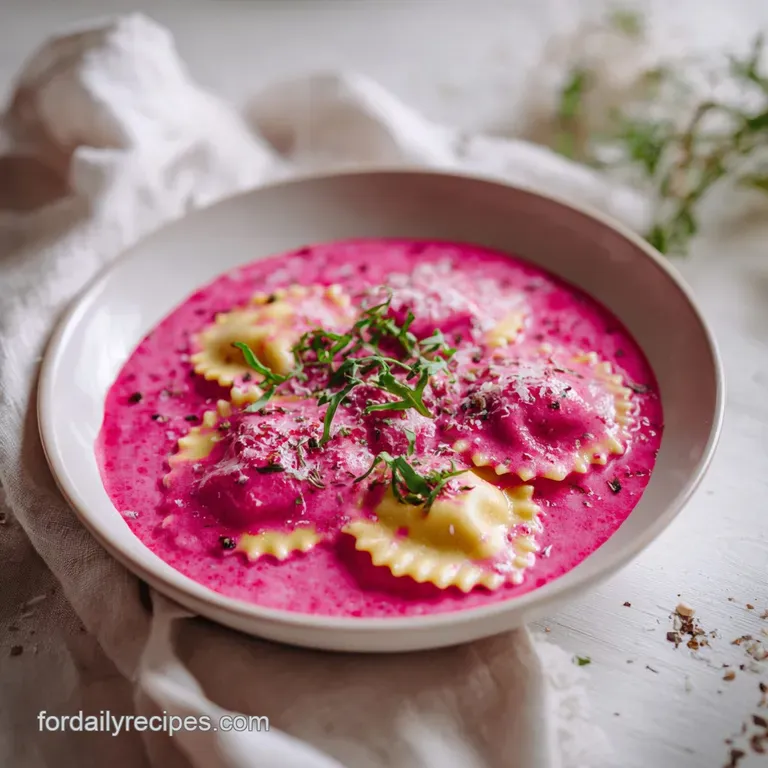
- Boil the water. Use a large pot with plenty of salt to cook your 18-20 oz of ravioli. Note: Salted water seasons the pasta from the inside out.
- Melt the fats. Place 2 tbsp butter and 1 tbsp olive oil in a skillet over medium heat until the butter sizzles and foams.
- Sauté the aromatics. Add the minced shallot and garlic. Cook for 2 minutes until the shallots are translucent and fragrant.
- Bloom the paste. Stir in 3 tbsp tomato paste and 1/4 tsp red pepper flakes. Cook for 3 minutes until the paste turns dark brick red.
- Temper the cream. Lower the heat and slowly pour in 1/2 cup heavy cream, whisking constantly until the sauce is a uniform orange hue.
- Collect the water. Just before the pasta is done, scoop out 1/2 cup of the starchy water.
- Emulsify the sauce. Pour the pasta water into the skillet. Whisk until the sauce looks glossy and slightly thickened.
- Drain the pasta. Carefully remove the ravioli from the water and add them directly into the skillet.
- Marry the flavors. Add 1/4 cup Parmesan and 1/2 tsp sea salt. Toss gently until every ravioli is coated in a velvety layer.
- Finish and serve. Scatter the fresh basil over the top until the aroma of fresh herbs fills the kitchen.
Chef's Tip: Freeze your Parmesan for 10 minutes before grating. It prevents the cheese from clumping and creates a fine "snow" that melts instantly into the sauce.
Preventing Common Kitchen Disasters
The most common issue I see is the sauce separating or "breaking." This usually happens because the heat is too high when the cream and cheese are added. If you see oil pooling at the edges, your emulsion is struggling.
Why Your Sauce Might Separate
When the proteins in the cream are heated too quickly, they tighten up and squeeze out the fat. This leaves you with a grainy texture that looks unappealing. To fix this, always lower your heat to a simmer before adding dairy.
| Problem | Root Cause | Solution |
|---|---|---|
| Grainy Texture | Cheese added to boiling sauce | Remove from heat before stirring in Parmesan |
| Thin Sauce | Not enough pasta water reduction | Simmer for 2 more minutes before adding pasta |
| Bitter Aftertaste | Garlic was burned | Start over; burnt garlic flavor cannot be masked |
Common Mistakes Checklist - ✓ Never rinse your ravioli; you need that surface starch to help the sauce stick. - ✓ Use double concentrated paste only; standard paste is too watery for this 15 minute method.
- ✓ Don't skip the red pepper flakes; they provide a necessary bridge between the sweet cream and acidic tomato. - ✓ Add the basil at the very end to prevent it from turning black and bitter. - ✓ Preheat your skillet for at least 2 minutes so the aromatics sizzle immediately.
Creative Flavor Swaps and Ideas
If you want to create a Lobster Ravioli Sauce Recipe Easy, simply swap the basil for fresh tarragon and add a squeeze of lemon juice at the end. The citrus cuts through the richness of the lobster beautifully.
For an Easy Butter Sauce for Ravioli, you can omit the tomato paste and cream entirely, doubling the butter and adding plenty of fresh sage leaves until they become "shatter" crispy.
| Original Ingredient | Substitute | Why It Works |
|---|---|---|
| Heavy Cream (1/2 cup) | Full fat Coconut Milk | Provides similar fat. Note: Adds a subtle nutty flavor |
| Parmesan Reggiano | Pecorino Romano | Higher salt content and a sharper, funkier finish |
| Fresh Basil | Dried Oregano | Use 1/3 the amount. Note: Offers an earthy, dried herb profile |
If you are craving a Mushroom Ravioli Sauce Easy, try adding 1/2 cup of sautéed cremini mushrooms to the shallot base. The earthiness of the mushrooms creates a beautiful contrast with the sweetness of the heavy cream.
For a Ravioli Sauce Tomato focus, increase the paste to 5 tbsp and reduce the cream to a mere splash.
Smart Storage and Leftover Tips
This sauce is best served fresh, but if you have leftovers, they can be stored in an airtight container in the fridge for up to 3 days. However, do not freeze the sauce once the cream and cheese have been added, as the texture will become grainy upon thawing.
To reheat, put the ravioli and sauce back into a skillet with a tiny splash of milk or water. Heat it over low flame, stirring gently, until the sauce becomes velvety again. If you're feeling zero waste, save any leftover sauce to use as a spread for a toasted sourdough sandwich the next day it’s surprisingly good.
Perfect Pairings for Your Meal
While this Ravioli Sauce is the star of the show, it loves company. I usually serve this with a crisp arugula salad tossed in a simple lemon vinaigrette to cut through the richness. If you're looking for a different flavor profile for another night, consider how a buttery Seafood Boil Sauce Recipe could transform a simple shrimp dish.
If you want a specific outcome, try these: - If you want a deeper color, sauté the tomato paste for an extra 2 minutes. - If you want a thicker sauce, use only 1/4 cup of pasta water and whisk longer. - If you want a lighter version, replace half the heavy cream with whole milk.
Debunking Kitchen Myths
One common myth is that you must use fresh tomatoes for a "real" sauce. In reality, high-quality tomato paste offers a concentration of flavor that fresh tomatoes can't match in a 15 minute window. Another myth is that adding oil to your pasta water prevents sticking.
It actually just makes the pasta greasy, which prevents this beautiful sauce from adhering to the ravioli. Skip the oil in the pot; keep it for the skillet!
By following these heritage inspired steps, you're not just boiling pasta you're crafting a meal that tastes like it took hours, but only took 15 minutes. It’s the kind of trick every home cook needs in their back pocket for those nights when only comfort food will do.
High in Sodium
950 mg mg of sodium per serving (41% % of daily value)
The American Heart Association recommends limiting sodium intake to 2,300mg per day for overall health.
Easy Ways to Reduce Sodium in Your Ravioli Dish
-
Reduce Parmesan-20%
Parmesan cheese is a significant source of sodium. Use only 1 tablespoon of Parmesan Reggiano or substitute with a low-sodium Parmesan option to greatly lower the sodium content.
-
Cut Back on Salt-25%
Reduce the added sea salt by half or eliminate it entirely. Taste and adjust seasoning after cooking, as other ingredients contribute sodium.
-
Rinse Ravioli-10%
If using frozen ravioli, briefly rinse them after cooking. This can help remove excess sodium from the pasta water and any preservatives used in the ravioli.
-
Flavor with Herbs
Enhance the dish's flavor with additional fresh herbs like oregano, thyme, or parsley. Experiment with different combinations to discover new flavor profiles without adding sodium.
Ravioli Sauce FAQs
What sauce goes well with ravioli?
Creamy tomato sauces pair exceptionally well. A rich sauce that coats the pasta without overpowering the filling, like a simple tomato cream or browned butter and sage, offers the best balance.
What is the best tasting store-bought pasta sauce?
No single store-bought brand is universally the best. Look for jarred sauces with minimal added sugar and high-quality olive oil listed near the top of the ingredient list, or consider boosting a basic marinara with fresh herbs.
What do Italians eat ravioli with?
Simpler sauces are traditional, often emphasizing the filling. Italians frequently use brown butter and sage (especially with pumpkin or ricotta fillings) or a light, high-quality tomato sauce.
What can I add to ravioli to make it taste better?
Finish with toasted breadcrumbs, fresh herbs, and high-quality aged cheese. Tossing the cooked ravioli directly into the sauce with a splash of starchy pasta water creates a perfect emulsion; if you mastered that binding principle here, you'll see similar results in our alfredo sauce recipe.
How do I prevent my homemade ravioli sauce from tasting metallic?
Bloom the tomato paste by frying it until it turns dark brick red. This crucial step caramelizes the sugars in the paste, eliminating the raw, acidic, or metallic taste associated with quick tomato additions.
Is it true that I must use only heavy cream for a creamy ravioli sauce?
No, heavy cream can be lightened effectively. You can substitute half the heavy cream with whole milk, provided you use plenty of starchy pasta water; mastering this emulsion technique is key to maintaining texture.
What simple sauce works for a quick meat filled ravioli?
Browned butter with fresh herbs like sage is ideal for rich fillings. Melt butter over medium heat until the milk solids brown, then toss in the pasta and sage until fragrant, similar to how the fats are managed in our Mushroom Chicken recipe recipe.
Easy Ravioli Sauce In 15 Minutes
Ingredients:
Instructions:
Nutrition Facts:
| Calories | 558 kcal |
|---|---|
| Protein | 17.1g |
| Fat | 32.8g |
| Carbs | 49.5g |
| Fiber | 2.5g |
| Sugar | 3.1g |
| Sodium | 950mg |
