Easy Lasagna Recipe: No Boil Noodles
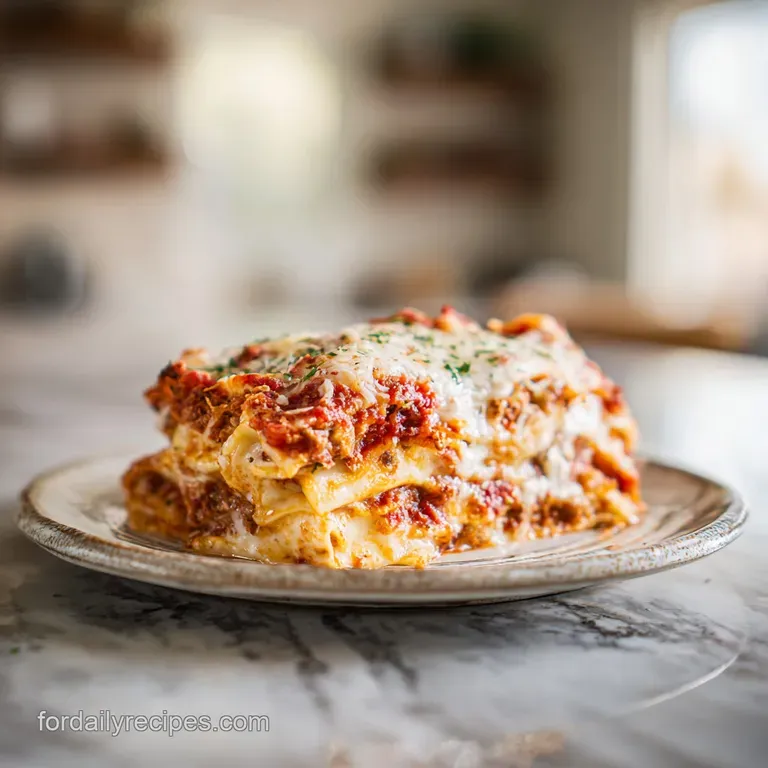
- Time: Active 15 minutes, Passive 45 minutes, Total 1 hour
- Flavor/Texture Hook: Savory, cheesy, and structurally sound
- Perfect for: Stress free weeknight dinners or meal prep
- Why This Recipe Works
- Recipe Specifications and Timing
- Essential Ingredients and Substitutions
- Required Equipment and Tools
- Detailed Assembly and Baking Guide
- Troubleshooting Common Lasagna Mistakes
- Creative Customizations and Variations
- Storage and Reheating Guidelines
- Best Side Dish Pairings
- Debunking Lasagna Myths
- High in Sodium
- Recipe FAQs
- 📝 Recipe Card
Why This Recipe Works
- Moisture Calibration: Using a specific ratio of high-quality marinara to no boil noodles ensures the pasta hydrates perfectly without becoming mushy or staying brittle.
- Protein Structural Integrity: Adding a lightly beaten egg to the ricotta creates a "custard" effect that binds the cheese layer, preventing it from oozing out when sliced.
- The Maillard Effect: Searing the 90/10 beef sirloin at high heat develops complex savory notes that compensate for a shorter simmering time.
- Starch Gelatinization: No boil noodles absorb the excess liquid from the sauce as they cook, naturally thickening the interior of the lasagna.
Comparison of Cooking Methods
| Method | Time | Texture | Best For |
|---|---|---|---|
| Traditional Oven | 45 minutes | Crispy top, firm layers | Maximum flavor development |
| Stovetop Pan | 25 minutes | Softer, "deconstructed" feel | Urgent weeknight hunger |
| Slow Cooker | 4 hours | Very tender, soup like | Low effort hands off prep |
If you find yourself short on time but craving these specific flavors, you might want to try this Slow Cooker Lasagna Soup recipe for a faster alternative that hits the same spot.
Recipe Specifications and Timing
To get this dish right, precision matters more than fancy footwork. We are aiming for a total cook time of 45 minutes at 190°C (375°F).
This specific temperature is high enough to brown the mozzarella but low enough to cook the no boil noodles through without burning the bottom layer.
Component Analysis
| Ingredient | Science Role | Pro Secret |
|---|---|---|
| Beef Sirloin | Provides structure and fat | Use 90/10 lean ratio to avoid a greasy pool at the bottom |
| Ricotta Cheese | Moisture and creaminess | Whisk with an egg to ensure it sets into a firm, sliceable layer |
| No Boil Noodles | Starch and architecture | Ensure sauce covers every millimeter of the noodle to prevent hard edges |
Essential Ingredients and Substitutions
Gather these items before you start. Having everything measured out is the secret to meeting your 15 minute prep deadline.
- 450g 90/10 lean ground beef sirloin: Leaner is better here to prevent the layers from sliding.
- 10ml extra virgin olive oil: Just enough to soften the aromatics.
- 1 yellow onion: Finely diced for even distribution.
- 3 cloves garlic: Minced fresh; don't use the jarred stuff if you can help it.
- 800g marinara sauce: Use a high-quality brand that isn't too watery.
- 5g dried oregano & 2.5g red pepper flakes: For that classic Italian profile.
- 425g whole milk ricotta cheese: Provides the velvety body.
- 1 large egg: The essential binder for the cheese.
- 50g grated Parmesan cheese: Adds a salty, nutty kick.
- 10g fresh parsley: Brightens the heavy fats.
- 340g low moisture shredded mozzarella: Specifically "low moisture" to prevent a watery bake.
- 12 oven ready lasagna noodles: Also known as no boil noodles.
Smart Substitution Guide
| Original Ingredient | Substitute | Why It Works |
|---|---|---|
| Ground Beef (450g) | Ground Turkey (450g) | Lean protein. Note: Add 5ml extra oil as turkey is dryer |
| Ricotta Cheese (425g) | Small Curd Cottage Cheese (425g) | Similar moisture. Note: Pulse in a blender for a smoother texture |
| Mozzarella (340g) | Provolone (340g) | Excellent meltability. Note: Adds a slightly sharper, smokier flavor |
Required Equipment and Tools
You don't need much, but the right pan makes a massive difference in how the heat circulates.
- Large Skillet: For browning the beef and simmering the sauce.
- Mixing Bowl: To blend the ricotta matrix.
- 9x13 inch (23x33cm) Baking Dish: The standard size for this easy lasagna recipe.
- Aluminum Foil: Critical for the first half of the bake to trap steam.
- Cheese Grater: If you aren't using pre shredded (though pre shredded is fine for speed).
Chef Tip: Freeze your mozzarella block for 15 minutes before grating. It makes the cheese firmer and prevents it from clumping into a mess on the grater blades.
Detailed Assembly and Baking Guide
Phase 1: Developing the Savory Base
- Sauté the aromatics. Heat the 10ml olive oil in your skillet. Add the diced onion and cook for 5 minutes until translucent.
- Brown the beef. Add the 450g ground beef to the skillet. Break it apart with a wooden spoon and cook until no pink remains. Watch for the sizzle to ensure you are searing, not steaming.
- Season the meat. Stir in the minced garlic, 5g oregano, 2.5g red pepper flakes, salt, and pepper. Cook for 1 minute until the garlic is fragrant.
- Simmer the sauce. Pour in the 800g marinara sauce. Let it simmer on low for 10 minutes. Note: This hydrates the spices and marries the flavors.
Phase 2: Mixing the Cheese Filling
- Combine the dairy. In a medium bowl, whisk the 425g ricotta, the lightly beaten egg, 50g Parmesan, and 10g chopped parsley.
- Whisk until smooth. Ensure the egg is fully incorporated so the cheese sets evenly during the bake.
Phase 3: Mastering the Structural Layers
- Foundation layer. Spread 1 cup of the meat sauce onto the bottom of the 9x13 dish.
- First noodle layer. Place 3 or 4 oven ready noodles over the sauce. Note: It’s okay if they overlap slightly.
- Cheese and meat. Spread 1/3 of the ricotta mixture over the noodles, followed by 1/3 of the remaining meat sauce and 85g (1 cup) of mozzarella.
- Repeat. Continue the layers (noodles, ricotta, sauce, mozzarella) twice more.
Phase 4: Achieving the Golden Brown Finish
- Final topping. The top layer should be noodles covered in the last of the sauce and the remaining mozzarella.
- The Steam Bake. Cover tightly with foil. Bake at 190°C for 25 minutes. Check for bubbling at the edges.
- The Crisp Phase. Remove the foil and bake for another 15-20 minutes. Bake until the cheese is golden and crackling.
- The Critical Rest. Let the lasagna sit for 15 minutes before cutting. Note: This allows the juices to redistribute and the layers to firm up.
Troubleshooting Common Lasagna Mistakes
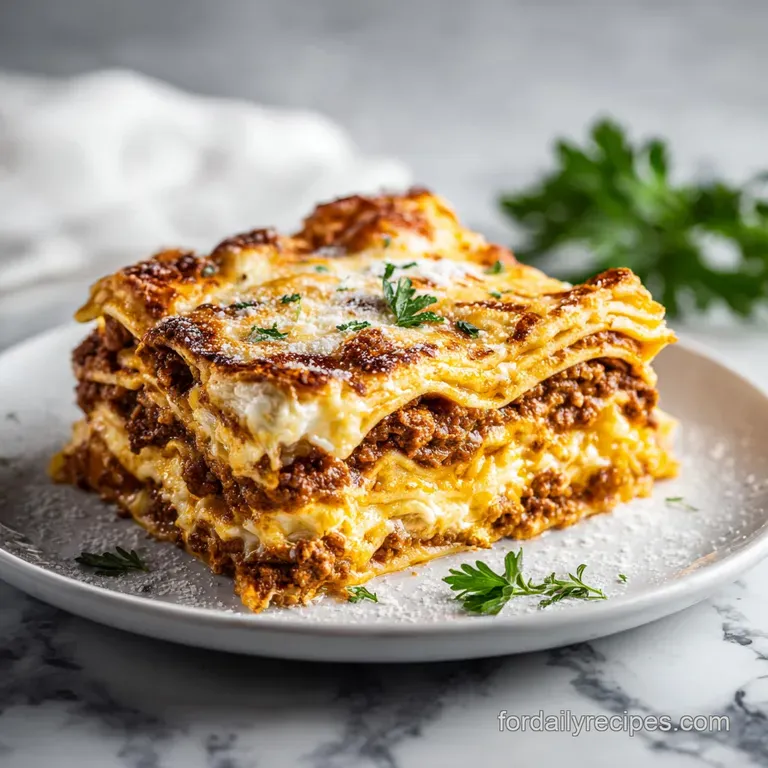
Why Your Lasagna is Watery
A soggy lasagna is usually the result of using high moisture vegetables (like mushrooms or spinach) without pre cooking them, or using fresh mozzarella which releases milk as it melts.
Avoiding Hard Noodle Edges
No boil noodles need liquid to soften. If the corners of your noodles are dry, they weren't covered in sauce or the foil wasn't tight enough to trap the steam.
| Problem | Root Cause | Solution |
|---|---|---|
| Noodles are crunchy | Not enough liquid contact | Ensure sauce covers the edges; seal foil tightly |
| Layers are sliding | Cutting while too hot | Let the dish rest for 15 full minutes before slicing |
| Cheese is burnt | Exposed to direct heat too long | Keep foil on for the first 25 minutes of baking |
Common Mistakes Checklist
- ✓ Using "fresh" mozzarella instead of low moisture (leads to a swampy dish).
- ✓ Skipping the egg in the ricotta (results in a grainy, loose texture).
- ✓ Forgetting to grease the baking dish (makes the first slice a nightmare to remove).
- ✓ Not covering the noodles entirely with sauce (leads to brittle, inedible bits).
- ✓ Slicing immediately after the oven (the structure needs time to set).
Creative Customizations and Variations
Swapping for an Easy Lasagna Recipe Vegetarian
You can easily make this an easy lasagna recipe vegetarian by swapping the beef for 450g of sautéed mushrooms and chopped spinach. Just make sure to cook the mushrooms until all their liquid has evaporated, or your lasagna will be watery.
Adding a Heat Kick
If you like things spicy, double the red pepper flakes or stir 15ml of Calabrian chili paste into the marinara sauce. It cuts through the richness of the ricotta beautifully.
Decision Shortcuts
- If you want a deeper flavor, add 30ml of tomato paste to the beef while browning.
- If you want a crispier top, turn on the broiler for the last 2 minutes of cooking.
- If you want a lighter version, substitute the beef for ground chicken and use part skim ricotta.
If you are curious about the technical side of how long this takes to set, check out our How Long To recipe for a deep dive into internal temperatures.
Storage and Reheating Guidelines
- Fridge
- Store in an airtight container for up to 4 days. Lasagna actually tastes better the next day as the spices continue to meld.
- Freezer
- You can freeze the baked lasagna for up to 3 months. Slice it into individual portions first so you can grab a quick lunch without thawing the whole tray.
- Zero Waste
- If you have leftover ricotta, stir it into scrambled eggs the next morning. Leftover meat sauce can be used as a topping for baked potatoes or mixed with a bit of pasta water for a quick "cheater" bolognese.
To reheat, place a slice in the oven at 170°C covered with foil for about 15 minutes. This prevents the cheese from drying out while the center gets hot.
Best Side Dish Pairings
Lasagna is heavy, so you need acidity and crunch to balance the palate. A simple arugula salad with a lemon vinaigrette is my go to. The peppery bite of the greens cuts right through the whole milk ricotta.
If you want something more substantial for a crowd, a classic garlic bread is non negotiable. You can also pair this with a Hashbrown Casserole Recipe if you're hosting a massive brunch or potluck and want to offer multiple textures of comfort food.
Debunking Lasagna Myths
Myth: You must boil no boil noodles first. Truth: No boil noodles are designed to absorb moisture from the sauce. Pre boiling them actually makes them mushy and ruins the structural integrity of the layers.
Myth: More sauce is always better. Truth: Excess sauce leads to "soup" lasagna. You want just enough to hydrate the noodles. Stick to the 800g limit for a 9x13 pan.
Myth: Ricotta is the only traditional cheese. Truth: While ricotta is common in Italian American versions, many traditional Italian recipes use a Béchamel sauce (flour, butter, and milk). Ricotta is used here because it’s a massive time saver for an easy lasagna recipe.
High in Sodium
1045 mg mg of sodium per serving (45% % of daily value)
The American Heart Association recommends limiting sodium intake to about 2,300mg per day.
Tips to Reduce Sodium in Your Lasagna
-
Low-Sodium Marinara-20%
Use a low-sodium or no-salt added marinara sauce. This swap can significantly reduce the overall sodium content of the dish.
-
Reduce Parmesan-15%
Use less Parmesan cheese, or substitute with a low-sodium Parmesan alternative. Parmesan is a significant contributor to the sodium content.
-
Low-Sodium Ricotta-10%
Choose low-sodium ricotta cheese. Some brands offer ricotta with reduced sodium content without sacrificing flavor.
-
Lean Beef-5%
While you're already using lean ground beef, ensure it doesn't have any added sodium. Choose fresh, unseasoned ground beef from the butcher.
-
Fresh Herbs
Enhance the flavor with fresh herbs like basil and oregano. They add depth without adding sodium.
-
No Salt Added-5%
Do not add any salt to the meat sauce or ricotta mixture. Taste and adjust seasonings with pepper and other spices.
Recipe FAQs
How to make a quick and easy lasagne?
Use no-boil noodles and pre-made quality sauce. Assembly requires layering sauce, noodles, ricotta mixture, and mozzarella three times. This streamlines prep to under 20 minutes active time.
What is the secret to a good lasagna?
Bind the ricotta with an egg before layering. This small step creates a custard effect that ensures the cheese layer sets firmly when baked, preventing the entire dish from collapsing when sliced.
What is the correct way to layer lasagna?
Start and end with sauce, and alternate cheese and meat. Begin with sauce on the bottom, then noodle, followed by 1/3 ricotta, 1/3 sauce, 1/3 mozzarella. Repeat twice, ending with sauce and the remaining mozzarella on top.
What is the best sauce to use for lasagna?
A high-quality, slightly thick marinara is ideal. Avoid overly watery sauces, as the no-boil noodles need a thick base to hydrate properly without creating excess liquid.
Do I need to pre-cook the beef before adding it to the sauce?
Yes, brown the beef thoroughly before simmering in the sauce. Searing the sirloin develops necessary savory depth (Maillard reaction) that short cooking times usually miss; remember to drain excess fat.
Can I make this lasagna entirely ahead of time?
Yes, assemble it fully and refrigerate up to 24 hours prior to baking. When baking from cold, add an extra 10-15 minutes to the foil covered portion of the cooking time to ensure it heats through evenly.
Why are the edges of my no-boil noodles still hard after baking?
The noodles weren't fully submerged in liquid during assembly. Every square inch of the pasta must touch the sauce to absorb moisture and soften; sealing the dish tightly with foil traps steam to help this process.
Easy Lasagna Recipe No Boil
Ingredients:
Instructions:
Nutrition Facts:
| Calories | 518 kcal |
|---|---|
| Protein | 34.8 g |
| Fat | 26.4 g |
| Carbs | 35.2 g |
| Fiber | 3.8 g |
| Sugar | 6.5 g |
| Sodium | 1045 mg |
