Easy Garlic Parmesan Pasta Recipe
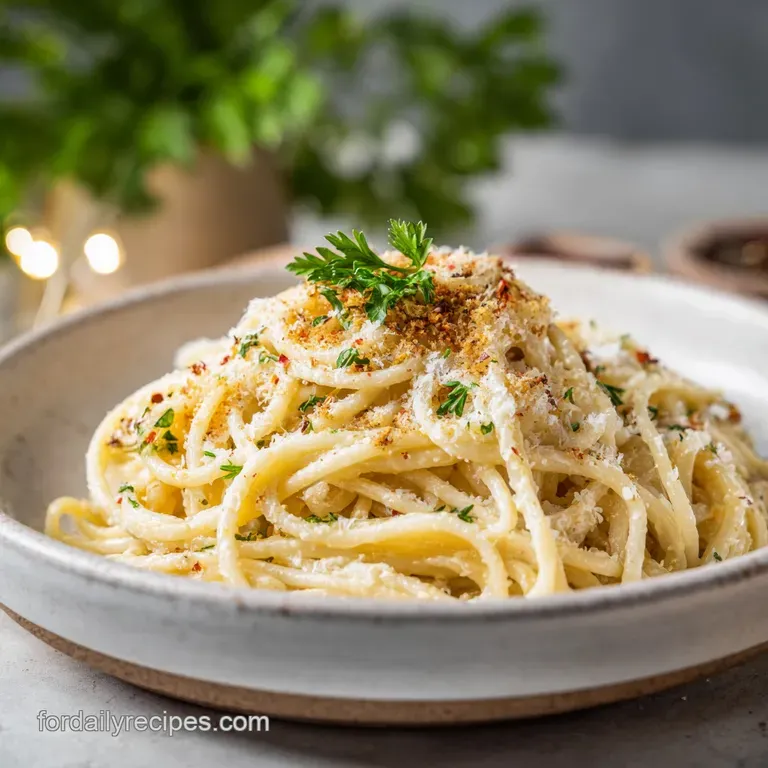
- Time: Active 5 minutes, Passive 10 minutes, Total 15 minutes
- Flavor/Texture Hook: Silky, garlic infused cream with a salty, aged cheese finish
- Perfect for: High pressure weeknights or quick meal prep for busy professionals
- Quick Creamy Garlic Parmesan Pasta in 15 Minutes
- Techniques for a Silky Sauce
- Recipe Specs and Timing
- Choosing Quality Ingredients for Flavor
- Tools for Minimal Kitchen Cleanup
- Execution Steps for Fast Results
- Fixes for Common Cooking Errors
- Flavor Variations for Every Palate
- Storage and Zero Waste Tips
- Serving and Enjoying Your Meal
- Debunking Common Pasta Myths
- High in Sodium
- Recipe FAQs
- 📝 Recipe Card
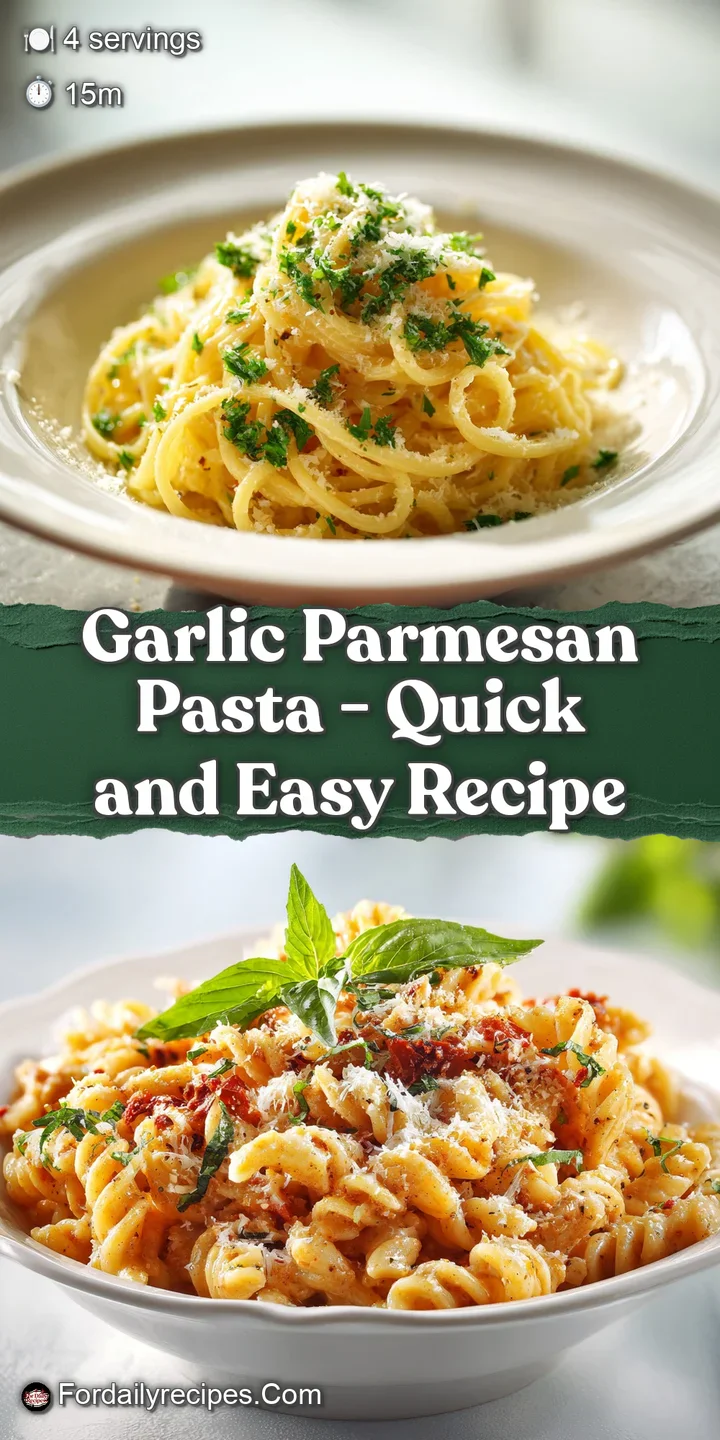
Quick Creamy Garlic Parmesan Pasta in 15 Minutes
The sharp sizzle of microplaned garlic hitting a pool of melting butter is the sound of my Tuesday nights being saved. Last week, I walked through the front door at 6:15 PM with a deadline looming and a stomach that was already staging a protest.
I didn't have the mental bandwidth for a complex project, but I knew I had a block of Parmigiano Reggiano and a pound of linguine in the pantry.
I skipped the complicated roux and went straight for the emulsion technique I learned after failing at dozens of "one pot" disasters. Within 15 minutes, I was sitting at my desk with a bowl of Garlic Parmesan Pasta that looked like it cost twenty dollars at a bistro.
It is the ultimate efficiency hack for anyone who respects their time but refuses to eat boring food. We've all been there, staring at the fridge with zero energy, but this dish proves you can have a luxury meal without the slow, agonizing prep work.
Techniques for a Silky Sauce
Starch Emulsification: The reserved pasta water acts as a binding agent, where the dissolved starches link the heavy cream and butter into a stable, glossy coating. This prevents the fats from separating and leaving a greasy puddle at the bottom of your bowl.
Fat Saturation: Sautéing garlic in butter before adding cream allows the fat soluble flavor compounds in the garlic to permeate the entire sauce. It creates a deeper flavor profile than simply boiling the garlic with the pasta.
Casein Stability: Adding the Parmigiano Reggiano off the heat prevents the cheese proteins (casein) from tightening into rubbery clumps. The residual heat is exactly enough to melt the aged cheese into a velvety liquid state.
| Cooking Method | Active Time | Resulting Texture | Best For |
|---|---|---|---|
| Stovetop | 10 mins | Silky, emulsified, glossy | Immediate eating/freshness |
| Oven (Casserole) | 35 mins | Toasty, bubbly, firm | Feeding a crowd/potlucks |
| Pressure Cooker | 8 mins | Soft, starch heavy, thick | Ultimate hands off speed |
Most people forget that the pasta continues to cook once it hits the sauce. To keep that perfect bite, I always pull my linguine out of the boiling water exactly 60 seconds before the package says "al dente." The noodles then finish their journey by soaking up the heavy cream and garlic butter, which seasons the pasta from the inside out instead of just coating the surface.
Recipe Specs and Timing
| Ingredient | Science Role | Pro Secret |
|---|---|---|
| Pasta Water | Liquid Emulsifier | Never toss it; the starch is "liquid gold" for sauce stability. |
| Garlic | Aromatic Base | Microplane it to maximize surface area for instant flavor release. |
| Parmigiano Reggiano | Protein/Salt Structure | Grate it fine so it melts before the cream can break. |
Choosing Quality Ingredients for Flavor
For this recipe, we are using 1 lb linguine or spaghetti. The long strands provide more surface area for the sauce to cling to compared to short shapes like penne. You will also need 2 tbsp sea salt for the boiling water don't be shy here, as this is your only chance to season the actual pasta dough.
For the heart of the flavor, grab 4 tbsp unsalted high-quality butter and 6 large garlic cloves. I highly recommend using a microplane for the garlic to create a paste like consistency. You will also need 1 cup heavy cream and 1.5 cups freshly grated Parmigiano Reggiano.
Avoid the stuff in the green can; it contains cellulose that prevents it from melting, which will ruin your sauce.
Finish the dish with 0.5 tsp freshly cracked black pepper, 0.25 tsp red pepper flakes for a tiny kick, and 2 tbsp fresh Italian parsley. If you are adding protein, have 1 lb chicken breast, thinly sliced, ready to go. And whatever you do, keep 1.5 cups reserved pasta cooking water on standby. If you’re looking for a shortcut to a great base, you can always check out my Garlic Parmesan Sauce recipe for more tips on getting that texture right.
| Original Ingredient | Substitute | Why It Works |
|---|---|---|
| Heavy Cream | Half and Half | Lighter mouthfeel; requires more pasta water for thickness. |
| Parmigiano Reggiano | Pecorino Romano | Saltier and funkier; use slightly less salt in the pasta water. |
| Butter | Olive Oil | More fruity/peppery notes; sauce will be less "creamy" looking. |
Choosing the right chicken is just as important as the pasta. I prefer slicing the breast into thin strips across the grain. This ensures the chicken stays tender and cooks in under five minutes, keeping our total time strictly within the 15 minute window. If you're planning for the whole week, my Chicken Garlic Parmesan recipe covers the best ways to keep the chicken juicy during reheating.
Tools for Minimal Kitchen Cleanup
You only need two main pieces of equipment: a large pot for the pasta and a deep 12 inch skillet for the sauce. A deep skillet is better than a shallow pan because it allows you to toss the noodles vigorously without splashing cream all over your stove.
I also swear by a microplane for the garlic and cheese; it’s faster than chopping and creates a much better melt.
You'll also need a pair of silicone tipped tongs. These are essential for transferring the linguine directly from the boiling water into the skillet. This method naturally carries over a bit of the starchy water, which helps start the emulsification process early.
Finally,, keep a heat proof measuring cup nearby to scoop out that pasta water before you drain the pot.
Execution Steps for Fast Results
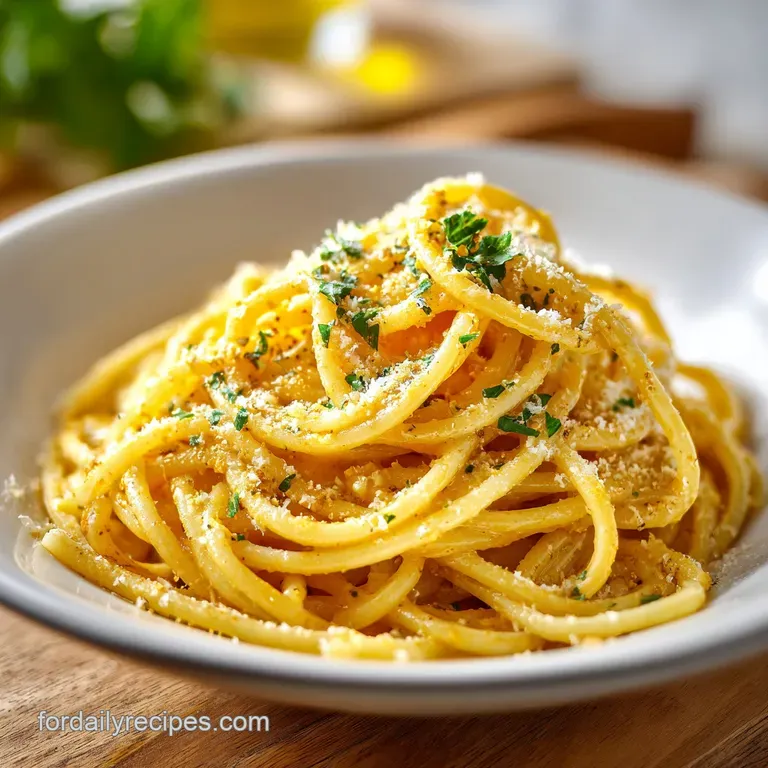
- Boil the linguine in a large pot with 2 tbsp sea salt. Note: The water should taste like the ocean to season the pasta internally.
- Sear the 1 lb chicken breast in the skillet with a splash of oil until golden and no longer pink. Remove and set aside.
- Melt 4 tbsp butter in the same skillet over medium heat until foaming slightly.
- Sauté the 6 microplaned garlic cloves until fragrant but not browned, which takes about 30 seconds.
- Whisk in 1 cup heavy cream and 0.25 tsp red pepper flakes. Note: Bring to a gentle simmer to slightly thicken the liquid.
- Reserve 1.5 cups of pasta water before draining the linguine.
- Transfer the pasta to the skillet until every strand is coated.
- Add 1 cup of the reserved pasta water and the 1.5 cups Parmigiano Reggiano.
- Toss vigorously over low heat until the sauce turns glossy and thick.
- Fold in the cooked chicken, 0.5 tsp black pepper, and 2 tbsp parsley before serving.
Chef's Tip: If your sauce looks too thick or "tight," add the remaining 0.5 cup of pasta water one tablespoon at a time. The heat from the pasta will continue to evaporate liquid even after you turn off the stove.
Fixes for Common Cooking Errors
My Sauce is Clumping
This usually happens because the skillet was too hot when the cheese was added. If the temperature is too high, the cheese proteins seize up instead of melting into the cream. To fix this, remove the pan from the burner entirely and add a splash of cold cream or room temperature pasta water, then whisk like your life depends on it.
The Garlic Tastes Bitter
Garlic burns in the blink of an eye. If your garlic turns dark brown or black, there is no saving it; the bitterness will permeate the entire Garlic Parmesan Pasta. You’ll need to wipe the pan and start the butter and garlic step over.
To prevent this, have your heavy cream measured and ready to pour the second the garlic smells fragrant.
| Problem | Root Cause | Solution |
|---|---|---|
| Greasy Sauce | Fat separation | Whisk in 2 tbsp hot pasta water to re emulsify the fats. |
| Dry Pasta | Noodles absorbed sauce | Add reserved pasta water 1 tbsp at a time until glossy. |
| Blah Flavor | Under seasoned water | Add a pinch of sea salt and extra Parmesan at the very end. |
Common Mistakes Checklist
- ✓ Forgetting to reserve pasta water before dumping the pot (it's the most common tragedy).
- ✓ Using pre shredded cheese from a bag (the anti clumping agents ruin the texture).
- ✓ Boiling the cream too hard (it can break the emulsion and turn grainy).
- ✓ Slicing the chicken too thick (it won't cook fast enough for the 15 minute goal).
- ✓ Overcooking the pasta in the water (it will turn to mush in the sauce).
Flavor Variations for Every Palate
Garlic Parmesan Pasta with Chicken
This is the classic "power meal" version. By searing the chicken in the same pan used for the sauce, you pick up the "fond" (the brown bits), which adds an extra layer of savory depth. If you have leftovers, this version holds up surprisingly well for a desk lunch the next day.
The Citrus & Herb Swap
If you want something that feels lighter for summer, skip the red pepper flakes and add the zest of one whole lemon at the very end. Replace the parsley with fresh basil. The acidity of the lemon cuts through the richness of the heavy cream, making it feel much less heavy while keeping that signature Garlic Parmesan Pasta profile.
- If you want more crunch: Do add toasted panko breadcrumbs seasoned with lemon zest on top.
- If you want more veg: Do toss in a handful of baby spinach during the last 30 seconds of tossing the pasta.
- If you want it extra rich: Do swap the butter for roasted garlic compound butter.
Storage and Zero Waste Tips
This dish is best served immediately, but life happens. You can store leftovers in an airtight container in the fridge for up to 3 days. When reheating, the sauce will have thickened significantly. Do not just microwave it as is, or the oil will separate.
Instead, add a splash of milk or water and heat it in a skillet over low heat, tossing constantly to bring the emulsion back to life.
For zero waste, save your Parmesan rinds! Toss them into the freezer. Next time you make a soup or a slow cooked tomato sauce, drop a rind in. It adds a massive hit of umami that you can't get from salt alone.
Also, if you have leftover parsley stems, chop them finely and sauté them with the garlic; they have tons of flavor that usually gets tossed in the bin.
Serving and Enjoying Your Meal
When serving Garlic Parmesan Pasta, timing is everything. Have your bowls warmed you can do this by sitting them on top of the boiling pasta pot for a minute to ensure the sauce doesn't seize the moment it hits the plate.
I like to serve this with a simple arugula salad dressed with nothing but lemon and olive oil to balance the richness.
Don't forget that this recipe is a canvas. It’s built for efficiency, but it thrives on high-quality basics. If you've got five extra minutes, use a pepper mill to grind that black pepper fresh; it makes a world of difference compared to the pre ground dust.
Now, let's crack on and get that water boiling you’re only 15 minutes away from the best meal of your week.
Debunking Common Pasta Myths
Adding oil to pasta water prevents sticking. This is a waste of oil. Oil just floats on top of the water and then coats the pasta as you drain it, which prevents the sauce from actually sticking to the noodles.
The only way to prevent sticking is to use a large enough pot and stir the pasta frequently during the first two minutes of boiling.
Rinsing pasta after draining is a good idea. Unless you are making a cold pasta salad, never rinse your pasta. Rinsing removes the precious starch that we need to create a cohesive Garlic Parmesan Pasta sauce. You want that starch to help the cream and cheese cling to the linguine strands.
Salted water takes longer to boil. Technically, salt raises the boiling point of water, but the amount we use (2 tbsp) is so negligible that you wouldn't notice the difference without a laboratory grade stopwatch. Always salt your water generously for the sake of flavor, not physics.
High in Sodium
945 mg 945 mg of sodium (41% 41% of daily value)
The American Heart Association recommends limiting sodium intake to about 2,300mg per day.
Tips to Reduce Sodium
-
Reduce Parmesan-15%
Parmigiano Reggiano is a significant source of sodium. Reduce the amount from 1.5 cups to 0.75 cups to significantly lower the sodium content. Consider using a lower sodium hard cheese alternative.
-
Reduce Added Salt-25%
The recipe calls for 2 tbsp of sea salt. Reduce this to 1 tbsp, or eliminate it altogether. Taste and adjust seasoning at the end of cooking. Remember you can always add more, but you can't take it away!
-
Skip Salting Pasta Water-10%
Although commonly done, salting pasta water isn't always necessary. The pasta will absorb some sodium, so consider skipping the salt in the water to reduce the overall sodium content.
-
Use Unprocessed Chicken-10%
Ensure the chicken breast is truly fresh and unprocessed. Sometimes chicken is injected with a sodium solution to plump it up. Check the label or buy from a trusted source to avoid added sodium.
-
Enhance with Herbs & Spices
Use a generous amount of herbs like fresh parsley, basil, and spices like garlic powder, onion powder, and pepper to boost flavor without adding sodium. Experiment with different flavor combinations.
Recipe FAQs
Is garlic parmesan sauce the same as alfredo sauce?
No, they are distinct sauces built on different foundations. Alfredo primarily relies on butter and heavy cream emulsified with Parmesan cheese, focusing on dairy richness.
Garlic parmesan sauce often starts with a base of sautéed garlic in fat and may use less cream or substitute some liquid with starchy pasta water for a lighter, sharper flavor profile.
How to make poor man's Parmesan?
Grind toasted nuts or breadcrumbs with nutritional yeast and salt. For a similar salty, umami texture without true Parmigiano Reggiano, pulse toasted cashews or sunflower seeds with nutritional yeast (for the cheesy flavor) and a pinch of garlic powder in a food processor. This substitute works well in dishes where texture is key, much like when finishing a salad, similar to our Parmesan Chopped Salad recipe.
What vegetables pair with garlic parmesan pasta?
Asparagus, spinach, and roasted broccoli are excellent additions. These vegetables complement the rich, savory sauce without overwhelming the garlic notes. Wilt spinach directly into the sauce at the end, or roast harder vegetables separately to maintain their structure and sweetness before tossing them in.
What cheese goes best with garlic pasta?
Freshly grated Parmigiano Reggiano is the undisputed best choice. Its aged, nutty, crystalline structure melts beautifully into the starch water, creating that essential silky coating. If you need a substitute, Pecorino Romano offers a sharper, saltier profile, though you must use less of it.
How long can I store leftover Garlic Parmesan Pasta?
Store leftovers in an airtight container for up to three days. Be aware that the sauce will thicken significantly upon chilling due to the starch and fat content solidifying.
When reheating, always add a splash of liquid like milk or reserved pasta water to help re-emulsify the sauce back to its creamy state.
Can I add meat to Garlic Parmesan Pasta?
Yes, sautéed protein works perfectly as an enhancement. Thinly sliced chicken breast or crumbled Italian sausage works wonderfully because they cook quickly in the same pan used for the garlic base. When preparing larger batches, refer to our Ground Beef Pasta recipe for tips on searing meat quickly to maintain moisture before combining it with a velvety sauce.
Is it true that adding oil to the pasta water helps the sauce stick later?
No, this is a common misconception that actually hinders sauce adhesion. Adding oil coats the pasta strands, which creates a barrier preventing the starchy water and cheese from binding correctly to the noodle surface.
The true secret to sauce adhesion is reserving and using that starchy pasta water as your emulsifier.
Easy Garlic Parmesan Pasta 2
Ingredients:
Instructions:
Nutrition Facts:
| Calories | 1068 kcal |
|---|---|
| Protein | 65.1 g |
| Fat | 49.2 g |
| Carbs | 88.4 g |
| Fiber | 3.8 g |
| Sugar | 3.2 g |
| Sodium | 945 mg |
