Ramen Noodle Salad Recipe: Shatter Crisp Noodles
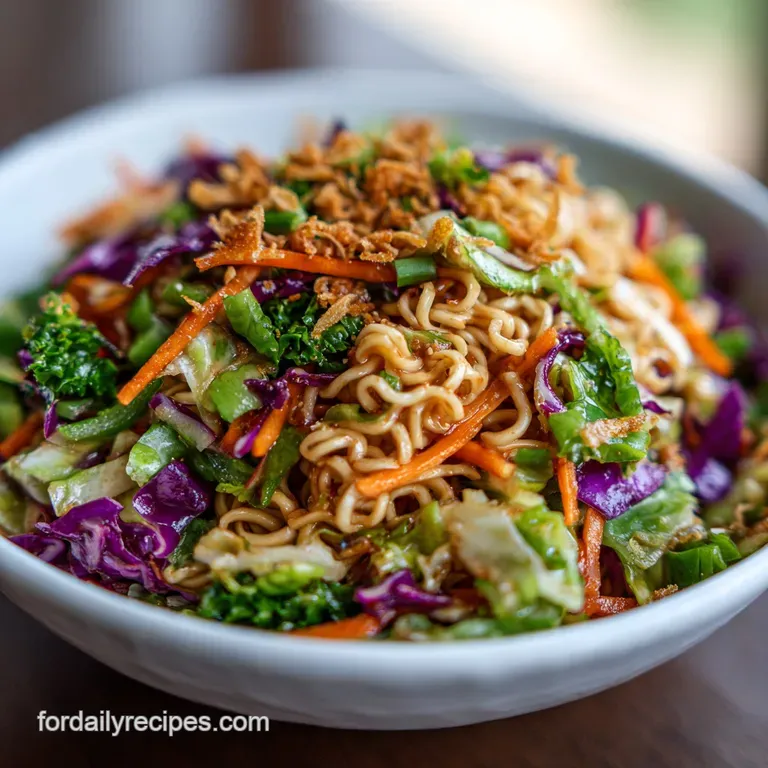
- Time: Active 10 minutes, Passive 5 minutes, Total 15 minutes
- Flavor/Texture Hook: Shatter crisp noodles and nutty sesame
- Perfect for: High energy weekend gatherings or meal prep
- The Ultimate Crunchy Ramen Noodle Salad Recipe
- Science Behind the Perfect Crunch
- Essential Recipe Specifications and Yield
- Selecting Quality Ingredients and Flavors
- Required Kitchen Gear for Success
- Step-by-Step Cooking and Assembly
- Fixing Texture and Flavor Errors
- Simple Substitutions and Dietary Fixes
- Storage Guidelines and Waste Reduction
- Debunking Kitchen Misconceptions
- Serving Suggestions and Global Pairings
- Recipe FAQs
- 📝 Recipe Card
The Ultimate Crunchy Ramen Noodle Salad Recipe
I remember the first time I encountered this dish at a humid, seaside potluck in Hawaii. Someone had brought a massive bowl filled with what looked like neon bright cabbage and shards of glass.
When I took a bite, it wasn't glass, obviously, but the most incredible, rhythmic "shatter" I’ve ever experienced in a salad. The aroma of toasted sesame oil and sharp, fresh ginger was so heavy in the salt air it felt almost magnetic.
We’ve all seen the version with the little silver seasoning packet, but frankly, we can do so much better. This recipe is about taking those humble pantry staples and treating them with the respect a global fusion dish deserves.
It’s about the science of the crunch and the way a dressing can bridge the gap between "something to eat" and "something extraordinary."
This isn't just a side dish; it’s a texture first experience that works perfectly for those adventurous weekends when you want something that feels like it transcends borders.
Trust me on this: once you understand the physics behind how these ingredients interact, you’ll never look at a block of instant noodles the same way again.
Science Behind the Perfect Crunch
Lipid Coating: By toasting the noodles and seeds in oil, you create a hydrophobic barrier that prevents the cabbage moisture from softening the starch too quickly.
Acid Sugar Synergy: The rice vinegar denatures the cabbage proteins slightly, while the high sugar content in the dressing creates a viscous syrup that clings to every crevice.
Aromatic Volatility: Grating fresh ginger releases essential oils that are more pungent than ground versions, providing a sharp contrast to the rich, toasted sunflower seeds.
Osmotic Balance: The salt in the soy sauce draws just enough water out of the shredded vegetables to make them flexible without losing their structural "snap."
| Cooking Method | Total Time | Final Texture | Best For |
|---|---|---|---|
| Raw Shatter | 5 minutes | Sharp, brittle snap | Immediate serving at home |
| Oven Toasted | 10 minutes | Deep, nutty biscuit crunch | Outdoor potlucks and parties |
| Pan Seared | 8 minutes | Varied, charred edges | Adding smoky depth to flavor |
The difference between a soggy mess and a textural masterpiece often comes down to how you handle the heat. While some prefer the raw, aggressive snap of the noodles right out of the bag, taking a few minutes to toast them in a 350°F oven changes the chemical structure of the wheat, giving it a flavor reminiscent of a toasted biscuit. This is very similar to how we develop depth in an Asian Salad Recipe where every layer of flavor is built on a foundation of carefully treated aromatics.
Essential Recipe Specifications and Yield
| Component | Science Role | Pro Secret |
|---|---|---|
| Rice Vinegar | Acidic catalyst | Use unseasoned vinegar to control the sugar to salt ratio precisely. |
| Toasted Sesame Oil | Emulsification base | Add this last to ensure the toasted scent doesn't oxidize during whisking. |
| Granulated Sugar | Viscosity agent | It creates a "syrup" that helps the dressing stick to the slippery noodles. |
| Fresh Ginger | Enzyme activity | Freeze the root before grating to get a finer, more integrated texture. |
The key to a successful ramen noodle salad recipe lies in the precision of the dressing. You aren't just making a liquid; you are creating a velvet like emulsion that needs to be thick enough to coat the ingredients without pooling at the bottom of the bowl.
Selecting Quality Ingredients and Flavors
- 14 oz Pre shredded Coleslaw Mix: Why this? Provides consistent surface area for the dressing to cling to effortlessly.
- Substitute: Shredded Savoy cabbage (more tender but less crunch).
- 6 oz Instant Ramen Noodles (2 packages): Why this? The high fat, pre fried nature provides that signature brittle shatter.
- Substitute: Broken dry vermicelli (denser and requires longer toasting).
- 0.5 cup slivered almonds: Why this? Adds a creamy, nutty finish that rounds out the sharp vinegar.
- Substitute: Chopped cashews (richer fat content, softer bite).
- 0.25 cup toasted sunflower seeds: Why this? Small size ensures they distribute into every single forkful.
- Substitute: Pepitas (earthier flavor, similar structural profile).
- 4 green onions: Why this? Delivers a necessary sharp, sulfurous bite to cut through the sugar.
- Substitute: Chives (milder flavor, better for sensitive palates).
- 0.5 cup fresh cilantro: Why this? Adds a bright, citrusy top note that lightens the heavy oils.
- Substitute: Fresh mint (adds a cooling, global twist).
- 2 cups shredded chicken breast: Why this? Lean protein that absorbs the dressing without becoming greasy.
- Substitute: Sliced firm tofu (drained and pressed for similar texture).
- 0.5 cup neutral oil: Why this? Acts as a carrier for the sesame and ginger flavors.
- Substitute: Avocado oil (higher smoke point, slightly buttery).
- 0.33 cup rice vinegar: Why this? Mild acidity that doesn't overwhelm the delicate noodles.
- Substitute: Apple cider vinegar (fruitier, more aggressive acid profile).
- 0.25 cup granulated sugar: Why this? Balances the vinegar and creates the necessary "clinging" viscosity.
- Substitute: Honey (adds floral notes but can be overly sticky).
- 1 tbsp soy sauce: Why this? Provides umami and seasoning without adding excess salt grains.
- Substitute: Tamari (for a gluten-free option with deeper color).
- 1 tbsp toasted sesame oil: Why this? The soul of the dish; provides the deep, smoky aroma.
- Substitute: Roasted peanut oil (similar depth, different flavor profile).
- 0.5 tsp fresh ginger: Why this? Provides a spicy, aromatic heat that ground ginger lacks.
- Substitute: Galangal (more pine like and citrusy, very adventurous).
- 0.25 tsp black pepper: Why this? A subtle back of-the throat heat to finish the profile.
- Substitute: White pepper (more floral and less visually obvious).
Required Kitchen Gear for Success
You don't need a lot of fancy equipment, but a few specific items will make your life much easier. A heavy bottomed skillet is essential for toasting the noodles and seeds evenly. If you use a thin pan, the sugar in the almonds will burn before the noodles get that beautiful golden hue.
I also highly recommend a microplane for the ginger; it turns the root into a velvety paste that disappears into the oil, ensuring you don't bite into a woody chunk.
A large glass mixing bowl is better than plastic for this recipe. Plastic tends to hold onto oils, which can make it hard to get that perfectly emulsified dressing. Plus, the weight of the glass helps when you're aggressively tossing the heavy cabbage and chicken together.
step-by-step Cooking and Assembly
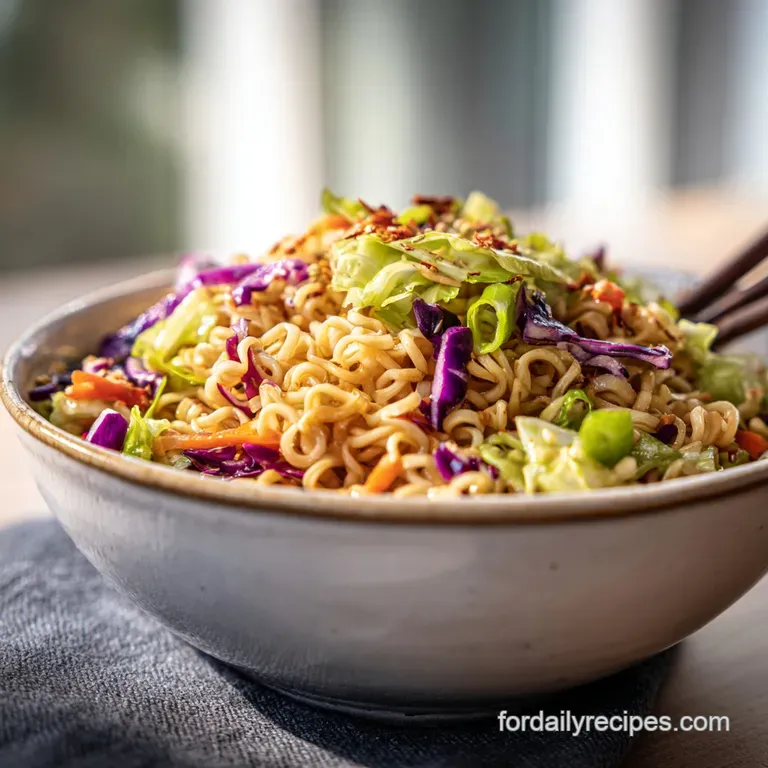
- Shatter the noodles. Remove the ramen from the packaging and discard the flavor packets. Place the dry blocks in a large zip top bag and use a rolling pin or the bottom of a heavy skillet to break them into bite sized shards. Note: Aim for pieces about 1/2 inch wide to maintain texture.
- Toast the dry components. Heat a dry skillet over medium heat. Add the broken noodles, 0.5 cup slivered almonds, and 0.25 cup sunflower seeds.
- Develop the aroma. Stir the mixture constantly for about 5 minutes until the seeds smell like toasted biscuits and the noodles are golden.
- Cool the crunch. Transfer the toasted mixture to a plate immediately to stop the cooking process. Note: Residual heat in the pan will burn the almonds if left alone.
- Whisk the dressing base. In a small jar or bowl, combine 0.5 cup neutral oil, 0.33 cup rice vinegar, and 0.25 cup granulated sugar.
- Incorporate the aromatics. Add 1 tbsp soy sauce, 1 tbsp toasted sesame oil, 0.5 tsp grated ginger, and 0.25 tsp black pepper. Whisk vigorously for 60 seconds until the dressing looks cloudy and thickened.
- Combine the greens. In your large mixing bowl, toss the 14 oz coleslaw mix, 4 sliced green onions, and 0.5 cup chopped cilantro together.
- Add the protein. Fold in the 2 cups of shredded chicken breast, ensuring it is evenly distributed through the cabbage.
- Final emulsification toss. Pour the dressing over the cabbage and chicken. Toss thoroughly until every leaf is shimmering with oil.
- The ultimate finish. Just before serving, fold in the cooled toasted noodle mixture. Note: This prevents the noodles from absorbing moisture too early.
Fixing Texture and Flavor Errors
Why Your Noodles Lost Their Snap
If your noodles feel chewy rather than crunchy, they likely spent too much time sitting in the dressing. The sugar and vinegar act as a brine, drawing moisture into the dry starch. To prevent this, always keep the toasted components in a separate container until the very second you are ready to eat.
Solving a Greasy Mouthfeel
Sometimes the dressing can feel too heavy or "slick." This usually happens if the sugar hasn't fully dissolved into the vinegar before the oil was added. If your dressing separates instantly, try whisking in a teaspoon of warm water or a small dab of Dijon mustard to help stabilize the emulsion. This is a trick I often use when perfecting a Teriyaki Sauce Recipe to ensure the glaze stays cohesive.
| Problem | Root Cause | Solution |
|---|---|---|
| Bitter Aftertaste | Over toasted seeds | Remove from heat the moment you smell a "nutty" aroma. |
| Gritty Texture | Undissolved sugar | Whisk the vinegar and sugar together first before adding oil. |
| Bland Flavor | Too much oil | Add an extra teaspoon of rice vinegar or a pinch of salt. |
Common Mistakes Checklist
- ✓ Don't crush the noodles into dust; you want distinct shards for the best "shatter."
- ✓ Never add the dressing to the noodles more than 10 minutes before serving.
- ✓ Use fresh ginger rather than powdered to avoid a "flat" flavor profile.
- ✓ Pat your shredded chicken dry before adding to prevent watering down the dressing.
- ✓ Toast your nuts and seeds in a single layer to ensure even heat distribution.
Simple Substitutions and Dietary Fixes
If you are looking to scale this recipe down for a solo lunch, simply halve all the ingredients. However, I find it’s better to make the full batch of dressing and only toss what you need for that meal. When scaling up for a large gathering (like 12-24 servings), don't simply double the salt and spices.
Increase the oil and vinegar, but keep the ginger and pepper at 1.5x the original amount to avoid overwhelming the dish.
| Original Ingredient | Substitute | Why It Works |
|---|---|---|
| Instant Ramen | Rice Crackers (crushed) | Provides a similar gluten-free crunch. Note: Will soften faster than ramen. |
| Granulated Sugar | Maple Syrup | Adds a deeper, caramel like sweetness. Note: Slightly thinner consistency. |
| Shredded Chicken | Edamame (shelled) | Keeps the protein high but makes the dish vegetarian. |
Chef's Note: If you're doubling the recipe for a party, keep the toasted noodles and the dressing in separate jars. Let people add their own crunch at the table. It's interactive and guarantees that every bite is as crisp as intended.
Storage Guidelines and Waste Reduction
This salad is one of the few that actually tastes better the next day with one major caveat. The cabbage and chicken will marinate beautifully in the fridge for up to 3 days, but those noodles will turn soft. If you have leftovers, store the cabbage mixture in an airtight container.
When you're ready for round two, simply toast a fresh handful of ramen noodles to restore that vital texture.
For a zero waste approach, don't throw away the broccoli stalks or extra cabbage hearts often found in pre shredded mixes. Grate them down and add them in! They have a fantastic, dense crunch that stands up even better to the dressing than the leaves. If you have leftover dressing, it makes an incredible marinade for a Chicken Garlic Parmesan recipe or as a dip for raw snap peas.
Debunking Kitchen Misconceptions
"The flavor packet is necessary for the salad's taste." This is a huge myth. The seasoning packet is mostly salt and MSG, which can mask the delicate balance of fresh ginger and toasted sesame. By making your own dressing, you control the sodium and allow the natural nuttiness of the toasted noodles to shine.
"You must cook the noodles before putting them in the salad." Please, don't do this! Cooking the noodles ruins the entire "shatter" concept that makes this salad famous. The dry, crunchy texture is the star of the show.
The noodles are already "cooked" (they are deep fried during the manufacturing process), so they are perfectly safe and much more interesting to eat in their dry state.
Serving Suggestions and Global Pairings
To really make this meal feel extraordinary, I like to serve it alongside something with a heavy, savory profile to balance out the sweet and sour notes of the salad. It pairs beautifully with grilled shrimp skewers or a slow roasted pork belly.
The acidity in the rice vinegar acts as a palate cleanser, cutting through the richness of the meat.
If you're serving this as the main event, consider adding some sliced avocado on top just before serving. The creamy fat of the avocado provides a "velvety" contrast to the aggressive crunch of the ramen.
It transforms the dish from a simple coleslaw into a complex, multi layered meal that feels like it belongs on a global fusion menu. It’s also a great way to use up any leftover cilantro stems finely mince them and toss them into the dressing for an extra punch of citrusy flavor.
Recipe FAQs
What are the ingredients for ramen noodle salad?
The core ingredients are dry ramen noodles, shredded cabbage mix, nuts/seeds, and a homemade vinaigrette. You need dry, uncooked ramen blocks, coleslaw mix, slivered almonds, sunflower seeds, green onions, cilantro, and a dressing base of neutral oil, rice vinegar, sugar, soy sauce, and sesame oil.
What are some common ramen salad toppings?
Common additions include shredded chicken, slivered almonds, and toasted sunflower seeds. Green onions and fresh cilantro provide necessary aromatics, while avocado adds a creamy textural counterpoint to the crunch.
What is the best thing to add to ramen noodles for texture?
Toasting the dry noodles in the oven or pan until golden brown is essential. This process creates a hydrophobic barrier, allowing them to remain shattered and crisp even after coating them with dressing, maintaining the dish's signature crunch.
How do I keep the ramen noodles crunchy if I make the salad ahead of time?
Store the dressing and the toasted noodle mixture separately from the salad base. Only combine the noodles with the cabbage and chicken right before serving to prevent moisture absorption, as the vinegar will rapidly soften the crunch if left to sit.
Should I use the flavor packet that comes with the ramen?
No, discard the flavor packet entirely; use homemade dressing. The packet is mostly salt and MSG, which overpowers the fresh ginger and toasted sesame notes essential for a high-quality ramen salad.
How do I make the dressing emulsify properly so it isn't too oily?
Whisk the acid (vinegar) and sugar together first until the sugar dissolves, then slowly incorporate the oil while whisking vigorously. This technique creates a stable emulsion that clings better to the ingredients, similar to the binding principles used in a great homemade mayo recipe.
What temperature should I toast the ramen noodles and nuts at?
Toast the noodles and nuts together in a dry skillet over medium heat until golden brown, usually about 5 to 8 minutes. Stir constantly to prevent burning the sugar from any slivered almonds or seeds you include in the mix.
Crunchy Ramen Noodle Salad Recipe
Ingredients:
Instructions:
Nutrition Facts:
| Calories | 519 kcal |
|---|---|
| Protein | 21.1 g |
| Fat | 34.1 g |
| Carbs | 33.8 g |
| Fiber | 3.5 g |
| Sugar | 10.0 g |
| Sodium | 480 mg |
