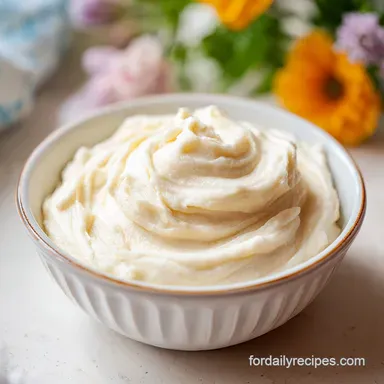
Mashed Cauliflower: Whipped and Garlic-Forward
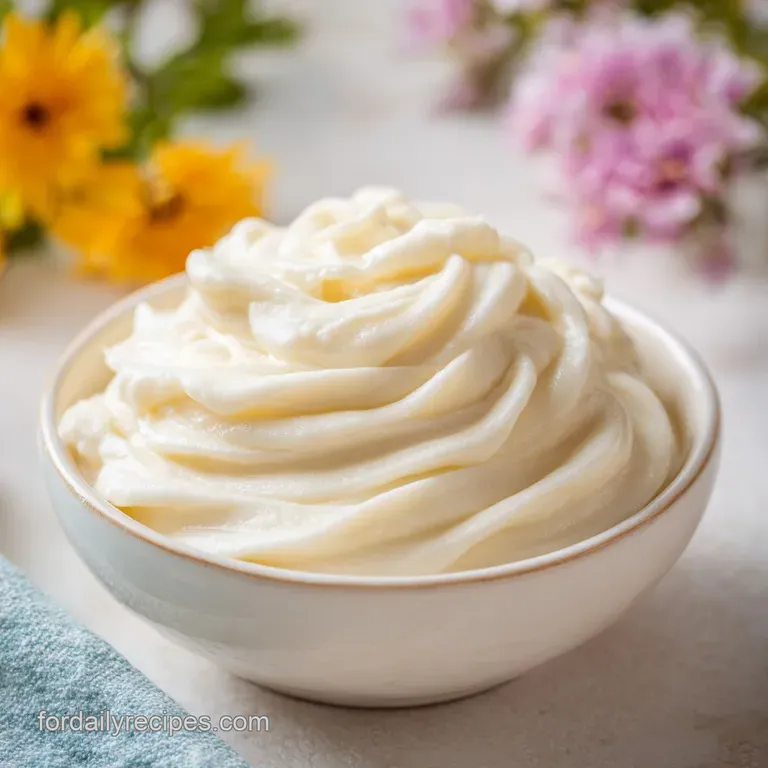
- Time: 10 min active + 10 min cook = Total 20 minutes
- Flavor/Texture Hook: Velvety, buttery, and garlic forward
- Perfect for: Low carb weeknight dinners or keto meal prep
- The Secret to Velvety Mashed Cauliflower
- Hidden Truths of Mash
- Breaking Down the Components
- The Kitchen Gear List
- Step by Step Assembly
- Fixing Common Mash Mistakes
- Swaps for Every Diet
- Adjusting the Batch Size
- Truths About Cauliflower
- Storage and Reheating Guide
- The Best Pairing Ideas
- Recipe FAQs
- 📝 Recipe Card
The Secret to Velvety Mashed Cauliflower
That first sizzle of minced garlic hitting melted butter is where the magic starts. I remember the first time I tried to swap out potatoes for cauliflower, I just boiled the veg until it was mush and mashed it with a fork.
It was a watery, bland mess that tasted like boiled cabbage, and I almost gave up on the whole idea. I thought I just hated the vegetable, but the problem was the water.
Then I figured out that the secret isn't in the mashing, it's in the moisture control and the tool you use. Once I switched to a food processor and learned how to actually drain the veg, it changed everything.
Now, this Mashed Cauliflower is my go to because it's lighter than potatoes but still hits that comfort food spot, especially when you're trying to keep things plant forward.
You can expect a side dish that is silky and rich, not grainy or soupy. It's a quick win for anyone who wants a wholesome alternative to traditional mash without spending an hour in the kitchen. Trust me on this, the food processor is non negotiable if you want that professional, whipped finish.
Hidden Truths of Mash
Most people treat cauliflower like a potato, but it behaves differently. According to Serious Eats, managing the water content in cruciferous vegetables is the only way to avoid that "cabbage" flavor. If you leave too much liquid in the pot, you're essentially making a soup, not a mash.
Another thing nobody mentions is the temperature of the additives. If you throw cold heavy cream and cold butter into the mix, the cauliflower cools down too fast, and the fats won't emulsify. You want everything to be room temperature or slightly warm so they blend into a single, cohesive, velvety cream.
Finally, don't overcook the florets. If they turn into a complete paste in the pot, they lose their structure and can actually develop a more pungent smell. You want them tender, but not disintegrating.
Why the Texture Works
Fat Binding: Butter and cream wrap around the cauliflower particles, creating a smooth barrier that feels silky on the tongue.
High Speed Aeration: The food processor blades incorporate tiny air bubbles, which is what turns a heavy puree into a whipped, light Mash.
Cheese Emulsion: The parmesan doesn't just add salt, it adds a thickener that helps bind the water and fats together.
Moisture Removal: Shaking the colander removes surface water, allowing the butter to actually stick to the veg.
| Method | Time | Texture | Best For |
|---|---|---|---|
| Stovetop | 20 mins | Velvety/Whipped | Quick weeknights |
| Oven Roast | 45 mins | Nutty/Dense | Deep flavor profiles |
Breaking Down the Components
When you're working with a budget-friendly recipe, the quality of the few ingredients you use matters more. I've found that using salted butter can sometimes throw off the balance, so stick to unsalted and add your kosher salt at the end.
Component Analysis
| Ingredient | Science Role | Pro Secret |
|---|---|---|
| Cauliflower | Base Structure | Cut into tiny, equal florets for 10 min cook |
| Butter | Flavor Carrier | Use cubed butter for faster melting |
| Heavy Cream | Smoothing Agent | Warm it slightly for a better blend |
| Parmesan | Umami Binder | Grate it fresh to avoid clumping |
The Kitchen Gear List
You don't need a fancy kitchen to make this, but a few tools make it easier. A heavy bottomed pot is great for the simmer, but the real star is the food processor. If you only have a blender, be careful, as the thick mash can sometimes get stuck under the blades.
I usually use a standard 7 cup food processor. If you're using a smaller one, you might need to work in batches. Also, a sturdy colander is a must. I've had a cheap one break under the weight of two pounds of cauliflower, and trust me, cleaning boiled veg off your floor is not a fun way to spend your evening.
Step by step Assembly
Right then, let's crack on with the actual cooking. Make sure your cauliflower is prepped and your butter is cubed before you even turn on the stove.
- Cut the cauliflower into equal sized florets. Note: Uniform size means they all soften at the same time.
- Sauté the minced garlic in 1 tablespoon of the butter over medium heat for 1 minute until it smells fragrant but isn't brown.
- Add cauliflower florets to the pot with the garlic and add enough water to barely cover them.
- Bring to a boil, then reduce to a simmer, cover, and cook for 8-10 minutes until a fork slides in with zero resistance.
- Drain the cauliflower thoroughly in a colander, shaking it well to remove all excess water. Note: This is the most important step for a thick Mashed Cauliflower.
- Transfer the hot cauliflower to a food processor.
- Add the remaining cubed butter, heavy cream, parmesan cheese, salt, and pepper.
- Blitz on high for 1-2 minutes until the mixture is completely smooth and whipped.
Fixing Common Mash Mistakes
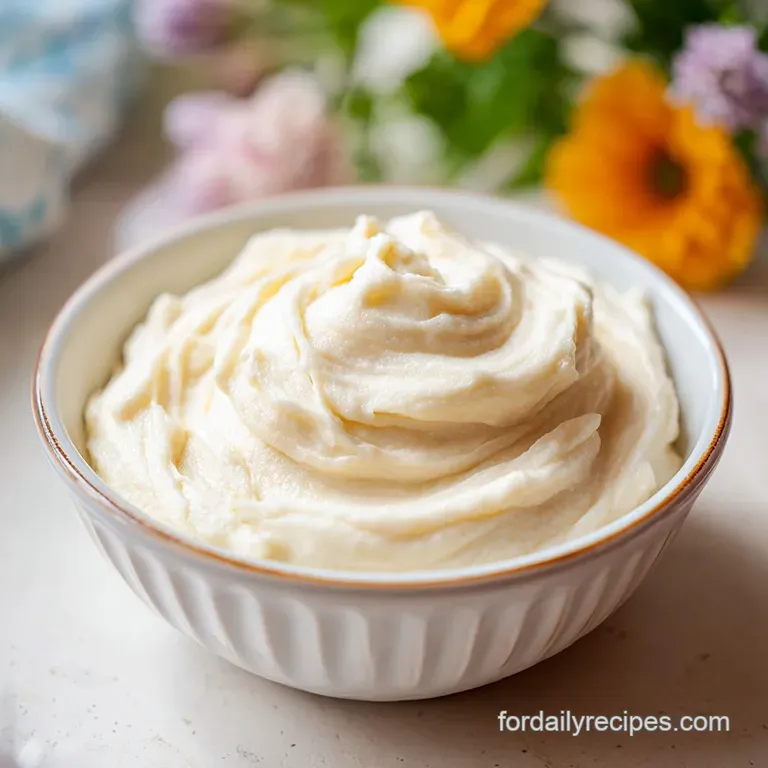
Even with a simple recipe, things can go sideways. The most common issue I see is a "watery" consistency. This usually happens because the cauliflower wasn't drained enough or the pot was too full of water during the simmer.
Why Your Mash Is Watery
If you end up with a soup like consistency, it's almost always about the water. Cauliflower holds onto moisture like a sponge. If you don't shake that colander, the extra liquid dilutes the butter and cream.
Why Your Mash Is Grainy
Graininess usually comes from two things: undercooked florets or using a fork instead of a processor. If the cauliflower isn't soft enough, you'll feel tiny bits of veg. If you're not using a high speed blend, you won't get that velvety finish.
| Problem | Root Cause | Solution |
|---|---|---|
| Watery texture | Excess cooking water | Drain longer and blend more |
| Grainy feel | Undercooked florets | Simmer 2-3 mins longer |
| Bland taste | Lack of salt/acid | Add a squeeze of lemon or more salt |
Common Mistakes Checklist
- ✓ Using frozen cauliflower without thawing (adds too much water)
- ✓ Adding cold cream to hot veg (breaks the emulsion)
- ✓ Overcooking the garlic (makes the mash bitter)
- ✓ Skipping the colander shake (results in soup)
- ✓ Using a handheld masher (leaves it lumpy)
Swaps for Every Diet
I love that this recipe is flexible. If you're following a strict mashed cauliflower keto plan, you're already in good shape, but you can swap the parmesan for a bit of nutritional yeast if you want a different kind of savory hit.
For those who avoid dairy, you can use a plant based butter and full fat coconut milk. The coconut milk adds a slight tropical note, but it keeps that velvety texture. If you're looking for other low carb sides, my Broccoli Pasta recipe is a great way to keep the meal plant forward.
For a Vegan Version
Swap the butter for vegan butter sticks and the heavy cream for cashew cream. For the cheese, use a vegan parmesan or just extra salt and a pinch of garlic powder. The texture stays remarkably similar.
For an Ultra Low Carb Profile
Skip the parmesan and use a splash of olive oil instead of butter. This reduces the calorie count while keeping the healthy fats. Honestly, don't even bother with low-fat cheese, as it doesn't melt well and ruins the smoothness.
| Original Ingredient | Substitute | Why It Works |
|---|---|---|
| Heavy Cream (1/4 cup) | Coconut Milk (full fat) | Similar fat content. Note: Adds a coconut flavor |
| Unsalted Butter | Vegan Butter | Mimics fat profile. Note: Check for salt content |
| Parmesan Cheese | Nutritional Yeast | Savory, cheesy flavor. Note: Lacks the binding power of real cheese |
Adjusting the Batch Size
Scaling this is pretty straightforward, but you can't just multiply everything linearly if you're going huge.
Scaling Down (Half Batch) If you're only using 1 lb of cauliflower, use a smaller pot so the water doesn't evaporate too quickly. Reduce the simmer time by about 2 minutes, as smaller florets often cook faster.
Scaling Up (Double or Triple Batch) When doubling the recipe, don't double the salt and pepper right away. Start with 1.5x the seasoning, taste it, and then add more. Also, work in batches in your food processor. If you overfill it, the bottom stays lumpy while the top gets whipped.
Truths About Cauliflower
There's a lot of noise about how to cook this veg. One big myth is that you have to steam it to avoid the smell. While steaming is great, a quick simmer with garlic actually masks the cabbage notes much better.
Another misconception is that Mashed Cauliflower cannot be frozen. You actually can, but the texture changes slightly. It won't be as "whipped" after thawing, but it's still great for a quick side if you stir in a tablespoon of fresh butter during reheating.
Storage and Reheating Guide
Keep your leftovers in an airtight container in the fridge for up to 4 days. It'll thicken up in the cold, which is normal.
To reheat, I recommend the stovetop. Put the mash in a small pan over low heat and add a tiny splash of cream or water to loosen it up. Stir gently until it's hot. Avoid the microwave if you can, as it tends to create "hot spots" and can make the mash separate.
For zero waste, don't throw away the cauliflower leaves! They are completely edible. I usually toss them in olive oil and salt and roast them at 400°F (200°C) for 10 minutes until they're crispy.
They taste like kale chips and are a great way to use the whole head.
The Best Pairing Ideas
This Mashed Cauliflower is the perfect partner for proteins that have a sauce. Since the mash is velvety and mild, it soaks up juices beautifully. I highly recommend serving it with Mushroom Chicken for a meal that feels fancy but takes very little effort.
If you're doing a roast dinner, this works beautifully with a seared steak or a baked salmon fillet. The garlic and parmesan notes cut through the richness of the meat. For a lighter meal, try it alongside some roasted carrots or sautéed spinach.
It's a versatile base that doesn't compete with the main star of the plate.
Recipe FAQs
What is the secret to good mashed cauliflower?
Drain the cauliflower thoroughly. Shaking the colander well to remove all excess water prevents the mash from becoming watery or soup-like.
Do mashed cauliflower taste like mashed potatoes?
Not exactly, but it is a close alternative. It has a milder, slightly nuttier flavor and a lighter overall texture than traditional potatoes.
Do you add milk to mashed cauliflower?
No, use heavy cream instead. Heavy cream combined with parmesan cheese creates a rich, velvety consistency that milk cannot achieve.
Can you mash cauliflower?
Yes, but a food processor is better. While a handheld masher works, blitzing the mixture on high ensures it is completely smooth and whipped.
How to reheat mashed cauliflower without it separating?
Heat in a small pan over low heat. Stir in a tiny splash of cream or water to loosen the texture and avoid the "hot spots" caused by microwaves.
Why is my mashed cauliflower watery?
You likely didn't drain the florets enough. Ensure you shake the cauliflower well in the colander before transferring it to the food processor.
What should I serve with mashed cauliflower?
Pair it with roasted meats or hearty soups. It complements a bowl of Shepherds Pie Soup perfectly for a comforting, low-carb meal.
Mashed Cauliflower in 20 Minutes